





 Portuguese
  English
  Spanish
  10 min of reading
  0 comments


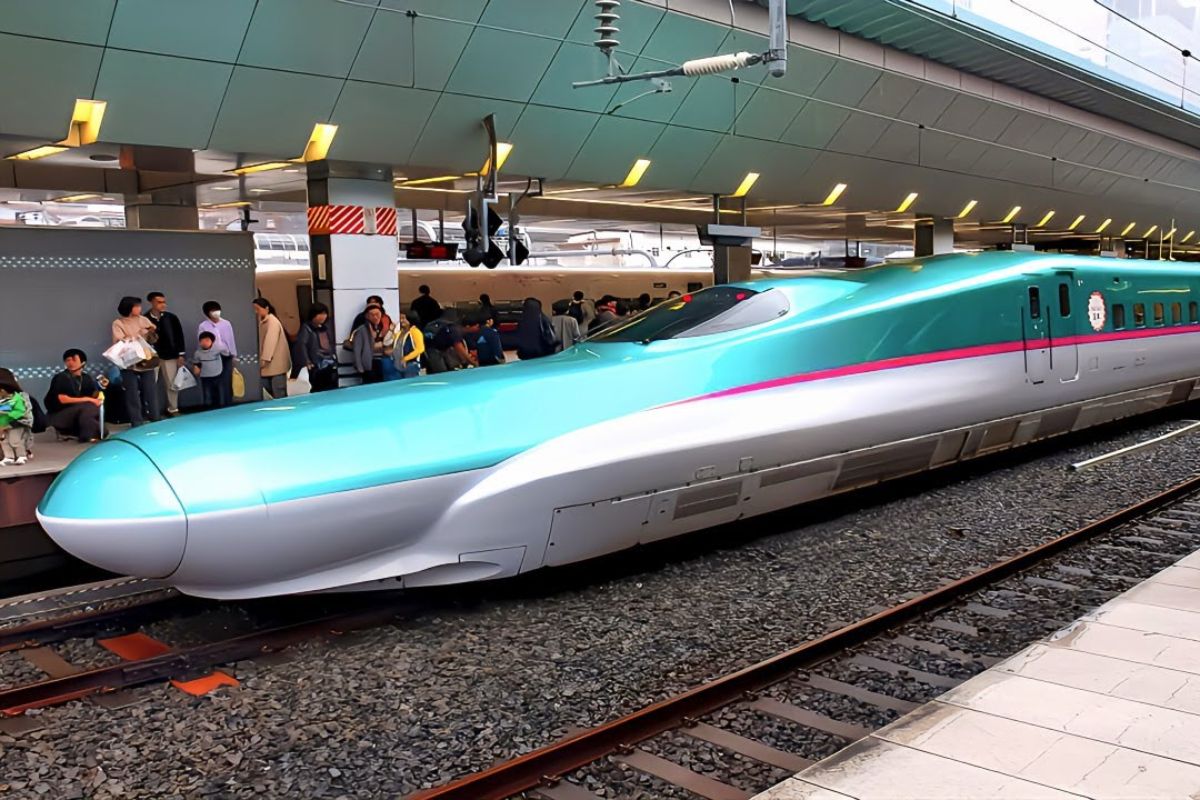
In December 2024, an 8-Hour Journey on Japan’s Fastest Bullet Train Reveals the Gran Class of the Shinkansen Hayabusa, the Seikan Submarine Tunnel, Snow in Hokkaido, Transfers to Niseko, and Every Technical Detail of This 862-Kilometer Route with Constant Onboard Services, Silence, Comfort, and Luxury
In December 2024, the report accompanied a complete journey of 8 hours and 13 minutes, departing from Tokyo Station at 6:32 AM and arriving at Niseko Station at 2:25 PM, combining Japan’s fastest bullet train, the Shinkansen Hayabusa in Gran Class, the limited express Hokuto, and a local train from the JR Hakodate Main Line. On the initial high-speed segment, the Tohoku Hokkaido Shinkansen Hayabusa 1, Series E5/H5, covers 862.5 kilometers between Tokyo and Shin Hakodate Hokuto, reaching 320 km/h and traversing the Seikan submarine tunnel, a strategic axis connecting Honshu to Hokkaido.
The complete experience, totaling 44,420 yen in fares (about 283 dollars or 274 euros), includes 4 hours and 16 minutes on Japan’s fastest bullet train in Gran Class, 1 hour and 9 minutes on limited express number 9 in Green Class, and 1 hour and 16 minutes on a local train to Niseko, with transfers at Shin Hakodate Hokuto and Oshamambe. The route combines absolute first class at high speed, snowy landscapes, century-old stations, and heavy railway infrastructure, in an itinerary that details how the Tokyo Hokkaido axis operates for those who choose the rail instead of the airplane.
Schedule, Fares, and Composition of the Complete Journey to Niseko

The journey on the fastest bullet train in Japan officially begins at 6:32 AM, at Tokyo Station, with boarding on the Tohoku Hokkaido Shinkansen Hayabusa 1, Series E5/H5, heading to Shin Hakodate Hokuto.
-
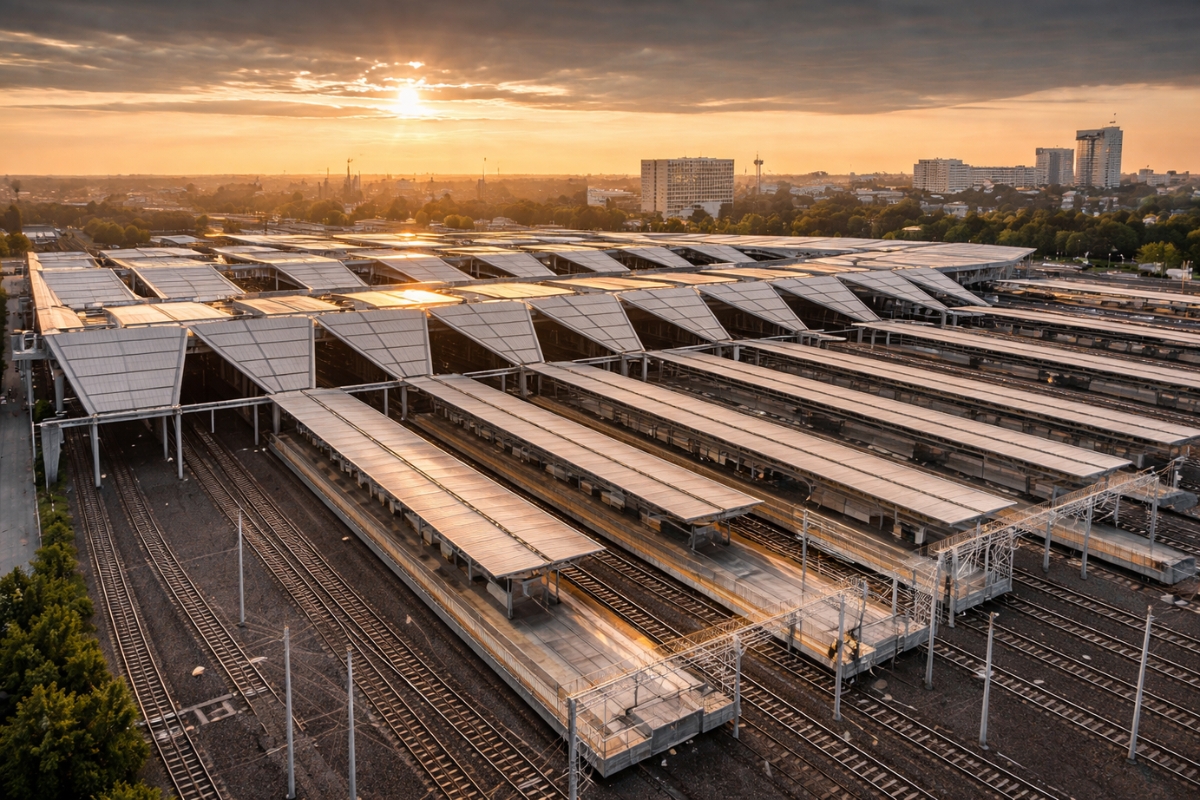
In A European City, The Country’s Largest Railway Junction Was Modernized Without Closing Its Doors, Kept Trains Running During Years Of Construction, Now Serves Up To 60,000 Passengers Per Day, And Installed Solar Panels That Generate About 30% Of Its Energy
-
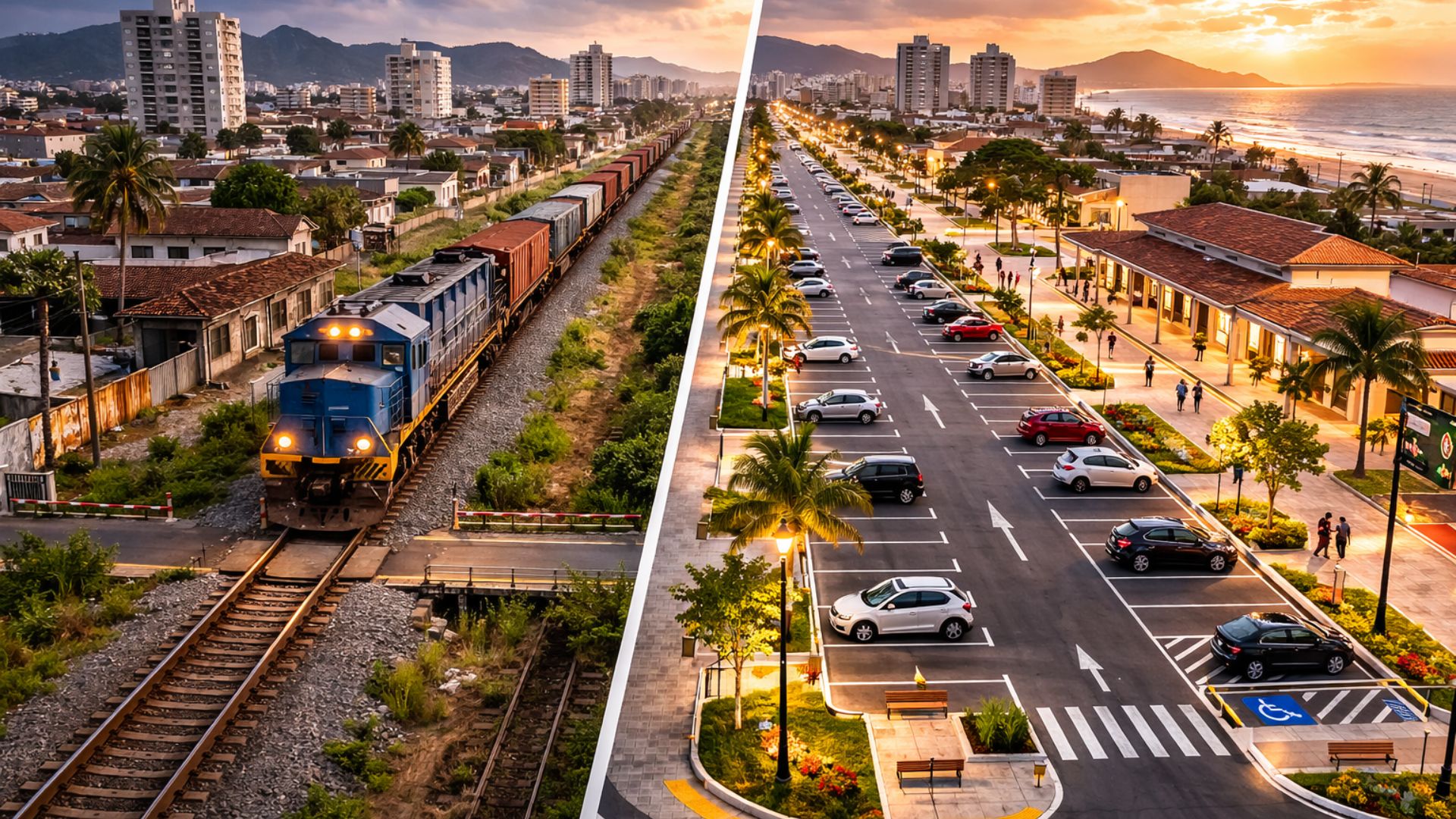
Famous Brazilian Railway May Become a Parking Lot
-
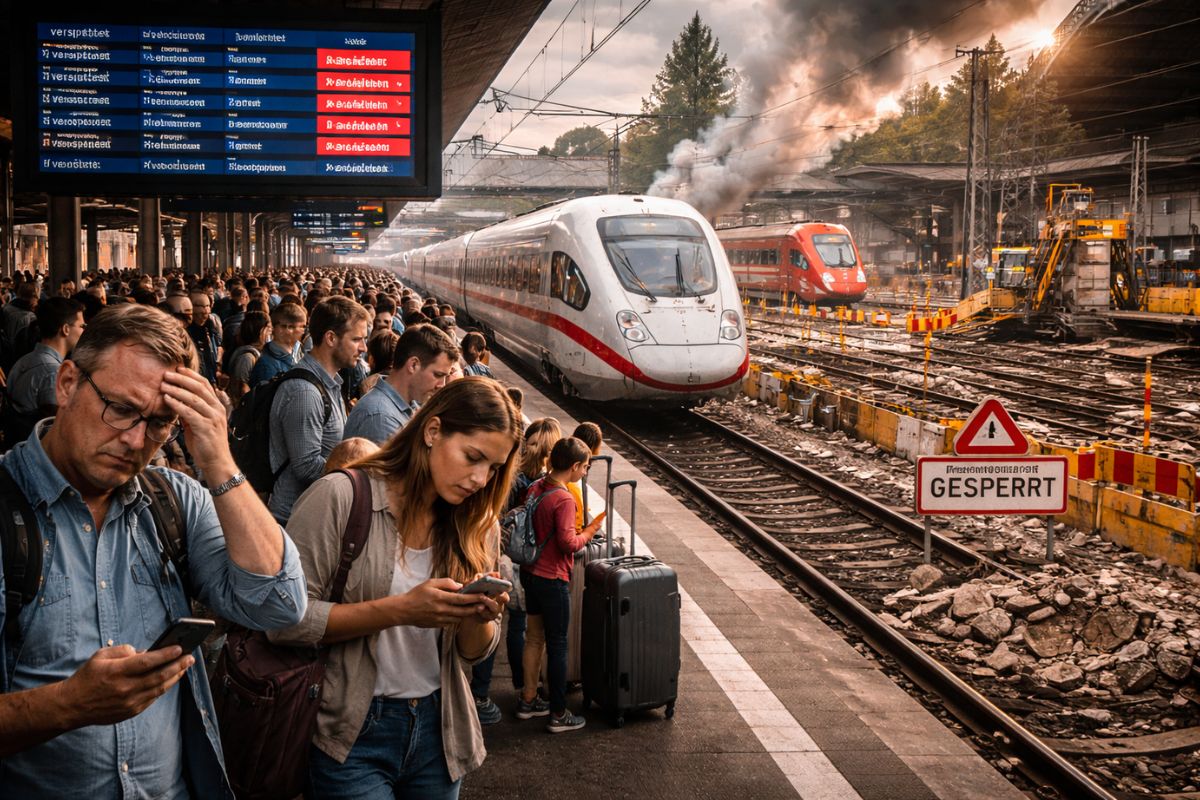
The Country of “Punctual As a Train” Admits It Has Lost Control: High-Speed Trains Delay, Stop, Disappear from the Map and Turn 6-Hour Trips into 10, While Deutsche Bahn Promises Restructuring in 2026 But Faces 19th Century Infrastructure, Staff Shortages and Sections Closed for Months
-
With an Investment of R$ 700 Million in One of the Country’s Main Rail Networks, VLI Reinforces Infrastructure, Receives 8 New Locomotives, and Expands the Corridor Connecting 7 States, Boosting Jobs and the Transportation of Grains, Ore, and Oil Products to the Port of Santos

The service runs through Tokyo, Ueno, Omiya, Sendai, Morioka, Ninohe, Hachinohe, Shichinohe Towada, Shin Aomori, Okutsugaru Imabetsu, and Kikonai, reaching Shin Hakodate Hokuto between 10:48 AM and 10:53 AM, according to the schedule and the reserved itinerary.
The official timetable indicates a distance of 862.5 kilometers and a travel time of 4 hours and 16 minutes for the Hayabusa 1.
The fares recorded at the base show three seating levels: 23,230 yen for standard seating, 32,100 yen for Green Class, and 40,480 yen for Gran Class, chosen for this route.
The continuation is made on the limited express Hokuto number 9, between Shin Hakodate Hokuto and Oshamambe, covering 94.4 kilometers, with a fare of 2,450 yen and a travel time of 1 hour and 9 minutes.
Next, the JR Hakodate Main Line takes the passenger from Oshamambe to Niseko, covering 67.3 kilometers, for 1,490 yen, in 1 hour and 16 minutes, completing a total of 8 hours and 13 minutes between Tokyo and Niseko.
Boarding in Tokyo and Historical Context of the Century-Old Station

The journey on the fastest bullet train in Japan begins early in the morning, at 5:23 AM, in front of the Marunouchi building of Tokyo Station, inaugurated in December 1914 and celebrating its 110th anniversary.
The entrance used is the Marunouchi North exit, featuring a Byzantine-style dome 35 meters high.
The passenger then crosses to the Yaesu side, where the boarding area for Tohoku and Hokkaido Shinkansen is located.
The ticket office opens at 5:30 AM, the same time the JR East ticket vending machine starts operating.
The ticket for the fastest bullet train in Japan was reserved online in advance, simply scanning the QR code at the machine, which issues tickets with a departure time of 6:32 AM and arrival at Shin Hakodate Hokuto shortly after 10:50 AM.
The terminal features convenience stores and ekiben counters, with around 200 types of famous lunch boxes from all over the country, including special options from Hokkaido with crab and salmon roe.
Gran Class of the Shinkansen Hayabusa as Absolute First Class


On the Shinkansen Hayabusa, Car 10 is Gran Class, equivalent to first-class airline seating or a compact hotel suite on rails.
It seats 18 passengers, arranged in a 2+1 configuration across six rows, with overhead compartments similar to those in aircraft.
Seat 1A in Car 10 was chosen for the segment on the fastest bullet train in Japan.
The technical specifications of the seat indicate a width of 52 centimeters, a recline of 130 centimeters, and a tilt of 45 degrees, featuring a backrest, adjustable leg rest, cushioned headrest, and upholstery in genuine leather developed by a Japanese company.
There is individual reading light, cocktail tray, folding table, coat hook, window curtain, and standard electrical outlets, although there are no USB ports.
The floor is covered with red wool carpet, and the interior is described as having a luxurious feel, aligned with the official concept of “Exclusive Dream: Bringing You Special Travel Moments”.
Onboard Services, Drinks, and Meals at High Speed
Shortly after departing Tokyo Station at 6:32 AM, the Gran Class passenger receives a welcome bag with a 290 ml water bottle, a Japanese-made wet wipe, salted chocolate Shiochoko, menu, and notes about the service.
All hot, cold, and alcoholic drinks are included, with unlimited consumption during the journey on Japan’s fastest bullet train.
The menu offers a Western option under the DEAN & DELUCA brand and a Japanese option supervised by Chef Hiromitsu Nozaki.
On the recorded journey, the Western meal was chosen, featuring alcohol-free sparkling drink Duc de Montagne, Hokkaido gratin pumpkin, cod risotto à la marque, pork ragout in wine, and chestnut soufflé cake, totaling 182 kcal.
Later on, a warmed ekiben of crab rice and sukiyaki, a specialty from Kinosaki in Hyogo Prefecture, was served, accompanied by Mann’s Wine red wine from Yamanashi, also included in the Gran Class fare.
Performance of the Fastest Bullet Train in Japan and Speed Variations
The operational speed of the Shinkansen Hayabusa varies by segment. Between Ueno and Omiya, the limit is 130 km/h, but after Omiya, the ceiling rises to 275 km/h.
Past Utsunomiya, the fastest bullet train in Japan reaches its maximum speed of 320 km/h, with the speed app recording 314 km/h in one of the segments.
At another moment, the measurement reached 316 km/h, reinforcing the stable operation close to the technical limit of the line.
After Morioka, the maximum speed drops to 260 km/h, and in some subsequent segments, the train runs at around 210 km/h.
On segments shared with conventional lines, high-speed trains do not exceed 140 km/h.
In the Seikan submarine tunnel, the speed is limited to 160 km/h, and since it is an underground structure, the GPS app cannot measure displacement.
This controlled speed variation is part of the safety and engineering design of the Tokyo Hokkaido axis.
Seikan Tunnel and Crossing Between Honshu and Hokkaido
The Seikan Tunnel is one of the most relevant technical points of the journey.
With 53.85 kilometers in length and an axis about 240 meters below sea level, it connects Aomori in the northernmost region of Honshu to Hokkaido island.
The entrance is scheduled for 10:11 AM, with the exit from the Hokkaido side expected at 10:33 AM, with a crossing time of approximately 22 minutes.
Inside the tunnel, the view from the window is continuous darkness, without direct perception of being under the sea.
From the passenger’s perspective, the crossing is monotonous and uneventful, while the operation combines shared infrastructure with conventional lines, a speed limit of 160 km/h, and specific safety systems for the underwater environment.
At the end, the confirmation that the train is already in Hokkaido appears on both the onboard panels and the map checked on apps.
Intermediate Stops, Medical Incident, and Wi-Fi En Route
Along the route, the fastest bullet train in Japan makes scheduled stops at major and medium stations, such as Sendai, Morioka, Hachinohe, and Shin Aomori, as well as smaller points in Aomori Prefecture.
At one point, the Shinkansen made an unplanned stop, and it was announced that it was due to a sudden illness onboard, causing a slight delay but not compromising the sequence of travel.
The Hayabusa offers free Wi-Fi for all passengers, including those in Gran Class, allowing tracking of the route on map and speed apps, except in long tunnels.
The experience is complemented by landscapes such as the sunrise seen from the first train of the day, urban areas of the Tokyo region, and, further north, snow patches in Aomori Prefecture, which leads the ranking for annual snowfall in Japan with 567 centimeters, according to reports.
Separation of Trains in Morioka and Operational Organization of the Composition
The Shinkansen Hayabusa runs coupled with the red Shinkansen Komachi, forming a train of 17 cars.
At Morioka Station in Iwate Prefecture, separation occurs: the Komachi, with seven cars numbered 11 to 17, proceeds to Akita, while the Hayabusa continues to Hokkaido.
Gran Class in Car 10, at the front of the Hayabusa, provides an advantage upon arrival at the separation point, ensuring a better position on the platform.
After decoupling, the Komachi departs first, followed a few minutes later by Japan’s fastest bullet train.
The process is described as light and precise, with the connecting piece between the two trains impressing with its robustness while allowing for easy decoupling.
Arrival at Shin Hakodate Hokuto and View of the Other Classes
As the train approaches Shin Hakodate Hokuto Station, the report notes the good performance of the Gran Class seats, which allow for completing the 4 hours and 16 minutes segment at high speed without significant fatigue.
In the end, it is possible to observe the configuration of Car Green 9, equivalent to business class, with a table behind some seats, and from the Standard cars 1 to 8, which provide the traditional economy experience of the Shinkansen.
The passage through Shin Hakodate Hokuto marks the end of the segment on Japan’s fastest bullet train and the beginning of the section on conventional speed lines.
Still, the terminal serves as a hub for continuing to other regions of Hokkaido, including via the limited express Hokuto, chosen for the next leg to Oshamambe.
Limited Express Hokuto, Green Comfort, and Hokkaido Landscapes
The Hokuto number 9, a limited express train originally launched in November 1965, runs the segment between Hakodate and Sapporo.
On this journey, the segment used is Shin Hakodate Hokuto to Oshamambe, covering 94.4 kilometers, costing 2,450 yen and a travel time of 1 hour and 9 minutes. Car 1 offers Green seats, clean, with headrests, leg rests, ticket holders, rear seat pockets, and dedicated computer outlets.
There are upper luggage racks, folding tables, and restrooms that, according to reports, seem older compared to those on the Shinkansen, lacking washlets but with functional hand-washing areas.
There are no vending machines, just a multipurpose room, and passengers feel the train vibrates more than the Hayabusa, highlighting the difference between high-speed lines and conventional segments in Hokkaido.
The landscape includes views of Lake Onuma and Uchiura Bay, with open sea and sections already covered in snow in early December.
Oshamambe, Connection Wait, and Century-Old Station
The limited express Hokuto arrives at Oshamambe at 12:14 PM, after 5 hours and 42 minutes since departing Tokyo.
The connection to the next local train is scheduled for 1 hour and 15 minutes, allowing for a bit of time to observe the station and its surroundings.
The Oshamambe Station was inaugurated in November 1903, therefore celebrating 120 years of operation at the time of the journey.
The terminal features a ticket office, waiting chairs, a tourist information center, a small shop, vending machines, and a mailbox.
The local map highlights specialties such as hairy crab and crab rice, as well as hot spring resorts, cultural facilities, shrines, and leisure areas accessible by foot.
There is also information that the Hokkaido Shinkansen Oshamambe Station is scheduled to open in 2030, which should change the connection dynamics in the region.
While waiting, passengers can observe freight trains passing by and the low number of daily services to Niseko, with only four trains per day on that route.
Local Train from JR Hakodate Main Line to Niseko
At 1:10 PM, the local train for the Oshamambe to Niseko segment arrives at the platform. The train consists of only one car, but includes a multipurpose bathroom, varied seating, and minimal luggage space.
Departure occurs at 1:29 PM, heading towards a distance of 67.3 kilometers and 1 hour and 16 minutes to Niseko, still within the same journey that began on Japan’s fastest bullet train.
During the trip, the landscape is dominated by winter snow, rivers, small stations that sometimes barely distinguish from the scenery due to snow accumulation, and rural areas of Hokkaido.
The journey highlights the transition from the high-speed and premium service of Gran Class to a simple regional operation, but sufficient to complete the link to the final destination.
At 2:25 PM, the train arrives at Niseko Station, completing 8 hours and 13 minutes since leaving Tokyo.
Arrival in Niseko and Final Connection to the Hotel in Hokkaido
Upon arriving at Niseko Station, the lengthy rail journey concludes, but there is still a short road transfer to the hotel.
The passenger takes a taxi to Higashiyama Niseko Village, a Ritz Carlton Reserve, one of the high-end developments in the region, geared towards skiing and snow tourism.
The combination of Japan’s fastest bullet train, limited express, and local train sequentially showcases three layers of the Japanese railway system in a single journey: high-speed engineering, intermunicipal conventional network, and regional branch line.
In December 2024, with snow beginning to accumulate and century-old stations celebrating historic anniversaries, the Tokyo-Niseko rail route establishes itself as a complete logistical alternative for those prioritizing an experience of travel over mere displacement.
After experiencing this 8-hour journey on the fastest bullet train in Japan to the snow in Hokkaido, would you choose to take the whole route by train or would you still prefer to fly directly to the north of the country?








-

-

-

-

-

-

37 pessoas reagiram a isso.