





 Portuguese
  English
  Spanish
  5 min of reading
  0 comments


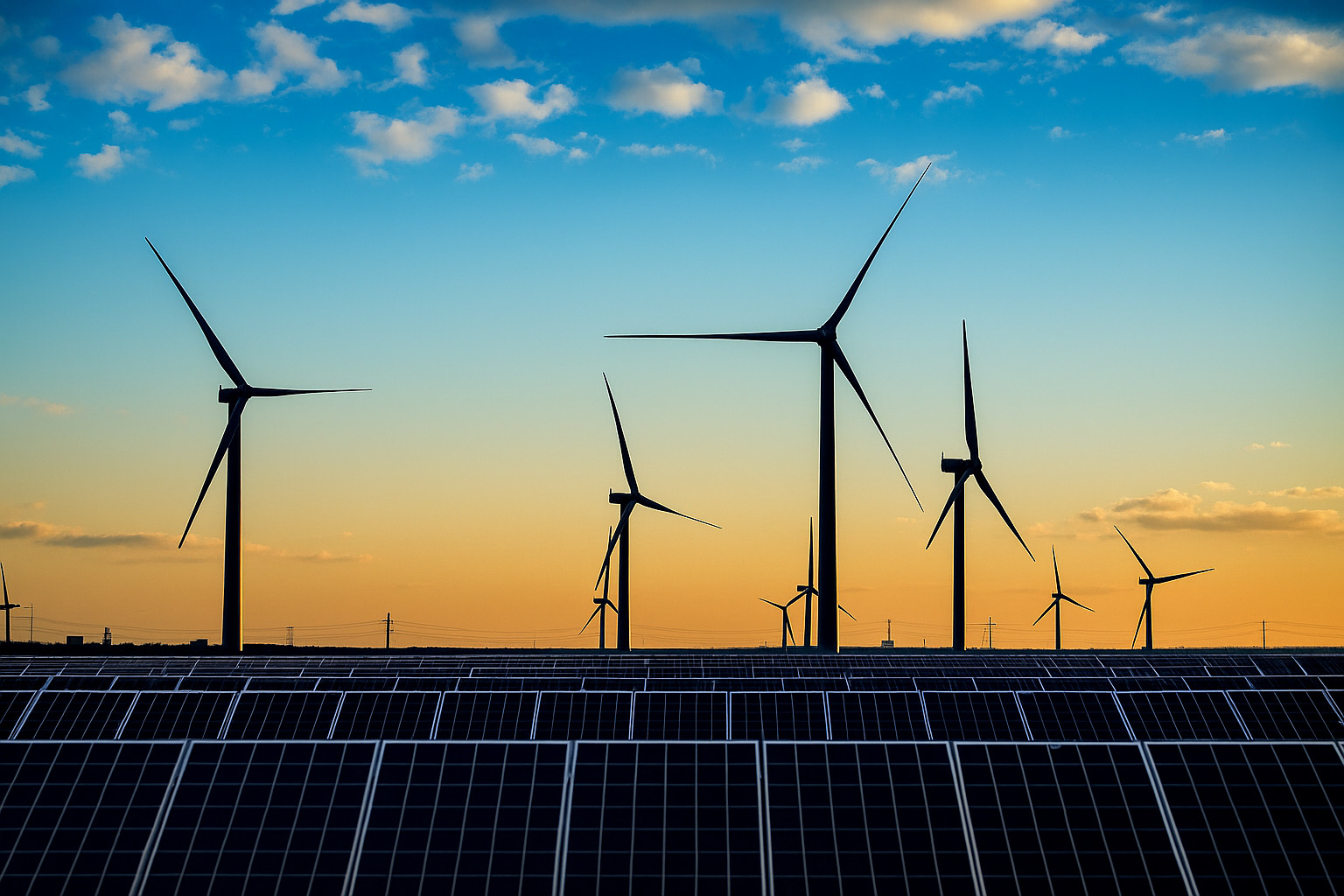
Discover How Electricity in Brazil Is Primarily Generated from Renewable Sources, Ensuring Sustainability and Global Leadership in the Energy Sector.
The Brazil stands out globally for its clean and diversified energy matrix. Electricity in Brazil, therefore, has a history marked by significant transformations and investments prioritizing sustainability, consolidating the country as a global reference in renewable generation.
Furthermore, recent data from the National Energy Balance (BEN) of 2025 show that about 88% of Brazilian electricity comes from renewable sources, including hydropower, solar, wind, and biomass.
Consequently, this performance puts Brazil in the spotlight among both developed and developing countries.
-
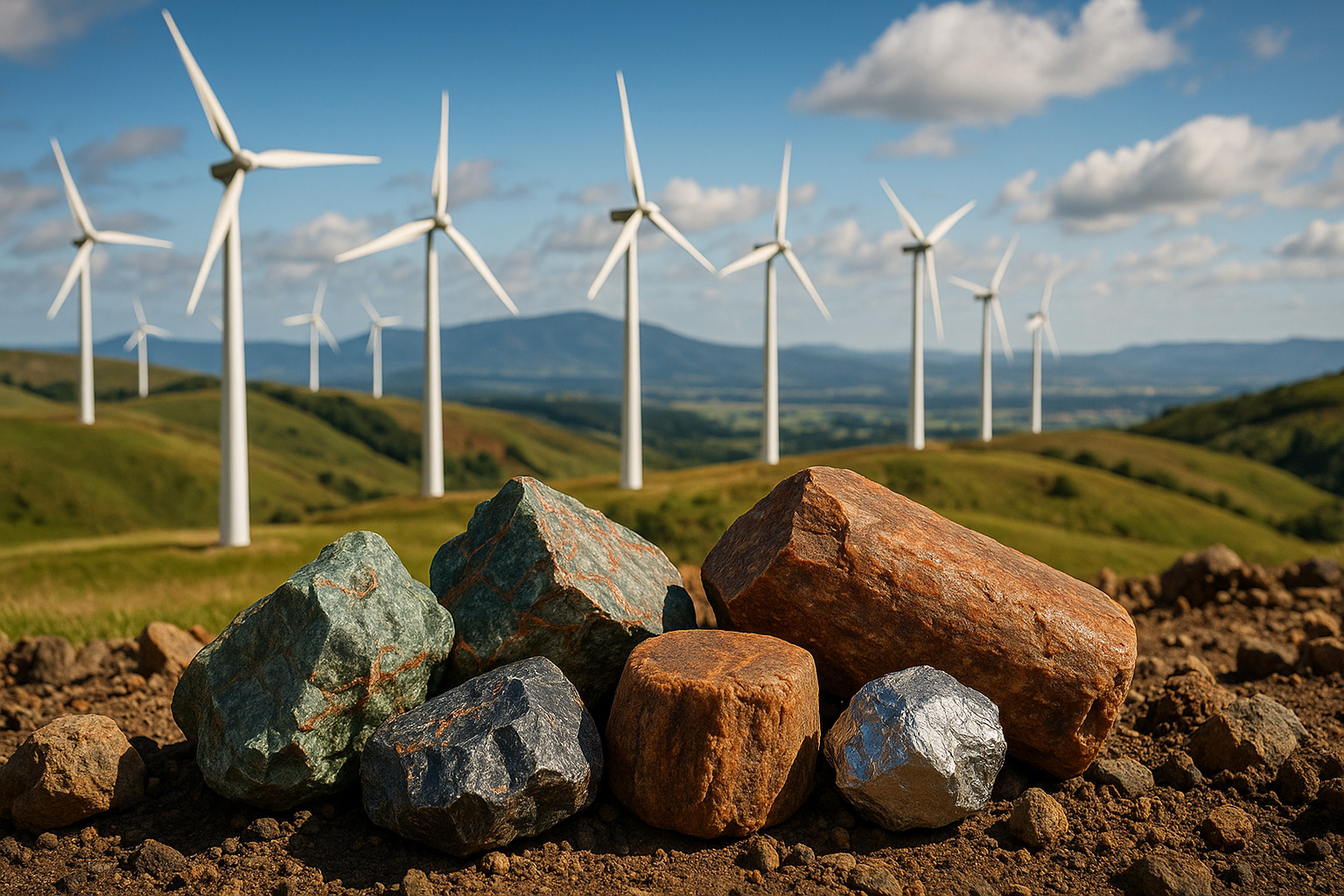
The Brazilian state accelerates industrial competitiveness with a focus on the extraction of strategic minerals to boost the energy transition in Goiás.
-
A Canadian retiree creates a hydroelectric system on a real river, generating energy continuously throughout the day and demonstrating how the power of water can supply a house with stability even in a simple structure.

-
Petrobras reaffirms its commitment to the market and ensures that it will carry out the energy transition safely to maintain national sovereignty.

-
Researchers discover a possible hydrogen deposit of up to 46 million tons beneath an ancient coal basin, and the volume could exceed half of the entire global production.


Historically, the trajectory of electricity in Brazil accompanies the economic and social development of the country. Since the early 20th century, the country has built hydropower plants to harness its extensive rivers and waterfalls.
For example, the Paulo Afonso Hydroelectric Plant, inaugurated in the 1950s, and the Itaipu Hydroelectric Plant, completed in the 1980s, illustrate this energy production model.
Thus, the dependence on hydropower marked the country for decades, ensuring abundant energy but also highlighting the need for diversification in light of droughts and climate change.
Additionally, Brazil began to balance the expansion of electricity generation with environmental policies. In this way, it planned the reservoirs of hydroelectric plants considering detailed studies on social and ecological impacts, integrating environmental conservation and human development.
Therefore, this historical approach shows that the evolution of electricity in Brazil involves technology and responsible management of natural resources.
Expansion of Renewable Sources: Solar and Wind
In recent decades, wind and solar generation has grown rapidly. Between 2023 and 2024, wind generation increased by 12.4%, while solar saw an impressive growth of 39.6%.
Moreover, this advancement reflects investments in modern technologies and the decentralization of electricity generation, allowing remote regions to produce and consume clean energy locally.
In this way, this movement strengthens electricity in Brazil and contributes to reducing greenhouse gas emissions, aligning the country with international sustainability commitments.
Natural gas also plays a relevant role in the national energy matrix. Despite being a fossil source, its growth of 23.9% between 2023 and 2024 helped balance the supply, especially during periods of lower hydropower production.
Thus, this combination demonstrates that Brazil diversifies its sources to ensure energy security and supply stability.
The BEN highlights that renewable sources have maintained a share above 70% since 2004, consolidating the country’s sustainability trajectory.
This includes hydropower and the increase in generation from biomass, sourced from agricultural and industrial waste.
This strategy adds value to the agricultural sector and promotes energy efficiency.
Therefore, this history reinforces that electricity in Brazil plays a central role in socioeconomic development, providing reliable energy for industries, commerce, and homes.
Additionally, Brazil has expanded incentives for distributed generation.
Thus, consumers, from households to large companies, now generate their own electricity with solar panels or small wind turbines.
In this way, this model reduces costs and decreases the burden on distribution networks, making the electrical system more resilient.
Solar and Wind Energy Strengthen Strategic Regions
The growth of solar energy reflects the country’s ability to take advantage of its privileged geographic position. With high solar incidence throughout the year, regions such as the Northeast and Southeast become hubs of distributed generation and self-production.
Therefore, small households and businesses produce their own electricity, reducing costs and strengthening energy autonomy.
Furthermore, the expansion of solar energy benefits social inclusion programs, allowing access to electricity in Brazil more fairly and equitably.
Wind energy stands out in Northeastern states such as Bahia and Rio Grande do Norte, where constant winds ensure regular production.
Thus, this type of generation drives local development, creates jobs, and encourages infrastructure investments.
In this manner, the combination of hydropower, solar, and wind sources makes the Brazilian electrical matrix one of the cleanest and most reliable in the world.
Beyond environmental impacts, the expansion of renewable sources strengthens the economy.
Investments in electrical infrastructure generate direct and indirect jobs, stimulate technological innovation, and attract foreign capital.
Therefore, the diversification of the energy matrix reduces dependence on imported fossil fuels, contributing to national energy security.
Historically, periods of international instability in oil prices have highlighted the importance of a balanced matrix.
Thus, Brazil benefits from this strategy.
Electricity generation also fosters education and technological training.
In this way, universities and research centers participate in innovation projects, developing solutions for energy storage, turbine efficiency, and integration of intermittent sources.
In this manner, these investments in knowledge strengthen the industrial and technological sector, ensuring that electricity in Brazil remains competitive and sustainable.
The Role of the National Energy Balance
The National Energy Balance helps to understand the evolution of electricity in Brazil.
Published annually, it presents data on the supply, consumption, import, and export of energy.
Furthermore, the EPE, responsible for its preparation since 2004, provides detailed information that guides public policies and strategic investments.
Thus, governments and companies make more informed decisions, promoting efficiency and sustainability in the energy sector.
The trajectory of electricity in Brazil also depends on technological innovation.
New models for energy storage, such as advanced batteries and hydrogen systems, help integrate intermittent sources like solar and wind into the matrix.
In this way, these advancements ensure electricity availability even during periods of lower wind or solar radiation, strengthening system reliability and increasing the participation of renewables.
Brazil maintains special attention to the environment.
By prioritizing clean sources, it significantly contributes to reducing carbon emissions.
Additionally, the preservation of water resources, the use of agricultural and industrial waste, and the promotion of distributed generation strengthen environmental commitment.
Thus, it shows that electricity in Brazil grows without compromising the planet.
Challenges and Future Perspectives
In the long term, the country faces the challenge of sustainably expanding generation, incorporating new technologies and ensuring universal access to electricity.
Therefore, transmission projects, modernization of hydropower plants, and incentives for self-production remain essential to maintaining Brazil’s leadership in clean energy.
Furthermore, education and awareness about rational energy use ensure that economic growth aligns with environmental preservation.
In summary, Brazil has built, over decades, a solid and sustainable trajectory in the electricity sector.
With 88% of electricity coming from renewable sources, the country stands out globally, combining efficiency, innovation, and environmental responsibility.
Thus, the history of electricity in Brazil demonstrates that it is possible to align economic development with sustainability, making the country an example for other nations.
The future of Brazilian electricity depends on the continuity of strategic public policies, investment in new technologies, and the expansion of renewable sources.
In this way, Brazil ensures reliable electricity for its population and proves that a clean and diversified energy matrix is an essential pillar for sustainable development and global leadership in electricity generation.









Seja o primeiro a reagir!