





 Portuguese
  English
  Spanish
  11 min of reading
  0 comments


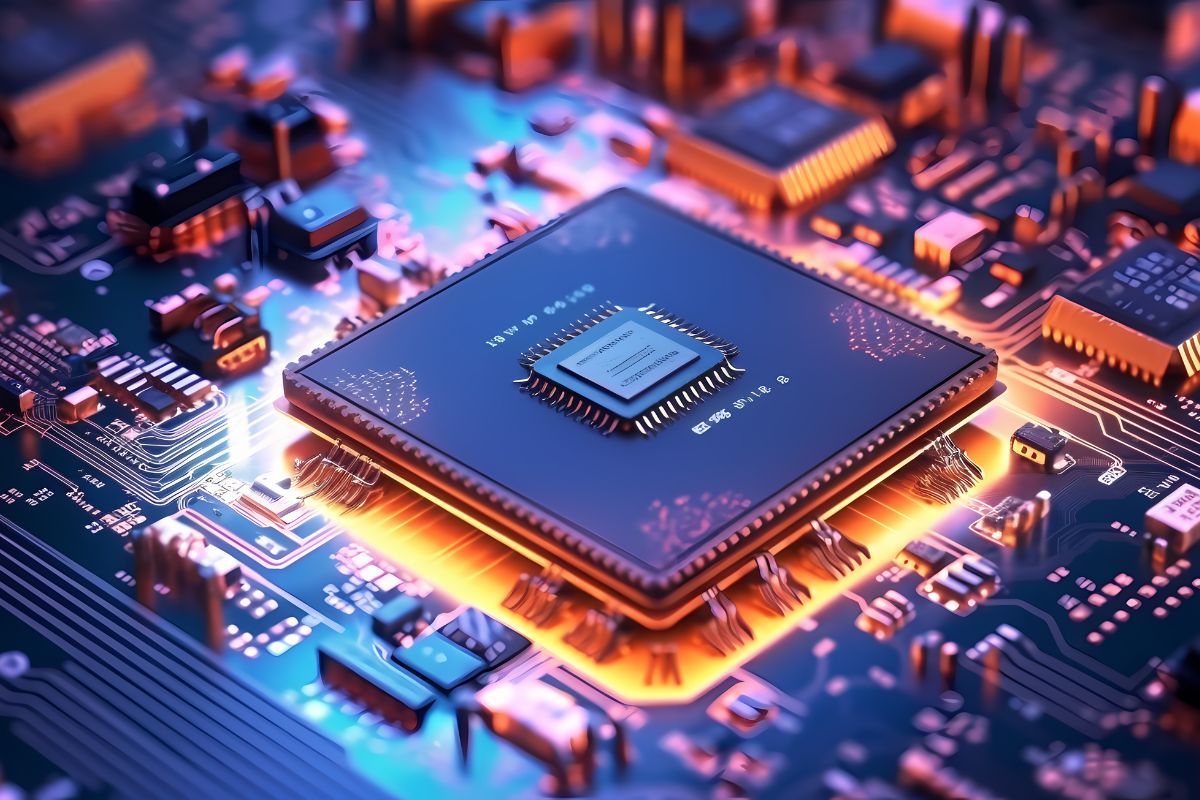
From Laboratory to Oil: How the Microchip Came from an Almost Invisible Invention to Become the Brain Behind Technologies That Drive the Industry, Optimize Processes, Save Lives, and Are Silently in Every Detail of Our Routine
You know that thing that no one sees, but it completely changes our day-to-day? Well… the microchip is exactly that. A tiny piece of silicon so small it fits on the tip of your finger, but with such incredible power that it almost seems magical. It’s like that quiet friend in the group who doesn’t say much, but without them, nothing works.
If you’ve used a cell phone today, gotten into a car, turned on the air conditioning, or even pressed play on your favorite playlist, guess who was backstage working? Exactly: the microchip. It’s also present in industry, medicine, satellites, and sensors of oil platforms… basically, in everything that requires a bit (or a lot) of electronic intelligence.
In this article, I will show you how important the microchip is, how it works, where it shows up in your daily life (even if you don’t notice it), and why the whole world is rushing to manufacture it as if it were modern gold.
-
Woman arrested after receiving $1.2 million due to banking error and not returning the amount.

-
Beneath Mexico City lies an entire buried Aztec capital, and it all began when workers discovered a 3.25-meter stone disk featuring a dismembered goddess, revealing temples, skulls, and palaces beneath 22 million people.

-
How to build a 35,000-liter cistern with 60 by 50 cm panels and rainwater for drinking and cooking without relying on water trucks or the city hall.

-
The Himalayas continue to grow to this day, with tectonic plates advancing 5 cm per year, mountains rising up to 10 mm annually, and the 2015 earthquake that killed 9,000 people may have increased the risk of an even larger seismic mega-event.


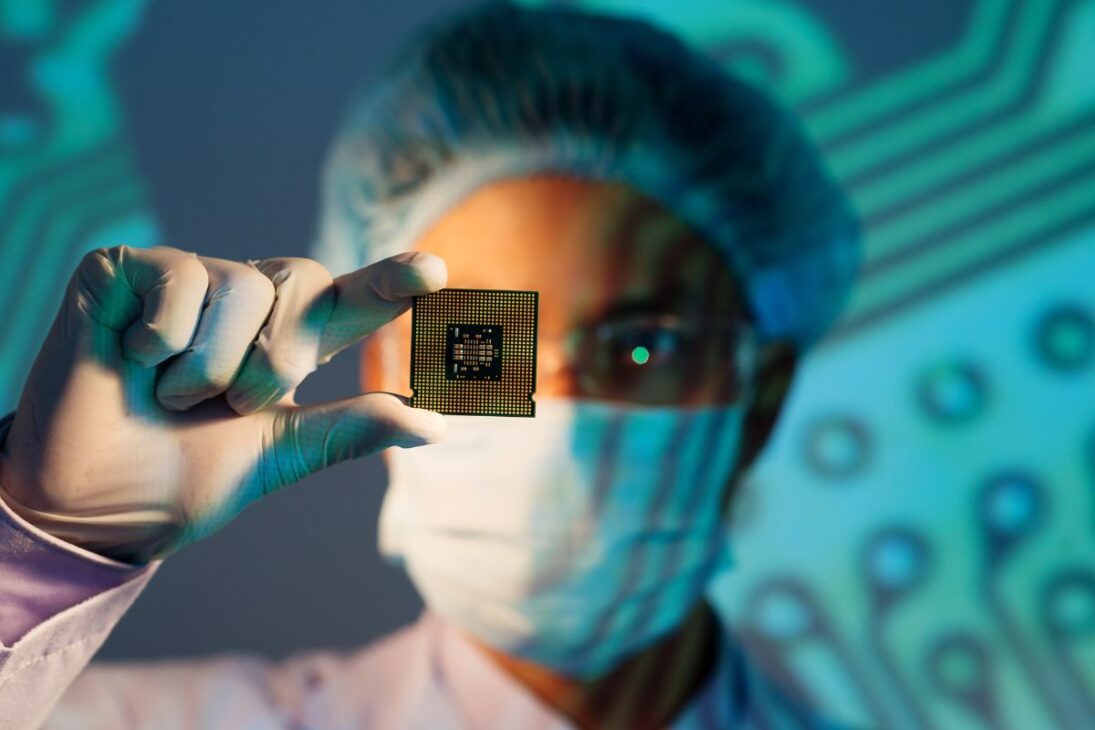
Understanding What a Microchip Is and Its Importance
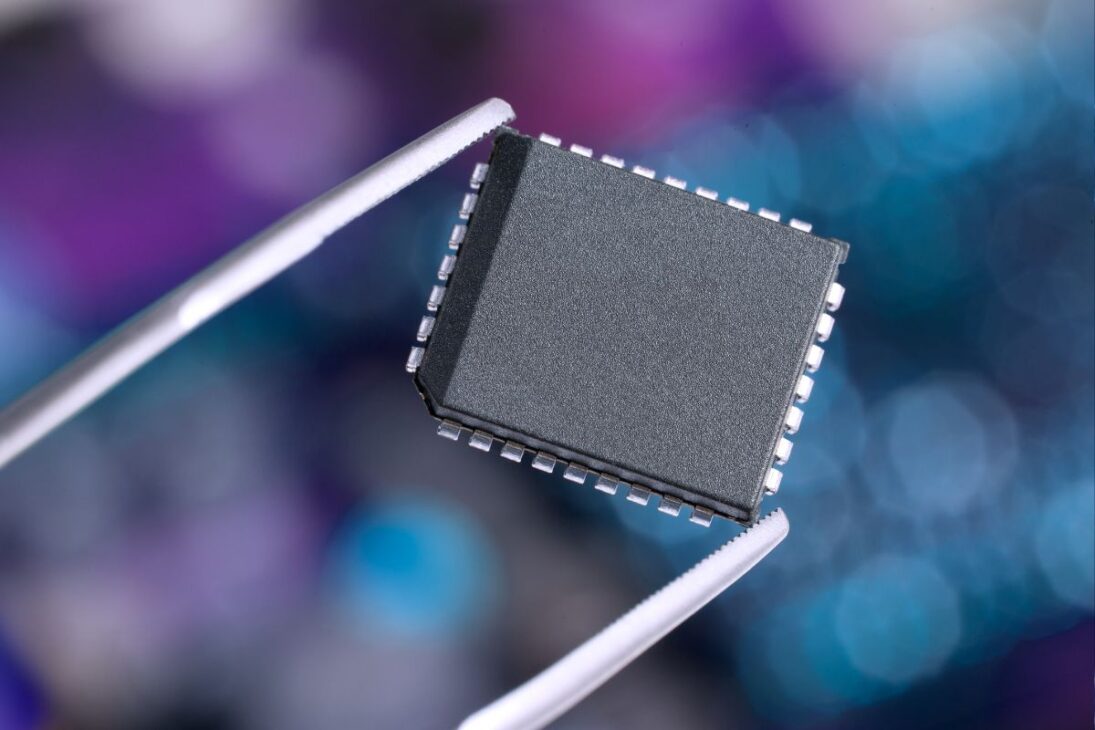
The microchip is nothing more than a tiny circuit that processes information. Kind of like a brain, but electronic. It sits there, hidden, processing commands, controlling systems, storing data… all in milliseconds.
It’s generally made of silicon (the same stuff as sand, believe it or not), and inside it are thousands, sometimes billions, of tiny “switches” that turn on and off constantly to make things happen. It’s like a conversation in binary code — only with 0s and 1s — which it understands better than anyone.
This might sound overly technical, but the idea here is just to show how much this chip is behind practically everything we use in the modern world, especially in the more technological and demanding sectors, like oil and gas.
How It All Began: An Invention That Seemed Like a Joke
The history of the microchip started back in the 1950s, with a touch of genius and a bit of chance. The one who brought this invention to life was engineer Jack Kilby from Texas Instruments. In 1958, while most of the team was on vacation, he stayed in the lab and had the idea of putting all the electronic components into a single piece of semiconductor material.
It seems simple today, but back then it was revolutionary. Shortly after, Robert Noyce, who would become one of the founders of Intel, also developed a similar concept but with improvements. The truth is that these two names are considered the fathers of the microchip. And here’s a curious fact: in 2000, Kilby won the Nobel Prize in Physics for this invention that, without exaggeration, changed the course of technology in the world.
From then on, progress was constant and significant. Chips began to get smaller, more powerful, faster, and of course, more important. Today, they are so valuable that there’s even geopolitical tension because of it. Yes, countries competing to see who can manufacture more and better. It’s almost like the jewels of the 21st century.
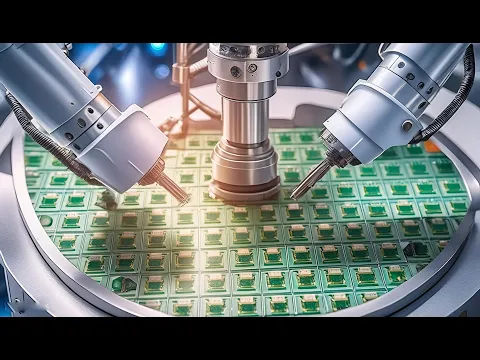

The Role of the Microchip in Industry: The Hero That Nobody Sees
Now let’s talk about the real world, where the gears really turn. If you work in industry, engineering, maintenance, or any field operation, you’ve probably come across equipment that seems to have a life of its own. They make decisions, alert about failures, shut down automatically when something goes wrong… And all this happens because there’s a microchip there, controlling everything.
Let me give you some practical examples just to illustrate:
- Smart Sensors: They identify leaks, pressure or temperature variations in real time. All thanks to the chip that interprets the data.
- Automation: Automated processes, like valve control and industrial robots, are powered by chips that think fast and act even better.
- Accident Prevention: Systems that “know” when to shut down a machine to prevent a tragedy? You can bet there’s a microchip there in command.
In other words, even if it never shows up in the picture, the microchip is what guarantees safety, efficiency, and intelligence of the systems that support the entire modern industry.
A True Story Worth Sharing
Once, I heard about an engineer who had a tense day on an offshore platform. An alarm went off out of nowhere, indicating overheating in one of the compressors. At first, it seemed just a false alarm. Nothing visible. But the monitoring system — equipped with smart sensors — detected a minimal vibration out of the ordinary. The chip processed everything in real time and gave the correct alert.
In the end, they discovered the problem was real and could have caused significant damage. They replaced the part in time and avoided losses. He later said, with a half-smile: “It was a chip of less than R$ 5 that saved the day.” And believe me… he wasn’t exaggerating.
Chip Crisis: Why Did the World Run Out?
Do you remember when, during the pandemic, there was a shortage of chips even to assemble cars? Yes, the semiconductor crisis exposed how the entire world depends on microchips. Factories closed, demand skyrocketed, and production simply couldn’t keep up.
The result? Cell phones, laptops, appliances, cars, and even ventilators were left waiting in line. That’s when many people began to understand the size of the problem: without chips, nothing works. And that’s no exaggeration.
Now, countries are investing heavily to manufacture their own chips and no longer rely so much on Taiwan, South Korea, or the USA. Here in Brazil, we’re still crawling in this sector, but some initiatives are emerging, mainly aimed at national industry.
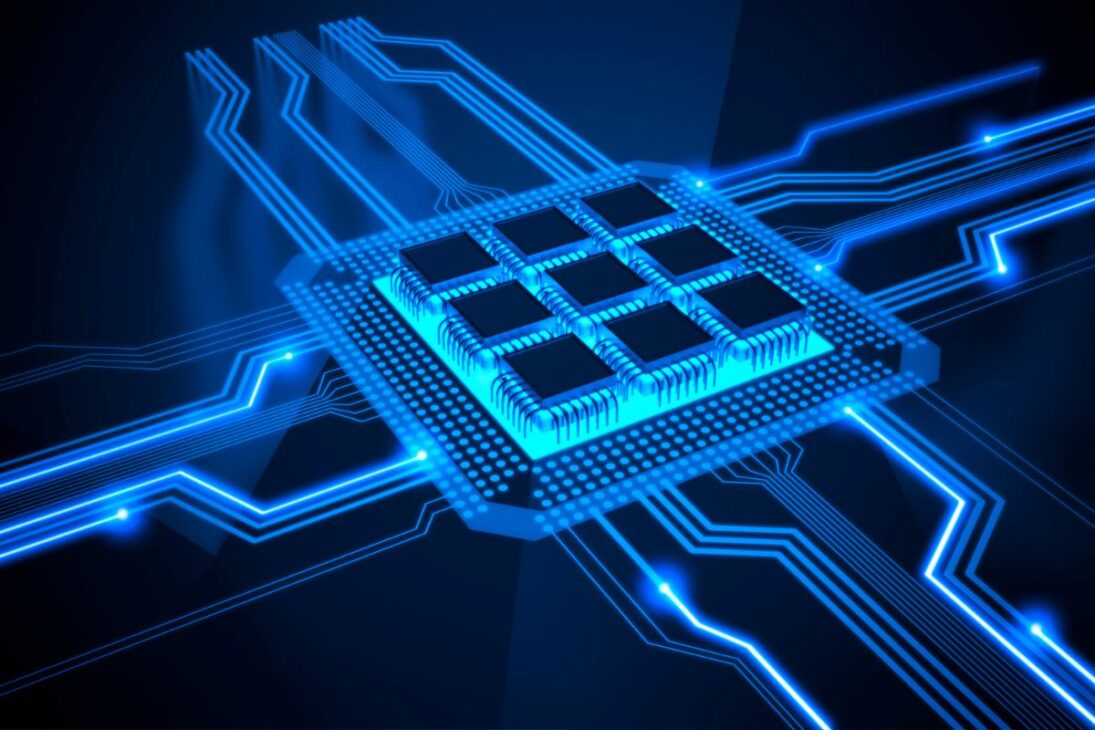
Microchips and the Future: What Comes Next?
If the present is already incredible, the future of microchips promises to be even more revolutionary. There are already “neural” chips that mimic our brains, being used in artificial intelligence. Others are made with nanotechnology and fit inside almost invisible objects.
Can you imagine sensors that are attached to the clothes of field technicians, monitoring vital signs and the environment at the same time? Or drones performing inspections in dangerous locations and making decisions on the spot? This is not science fiction. It is what is already happening — with a chip at the heart of the process.
Comparing the Types of Microchips
| Type of Microchip | Purpose | Where It Appears |
|---|---|---|
| Microcontroller | Control of simple tasks | Appliances, home automation |
| AI Chip | Data processing with artificial intelligence | Industry, medical technology, energy |
| RFID/NFC | Proximity identification | Access control, logistics |
| FPGA | Customization of specific applications | Defense, oil and gas, robotics |
Microchips and Sustainability: Technology That Thinks Green
Have you ever stopped to think about how a microchip can help the planet? Well, besides being smart, it can also be an ally of nature. This is because, with sensors and automated systems, it’s possible to avoid waste, leaks, and unnecessary energy consumption in industries. This all happens in real time, and with great precision.
In a platform, for example, the chip can identify pressure or temperature variations that indicate failures — even before they happen. And when this prevents a stoppage or an environmental accident, those who benefit are not only the company’s wallet but also the environment.
In other words, energy efficiency and process control are very real ways to take care of the planet with technology. And the microchip is at the center of it all!
See Also: Toyota CEO Thinks Corolla Cross Is ‘Dull’ and Promises Radical Changes for the Next Generation
The Microchip Right in Your Routine
We talk a lot about industry, platforms, heavy technology… but what about in everyday life, is the microchip also present? Absolutely! It’s in your credit card for contactless payment, in the sensor that automatically turns on the garage light, in your car’s GPS, in the watch that measures your heart rate while you run… and even in that coffee maker that brews your coffee just the way you like it.
It’s as if it’s in every moment, even if we don’t see it. A silent companion, but essential. It’s more present than it seems.
Microchips and the Future of Work: Concern or Opportunity?
It’s normal to think: “With so much automation, will my job disappear?” This concern makes sense. But the truth is, the microchip didn’t come to take up space; it came to change the way we work.
Yes, some repetitive functions will disappear, but many others are emerging. Operators of automated systems, technicians for industrial sensors, microcontroller programmers… These professions are on the rise and require a new way of thinking and acting.
If you enjoy learning and are open to changes, this transformation could turn into an excellent opportunity for professional growth.
Microchips in Healthcare: A Lifesaving Ally
In healthcare, the microchip performs discrete miracles every day. It’s found in pacemakers, glucose sensors, smart thermometers, cardiac monitors, and even in implantable chips that help track chronic diseases.
Recently, for instance, chips have emerged that can monitor vital signs in real time, sending alerts to doctors and family members. This means more prevention, faster care, and, of course, more lives saved.
In modern medicine, technology and care go hand in hand. And the microchip is one of the great heroes of this silent revolution.
Digital Security and Microchips: Protecting More Than You Imagine
With so many things connected, comes that question: “And my security, how does that work?” The answer comes — again — through microchips. Many of them already come with built-in security layers, like encryption, identity verification, and protection against unauthorized access.
Moreover, special chips help protect industrial systems against invasions, fraud, and sabotage. And when it comes to protecting data, digital identity, or even banking transactions, they are unbeatable allies.
In other words, the same chip that connects also protects. This is technology that truly cares for us.
Curiosities About Microchips
- The first microchip in history had only 4 logic gates. Today, a single chip can have over 100 billion transistors!
- The chip in your phone is more powerful than the computer that took man to the Moon in 1969.
- Modern chips are so small they fit inside dust grains.
- There are microchips being developed with flexible materials that can be folded like paper.
- Some scientists have already created chips inspired by the functioning of the human brain.
Want to Understand More? Here’s Where to Learn About Microchips
If this topic has sparked your curiosity, how about going a little further? I’ve gathered some ideas for you to start exploring more about the world of microchips in a simple and accessible way:
- Channel “Manual do Mundo”: It has amazing videos about electronics and chips explained in a fun way.
- Basic Electronics Course (free on YouTube): Ideal for those who want to understand how chips work in practice.
- Senai and EAD Sebrae: Offer courses on industrial automation and emerging technologies.
- Sites like CanalTech, TecMundo, and Olhar Digital: Always bring updated articles about chips, AI, and innovations.
With the right content, you’ll see how understanding technology can be light and interesting.
Brazilian Companies Innovating with Microchips
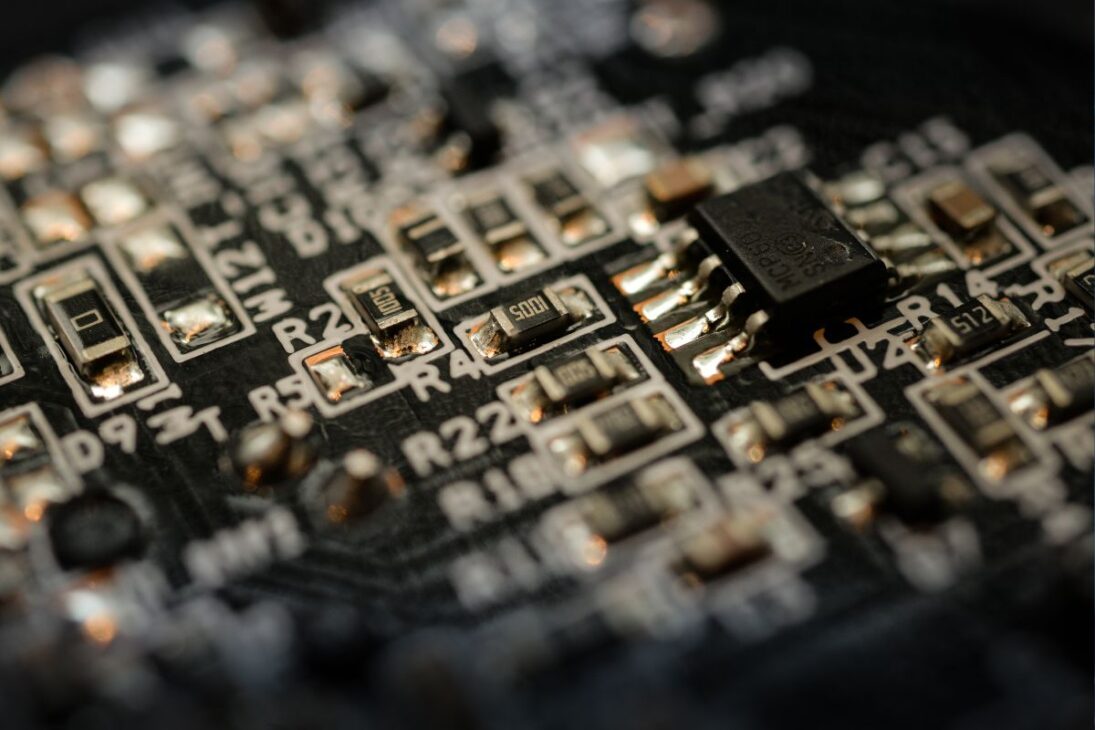
Yes, Brazil is also creating incredible things in this area! Some startups and research centers are developing solutions with microchips in areas like health, logistics, agriculture, and even energy.
For example, a startup from Minas Gerais created sensors with chips that monitor soil moisture in crops and help save water. In the energy sector, companies are using domestic chips to measure consumption in real time and identify electrical spikes or failures.
It’s technology made here, with people from here, showing that innovation also has a Brazilian accent.
Myths and Truths About Microchips
- Microchip controls your mind? Myth! This is still stuff from movies.
- Every phone has a microchip? True. And not just one — usually several, each with a function.
- Microchips can be hacked? True, but with the right security systems, this is becoming increasingly difficult.
- Is it possible to track someone just with the phone chip? Myth. Tracking depends on many other factors besides the chip.
- Microchips can save lives? Absolute truth! In pacemakers, cardiac monitors, alert sensors, and much more.
Microchips and Other Technologies: All Connected
The microchip doesn’t work alone. It’s the link between various other technologies that are transforming the world.
- With AI: Specialized chips in artificial intelligence allow systems to think, learn, and make decisions.
- With 5G: The new generation of mobile internet requires faster and more efficient chips — and they are already arriving.
- With Big Data: The chip processes the data collected by sensors, turning numbers into practical decisions.
- With Cloud Computing: It collects and sends information to the cloud, connecting factories, cities, and even smart homes.
It’s like a big orchestra, where the microchip conducts everything with precision and efficiency.
To Close With a Golden Key
The microchip may be tiny, but its impact is gigantic. It’s behind everything that connects us, moves us, and protects us. Whether in your cell phone or on an oil platform kilometers offshore, it’s there, strong and steady, ensuring everything works as it should. The microchip may seem like just a little piece of silicon, but it carries the revolution of entire sectors on its back.
More than an electronic component, the microchip is an invisible revolution that has changed — and will still change — everything around us. And you know what… understanding this can make a big difference in how you see technology in your daily life, especially if you’re someone who likes to get hands-on.
So tell me: have you ever had a remarkable experience with sensors, automation, or smart chips? Any hassles saved by a clever system? Share with us in the comments; I’d love to hear!
FAQ – Questions About Microchips
It’s a tiny piece of silicon with thousands of digital “switches” that process data and execute commands. Like an electronic brain.
Because they’re in everything: cell phones, cars, industrial machines, medical devices… without them, nothing works properly in the modern world.
Yes! During the pandemic, production couldn’t keep up with demand, and various sectors stopped due to lack of components.
We are still crawling in this. There are already projects and research centers, but most of the chips used here are still imported.
Chips that are smaller, faster, and smarter, connecting everything with artificial intelligence, wearable sensors, and total automation.








-

-

-

-

8 pessoas reagiram a isso.