





 Portuguese
  English
  Spanish
 5 min of reading
  4 comments


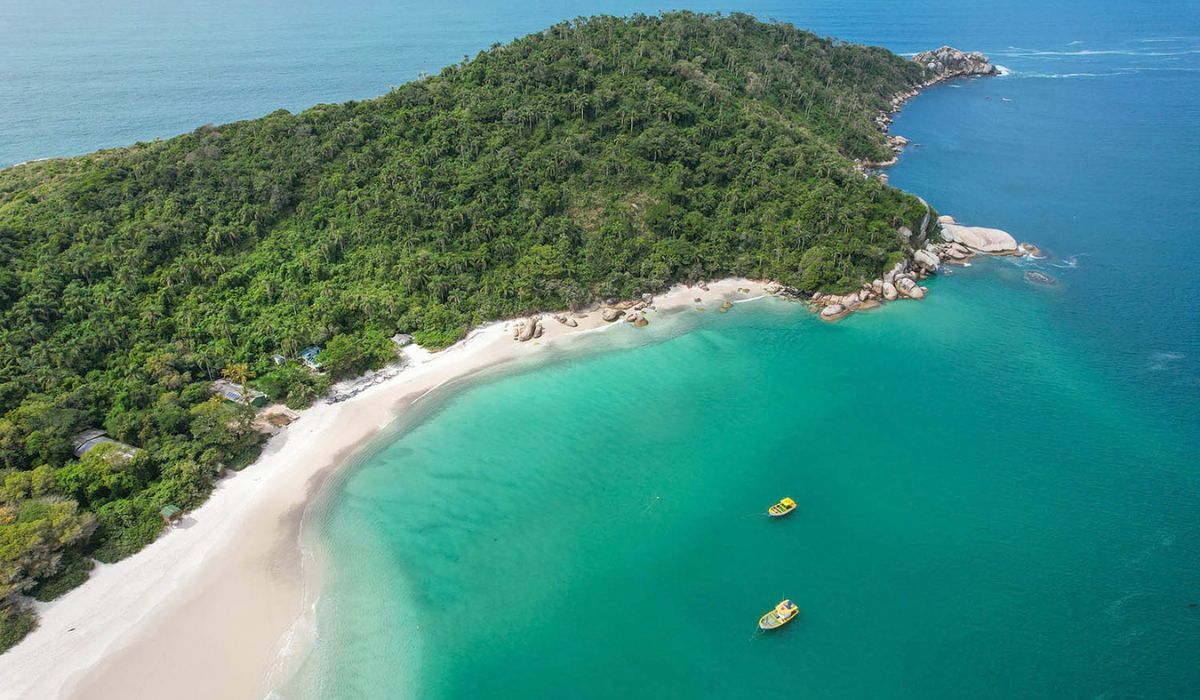


Among Social Indicators, Historical Memory, and Marine Economy, Florianópolis Consolidated a Rare Image Among Brazilian Capitals, Gathering University, Heritage, Mariculture, and Local Tradition in a City That Frequently Ranks High in Quality of Life Surveys.
Florianópolis in Quality of Life Rankings
Florianópolis combines high social indicators, a strong university presence, a fishing tradition, and an economy linked to the sea, factors that help explain why the city frequently appears in quality of life rankings in Brazil.
The capital of Santa Catarina has an HDI of 0.847, the highest among Brazilian capitals in the Human Development Atlas, and ranked 8th among capitals in the IPS Brazil 2025, with a score of 67.91.
In the aging segment, it also ranks among the best-positioned large cities in the country in the Urban Development Index for Longevity, an indicator that measures the preparedness of municipalities for the population aged 60 and over.
-
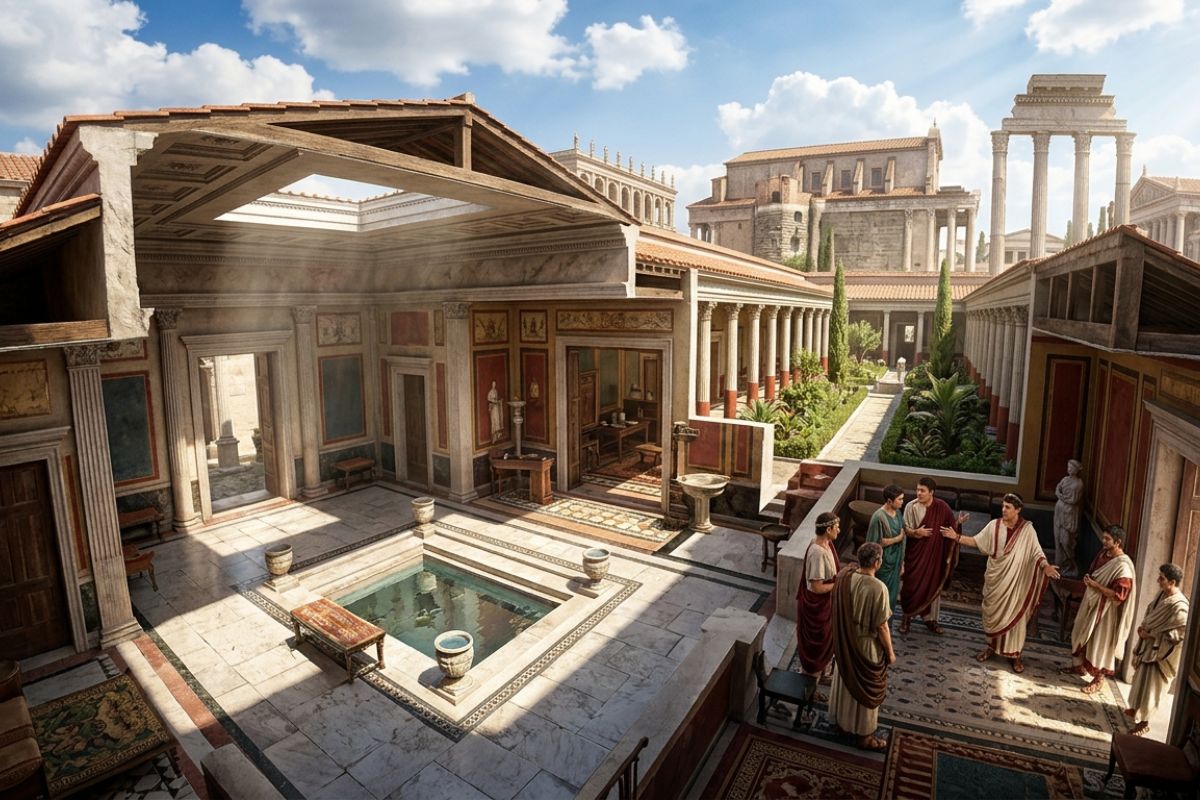
What the Public House of Julius Caesar was like inside in the Roman Forum: layout, atrium with compluvium and impluvium, tablinium and peristyle, and the scandal of the Bona Dea, revealed in an AI recreation.
-
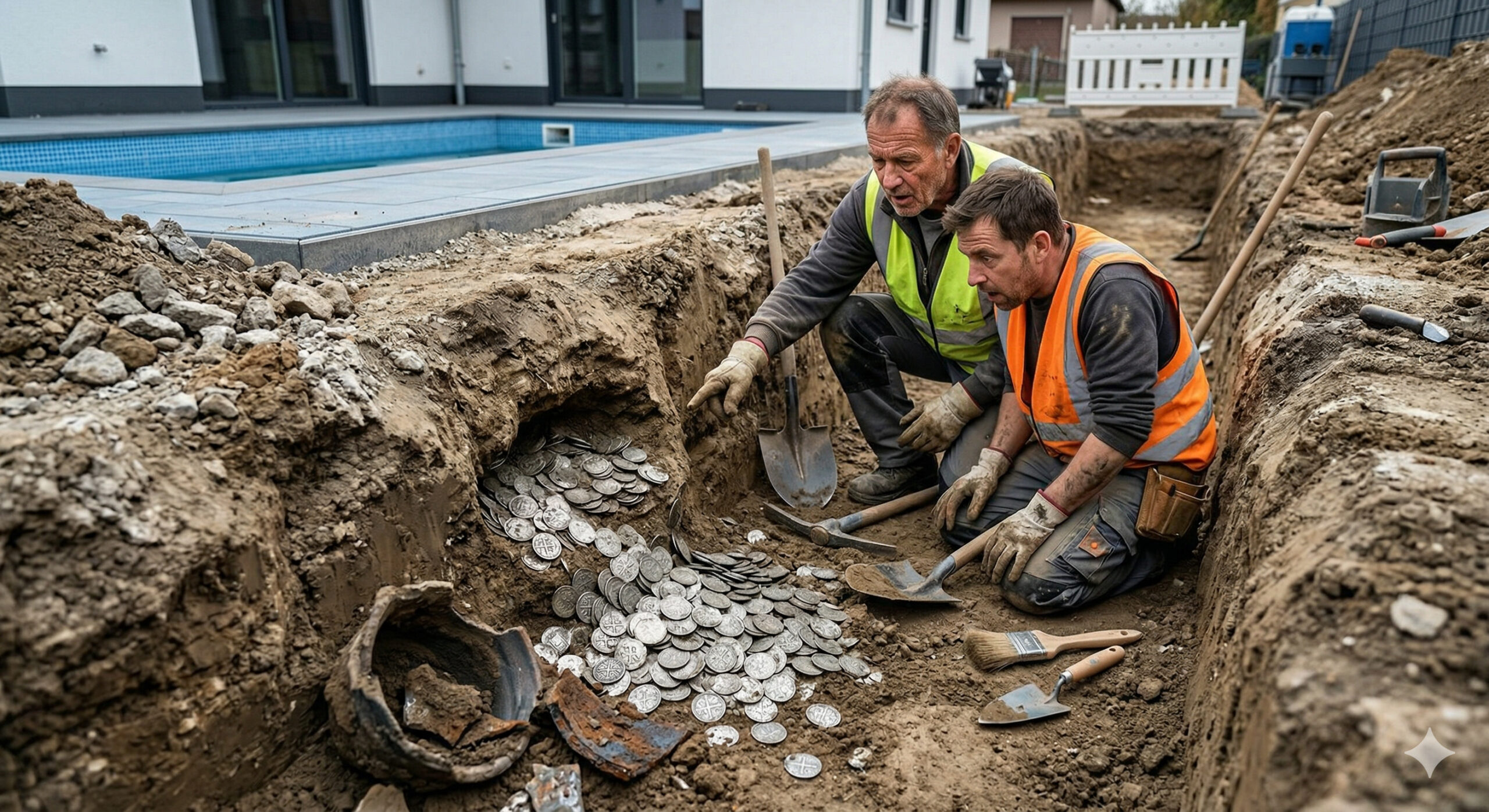
While digging a trench next to a pool in Germany, workers found more than 1,500 silver coins from 1320 in the rubble, revealing a treasure buried for over 700 years.
-
Flight Helios 522, the “ghost” flight with 121 people: the commercial aircraft flew for more than 2 hours on autopilot after a pressurization failure left pilots and passengers unconscious and only stopped when it ran out of fuel.

-
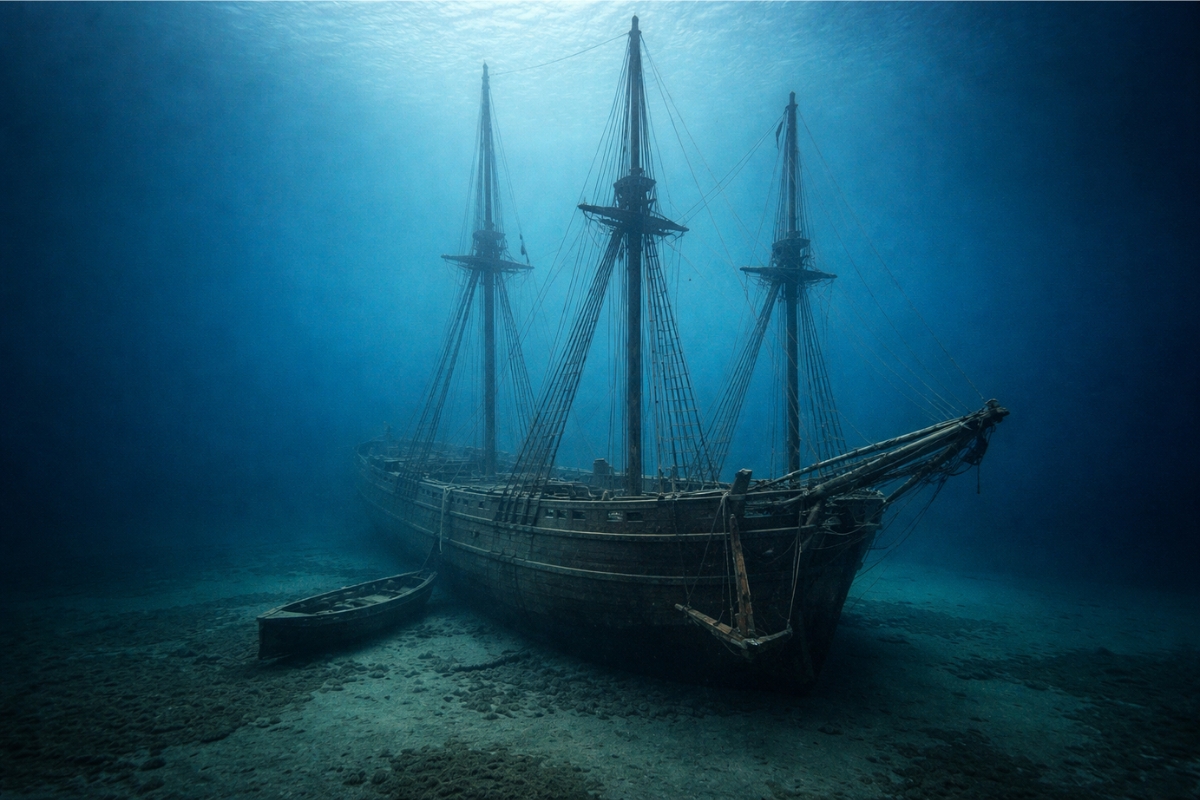
Researchers have located a nearly intact vessel that disappeared 125 years ago on the bottom of icy waters, with masts still preserved and rare details that impress archaeologists.

This combination of factors is not recent.
Over the past decades, the city has consolidated an identity that brings together services, higher education, technology, artisanal fishing, and mariculture.
The social indicators help sustain this position.
The school enrollment rate for ages 6 to 14, for example, exceeds 98%, according to official data from IBGE.

The Story of Saint-Exupéry in Campeche
On the southern part of the island, one of the best-known stories helps explain how Florianópolis incorporated episodes from the past into its local identity.
Between 1929 and 1931, Aéropostale aircraft made stops in Campeche, then used as a landing field on postal routes from South America.
During this period, the French writer and aviator Antoine de Saint-Exupéry was in the region and became associated with the nickname “Zé Perri”, given by local fishermen who adapted the pronunciation of his surname.
Historical records and studies about the neighborhood also mention the pilot’s relationship with local residents.
The memory of this period remains in urban references in Campeche, such as Avenida Pequeno Príncipe and mentions of the old mansion used as a support point for French pilots.
In 2021, this episode returned to public debate when an audiovisual production filmed on the beach recreated the aviator’s presence with a life-sized prop plane.
Hercílio Luz Bridge and the Connection Between Island and Mainland
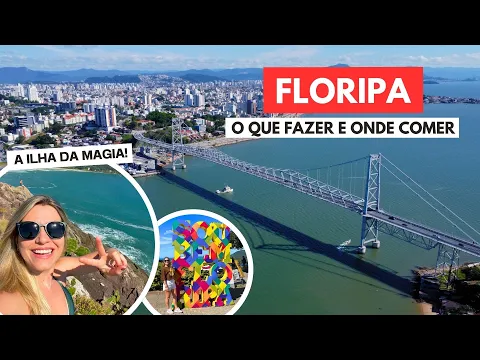
Another landmark of local history is the Hercílio Luz Bridge, inaugurated in 1926.
The structure was built to strengthen the connection between the island and the mainland in a context where geographical isolation fueled discussions about the capital’s permanence in Florianópolis.

With a length of 821 meters, the bridge is considered the largest suspension bridge in the country and preserves a unique eye-bar system recognized by agencies and technical studies as singular.
After being closed for almost three decades due to structural problems, the bridge reopened in December 2019.
Since then, it has reintegrated into the urban routine of the capital, functioning both as a roadway and as a pedestrian area on specific days and times.
Surrounding it, the Parque da Luz and the island’s headland form one of the main tourist attractions in the city.
UFSC, Technology, and Population Aging
The numbers help explain Florianópolis’s visibility, but they do not act alone.
Part of the municipality’s performance is linked to the presence of the Federal University of Santa Catarina, which has contributed to establishing the city as a hub for education, research, and innovation.
Around this academic environment, the capital has developed a technology ecosystem that has increased the weight of services and diversified the local economy.
In the discussion about aging, this scenario gains additional relevance.
The IDL 2023 placed Florianópolis in 4th place among large cities in the country.
In the survey, the municipality stands out in the socio-environmental and health dimension indicators.
According to the study’s methodology, the ranking evaluates the degree of preparation of Brazilian municipalities for an aging population, not limited to income or the size of the hospital network.
Mariculture, Oysters, and Gastronomy in Florianópolis
The city’s relationship with the sea also has economic weight.
Santa Catarina accounts for over 90% of the national production of shellfish, and Florianópolis concentrates a significant part of this activity.
The trajectory of local mariculture has gone through research developed at UFSC and rural extension activities that helped structure the production chain on the Santa Catarina coast.
This activity is directly reflected in gastronomy.
In December 2014, Florianópolis became the first Brazilian city recognized by UNESCO in the Creative Cities of Gastronomy Network.
The recognition is associated with local food culture, oyster farming, the circulation of traditional knowledge, and the presence of Azorean cuisine in shaping the city’s identity.
In practice, this identity appears in neighborhoods like Ribeirão da Ilha and Santo Antônio de Lisboa, where restaurants, producers, and local communities maintain the connection between landscape, work, and food.
The oysters cultivated in the northern and southern bays have become one of the most well-known symbols of the capital, but the island’s cuisine also includes mullet, clam, and other species associated with fishing and seasonality.
What to Visit Beyond the Beaches in Florianópolis
Even for those arriving attracted by the coastline, Florianópolis offers attractions that go beyond the beaches.
The Lagoa da Conceição is home to water sports, bars, and restaurants.
Santo Antônio de Lisboa preserves historical architecture and marks of Azorean settlement.

Meanwhile, the Fortress of São José da Ponta Grossa retains part of the military architecture from the 18th century in the northern part of the island.
Another point of interest is the Campeche Island, which combines natural landscape and archaeological heritage.
Visitation to the site is regulated and follows an ordinary limit of 770 people per day, with a tolerance of up to 800 daily visitors in the high season, according to preservation norms.
The control aims to reduce impacts on the protected area and the existing archaeological sites on the island.





No es capital
O lugar é realmente paradisíaco e com praias maravilhosas; estive lá inúmeras vezes e até cheguei a pensar em comprar um terreno em Jurerê Internacional para construir uma casa de veraneio há muitos anos atrás.
Já percebia naquela época um certo racismo velado (sutil) e o que mais se apresentava como inconveniente para viver naquele paraíso era o alto custo de vida em relação a outros paraísos como no NE e até mesmo como em SP.
Atualmente tenho ido para lá com menos frequência e percebi o quanto ficou desagradável pelo extremo bolsonarismo que tomou conta daquele povo, infelizmente.
Que bom
Nem pagando, com esse povo ****, por não ser loiro de olhos azuis o risco é muito grande, dispenso.