





 Portuguese
  English
  Spanish
  4 min of reading
  0 comments


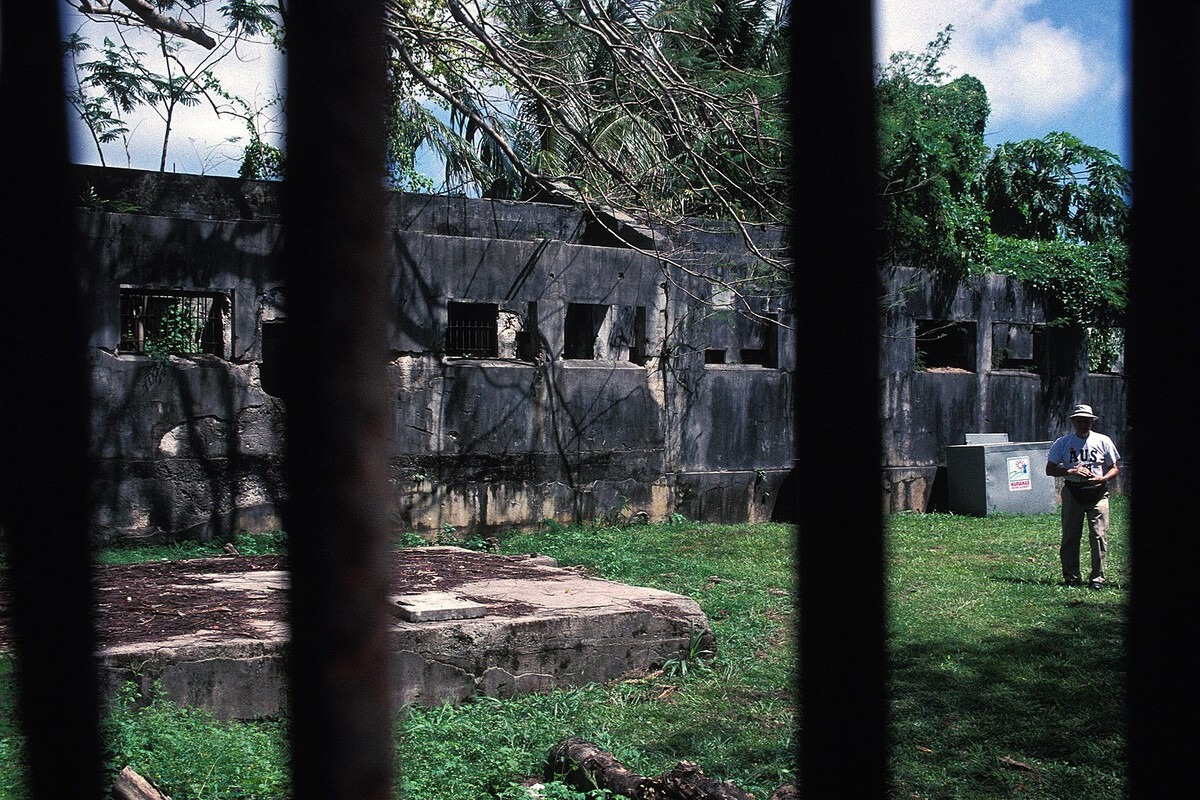
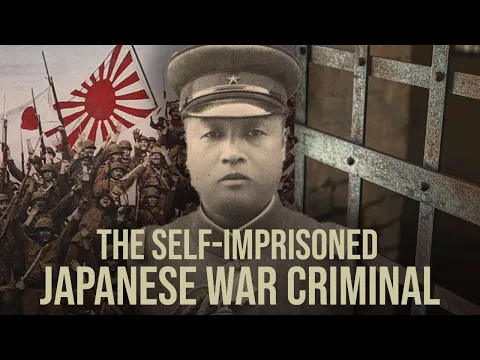
After Commanding Forces in Asia and Being Convicted in 1947, Hitoshi Imamura Chose to Live Voluntarily in a Cell, Influenced Moral Debates in Japan and Maintained a Discreet Role in the Contemporary Japanese Defense Ministry
For decades, the Japanese Ministry of Defense kept an informal advisor, an old general imprisoned for war crimes, who received officials in a cell built in his own garden, symbolizing guilt, discipline, and historical responsibility in post-war Japan.
An Ascent Shaped by Family Need
Hitoshi Imamura was born in 1886 in Sendai, into a family with military and legal traditions, initially directed toward the judiciary, until the death of his father drastically changed his fate.
To support his family, he entered the Imperial Japanese Army Academy, graduating in 1907 and beginning a trajectory marked by rapid promotions and internal recognition for strategic competence.
-
How an innovative city combines high technology, well-being, and sustainability to become the largest reference in clean energy on the planet.
-
Couple buys 1846 church in ruins for R$ 660,000, invests R$ 3.2 million in renovations, transforms it into a millionaire mansion, and even preserved a historic cemetery with over 300 graves.

-
He started running at 66 years old, broke records at 82, and is now a subject of study for having a metabolic age comparable to that of a 20-year-old, in a case that is intriguing scientists and inspiring the world.

-
Oldest tree on the planet reappears after 130 years of searches: Wattieza, 385 million years old, was 10 meters tall and had no leaves or seeds; Gilboa fossils in New York solved the mystery in 2007.


He was promoted to lieutenant in 1910, captain in 1917, and major in 1922, consolidating a meteoric career sustained by positive evaluations and increasingly complex missions.
During this period, he served as a military attaché in England and British India, experiences that broadened his strategic and diplomatic vision in distinct international settings.

Campaigns in China and Southeast Asia
During the Second Sino-Japanese War, Imamura commanded the 5th Division of the Imperial Japanese Army in China, participating in significant operations within the expansionist strategy of the period.
In the Pacific War, he took command of the 16th Army during the invasion of the Netherlands East Indies, facing logistical and military challenges early on.
Even after losing his transport in the Battle of the Sunda Strait, he managed to reorganize forces and maintain the offensive, demonstrating adaptability in adverse scenarios.
Imamura sought cooperation with Indonesian nationalist leaders like Sukarno and Mohammad Hatta, adopting moderate policies toward the local population.
In Java, he promoted economic recovery, industrial restoration, and avoided widespread expropriations, measures that reduced social tensions and secured him significant support from civil sectors.
This conciliatory stance contrasted with stricter orders from the Japanese high command, resulting in formal reprimands and increasing isolation within the military hierarchy.
Even under pressure, Imamura threatened to resign if forced to harden the occupation, maintaining principles that distinguished him but also limited his strategic internal influence.

Military Isolation and the Collapse of the Empire
In 1942, he was promoted to command the 8th Area Army, responsible for operations in New Guinea and the Solomon Islands, with headquarters established in Rabaul.
From there, he faced naval and aerial blockades imposed by the United States, attempting to sustain defenses as resources and communications became increasingly scarce.
Despite the progressive isolation, Rabaul remained under Japanese control until the country’s surrender in 1945, a result of a prolonged defensive strategy.
With the end of the war, Imamura surrendered to Australian forces along with Vice Admiral Jinichi Kusaka, ending his active military service.
Trial, Conviction, and Penitence
Imamura was accused of war crimes for failing to prevent atrocities committed by troops under his command, including executions of Allied prisoners in widely documented episodes.
Among them, the so-called “Pig Basket Atrocity” stood out, when prisoners were thrown overboard in bamboo cages, a practice that marked his trial.
In 1947, he was tried by an Australian military tribunal in Rabaul, took responsibility, and requested expedited proceedings to accelerate other pending cases.
Convicted to ten years in prison, he refused appeals and requested transfer to Manus Island with subordinate soldiers, an attitude that surprised Allied authorities.
His behavior caught the attention of General Douglas MacArthur, who considered him a rare practical example of the principles of bushido in the post-war period.
Released in 1954, Imamura adopted an unusual gesture: he built a replica of the prison cell in his garden and began to live in it voluntarily.
He remained in that space until his death in 1968, turning self-penitence into a public symbol of moral responsibility for the actions that occurred under his historical command.
Memory, Reparation, and Final Legacy
In his later years, he dedicated himself to writing memories about the war, donating all profits to the families of Allied prisoners executed during the conflict.
He also publicly defended colleagues accused of incompetence and acted as a discreet advisor to the Ministry of Defense, receiving official visits in his home cell.
Imamura’s trajectory combines military competence, command failures, and a unique quest for redemption, leaving a legacy marked by contradictions and persistent ethical reflection.
With information from Xataka.






-

2 pessoas reagiram a isso.