





 Portuguese
  English
  Spanish
  6 min of reading
  13 comments


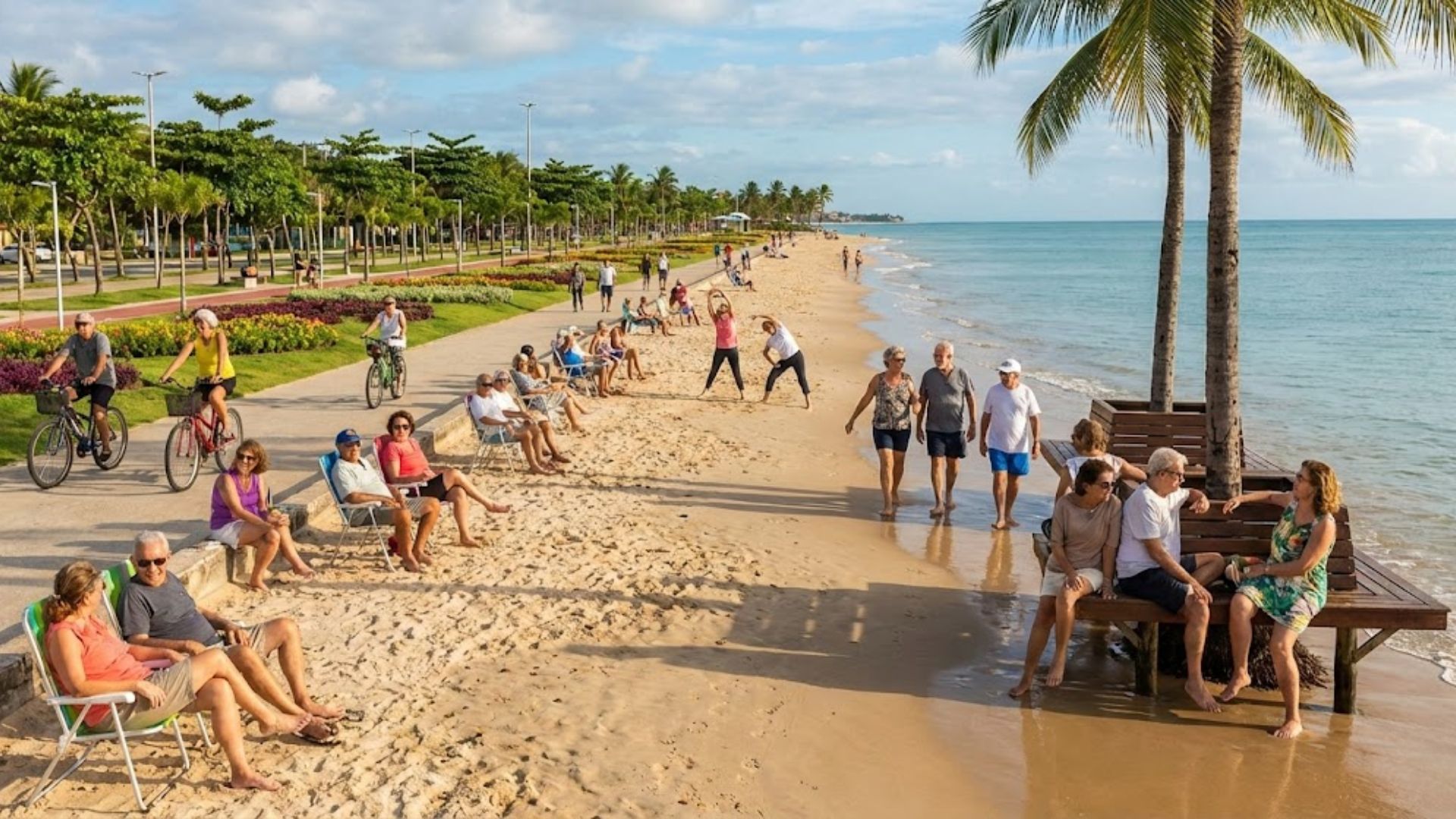


Demographic Data, Historical Landscaping, and International Recognition Highlight the Coastal City of São Paulo in the Baixada Santista, with an Expressive Concentration of Centenarians and One of the Largest Linear Green Areas in the World Integrated into the Urban Sandy Strip.
Santos, on the coast of São Paulo, features one of the largest urban gardens in the world by the sea and presents a relevant demographic datum in the regional context: 107 residents aged 100 or older, according to 2022 Census data used in local surveys in the Baixada Santista.
The same dataset indicates that 91 are women and 16 are men, making the municipality the one with the highest number of centenarians in the region.
The survey further indicates that the Baixada Santista totals 230 individuals who have surpassed the century mark, with Santos accounting for almost half of this total.
-
The Argentine government celebrates the lowest poverty rate in 7 years, but experts warn that the methodology has changed, real wages have fallen, unemployment has risen, and the number of people on the streets of Buenos Aires has increased by 57% since Milei took office.

-
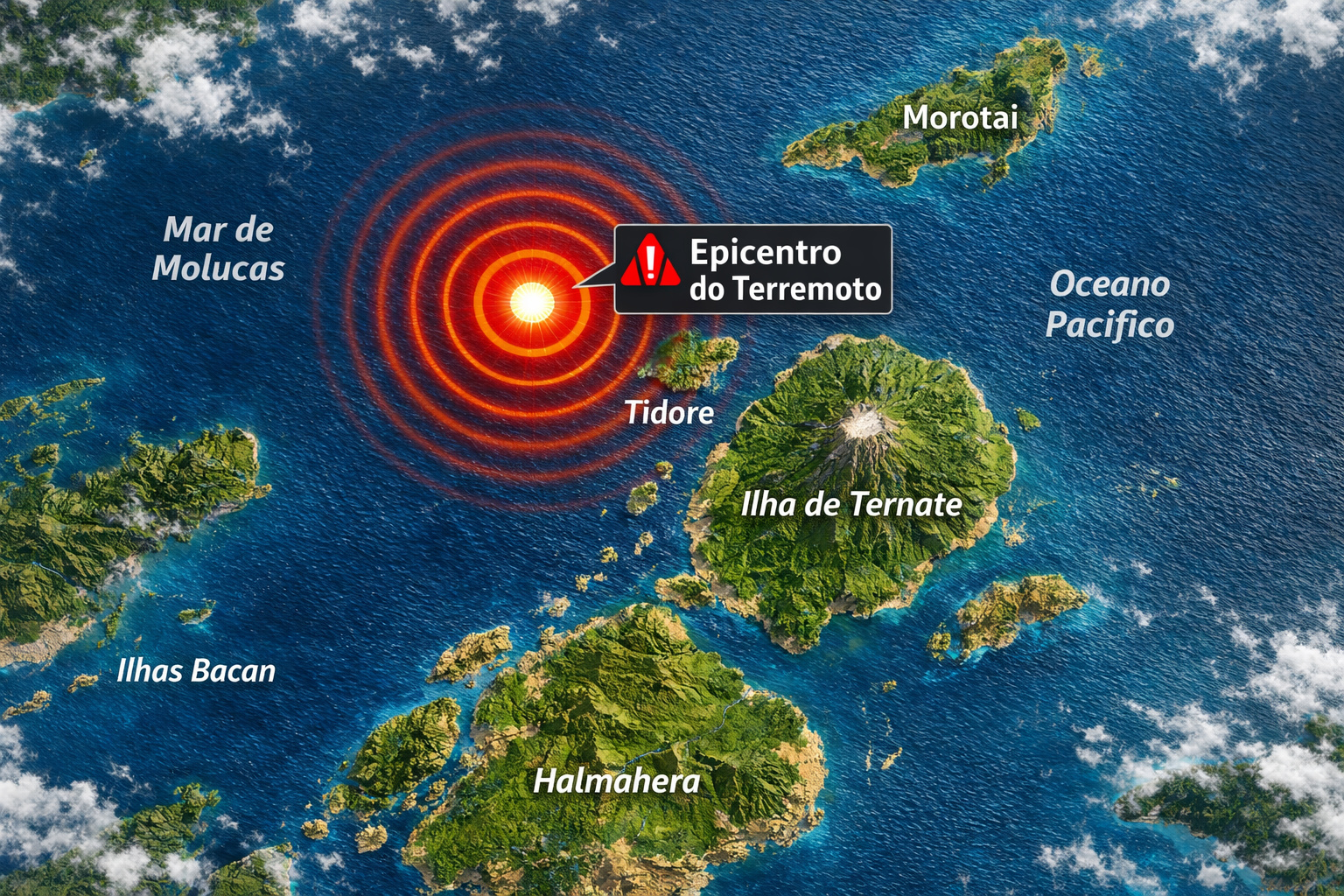
7.8 magnitude earthquake in Indonesia frightens the population, triggers tsunami alert, and hits an island with over 200,000 inhabitants this Thursday.
-
Google will finally let you change that embarrassing Gmail address you created in your teenage years without losing any accounts, logins, or old emails: the feature is already available in the United States.

-
Heading to Brazil in a Bonanza F33 single-engine aircraft: a couple departs from Florida on a visual flight, makes technical stops in the Caribbean to refuel and organize paperwork, and begins the staged crossing until they reach the country.


The difference compared to other nearby cities is noted in regional publications that analyze data by municipality, although the Census does not detail, in consolidated public documents, the causes associated with this age distribution.
In addition to the population profile, Santos is home to the Garden of the Shore, an area internationally recognized as the largest beach garden in the world.
The landscaping extends along the sandy strip for 5,335 meters, with a total area of 218,800 m², integrating the waterfront with the urban fabric.
Distribution of Centenarians in the Baixada Santista
The numbers attributed to the 2022 Census show that Santos leads the regional ranking of centenarian residents.

The predominance of women among individuals aged 100 or older follows a pattern observed in broader demographic statistics, according to recurring analyses by population research agencies, which indicate a higher life expectancy among women in Brazil.
Despite this, the available data does not detail specific factors that explain the concentration of centenarians in the municipality.
Information on income, access to health services, or lifestyle habits does not appear in a detailed manner in this dataset, which limits broader conclusions based solely on absolute numbers.
Even so, the data stands out as it pertains to an urban and densely populated municipality, unlike smaller locales that tend to be featured in studies on population aging.
The regional comparison, based exclusively on the count of residents aged 100 or older, reinforces the statistical uniqueness of Santos within the Baixada Santista.
Origin and Planning of the Garden of the Shore
The formation of the Garden of the Shore is directly linked to the urbanization process of Santos in the early 20th century.
The project is associated with the sanitary engineer Saturnino de Brito, responsible for urban studies proposing structural interventions in the city, including the greened occupation of the area near the beach.
Historical records indicate that as early as 1914, Saturnino de Brito presented studies predicting the creation of contiguous green areas along the waterfront.
There are also references to a 1910 plan in which this idea already appeared, although the project only began to materialize decades later.

The effective execution began in 1936, with the implementation of the first sections.
In the following years, the space was gradually expanded, following urban expansion and the city’s infrastructure needs.
The consolidation of the garden occurred throughout the 20th century, in different phases, according to historical records from the municipality.
Urban and Landscape Transformations Throughout the Century
Between the late 1940s and the end of the 1950s, the waterfront began to receive urban facilities that expanded the use of the space.
During this period, fountains, lifeguard stations, and the Municipal Aquarium were installed, mentioned in historical records as part of the process of enhancing the area’s tourism appeal.
Over time, the landscape design was also modified.
Documents and local reports indicate that between the 1970s and 1990s, the garden beds had a predominantly geometric layout.
Subsequently, the design underwent adjustments and adopted more curved lines, in line with interventions such as the implementation of the bike path along the waterfront.
These changes reflect different urban concepts adopted throughout the century, without losing the central characteristic of the space.

The continuity of the garden along the coastal strip remained a structuring element of the urban landscape.
International Recognition and Dimensions of the Largest Beach Garden in the World
The Garden of the Shore in Santos gained international prominence in 2002, when it was recognized by the Guinness World Records as the largest beach garden in the world.
The certification took into account the continuous length of the garden, its total area, and the average width along the waterfront.
According to the records associated with this recognition, the garden has 5,335 meters in length, a width between 45 and 50 meters, and a total area of 218,800 m².
These figures are the most cited in institutional materials and reports on the topic and continue to serve as a reference in the city’s tourist promotion.
Although the Guinness title is frequently mentioned, the municipality also utilizes this data in promotional efforts for the waterfront as a landscape and urban heritage.
Vegetation, Garden Beds, and Monuments Along the Waterfront
Surveys released by the municipal administration and local reports indicate that the Garden of the Shore comprises about 1,300 garden beds and approximately 1,800 trees, distributed along the more than five kilometers of extension.
The vegetation includes ornamental species such as dracaenas, daisies, and white crinums, in addition to palm trees and shade trees.
The space also hosts dozens of monuments and historical landmarks.

Among them, there are tributes to personalities connected to the history of the city and the country, such as Saturnino de Brito and Santos Dumont.
The exact number of monuments varies according to the criteria adopted in each survey, but municipal publications typically cite around 38 structures of this type.
The maintenance of the garden is continuously carried out, with the replacement of species and landscaping care according to climatic conditions and the natural wear of green areas, according to institutional information from the City Hall.
Urban Use, Tourism, and Aging Population
The waterfront of Santos concentrates a significant portion of the daily circulation of residents and visitors.
Walking, using the bike path, and spending time in resting areas are part of the routine observed throughout the day, according to recurring descriptions in reports about the city.
In the discussion about population aging, the concentration of centenarians is often associated, in expert analyses, with multiple factors such as access to services, urban conditions, and historical demographic characteristics.
In the case of Santos, however, the available data is limited to population counting, without establishing direct cause-and-effect relationships.
The combination of a large public space, consolidated urban infrastructure, and demographic data above the regional average places the municipality at the center of discussions about aging in urban coastal areas.
Based on these numbers and the city’s configuration, what other indicators could help understand how Brazilian municipalities are dealing with the advancement of the elderly population?








Que chato, uma matéria sobre Santos ilustrada com uma foto de praia da Paraiba. Desnecessário.
Fake
lugar maravilhoso, um verdadeiro paraíso.
Onde fica este paraíso?