





 Portuguese
  English
  Spanish
  4 min of reading
  6 comments


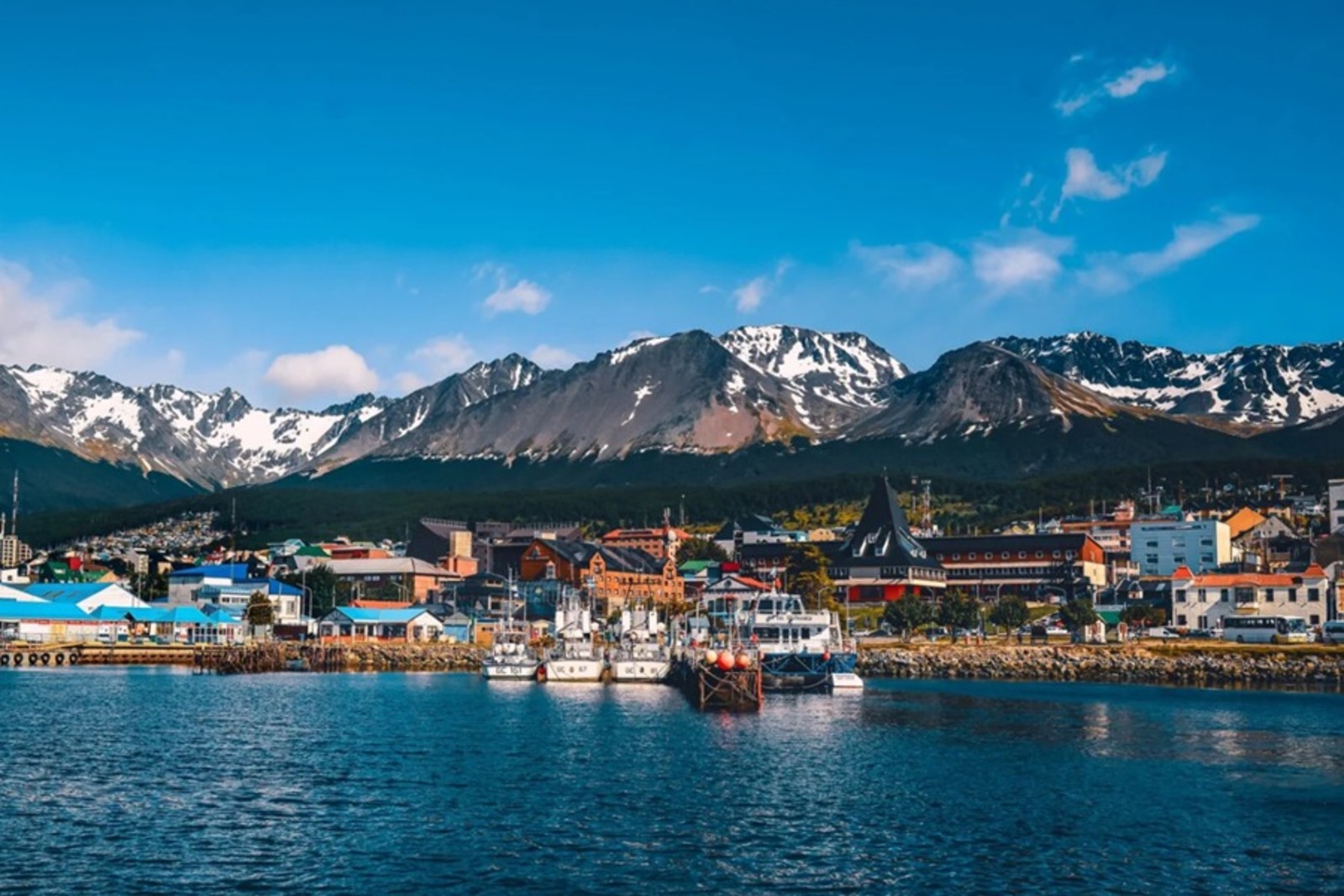


Ushuaia Receives Brazilians With Flights of Six to Seven Hours, Trails in Tierra del Fuego National Park, Boating in Beagle Channel and Weather That Varies From -10°C to Long Periods of Sun
The city of Ushuaia, Argentina, registers flights of 6 to 7 hours from São Paulo and offers trails, boating, and temperature variations from -10°C to 18 hours of sunlight in season.
Ushuaia attracts Brazilian visitors because it offers direct flights from São Paulo lasting 6 to 7 hours, features remote landscapes in Tierra del Fuego, and has attractions spread among mountains, lakes, and the Beagle Channel throughout the year.
Tierra del Fuego National Park Is One of the Main Attractions of the City
Tierra del Fuego National Park features trails like the Senda Costera, which skirts along the Beagle Channel and allows for observing foxes, beavers, and lenga forests.
-
The institute that trained the greatest aerospace engineers in Brazil has just opened its first campus outside São Paulo after 75 years: ITA Ceará will have R$ 445 million, new courses in energy and systems, and classes are expected to start in 2027.

-
Luciano Hang, owner of Havan, goes to Juiz de Fora after the tragedy in February, brings R$ 1 million, hands out R$ 2,000 cards, and donates up to R$ 15,000 to victims in the region.

-
The Brazilian passport allows legal residence in dozens of countries without the need for a prior visa, and most Brazilians are unaware that they can apply for residency directly upon arriving in nations in South America, Africa, and even Europe.
-
Petrobras sends a message to Brazilian truck drivers after fuel collapse and reveals plan to have 100% domestic diesel.


This route also promotes direct contact with preserved areas without altering local data.
Boat tours present the Island of Wolves, home to sea lions, and continue to the Les Eclaireurs Lighthouse, a popular spot for photos.
The route helps visitors understand the maritime dynamics of the region and its tourist relevance.
The End of the World Train travels through former areas used by prisoners and crosses snowy woods in winter or flower-filled meadows in summer.
This activity provides straightforward access to regional history and complements varying levels of adventure.


Martial Glacier and Esmeralda Lagoon
The Martial Glacier and Esmeralda Lagoon broaden outdoor options, allowing for hiking in cold settings or longer trails during stable periods.
Each area reinforces the natural conditions that characterize the extreme south.
Between December and February, temperatures range from 10°C to 15°C during the day, with nights at 5°C and up to 18 hours of sunlight.

In winter, from June to August, temperatures reach -2°C to 5°C, with a wind chill of -10°C caused by winds.
Cultural experiences include fresh king crab and visits to the End of the World Museum, which presents the history of the Yámana and the colonizers, concluding the range of activities shaping local tourism.
More About the City and Why It Got the Nickname End of the World
Ushuaia has solidified the nickname “End of the World city” due to its extreme geographical position, located in the south of Argentina, along the Beagle Channel, about 3,200 km from Buenos Aires and near the Fuegian Andes.
The title is not just symbolic: it is the southernmost city on the planet with a consolidated urban structure, a permanent population, and complete services.
The origin of this nickname is linked to 19th-century European navigation, when the region was seen as the last inhabited point before the Antarctic routes.
The isolation, constant winds, and harsh climate reinforced the image of a territory distant from major centers, a perception that remains today as a local identity mark.

Officially founded in 1884, Ushuaia’s development was strongly influenced by the establishment of a prison in the early 20th century, a strategy adopted by the Argentine state to occupy and ensure sovereignty in Tierra del Fuego.
Prisoners were used in the construction of roads, public buildings, and in logging, forming the initial basis of urban infrastructure.
Today, the city is home to about 75,000 residents and serves as a gateway for scientific and tourist expeditions to Antarctica, as well as concentrating activities related to fishing, logistics, light industry, and services.
The port of Ushuaia is one of the busiest in the southern hemisphere for polar cruises.
Despite its high latitude, Ushuaia maintains an active urban life year-round, with schools, universities, hospitals, and a regular cultural calendar.
The contrast between daily routines and the extreme natural landscape contributes to the fascination exerted on visitors.
More than just a tourist slogan, the nickname reflects a concrete combination of location, history, climate, and human occupation.
Ushuaia not only marks the southern limit of the continent but also symbolizes the capacity for adaptation and permanence in one of the southernmost inhabited environments in the world.
With information from Correio do Estado.









Ushuaia é um sonho. O passeio pelo canal de Beagle, o antigo presídio, o passeio de trem, as paisagens…. Tudo é espetacular! Encanta os olhos ver as cordilheiras com os picos nevados❤️❤️
Passei 8 dias vendo a neve cair em Ushuaia. Voltei encantada! Os fueguinos (habitantes nativos), são pessoas adoráveis. Filmei e fotografei, mas nada captura a magia desses momentos.
Meu sonho, é visitar Ushuaia. É muito linda!