





 Portuguese
  English
  Spanish
  6 min of reading
  1 comment


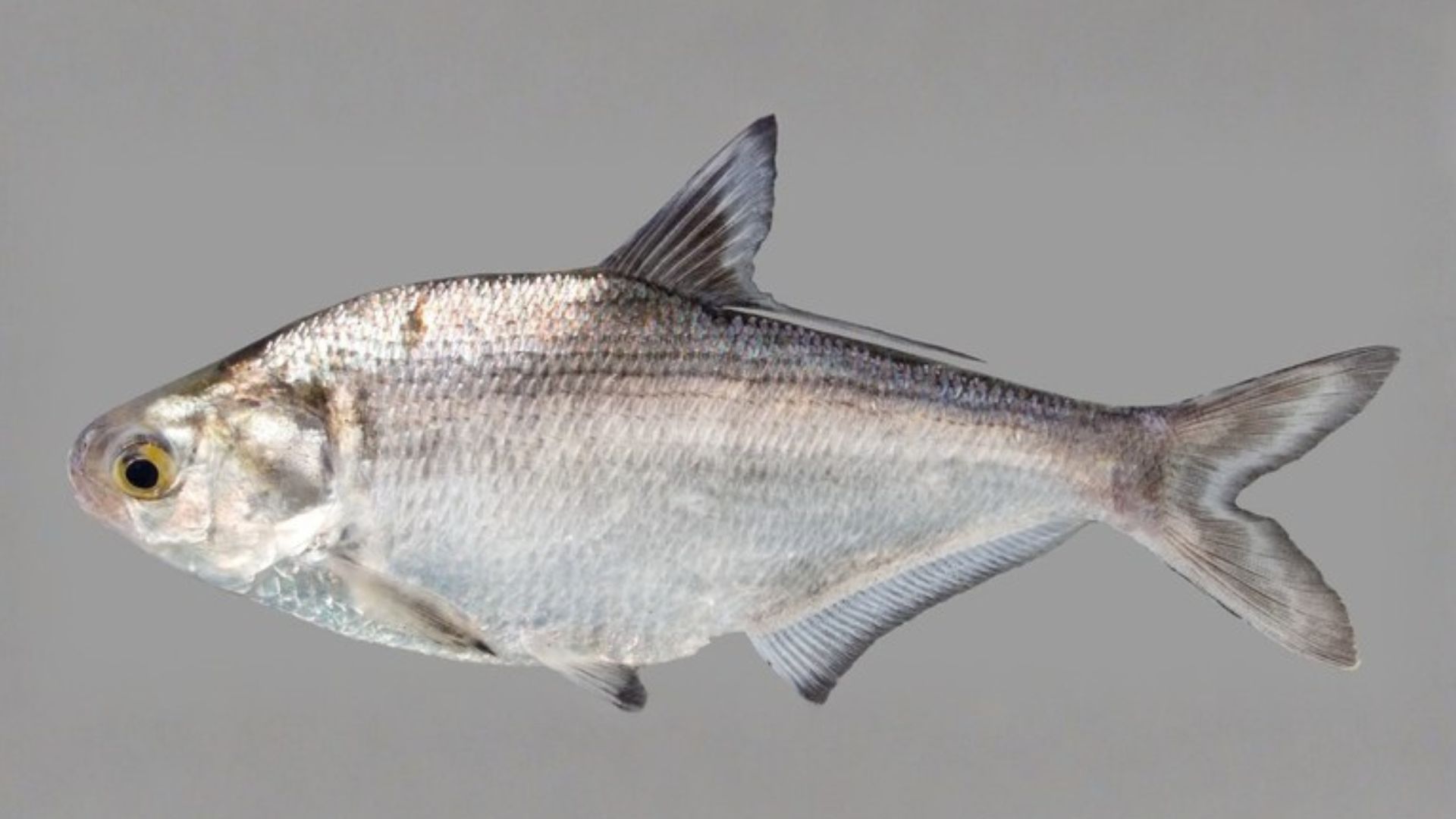


Abundant Fish In Reservoirs Can Recycle Nutrients From Sediment To The Water Column And Sustain The Productivity Of Microscopic Algae. Feeding Routine On The Bottom And Excretion Of Soluble Compounds Helps To Explain Why Some Lakes Remain Murky And Difficult To Stabilize.
In Many Freshwater Reservoirs And Lakes, The Loss Of Transparency Is Often Attributed To Rain, Erosion, Wind, And Nutrient-Laden Runoff From The Watershed.
However, There Is A Biological Component Capable Of Maintaining The Productive System Even When The Main “Factory” Of Nutrients Seems To Be At The Bottom: The Gizzard Shad, Dorosoma Cepedianum, An Abundant Fish In Impounded Environments That Can Function As A “Silent Pump,” Transferring Nutrients Associated With Sediment To The Water Column And Helping Sustain The Growth Of Microscopic Algae.
Ecological Engineering And Nutrient Cycling In Reservoirs
The Mechanism That Sustains This Dynamic Does Not Depend On A Rare Event Or An Exceptional Behavior.
-
He started running at 66 years old, broke records at 82, and is now a subject of study for having a metabolic age comparable to that of a 20-year-old, in a case that is intriguing scientists and inspiring the world.

-
Oldest tree on the planet reappears after 130 years of searches: Wattieza, 385 million years old, was 10 meters tall and had no leaves or seeds; Gilboa fossils in New York solved the mystery in 2007.

-
A 48-square-meter house assembled in hours with 4,000 bricks made of recycled plastic that does not absorb moisture, has natural thermal insulation, and costs less than 90,000 reais in a complete kit.

-
Luciano Hang revealed that Havan’s air fleet has already accumulated more than 20,000 landings, 10,000 flight hours, and 6 million kilometers traveled, and he says that without the planes, the company would never have grown so quickly.


It Relies On Daily Feeding And Excretion Routines, As Described In Technical Summaries And Scientific Studies On Nutrient Cycling, In Which The Species Appears As A Piece Connecting Two Worlds Of The Same Body Of Water: The Bottom, Where Debris And Fine Particles Accumulate, And The Water Above, Where Phytoplankton Multiplies When It Encounters Available Nutrients.
Gizzard Shad (Dorosoma Cepedianum) And The Muddy Bottom Habitat
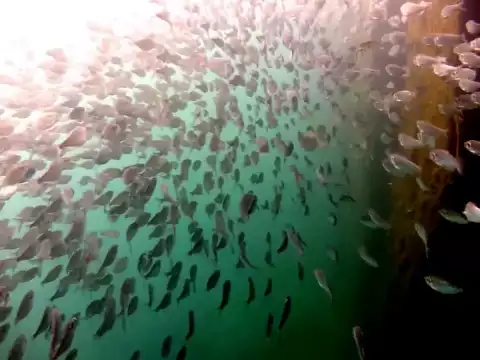

The Gizzard Shad Belongs To The Group Of Freshwater “Shads” In The Clupeidae Family, And Profiles From The United States Geological Survey (USGS) Describe A Fish With A Relatively High And Compressed Body, Blunt Snout, And Small Mouth, With A Functional Characteristic That Draws Attention In Reservoir Ecology: Highly Numerous Gill Rakers Used To Retain Tiny Organic Particles While Feeding.
This Anatomy Favors The Utilization Of Fine Material And Debris, Allowing The Species To Explore Resources That Spread Throughout The Environment And, In Fertile Systems, Sustain Very Large Populations.
The USGS Describes The Gizzard Shad As Common In Large Rivers, Reservoirs, Lakes, And Flooded Areas, Including Environments Ranging From Clear Water To Water With High Suspended Sediment.
The Same Technical Profile Defines As Particularly Favorable Habitats Warm, Fertile, Shallow Water Bodies With Soft Mud Bottoms, Furthermore Noting That, Under Low Predator Pressure, These Systems Can Favor Superpopulations, Impacting The Ecosystem’s Functioning.
Feeding On Sediment And Volume Of Material Processed
Feeding Helps To Explain Why The Fish Fits So Well In Environments With Soft Bottoms.
According To The USGS, The Gizzard Shad Acts As A Particle Filter, Concentrating Food In A Pharyngeal Organ Associated With The Swallowing Process, And Also Feeds Heavily On Debris Found In The Bottom Sediments.
A Highlighted Fact In The Profile Is The Volume Of Sediment Consumed: Adult Individuals Can Ingest An Average Equivalent To 13% Of Their Own Wet Weight In Dry Sediment Per Day, A Figure That Illustrates How Much The Bottom Can Be “Processed” By A Large Population.
Nutrients From The Bottom In The Water Column And Stimulation To Algae

What Enters As Sediment And Debris Does Not Remain In The Fish In The Same Form.
By Digesting Part Of The Organic Material Associated With The Particles And Then Excreting Nitrogenous And Phosphorus Compounds In More Soluble Forms, The Gizzard Shad Can Transform Nutrients Originally “Stored” In The Bottom Into Nutrients Available In The Water, Where Algae And Cyanobacteria Can Absorb Them Quickly.
The Description Of This Pathway, Focusing On The Translocation Of Nutrients From Sediment To Phytoplankton, Appears In Research Measuring Excretion Rates And Comparing The Flow Produced By The Fish With The Nutrient Demand From Primary Producers.
Study In Ecology And The “Pump” Of Nutrients In Productive Lakes
A Study Published In The Scientific Journal Ecology Quantified Precisely This Role In Reservoirs Along A Productivity Gradient Linked To Land Use In The Watershed.
In The Research, The Authors Measured Rates Of Nitrogen And Phosphorus Cycling By Gizzard Shad, In Addition To Comparing This Flow With The Demand From Phytoplankton, Using Data From Seven Lakes Over Four Years.
The Work Records That The Species Primarily Feeds On Sediment Debris And Excretes Nutrients Derived From Sediment Into The Water Column, Mediating A Translocation Between Habitats That Helps Regulate Primary Production.
The Results Show That This “Pumping” Can Be Large Enough To Sustain A Considerable Fraction Of Algal Production In Productive Systems.
In The Set Of Four Lakes With Strongly Agricultural Watersheds, Defined In The Study As Locations Where The Agricultural Area Exceeded 78%, The Gizzard Shad Sustained An Average Of 51% Of Phytoplankton’s Primary Production, With Variability Recorded Between 27% And 67%.

In Three Relatively Less Productive Lakes, With More Forested Or Mixed Watersheds, The Estimated Average Support Was 18%, With Variability Between 14% And 23%, Indicating That The Importance Of Translocation By Fish May Increase More Rapidly Than The System’s Productivity As The Watershed Becomes Richer In Nutrients.
Phytoplankton, Water Transparency And Effect On Submerged Light
These Numbers Are Relevant Because They Connect A Routine Individual Behavior To A Collective Ecosystem-Scale Effect.
When Phytoplankton Production Increases, The Water Tends To Lose Transparency And Gains A Heavier Color, A Change That Alters Light Penetration And Affects Submerged Plants That Depend On Light For Photosynthesis.
In Shallow Reservoirs Or Those With Broad Margins, The Availability Of Light And The Presence Of Submerged Vegetation Influence The Stability Of Sediment And Habitat Structure, So That Changes At The Base Of The System Can Reverberate To Other Levels Of The Food Web.
Competition, Visual Predators And Impacts On Fishing
In Addition To The “Nutrient Effect,” The Presence Of Large Populations Can Modify Biological Interactions Of Interest For Fishing And Local Biodiversity.
The USGS Compiles Records Of Competition For Food Between Gizzard Shad And Other Species, Including Reports Where The Abundance Of The Fish Was Associated With Reduced Growth And Size In Centrarchid Fish In Certain Contexts.
The Same Technical Profile Cites Results Relating The Species To Increased Phytoplankton And, Consequently, Greater Turbidity, A Scenario That Can Hinder The Hunting Of Visual Predators.
Predation And Control Of Superpopulations In Reservoirs
The Relationship With Predators, By The Way, Is Part Of The Puzzle Of Why Some Populations Explode While Others Remain Controlled.
The USGS Records That Gizzard Shad Are Part Of The Diet Of Several Species Of Sport And Predatory Fish, And Also Mentions The Introduction Of Predators Such As Striped Bass And Muskellunge In Some Reservoirs With The Aim Of Increasing Predation On The Species.
The Dynamic Is Described Pragmatically: More Predators And Changes In The Environment Tend To Reduce Abundance, While Warm, Shallow, Fertile Waters With Soft Bottoms Can Favor High Concentrations.
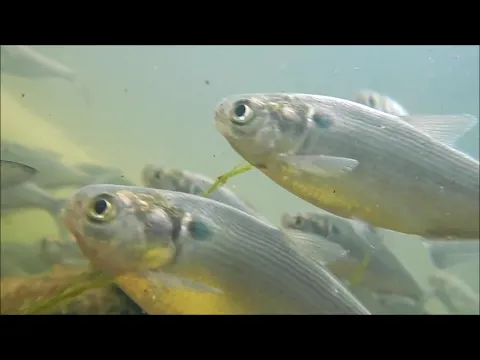
Water Quality, Recreation And Treatment In Reservoirs
The Topic Also Draws Attention For Its Interface With Water Quality Management.
In Reservoirs Used For Leisure, Fishing, And Supply, Turbidity And Algal Proliferation Affect Everything From The Recreational Experience To Public Perception Of Degradation, In Addition To Requiring More Effort In Treatment Stages In Certain Contexts.
When A Relevant Portion Of Nitrogen And Phosphorus Circulates Within The System Through Biological Pathways, The Debate About “Where The Problem Comes From” Ceases To Be Just A Discussion Of External Inputs And Begins To Include The Way Abundant Organisms Recycle And Redistribute Nutrients Within The Lake.
Common Fish, Collective Effect And Change In Lake Functioning
The Gizzard Shad Is Often Treated, In Many Places, As A Common Fish In Reservoirs, Frequently Remembered As An Important Forage Fish For Predators And As A Natural Component Of Freshwater Ecosystems.
At The Same Time, The Technical And Scientific Literature Describes A Scenario In Which High Abundance Enhances The Ability To Recycle Nutrients And Sustain Algal Production, Which Can Push The System Toward Murkier Waters In Already Fertile Environments.
Between The Image Of “Common Fish” And The Role Of “Ecological Engineer,” The Central Point Is The Scale: An Individual Does Little, But Millions Of Individuals Make The Reservoir Function Differently.
If A Reservoir Seems To Suffer Only From Nutrients Coming From Outside, How To Distinguish What Comes From The Watershed From What Is Continuously “Pumped” From The Bottom By Fish Like The Gizzard Shad?








Todo parece coincidir pero la realidad vence a la logica. La gran depredación por lo menos en rios lo producen las fabricas de harina de pescado, que compran el mismo por peso, o sea desde la mojarra al surubi se llevan todo, incluso este pez por toneladas, todos lo saben pescadores, politicos, ministerios y demas engendros. Solo este control permitirá tener peces por siempre pero nadie, nadie quiere darse cuenta. El final sera pronto no existira pez en nuestros rios. Ah y el gran negocio de los que hoy venden pescado para ganar más dinero, lloraran lo que hoy ayudan a depredar