





 Portuguese
  English
  Spanish
  3 min of reading
  0 comments


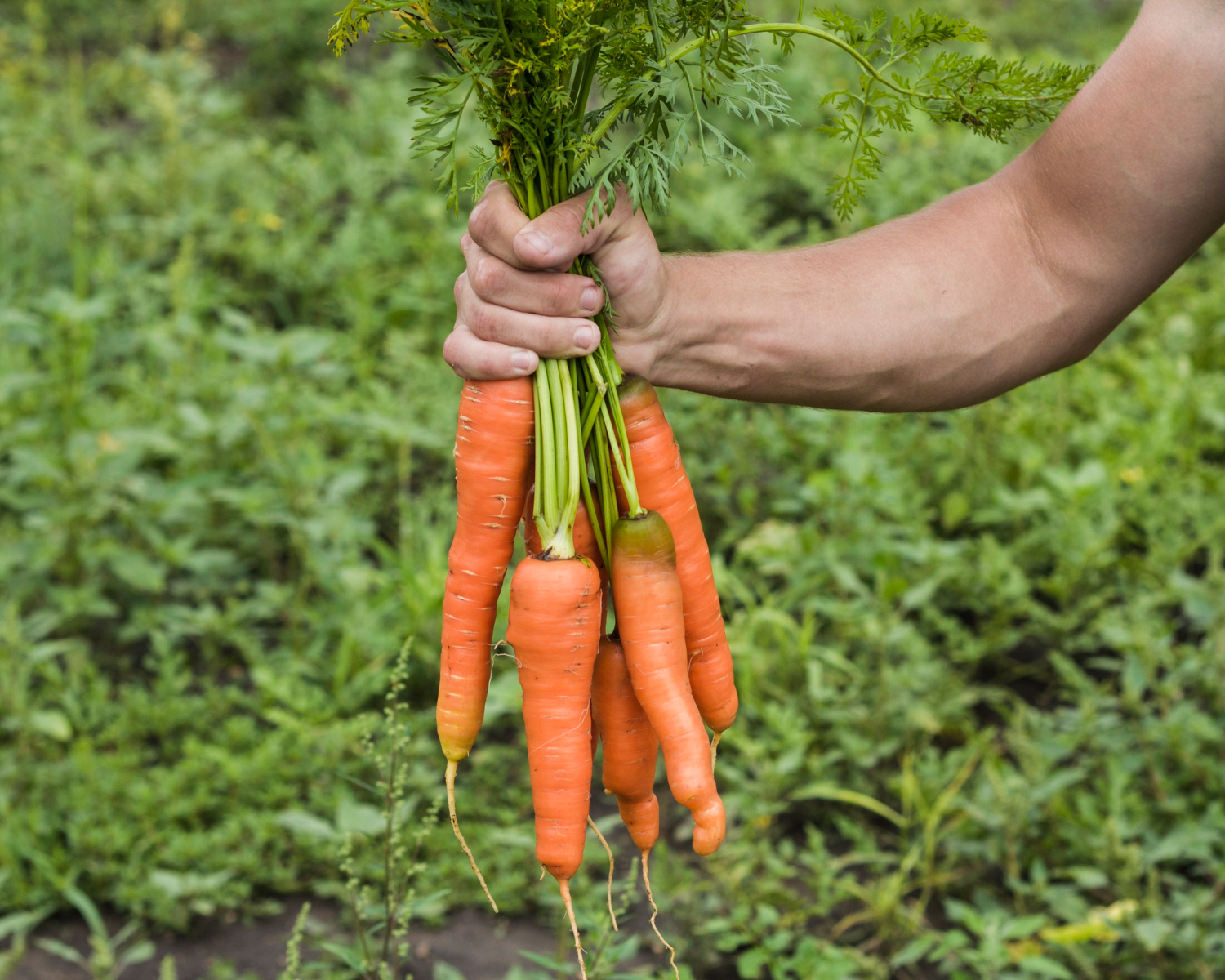
The Behavior Of The Drop In Carrot Prices Gains Highlight In November, With Impact Of The Minas Gerais Supply And Signals Captured By The Prohort Bulletin About The Horticultural Market
The drop in carrot prices recorded in the first days of November has brought new focus to the recent behavior of horticultural products monitored by Conab, according to a report published.
The 11th Prohort Bulletin 2025 showed that shipments from Minas Gerais, the main producing state, arrived at the Supply Centers with enough strength to change the national scenario.
This movement occurred after a period of stability observed in October, when different Ceasas showed divergent results: Curitiba recorded an increase of 39.02%, while Rio de Janeiro and Rio Branco saw declines of 17.01% and 16.56%, respectively.
-
An Indian tree that grows in the Brazilian Northeast produces an oil capable of acting against more than 200 species of pests and interrupting the insect cycle, gaining ground as a natural alternative in soybean, cotton, and vegetable crops.

-
The rise in oil prices in the Middle East is already affecting Brazilian sugar: mills in the Central-South are seeing their margins shrink just as ethanol gains strength.

-
Rain gains strength in April, potentially exceeding 150 mm, placing the North, Northeast, and the coasts of the South and Southeast at the center of the heaviest forecast of the week.

-
A fish that survives out of water, crawls on land until it finds another river, and whose female lays 80,000 eggs at once is infesting rivers and lakes in Brazil, and no one can stop this invasion.


The new phase in November confirms the direct influence of Minas Gerais’ production flow on the prices of the root.
Agricultural Supply Of Minas Gerais
The increase in the agricultural supply of Minas Gerais is pointed out by experts as the central factor for the recent change identified in the market.
The volume of carrots directed to the Ceasas, especially in the first two weeks of November, generated sufficient pressure to change the price curve.
This effect accompanies other behaviors observed in the bulletin, which also highlighted significant declines in crops such as lettuce, banana, and papaya.
Lettuce, for example, has accumulated consecutive declines since August: 8.77% that month, 16.01% in September, and 7.27% in October, influenced by high supply and reduced demand in markets like Curitiba, where colder weather decreased consumption.
On the other hand, the silver banana experienced an average drop of 4.14% due to greater availability from northern Minas Gerais, the midwest of Bahia, Vale do Ribeira, and Ceará, while papaya retreated 5.05% after recording an increase at the beginning of the analyzed month.
Price Variation At Ceasas
The price variation at Ceasas also showed important advances in products such as onion, potato, tomato, orange, apple, and watermelon.
The onion, after months of decline since June, rose again 12.24% in October, even with a mere 2% increase in supply.
In the case of potatoes, the weighted average showed an increase of 19.35%, with the exception of Santa Catarina, which experienced a drop of 4.63%.
In other markets, the indices ranged from 4.42% in Fortaleza to 41.66% in Curitiba.
The tomato saw a moderate increase of 3.97%, reversing previous declines, while the watermelon registered changes in supply sources, highlighting São Paulo and Bahia after the harvests in Tocantins and Goiás ended.
Horticultural Market Trends
The trends of the horticultural market were also analyzed in parallel to the data from the Prohort Bulletin 2025, which indicated robust movement in Brazilian exports.
From January to October, international sales reached 1.07 million tons, a growth of 31.5% compared to the same period in 2024.
Revenue reached US$ 1.19 billion, an increase of 13.47%. The study also highlighted the logistical relevance of the Ceasas and the continuous monitoring of products like apple and orange, which had fluctuations accompanied by reduced stocks and changes in the harvesting pace.
In this context, the monthly movement of vegetables reinforces how changes in climate, demand, and volume directly impact prices, as occurred with the drop in carrot prices recorded now in November.
All consolidated information is available in the 11th Horticultural Bulletin 2025 on the Conab Portal.









-

-

3 pessoas reagiram a isso.