





 Portuguese
  English
  Spanish
  6 min of reading
  3 comments


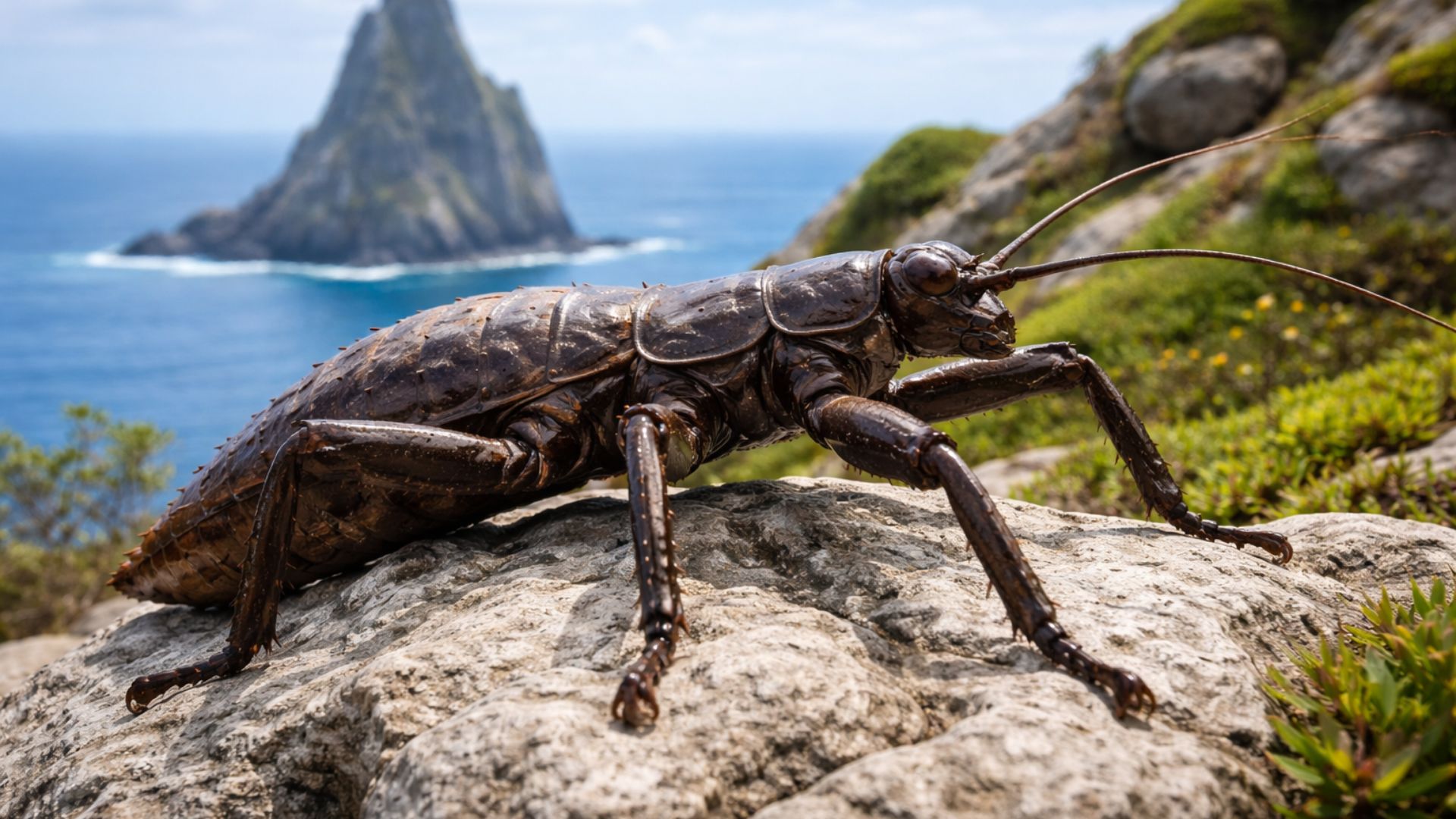


Rare Large Insect Reappears in Rocky Refuge in the Pacific and Rekindles International Conservation Effort, with Captive Breeding and Environmental Actions that Removed Introduced Predators on Australian Island. Case Involves Rediscovery, Scientific Management, and Planning for Return to Historical Habitat.
A heavy-bodied insect with long legs and discreet behavior, which had disappeared from its main known territory, has returned to the center of conservation after being found alive on a remote rock in the Pacific.
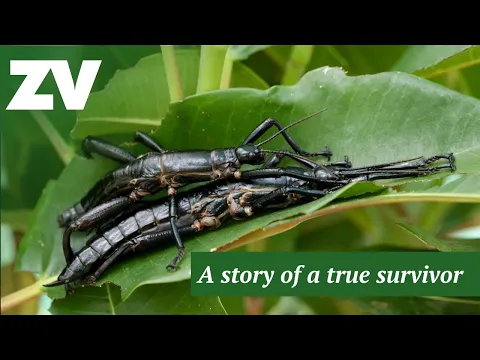
The species, known as the Lord Howe Island phasmid and informally referred to as “tree lobster”, has survived from a small remaining population on Ball’s Pyramid, a rocky pinnacle with limited vegetation and difficult access, located about 23 kilometers from Lord Howe Island in Australia.
The reappearance was followed by a captive breeding program, and the elimination of invasive rodents on the island opened a concrete perspective for return to the environment where the insect was historically recorded.
-
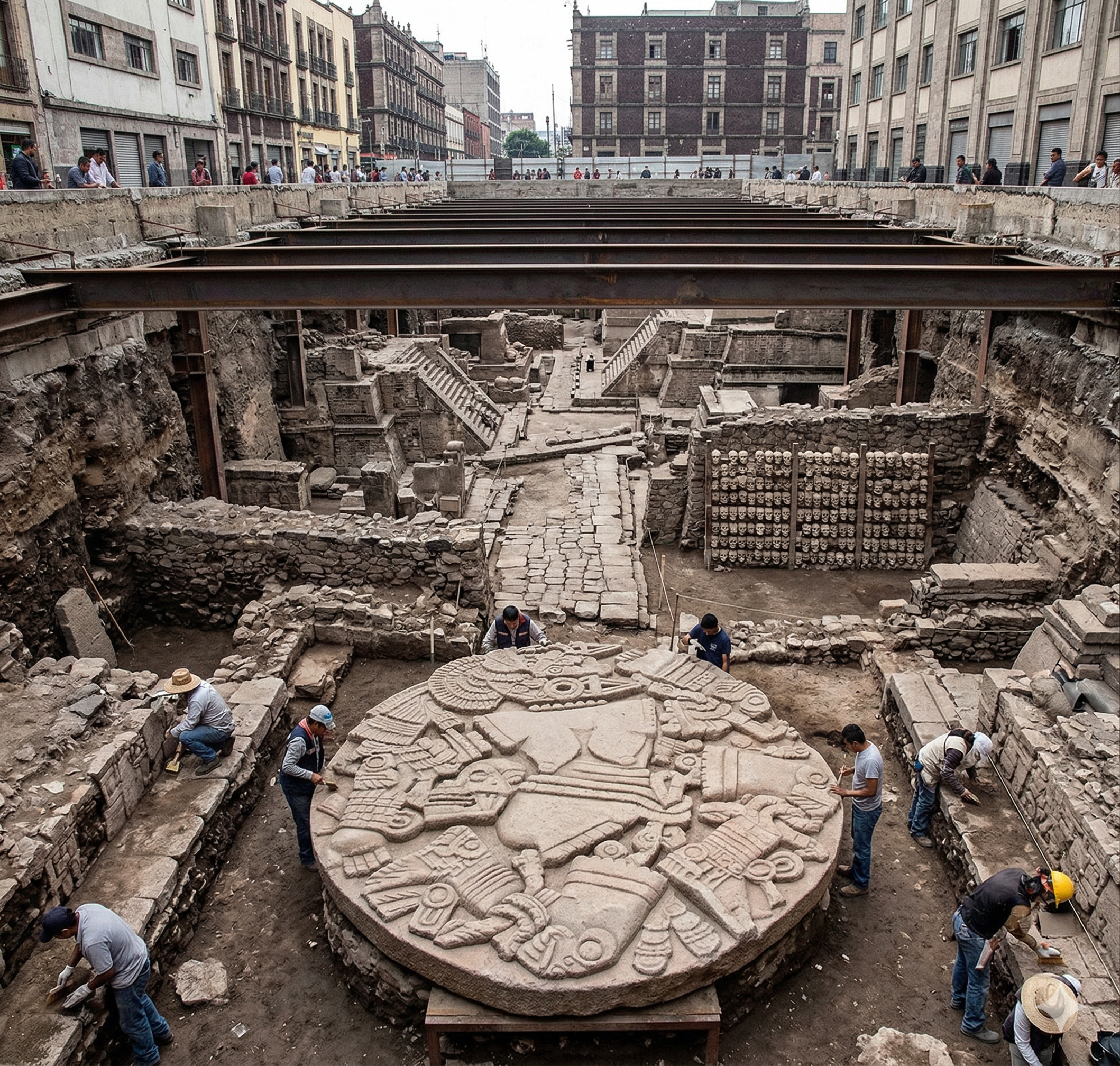
Beneath Mexico City lies an entire buried Aztec capital, and it all began when workers discovered a 3.25-meter stone disk featuring a dismembered goddess, revealing temples, skulls, and palaces beneath 22 million people.
-
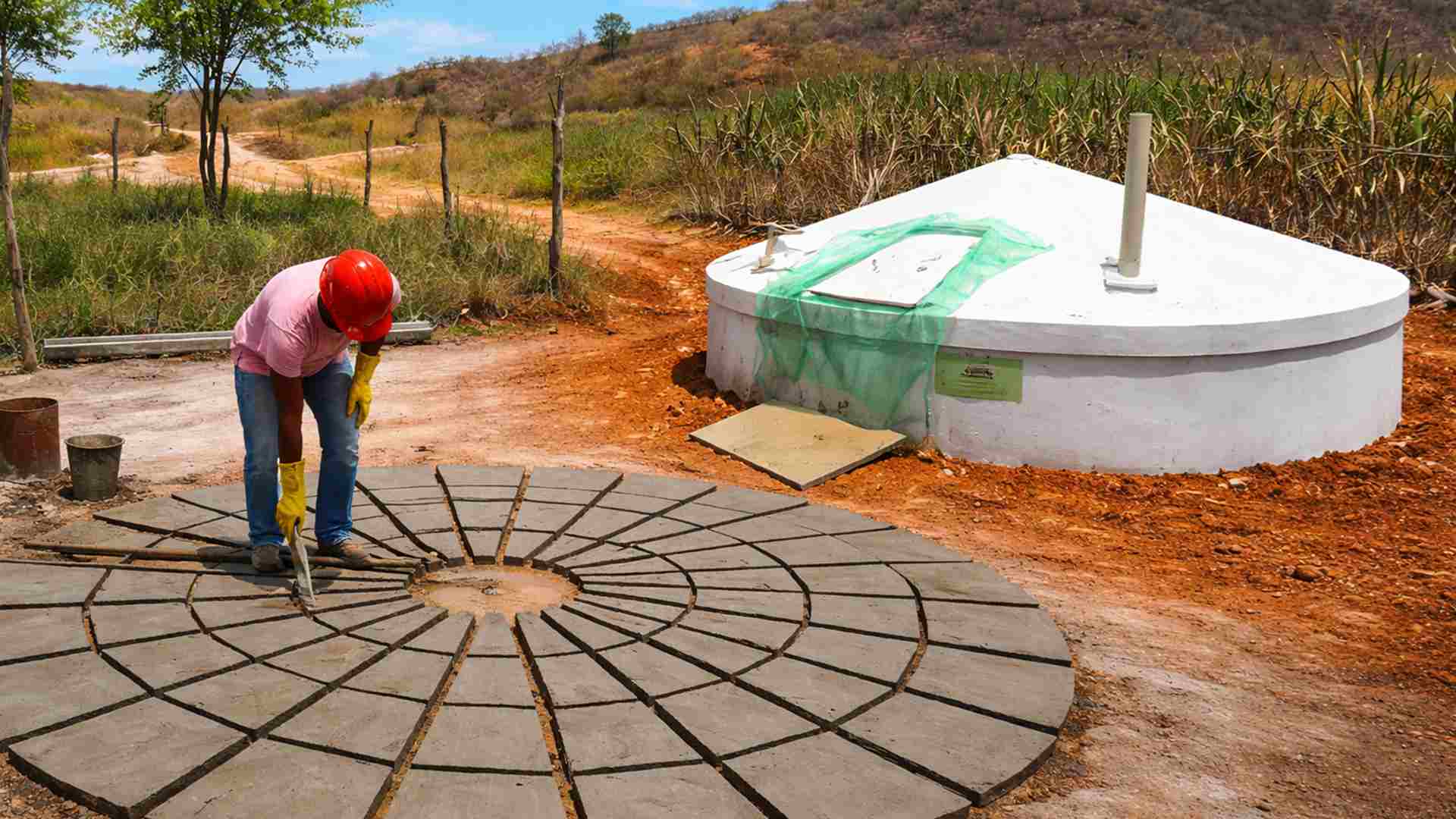
How to build a 35,000-liter cistern with 60 by 50 cm panels and rainwater for drinking and cooking without relying on water trucks or the city hall.
-
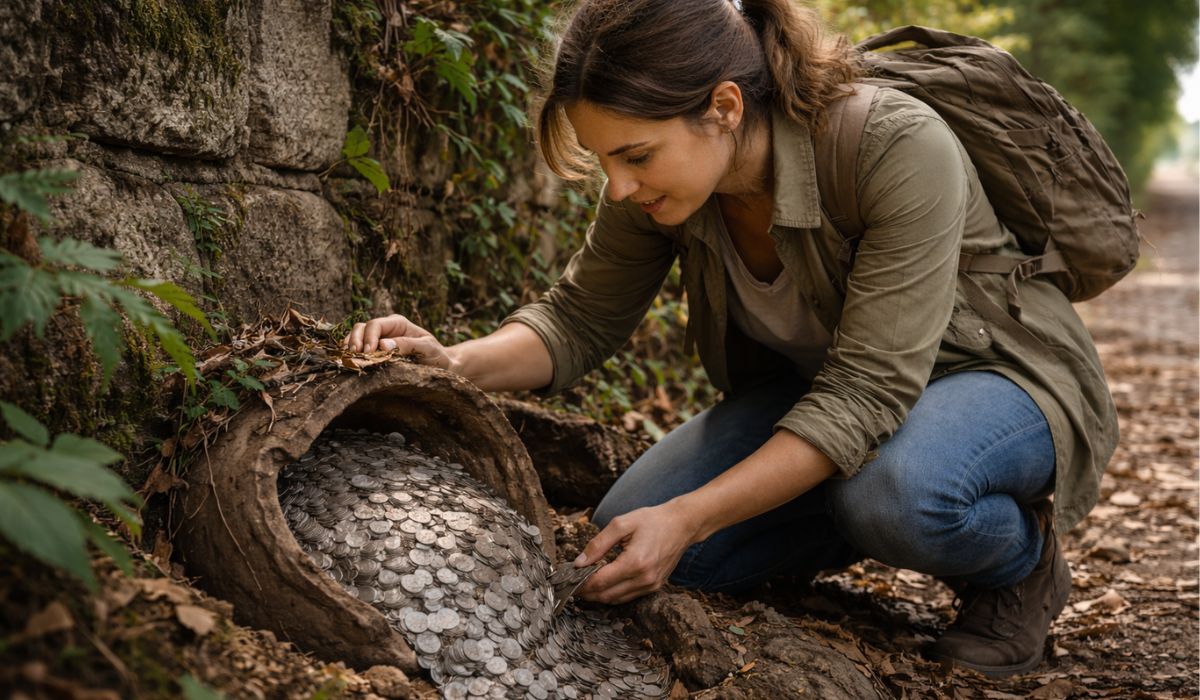
A woman went out for a regular walk and ended up finding a treasure buried for over 900 years, with more than 2,000 medieval silver coins compared by archaeologists to a lottery prize and considered one of the most significant finds in recent years in the country.
-
Scientists revealed 11 signs that very intelligent people exhibit in their daily lives, and most people have no idea that some of these common behaviors are directly linked to an above-average brain.


What Is the Lord Howe Island Phasmid
The Lord Howe Island phasmid is a type of stick insect that does not fly and primarily lives on the ground and in low vegetation, with predominantly nocturnal habits.
According to scientific assessments and official descriptions compiled by Australian agencies, it is an endemic species from the Lord Howe Island group, with a size that can reach approximately 130 millimeters.

Before the population collapse, the insect was described as abundant in forested areas of the main island, where it sheltered in tree trunk cavities and used native vegetation for support and food.
How Invasive Rodents Changed the Island’s History
The disappearance of the phasmid on Lord Howe is associated with the introduction of rodents, especially black rats, after a widely documented historical event by environmental authorities and peer-reviewed studies.
The arrival of these animals altered the ecological balance of an island with a high degree of endemism, where many species evolved without terrestrial mammalian predators.
Official records from the Australian government indicate that the species ceased to exist on the main island after the introduction of rats in 1918, and subsequent reports indicated a consolidated local extirpation over the following decades.
Clues in Ball’s Pyramid and the Confirmation of Living Individuals
The story gained a new chapter when clues found on Ball’s Pyramid kept the species on researchers’ radar.
Reports from climbers in the last century mentioned the presence of dead specimens on the rock, suggesting that the insect may have persisted in a refuge outside the main island.
The confirmation of living individuals came later, when a field survey located the species in Ball’s Pyramid, where three specimens were reported as found at the beginning of the rediscovery.
From that moment on, the phasmid stopped being treated merely as a case of local extinction and began to be tracked as an extremely restricted and vulnerable remaining population.
Life in Extreme Environment and Limited Distribution
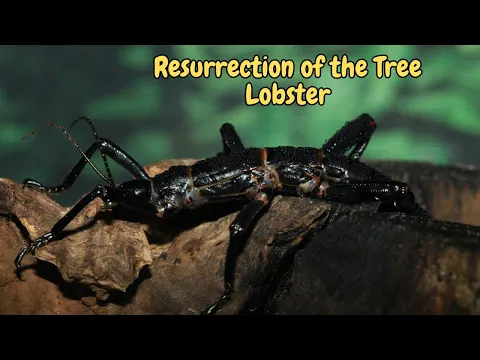

Survival on Ball’s Pyramid occurs under particular conditions.
The rock is a steep, exposed environment with few vegetation points, limiting shelter and resources.
Research and conservation materials describe that the insect associates with specific vegetation patches, using crevices and cavities as hiding places during the day.
Due to its minimal distribution, any significant disturbance can affect the entire population, including extreme weather events, changes in vegetation, and unplanned human impacts.
Captive Breeding and Safety Population
To reduce the risk of permanent loss, conservationists opted to establish a safety population in captivity.
Australian institutions led efforts to initiate controlled breeding, with the Melbourne Zoo highlighted in profiles and institutional updates as one of the central points of the program.
The aim of this type of management is to increase the number of available individuals, maintain the species’ viability outside of the more fragile environment, and gather information on reproductive cycles, feeding, growth, and environmental needs—fundamental elements for any stage of return to the original habitat.
Captive breeding also meets a frequent technical requirement in reintroduction projects: to reduce dependence on a single wild location.
When the species is confined to a microhabitat, the risk is concentrated, and building a population under human care serves as a biological reserve.
Over the years, publicly available conservation materials have indicated that a limited number of specimens were collected from Ball’s Pyramid to start the program, a measure described as cautious and linked to the need not to compromise the remaining population.

Science and Confirmation of the Species Identity
In addition to management, science sought to accurately resolve the identity and evolutionary history of the insect.
A study published in a broadly circulated scientific journal, with authors specialized in phylogeny and conservation, discussed the positioning of the “tree lobster” and described the impact of introduced rodents on the species.
The literature also indicates that the phasmid belongs to a group with relevant evolutionary relationships, and taxonomic confirmation helps guide management decisions, especially when there is a risk of confusion with similar species.
Rodent Eradication in Lord Howe and Official Verification
Even with successful reproduction in captivity, the return to Lord Howe has always been treated as dependent on a decisive environmental condition: the absence of invasive rodents.
Reintroducing a vulnerable species to a location where introduced predators persist tends to replicate the scenario that led to its disappearance.
Therefore, the most decisive advance for reoccupying the original territory came from a program of rodent and mouse eradication on Lord Howe Island.
Official documents from the Australian government on threatened species describe that a rodent and mouse eradication program was conducted in 2019, with final confirmation surveys in 2023.
The same line of action is reinforced by reports and technical publications on island eradication, treating the process as a complex operation requiring prolonged monitoring and independent verification to confirm the absence of target animals.
In public updates, the local Lord Howe council itself communicated progress and steps related to the protection of the ecosystem after the removal of rodents.
What Needs to Be Guaranteed Before the Return to Habitat
The elimination of predators opened the floor for discussing the reintroduction of the phasmid based on technical criteria.
Public documentation from the Australian government lists priorities that include maintaining a strict quarantine to prevent new incursions of rats and mice, controlling additional biological threats, and protecting the habitat through the management of invasive plants that can alter the vegetation used by the insect.
These points appear as practical conditions because the recovery of endemic species in islands depends as much on the return of individuals as on maintaining biosecurity barriers.
Updates from the Lord Howe Island Board also indicate that work was advancing towards reintroduction and translocation initiatives related to the phasmid.
The topic has been treated as a gradual planning and execution process, focusing on ensuring that the environment is suitable and that threat control is not temporary.
In such reintroductions, post-release monitoring is often an integral part of the project design, with follow-up on survival, dispersion, and reproduction, as well as measures to reduce risks of predation and habitat loss.
Why This Case Mobilizes the Conservation of Endemic Species
The case of the Lord Howe Island phasmid has come to be cited as an example of how the conservation of invertebrates can mobilize actions equivalent to those dedicated to more widely known animals.
The combination of rediscovery in a remote refuge, captive breeding, and documented removal of invasive species creates a chain of events that supports management decisions and allows recovery to be treated as an operational possibility, anchored in verifiable measures and institutional follow-up.
The reappearance of a species restricted to a rock and the construction of a path for it to return to its original territory also highlight the role of eradication programs on islands, which have been adopted in various countries as a response to the loss of biodiversity caused by invaders.
In the case of Lord Howe, the information published by government agencies and the local council emphasizes biosecurity, monitoring, and habitat management as elements just as decisive as the availability of individuals produced in captivity.






People need to stop relying on AI to write stuff for them if they can’t at least proofread for spelling/grammar mistakes. I wouldn’t want to put my name down as the author of this article, or any other articles on this website for that matter because there are so many errors
*lyses
Preservation of species is vitally important. A species may be found to be important to us. An example is the honey bee, Apis melifera, which has a poison that loses cancer cells