





 Portuguese
  English
  Spanish
  5 min of reading
  0 comments


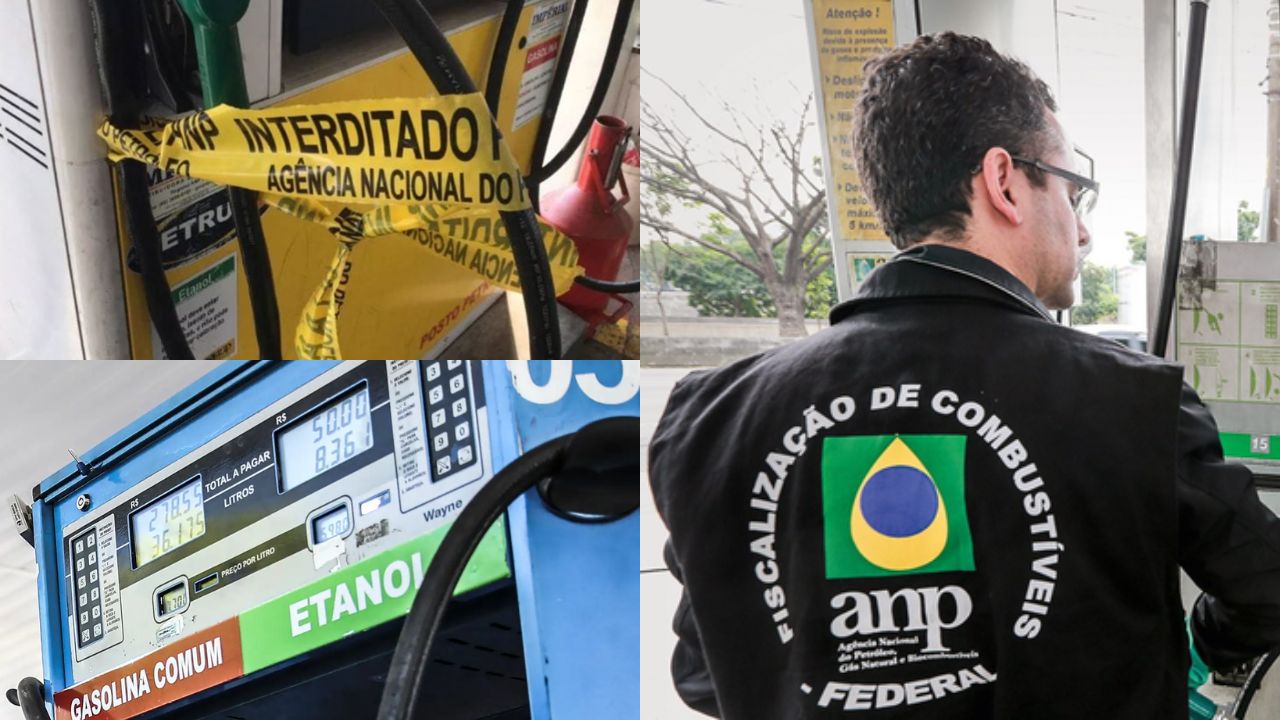
Technical Survey Identified Regional Patterns of Irregularities in Fuels, Based on Laboratory Analyses Conducted Without Prior Notice to Stations, Gathering Data on Volumetric Fraud, Product Quality, and Adulterations in Different Brazilian States.
A survey by the Legal Fuel Institute (ICL) identified that 28% of gasoline, ethanol, and diesel samples collected in 2025 showed some type of irregularity.
In total, 3,210 samples were analyzed from fuel stations in 14 Brazilian states, with 888 results outside the technical standards after laboratory tests.
The data is part of a study that uses the inspection method known as “mystery shopper.”
-
Less than a Tera TSI, up to 710 km of range and charging in 9 minutes: the new BYD Song Ultra expands the Chinese brand’s bet on increasingly faster, more technological, and competitively priced electric SUVs.

-
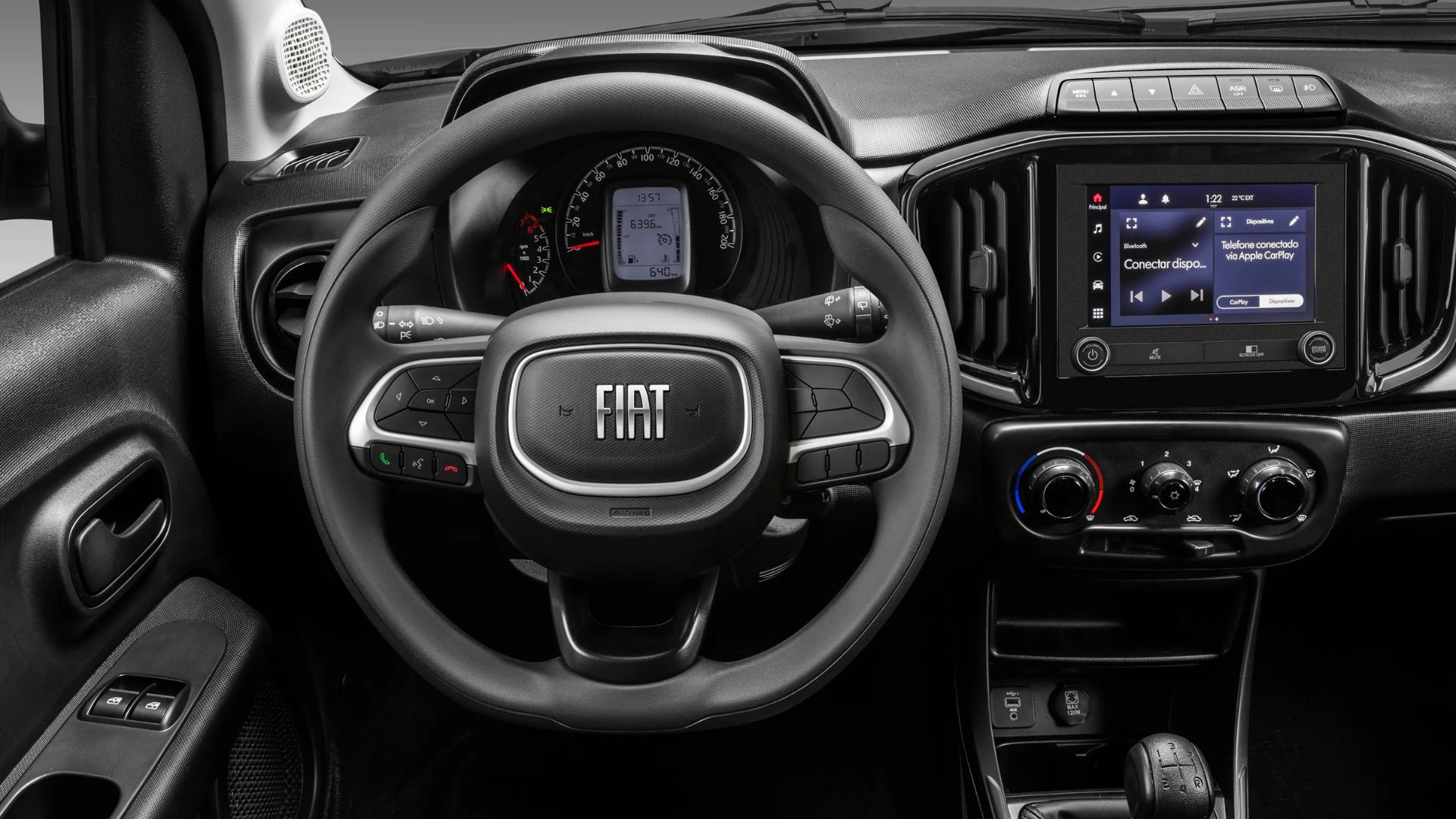
With a 1.0 engine producing 75 hp and costing less than R$ 70,000, Fiat’s car returns to the podium as the cheapest in the country; a temporary promotion for the 2026 Like version reduces the price of the Fiat Mobi.
-
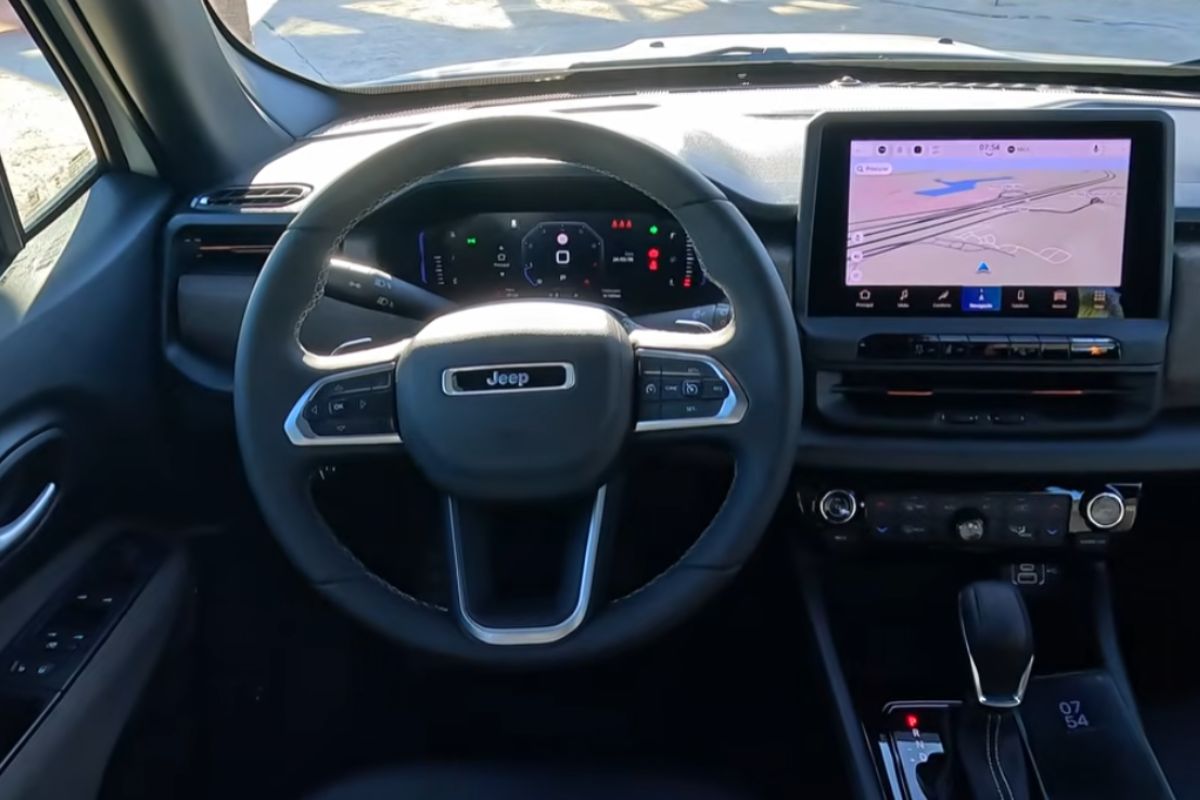
With a mild hybrid system of 48 V, 176 hp and a price of R$ 175,990 in the Sahara version, the new Jeep Renegade changes mostly on the inside, improves slightly in fuel consumption, and remains almost the same car.
-
With a 293.5 cm³ engine and a range of up to 400 km with a 14.1-liter tank, the Honda CB 300F Twister 2026 has up to 24.7 hp, an initial price of R$ 25,150, and already exceeds R$ 29,000 in the Fipe Table.

In this model, a disguised vehicle refuels as a regular consumer.
The fuel purchased is later analyzed to identify adulterations, volumetric fraud, and quality problems.
From this material, the institute creates heat maps indicating regions with the highest incidence of non-conformities.
How the Mystery Shopper Method Works
According to the ICL, the main characteristic of the “mystery shopper” is to replicate the everyday scenario faced by the driver.
The station is not informed in advance about the inspection.
The strategy, according to the institute, allows for checking whether the fuel delivered to the consumer complies with current technical rules.
The collected samples are sent to specialized laboratories.
In these locations, they undergo physicochemical analyses.
The survey is not limited to gasoline.
Ethanol and diesel are also evaluated, as irregularities can occur both in the composition of the product and in the operation of the pumps.
Volumetric Fraud Leads the Records of Irregularities
Among the non-conformities identified in 2025, the most frequent was volumetric fraud.
In this type of occurrence, the pump indicates a higher volume than what is actually delivered to the vehicle.
Next, problems related to gasoline and ethanol quality appear.
There were also cases of ethanol content above the permitted level in gasoline.
In diesel, situations of low biodiesel content arise.
There were also isolated occurrences of adulteration with methanol.
According to the survey, 324 cases of fraudulent pumps were counted.
Another 227 records involved low quality of gasoline and ethanol.
Additionally, 226 episodes indicated excess ethanol in gasoline.
There were still 93 occurrences of insufficient biodiesel content.
The study identified four cases involving methanol.
In an interview with Autoesporte, Carlo Faccio, executive director of the ICL, stated that volumetric fraud is usually applied directly to the refueling equipment.
According to him, there are situations where the pump panel does not correspond to the actual volume delivered to the consumer.
“Through mystery shopping, we have already identified non-conformities that reach 31% [of the volume] displayed on the panel.”
According to Faccio, the study indicated a regional concentration of this type of practice.
In the released data, 52% of volumetric frauds were recorded in Paraná.
Operation Carbon Hidden Expanded the Focus on the Sector
The increased attention on the topic occurred after the triggering of the Operation Carbon Hidden.
The operation was led by the Federal Revenue Service with support from other agencies.
The investigation uncovered a scheme of fraud and money laundering involving the fuel market.
Warrants were executed in eight states, including São Paulo, Paraná, Rio de Janeiro, and Santa Catarina.
Official information released at the time indicated the identification of irregularities in more than a thousand stations.
These establishments were distributed across 10 states.
The balance also pointed to an estimated financial movement of R$ 52 billion between 2020 and 2024.
Among the practices investigated was the diversion of methanol for fuel adulteration.
Ethanol Content in Gasoline and Impacts on the Vehicle
Part of the irregularities involves the ethanol content present in gasoline.
Since August 2025, Brazil has officially adopted gasoline E30.
The fuel contains 30% anhydrous ethanol, according to decisions by the National Energy Policy Council.
Regulation is carried out by the National Agency of Petroleum, Natural Gas, and Biofuels.
In these cases, the offense occurs when the permitted percentage is exceeded.
The ANP informs that changes in vehicle behavior can serve as alerts.
According to the agency, increased consumption, loss of power, or operational failures can have various causes.
Among them is fuel quality, although the agency emphasizes that these signals do not replace technical analyses.
Methanol Appears in Few Cases but Requires Attention
Adulteration with methanol represents a small portion of occurrences mapped by the ICL.
Still, the topic is closely monitored due to the risks involved.
In public statements, Carlo Faccio highlighted that it is a toxic and corrosive substance.
According to him, the product can cause harm to the health of workers and consumers.
In 2025, health authorities investigated cases of poisoning associated with the consumption of beverages adulterated with methanol.
Official bulletins dealt with notifications and laboratory confirmations in some states.
So far, there has been no disclosure of a consolidated number of hospitalizations on a national scale.
Map Indicates Municipalities with the Highest Incidence of Irregularities
Based on the samples collected, the ICL created heat maps to indicate the so-called risk zones.
The classification varies according to the type of irregularity.

In the cases of volumetric fraud, cities like São Paulo, Campinas, Osasco, Santo André, São Bernardo do Campo, São Caetano do Sul, Mauá, Santos, and Guarujá appear with more records.
In Rio de Janeiro, the highlights are Rio de Janeiro, Duque de Caxias, and Nova Iguaçu.
In Paraná, Curitiba, São José dos Pinhais, and Campo Largo emerge.
Cities in Bahia and Goiás also appear in the survey.

When the focus is on gasoline and ethanol quality, the study cites São Paulo, Guarulhos, Santos, Jundiaí, Campinas, and municipalities in the ABC region of São Paulo.
In Rio de Janeiro, the records involve Rio de Janeiro, Duque de Caxias, and São Gonçalo.
The analysis also includes Belo Horizonte, Contagem, Curitiba, and Salvador.


In the case of diesel, the most frequent records appear in cities along the São Paulo coast.
Municipalities in the interior of Paraná also emerge.
There are occurrences in Santa Catarina, Minas Gerais, Goiás, and Mato Grosso.
The ICL informs that the maps serve as statistical indicators.
They do not represent a definitive classification of each station.
Industry representatives state that changes in the distribution chain can occur in short periods.







-

-

3 pessoas reagiram a isso.