





 Portuguese
  English
  Spanish
  4 min of reading
  0 comments


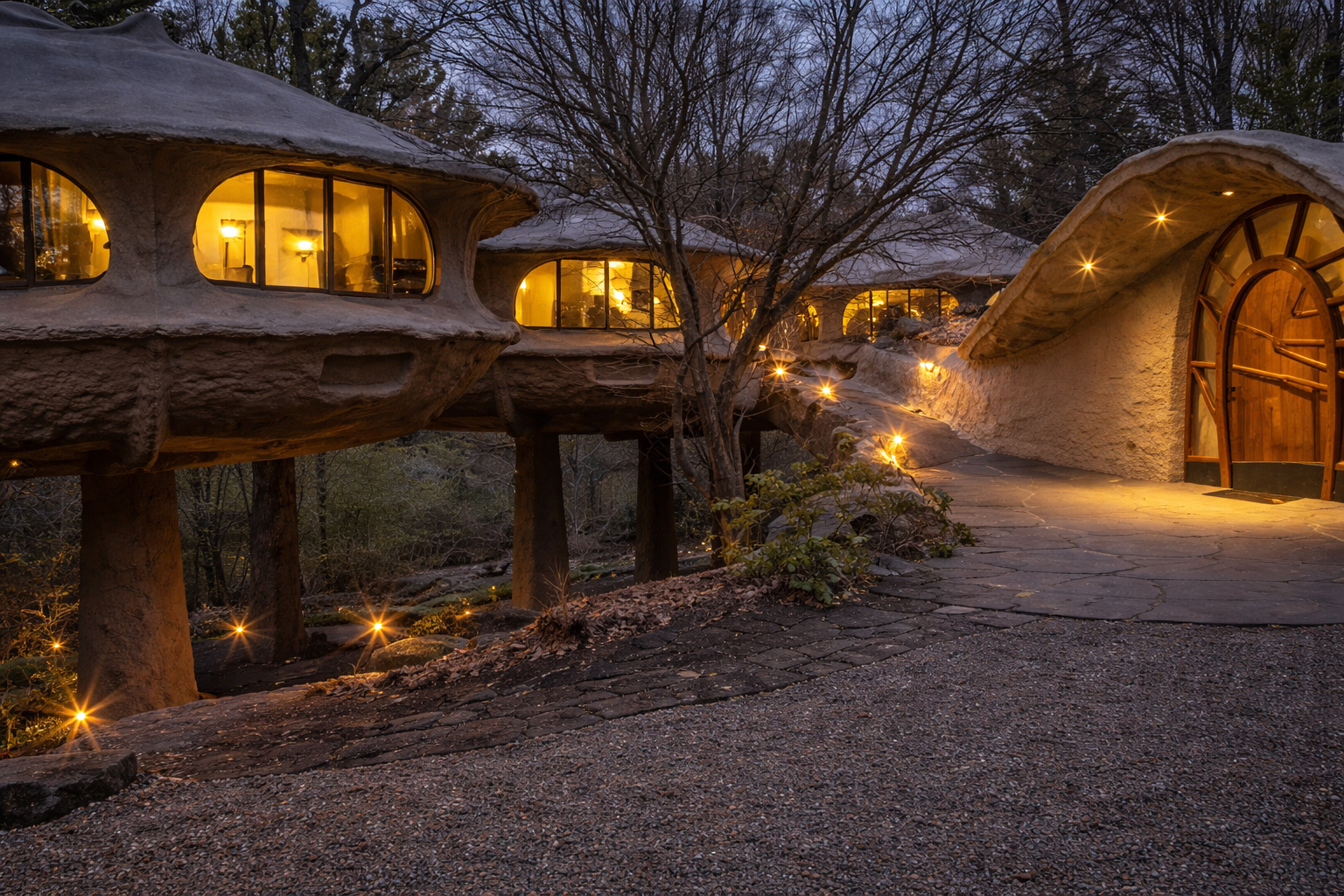
Built With Curved Shapes and Structure Inspired by Nature, the Mushroom House Grabs Attention in the US Real Estate Market for Its Organic Concept and the Structural Boldness That Totally Escapes the Traditional Standard
It doesn’t look like it was built. It looks like it sprouted. In the midst of the urban landscape of the United States, the Mushroom House breaks any expectations of those imagining a common residence. No straight lines, no conventional roof, no square pillars.
What you see is a structure that mimics nature with almost theatrical precision. And it’s not just aesthetic. It’s engineering beyond the standard.
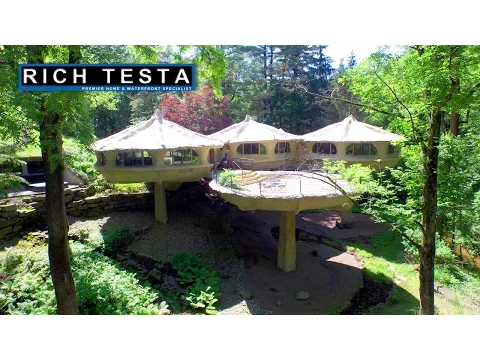

The Architectural Challenge Behind a House That Seems to Have Grown From the Soil
Traditional houses follow predictable logic. Straight base, aligned columns, functional roof. The Mushroom House ignores this script.
-
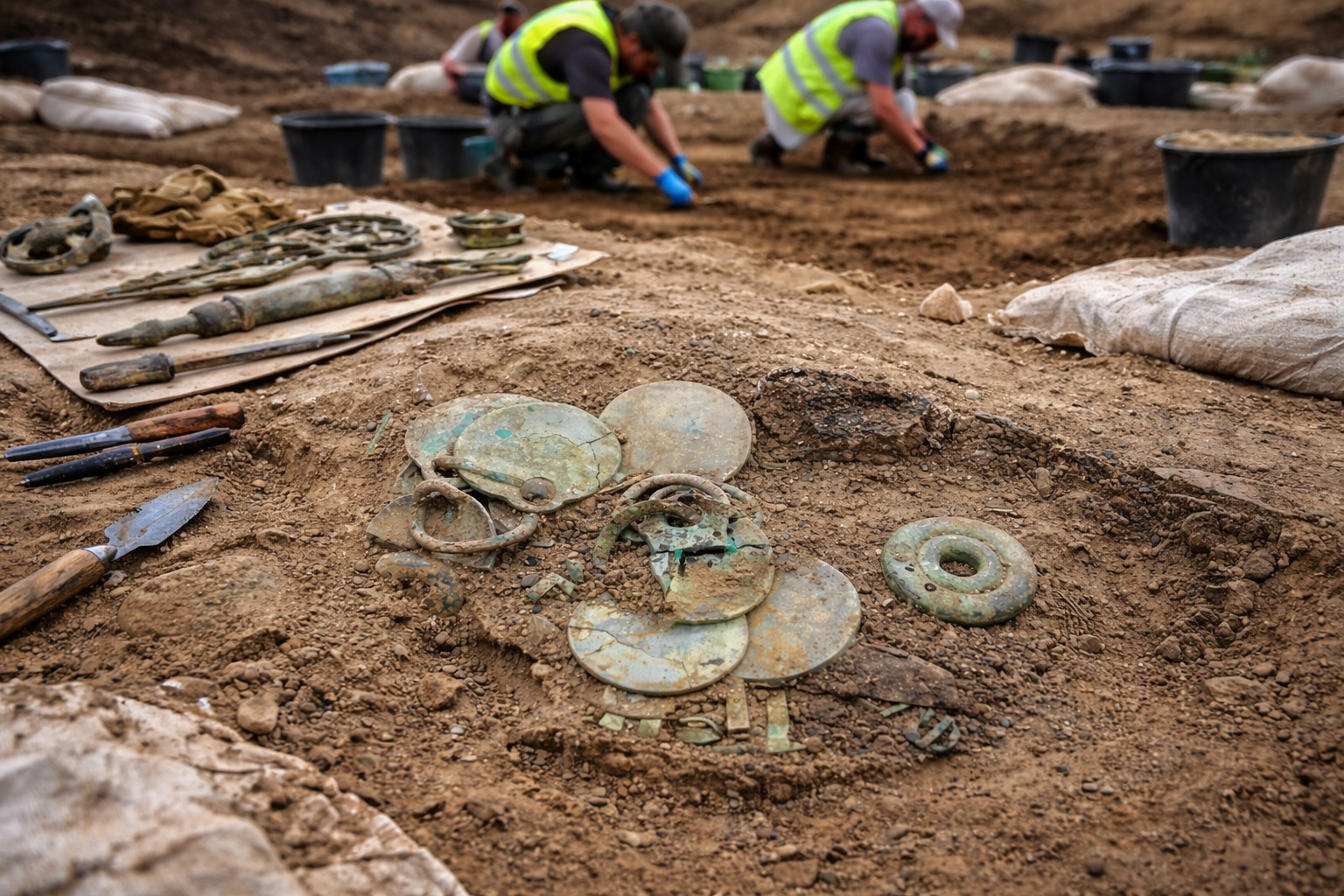
More than 500 Bronze Age objects, including pieces never seen in Western Europe, have emerged from a treasure buried 3,000 years ago in Scotland, intriguing archaeologists.
-
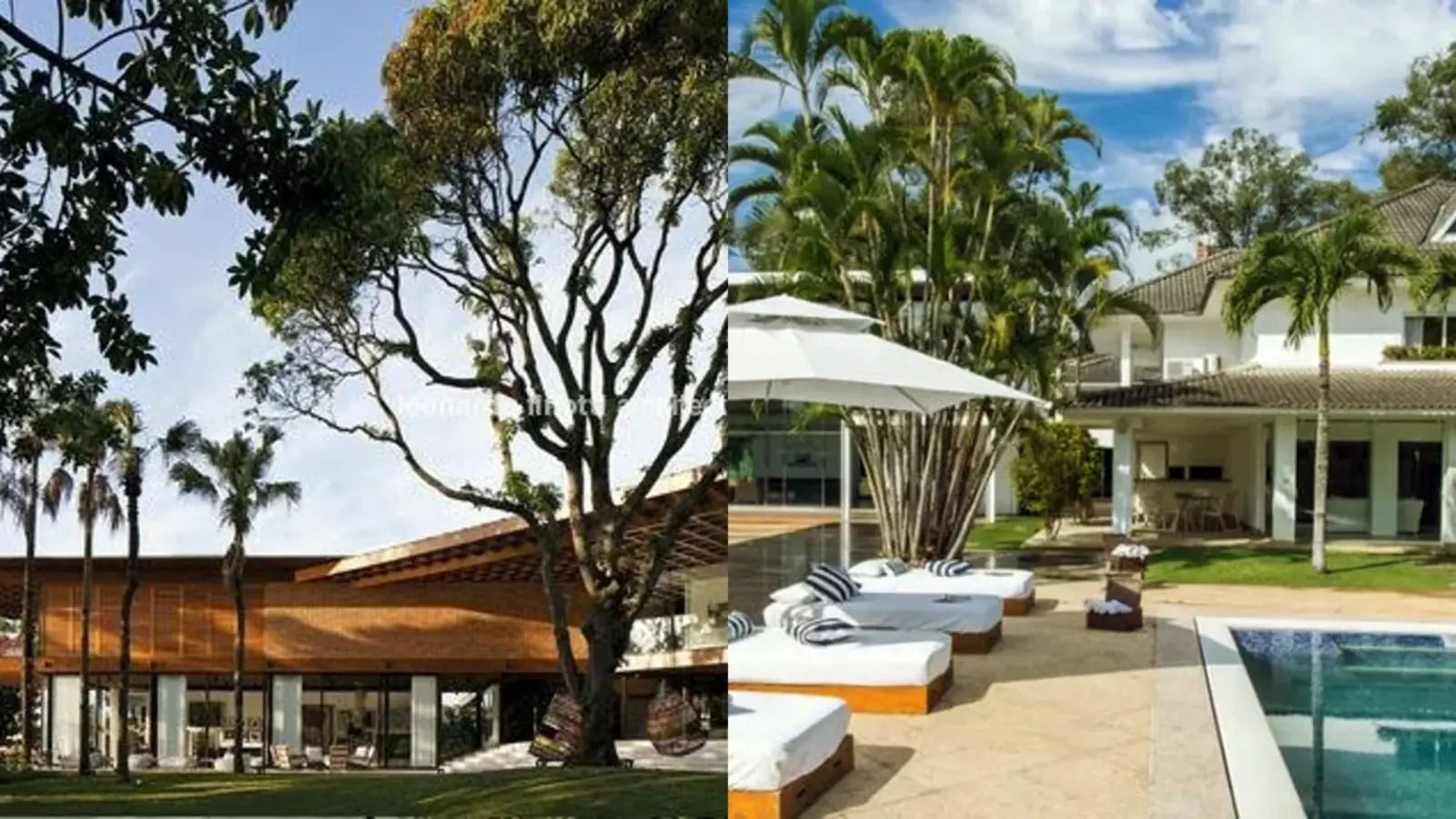
Luxurious mansion in Rio valued at up to R$ 40 million has already impressed international celebrities and belongs to a well-known Globo presenter.
-
Friends have been building a small “town” for 30 years to grow old together, with compact houses, a common area, nature surrounding it, and a collective life project designed for friendship, coexistence, and simplicity.

-
This small town in Germany created its own currency 24 years ago, today it circulates millions per year, is accepted in over 300 stores, and the German government allowed all of this to happen under one condition.


Its curved structures create the sensation of constant movement. The walls do not just delimit space. They seem sculpted.
The columns resemble tree trunks. They are not mere vertical supports. Visually, they give the impression of sustaining the house as if they were part of a forest shaped in concrete.
The result is a residence that does not seem fitted to the land. It seems to be born from it.

The Structural Secret of Columns That Resemble Trunks and Support Non-Conventional Shapes
Building straight lines already requires rigorous structural calculation. Now imagine supporting rounded roofs with curves that escape traditional geometric patterns.
According to experts, projects with organic geometries require extra attention in load distribution. Each curve changes the structural behavior.
The columns that resemble trunks are not merely decorative. They play an essential role in supporting the mushroom-shaped roofs.
These roofs do not follow the classic sloped model. They expand at the top, creating rounded volumes that completely change the visual dynamics of the building.
It is precisely this detail that places the Mushroom House in a rare category within American residential engineering.
Mushroom-Shaped Roofs and the Visual Impact That Transformed the House Into an Eccentric Icon
The most striking element of the Mushroom House is located above eye level.
The mushroom-like roofs create an immediate effect. The construction gains its own identity, almost playful, yet supported by precise structural calculation.
There is no official number disclosed about the project’s cost, but estimates suggest that constructions with non-traditional designs tend to require specialized labor and differentiated techniques.
This type of residence does not compete with conventional houses on price. It competes for exclusivity.
And it is precisely here that the silent competition begins within the high-end real estate market.
When Eccentric Architecture Becomes a Market Asset and a Symbol of Innovation
Common houses repeat themselves. The Mushroom House does not.
In a sector where many projects follow predictable models, a residence with an organic identity becomes a competitive advantage.
According to experts, properties with unique designs tend to attract buyers looking for more than square footage. They seek concept.
The residence has become considered one of the most eccentric in the United States. This label, far from being negative, strengthens its symbolic value.
It is not just a place to live. It is an architectural statement.

What the Mushroom House Reveals About the Future of Residential Engineering in the United States
Projects like this provoke an uncomfortable question: how far can traditional engineering go without abandoning the rigidity of straight lines?
The trend of integrating natural forms into civil construction is growing in different parts of the world. Curved structures, organic design, and biomimetic inspiration are becoming the norm rather than the exception.
The Mushroom House emerges as a concrete example that it is possible to break patterns without compromising stability.
While many opt for the safety of the conventional, this house shows that structural boldness can also find a market.
In the end, what draws attention is not just the unusual shape. It is the fact that someone decided to challenge the norm and succeeded in transforming concrete into something that feels alive.
Would you live in a house like this, or do you prefer the traditional one? Leave your opinion in the comments.








-

Uma pessoa reagiu a isso.