





 Portuguese
  English
  Spanish
  5 min of reading
  0 comments


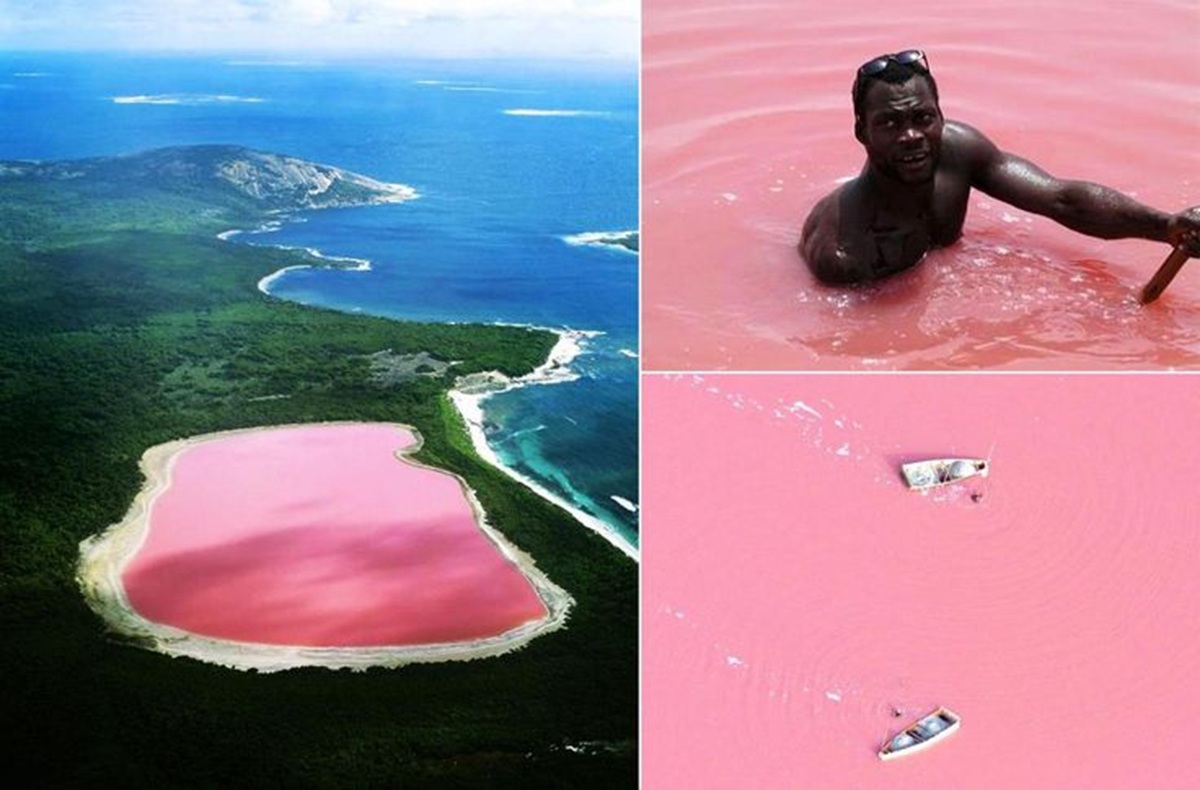
With Salinity Reaching 40%, Annual Production of About 60,000 Tons and Majority Handicraft Work, Lake Retba in Senegal Sustains Thousands of Families, But Faces Increasing Risks Provoked by Floods, Uncontrolled Urban Expansion, Infrastructure-Less Tourism, and Direct Impacts of Climate Change on Its Coloration and Economic Viability.
Lake Retba, known as Lac Rose, in Senegal, reaches salinity levels of up to 40%, surpassing the Dead Sea and generating approximately 60,000 tons of salt per year, which is the economic base for local communities now dealing with floods, urban pressure, and threats to the environmental integrity of the lake.
Artisanal Extraction Sustains the Main Saline Chain of West Africa
Lake Retba is one of the most significant centers for salt production in West Africa, with thousands of workers involved in a handicraft system that operates daily, without heavy mechanization and with a low individual income margin. The Business Insider reported on what the work is like in this lake.
The routine begins before dawn. Miners like Usman Dembele, known as Baba, enter the hypersaline water protecting their skin with shea butter, creating a minimal barrier against burns and wounds caused by prolonged contact.
-
Pharmacy inside the supermarket: what changes now in your purchase, why medicines won’t go on the shelves, which rules remain strict, mandatory pharmacist, separate space, controlled storage, more convenience and competition in the country.

-
Ports like Santos and Paranaguá are operating at their limits and may block containers as early as 2030, warns a study by Macroinfra; bottlenecks increase costs and delays and push cargo to Rio, Salvador, Pecém, and Suape across Brazil.
-
Lula reveals in an interview that he asked President Xi Jinping three times to invest in a major project in Brazil, the Salvador-Itaparica bridge, which is set to begin in June with the participation of a Chinese consortium and is expected to be extraordinary, according to the president.

-
Neighboring city of Belo Horizonte has properties starting at R$ 139,000 with 90 m² and a price per square meter much lower than the capital, even concentrating automotive, petrochemical, and logistics hubs.
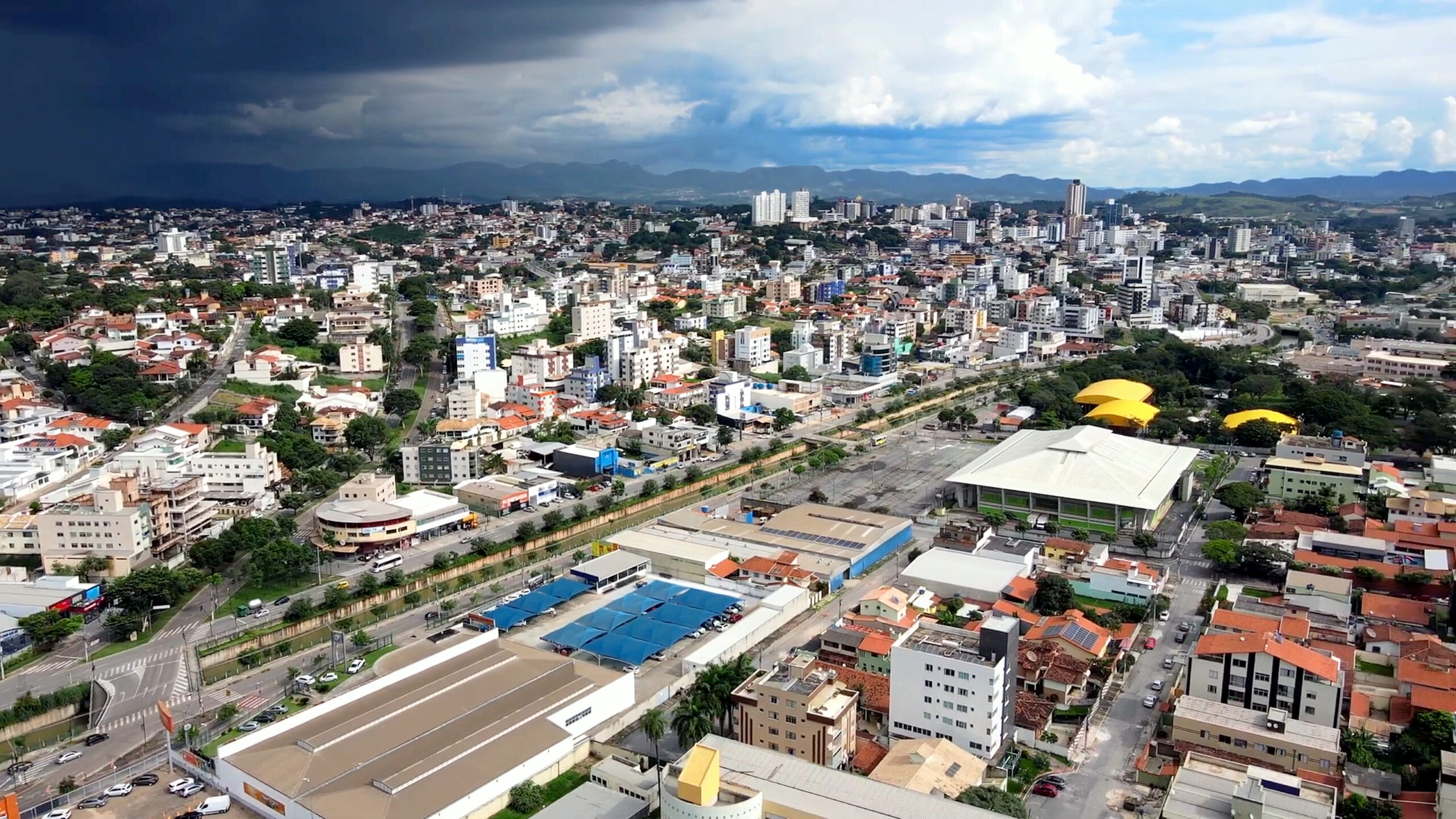

The extraction method is manual. With long shovels and their own feet, workers locate salt crusts on the shallow bottom of the lake, where intense evaporation concentrates the mineral deposits.
The lack of basic equipment, such as diving goggles, forces miners to avoid deep dives, as the high salinity can cause permanent damage to vision.
Each workday lasts between four and five hours. The process is repeated dozens of times, accumulating baskets that, when full, weigh about 55 pounds each.
On a good day, Baba and his brother can load up to 60 baskets onto a single wooden canoe, the maximum limit before the risk of capsizing.
Isolated Geography Explains Extreme Salinity and Pink Coloring
The chemical composition of Lake Retba results from a natural isolation from the Atlantic Ocean by sand dunes formed thousands of years ago, which allow saline water infiltration without creating a runoff channel.
With the sun evaporating the surface water faster than it can be replenished by the sea, the concentration of salt and minerals progressively increases, reaching levels up to 10 times higher than that of the ocean.
In peak periods, salinity reaches 40%, even exceeding that of the Dead Sea, a world reference for hypersaline waters.
The characteristic pink coloration arises from the presence of the alga Dunaliella salina, which produces orange and red pigments by absorbing sunlight in extremely saline environments.
This visual effect intensifies during the dry season, between November and June, when evaporation is greater, and the lake takes on a more vibrant hue, attracting both domestic and international tourists.
Intense Physical Labor Secures Minimum Income for Local Communities
After collection, the salt is transported from the canoe to the lake shores by workers responsible for unloading, a task that requires dozens of daily trips under intense sunlight.
Each unloaded canoe yields about 1,000 CFA francs, equivalent to US$ 2, a sufficient amount to buy a few basic food items in the region.
Payment is directly proportional to the volume handled. The more trips made, the higher the gain, which leads many workers to ignore accumulated pains and injuries.
Baba, for instance, covers open wounds with common adhesive tape, the only available protection in an activity that causes cuts, infections, and recurring injuries.
The daily income varies between US$ 5 and US$ 10, depending on the amount of salt extracted and sold to intermediaries who resell the product for up to double the price paid to the miners.
Despite this, workers claim that continuous removal of salt prevents sedimentation of the lake, maintaining its productive capacity over time, an argument used to defend artisanal activity.
Official Classification Boosted Production Without Royalties
Artisanal extraction scaled up from the early 1970s when the Senegalese government officially classified Lake Retba as a mining area.
This decision allowed collection without the need for formal licenses or payment of royalties, facilitating local communities’ access to the economic activity.
Currently, the lake accounts for about 60,000 metric tons annually, while the total salt production of Senegal reaches approximately 500,000 tons per year.
Even with this volume, the country does not rank among the top ten global producers. The leadership belongs to China, followed by the United States and India, which operate with highly mechanized systems.
The structural difference is reflected in income. While industrial extraction engages large logistical chains, in Retba, the economy remains fragmented and reliant on intermediaries.
This model keeps production active but limits investments in safety, equipment, and improvement of working conditions, creating a cycle of low payment.
Women Take on a Central Role in Adjacent Collection Areas
Besides Lake Retba, other coastal regions of Senegal concentrate salting activities, such as natural wells that accumulate salty seawater.
In these areas, women spend up to eight hours a day collecting brine and leaving the liquid to evaporate in the sun until crystals form.
In nearby salt pans, women-led initiatives have introduced salt iodization, a practice required in many African countries but poorly enforced.
A 2021 survey showed that iodine deficiency in Sub-Saharan Africa is twice the global average, contributing to health problems and pregnancy complications.
The addition of iodine has increased market acceptance of the product, boosting income for small producers and diversifying the regional saline chain.
Climate Change and Tourism Threaten the Lake Balance
In recent years, Lake Retba has faced increasing environmental pressures associated with heavier rains and extreme events linked to climate change.
In 2022, floods broke parts of the banks, opening new channels for freshwater that diluted salinity and temporarily altered the lake’s pink color.
During visits in 2024, the lake appeared murky. Only in 2025 did the characteristic coloration start to gradually recover.
Meanwhile, the expansion of tourism has led to the removal of nearby dunes for the construction of hotels and vacation homes, accelerating erosion processes.
The absence of adequate sewage systems in some of these enterprises results in the discharge of untreated waste, raising nitrate levels and contaminating the salt in certain areas.
Scientists warn that without continuous extraction, the accumulation of crusts may fill the lake’s natural depression, leading to its disappearance in a few years, a possibility increasingly discussed.
International Protection Proposals Gain Strength
Although there are practically no living organisms inside the lake, the surrounding ecosystem is significant for birds and coastal wetlands.
Environmentalists advocate for the recognition of Lake Retba as a world heritage site by UNESCO, a measure that could impose limits on urban occupation and encourage conservation policies.
The proposal seeks to reconcile environmental preservation, controlled tourism, and the maintenance of salt production, avoiding the loss of income for communities that directly depend on the lake.
As debates progress slowly, workers like Baba continue their daily routines, supporting families that often live in neighboring countries like Mali.
After long days, community gatherings in nearby villages become the main space for rest and socialization, reinforcing bonds that keep the local economy alive despite growing challenges and the difficult conditions faced daily.





Seja o primeiro a reagir!