





 Portuguese
  English
  Spanish
  5 min of reading
  0 comments


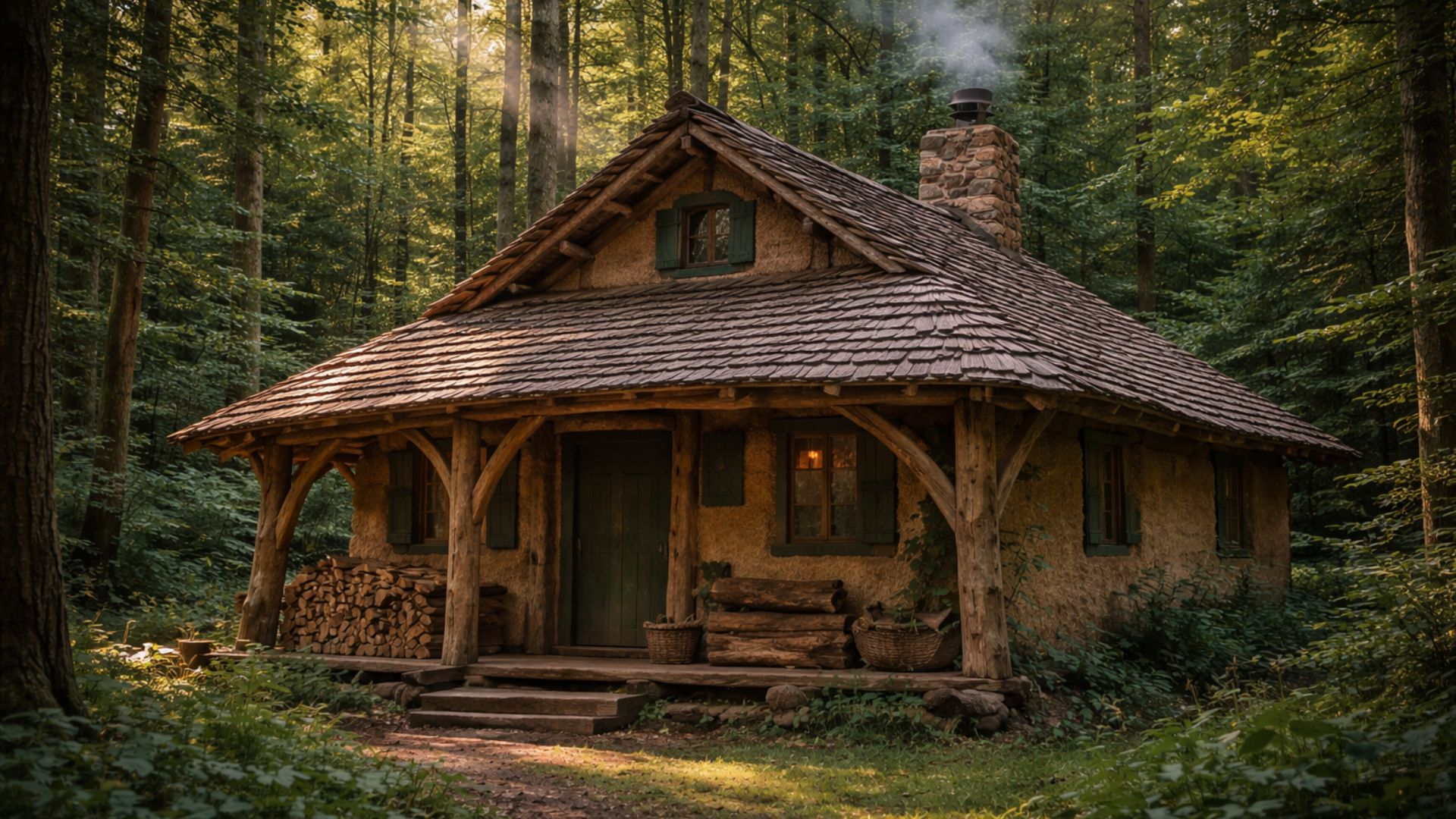
Handcrafted Construction in English Forest Uses Local Wood, Straw, and Natural Plaster, Adopts Off-Grid Systems for Energy, Water, and Sanitation, and Gains International Recognition After Appearing on British TV Architecture Show, Becoming a Reference in Low-Impact Traditional Techniques.
In a forest area in West Sussex, in southern England, forest worker Ben Law built a residence primarily using natural materials and low environmental impact techniques.
Known as Woodland House, the house was erected in 2001 using sweetchestnut timber sourced from the forest itself, walls insulated with straw bales, and finished with lime and earth plaster.
The project was designed to operate without connection to public energy, water, and sewage networks and gained visibility after being featured on the British show Grand Designs, aired by Channel 4.
-
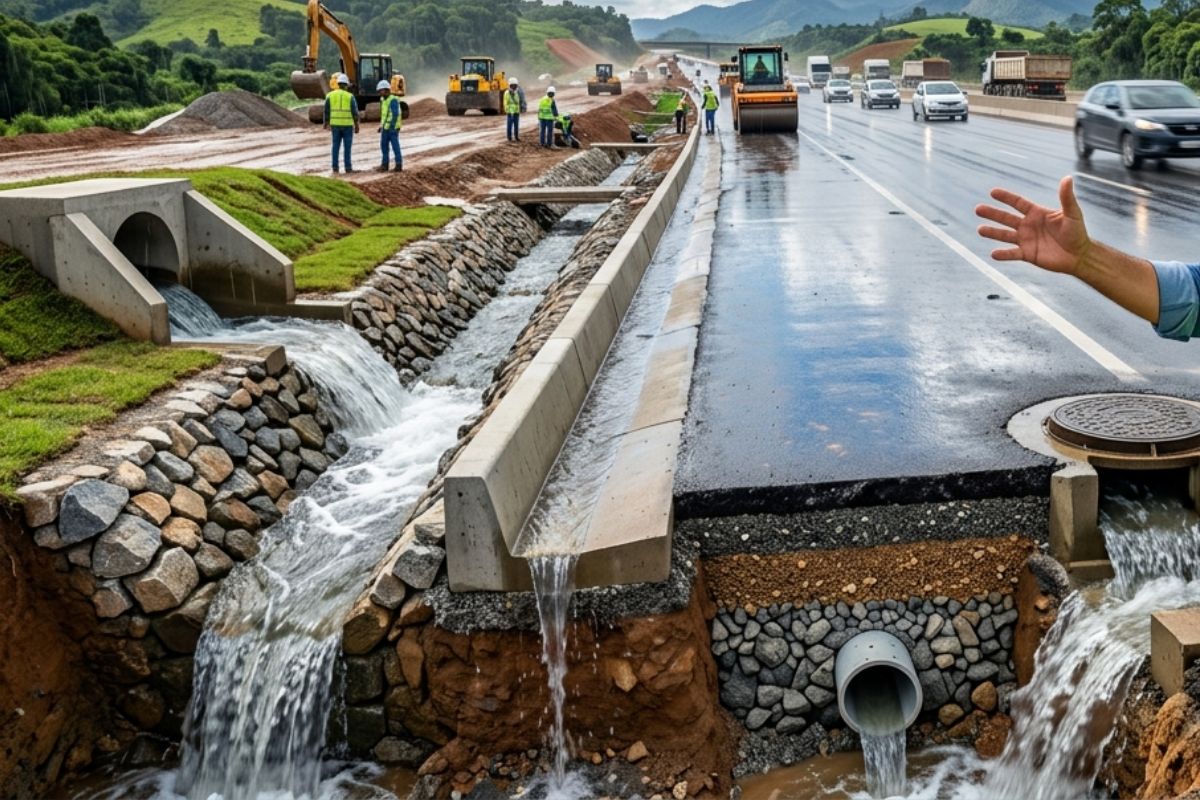
Engineer explains drainage during the rainy season: the difference between surface water and deep water, ditches, gutters, and water outlets on the road, as well as drains and drainage mattresses, to prevent erosion, aquaplaning, and flooding at the construction site today.
-
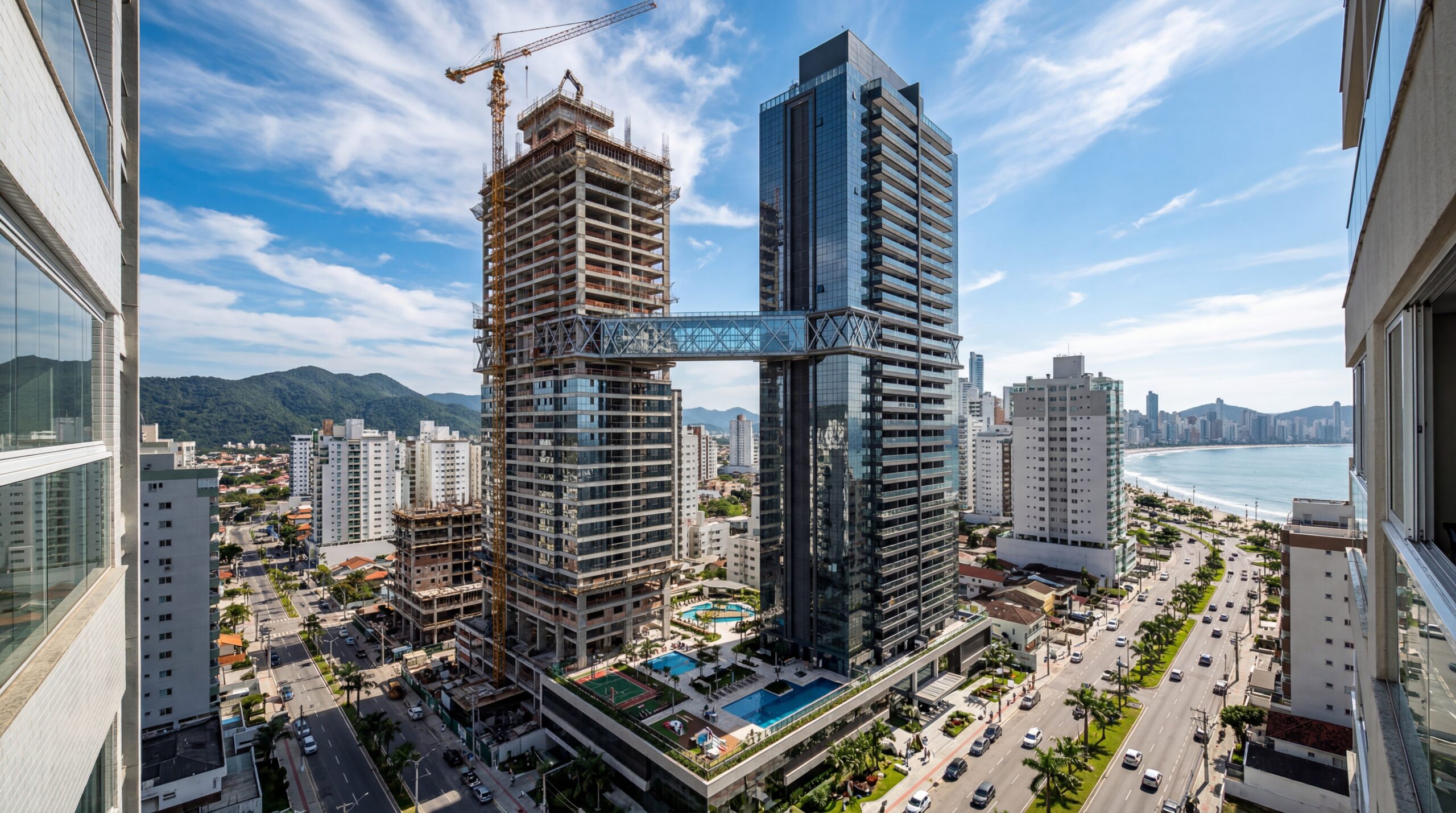
With 55 floors, 177 meters in height, a 15-meter walkway between the twin towers, ventilated facade, and 6,300 m² of leisure space, Ápice Towers already has one tower completed and another nearly at the top.
-
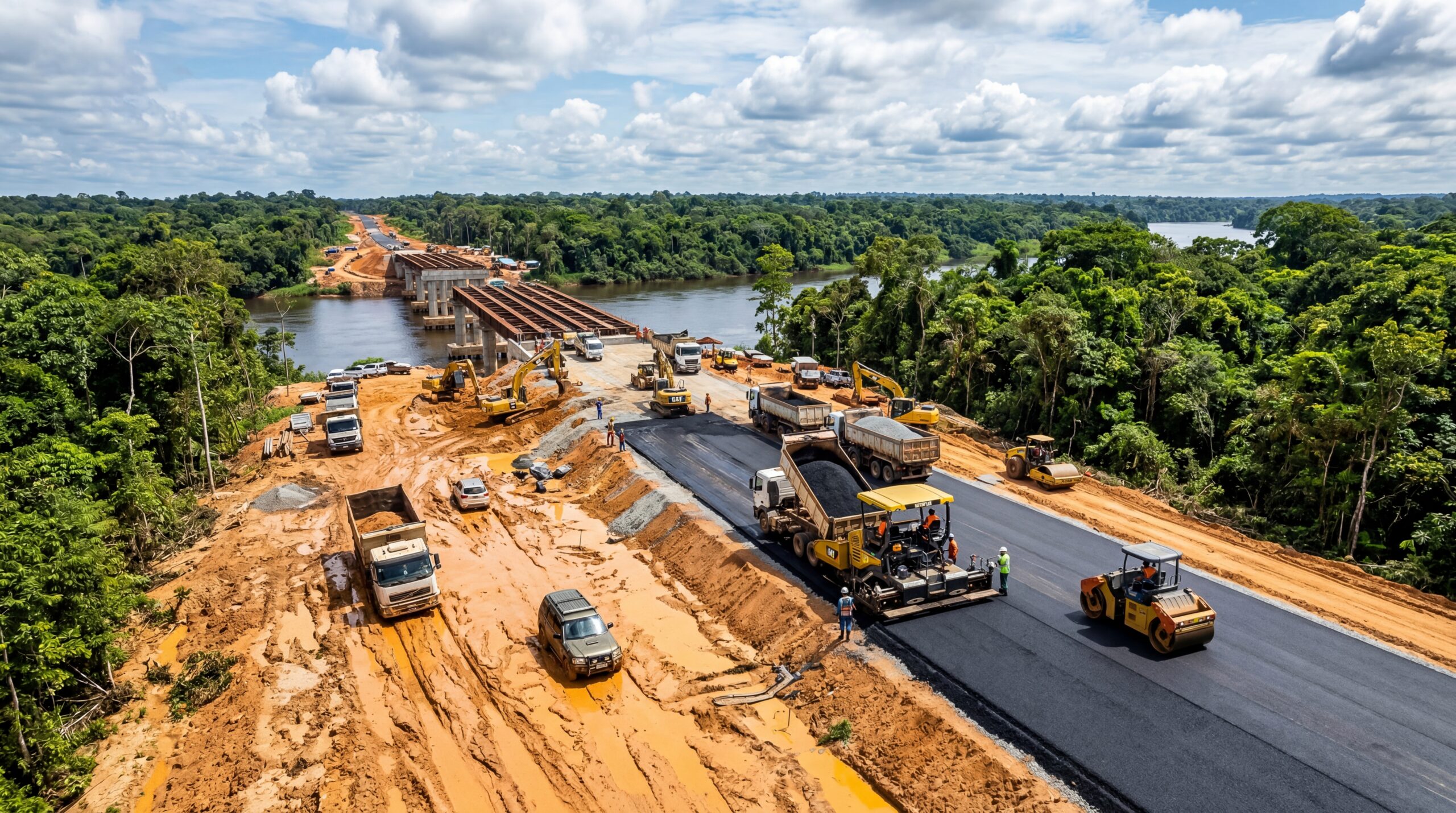
After nearly 50 years of neglect, BR-319 receives R$ 678 million to pave 340 km, gain a 320-meter bridge, and try to lift Amazonas out of the mud, the quagmire, and road isolation.
-
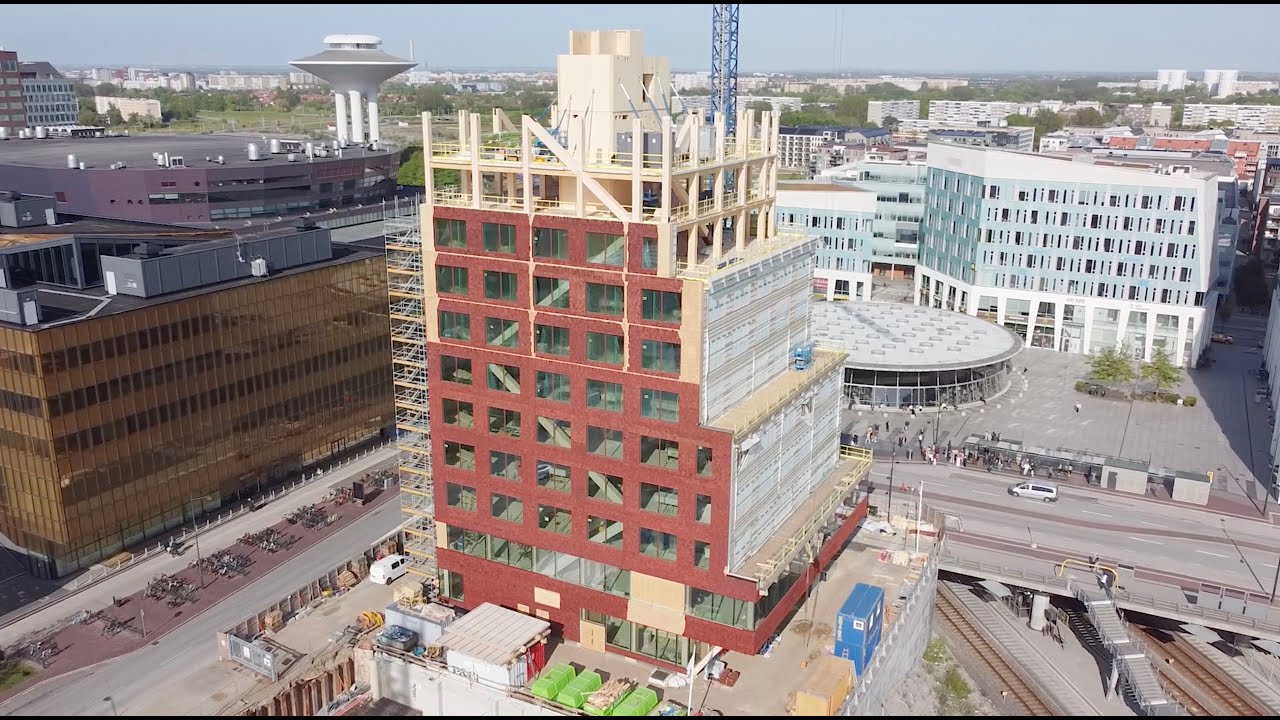
In Sweden, a 51-meter tower was built almost entirely of wood, without a concrete structural core and with solar panels integrated into the facade, using CLT and laminated beams to challenge the dominance of steel and concrete in modern buildings.

Construction Method Without Heavy Machinery
The construction drew attention for adopting a method that reduces the need for heavy machinery and deep soil intervention.
According to reports published in the British press, most of the structure was assembled manually with the help of simple winches, ropes, and pulleys.

Instead of industrial equipment, the process involved coordinated work by a small number of people to position the wooden pieces forming the building’s skeleton, respecting the terrain’s topography and the forest surroundings.
Structure with Traditional Roundwood Timber
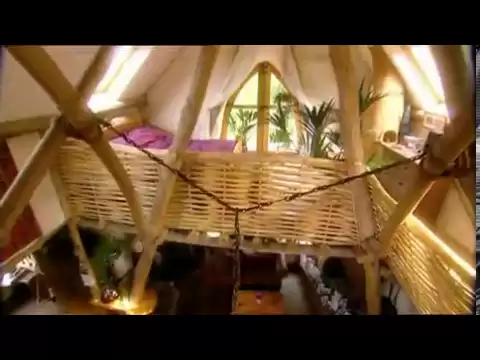
The structural system is based on roundwood timber frames, a traditional technique known as roundwood timber framing.
The main beams were arranged in pairs at an angle, forming “A” structures that support the central ridge.
This approach, according to technical descriptions associated with the project, allows the use of minimally processed trunks, retaining their original shape and reducing industrial stages of cutting and processing.
Roof with Thousands of Wooden Shingles
One of the most labor-intensive aspects of the construction was the roof.
A report from The Guardian indicated that the roof received around 12,000 wooden shingles, handmade from sweetchestnut.
The pieces, known as shingles, were individually cut and layered over the roof structure.
The use of this type of material is associated with traditional rural building practices in the UK and was possible, according to the same source, because the species used was available in the forest where Law works.
Straw and Natural Plaster Walls

The walls of the house were filled with straw bales, chosen as a thermal insulation element.
According to The Guardian, the bales were about 40 centimeters thick and were sourced from a local producer.
For protection, the walls received lime plaster, a material that helps reduce moisture and degradation risks.
Internally, clay plaster was applied, while the exterior was clad with oak boards, a solution adopted to increase the construction’s durability against the region’s climatic conditions.
Life Off the Public Utility Grid
The project also incorporated solutions for functioning outside the conventional utility networks.
According to the report from the British newspaper, the decision not to connect to public grids took into account both financial costs and the environmental impact of digging trenches for pipes and cables in a wooded area.
The house uses a dry composting toilet system, with organic matter being allocated to cultivation areas.

Water for consumption and domestic use comes from a nearby spring and rainwater collection from the roof.
Solar, Wind Energy, and Wood Heating
In terms of energy, the Woodland House features photovoltaic panels and a small wind turbine, paired with a battery storage system.
Heating for the environment and water is primarily done by a wood stove, fueled by waste from forest management carried out by Law.
In another article published by The Guardian in 2006, the setup is described as a complete off-grid system, comprising solar, wind energy, and wood heating, with no connection to the public electricity grid.
Recognition After Appearance on Grand Designs
The house became known to the general public after its appearance on the show Grand Designs.
On Ben Law’s official website, the project is presented as a practical application example of roundwood timber framing and is noted as the work that brought this technique to a wider audience.
The same page states that the episode dedicated to Woodland House was chosen as a favorite by the public and the show’s host, Kevin McCloud, in internal voting by the channel.
Repercussions and Limits of Replication
The case’s repercussions also appear in analyses from the British press on housing and sustainability.
The Guardian described Woodland House as a fully functional residence, emphasizing that it was designed for everyday use and not just as a conceptual demonstration.
At the same time, the newspaper noted that the builder himself recognizes limits to replicating this model, especially due to the dependence on access to forest areas, land use permissions, and availability of local materials.

Book, Visits, and Ongoing Interest
Besides the house itself, the project led to publications and educational activities.
Reports indicate that Law published a book describing the construction stages and began developing other structures using similar techniques, such as cruck frames, associated with traditional British buildings.
The official project website further informs that Woodland House remains on its original site and is occasionally open for visits during events organized by the builder himself.
International Curiosity About Alternative Constructions
The case continues to be cited in reports and specialized content for bringing together characteristics that consistently spark the public’s interest, such as manual construction, use of natural materials, and self-sufficiency in relation to public services.
For readers outside the UK, the combination of a fully habitable house with solutions like straw walls, earth plaster, and self-generated energy tends to generate curiosity, especially when associated with a project widely documented by media outlets and a high-profile television program.




-

-

-

-

-

34 pessoas reagiram a isso.