





 Portuguese
  English
  Spanish
  4 min of reading
  0 comments


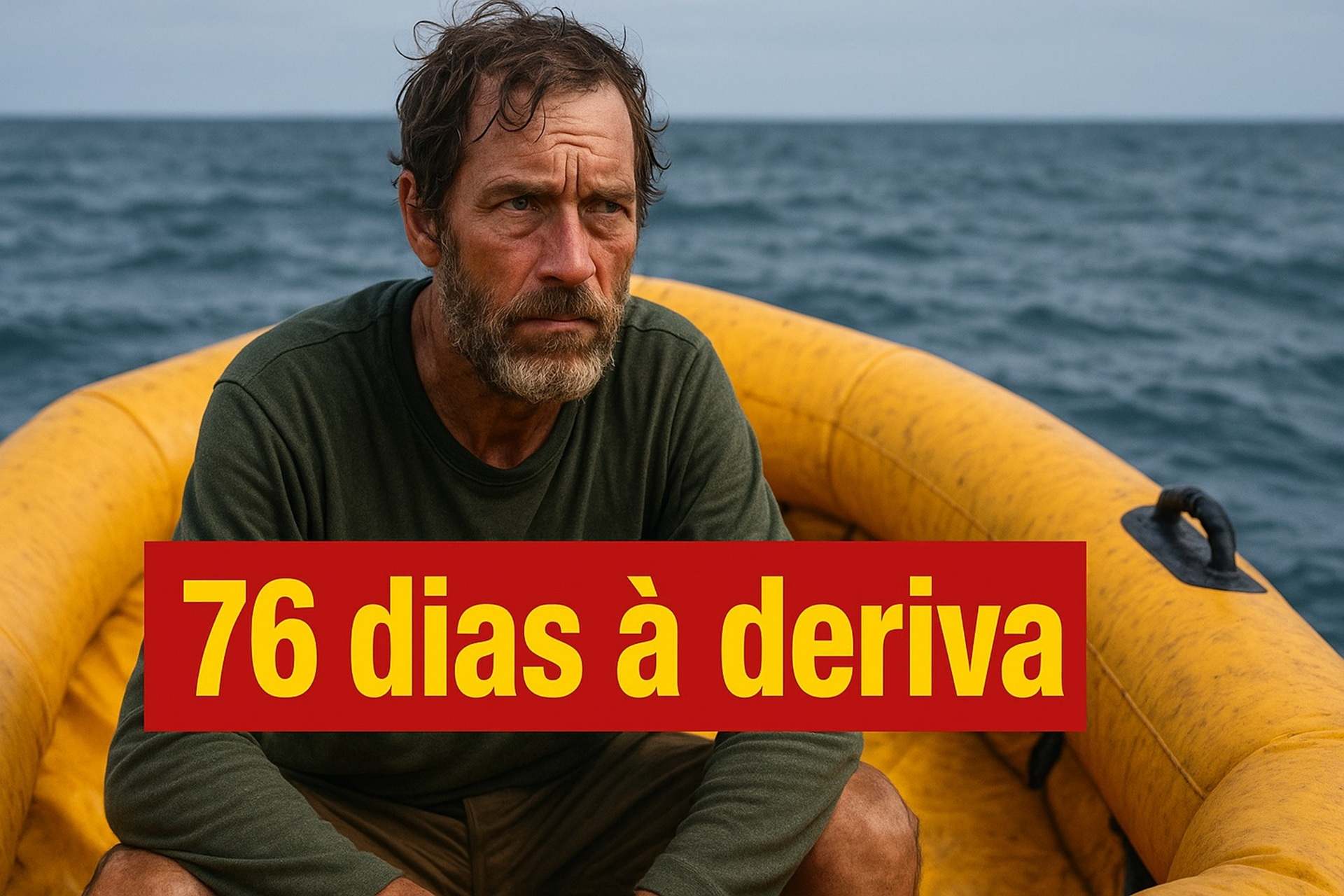
In 1982, American sailor Steven Callahan lost his 6.5-meter boat in the Atlantic, survived 76 days on a two-meter inflatable raft, and traveled approximately 2,900 km until being rescued in the Caribbean, a fact that became a world reference in maritime survival
In 1982, American sailor Steven Callahan saw his 6.5-meter boat sink in the Atlantic and spent 76 days adrift on an inflatable raft, traveling about 2,900 nautical miles until being rescued in the Caribbean.
From Atlantic Crossing to Shipwreck in the Middle of the Night
Callahan departed from El Hierro, in the Canary Islands, on January 29, 1982, aboard the sailboat Napoleon Solo, a 6.5-meter sloop designed and built by him, heading to Antigua in the Caribbean.
About seven days after departure, amid a nighttime storm in the Atlantic, the hull of the boat was violently pierced by an unidentified object, causing the vessel to quickly flood, although it did not sink immediately thanks to the watertight compartments.
-
A rare storm transformed part of the Gulf into an unlikely scene of hail, extreme rain, and tornado risk in the middle of the desert, with volumes that exceeded the annual average in a single day.

-
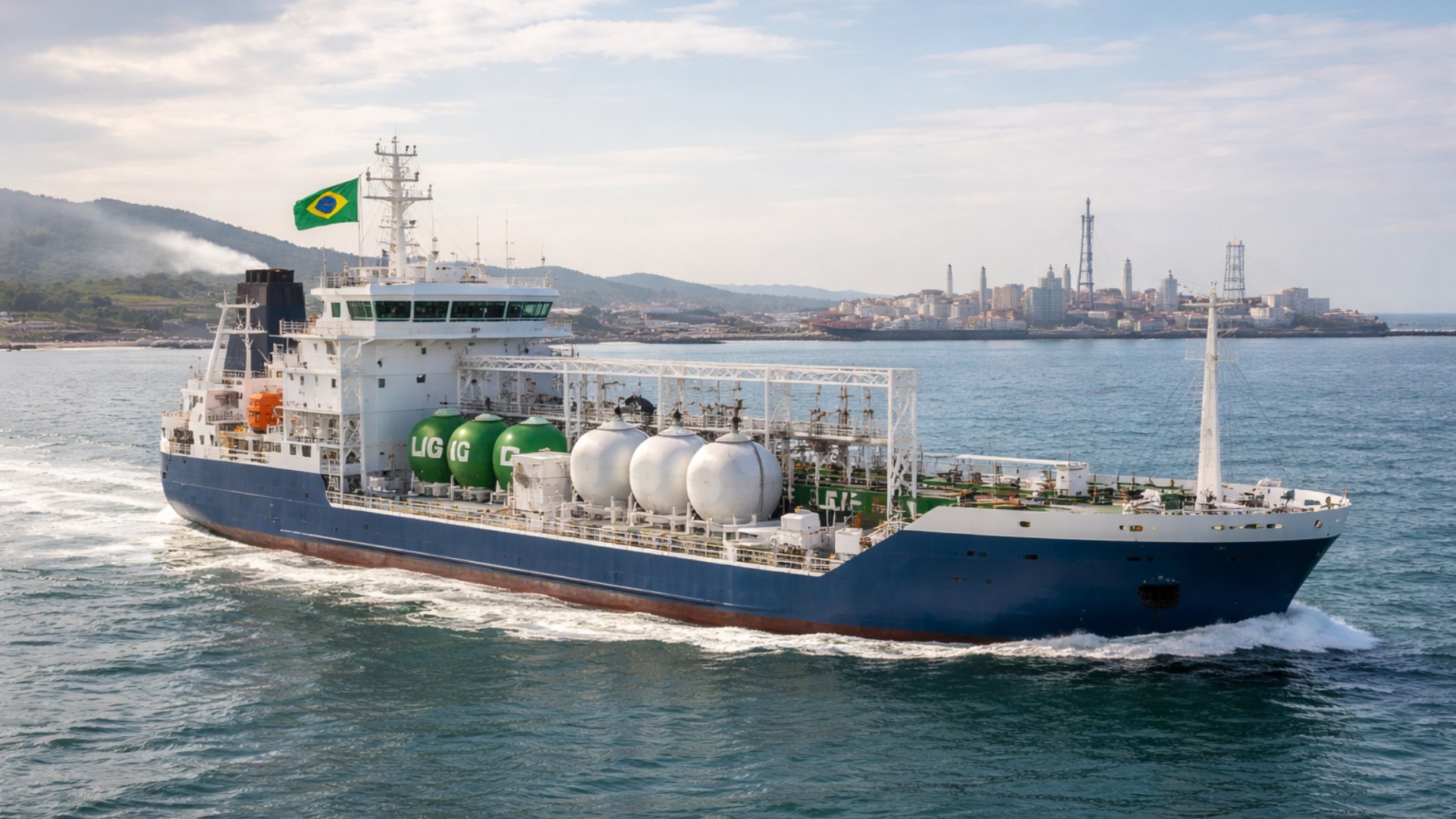
Brazil catches the world’s attention with ships powered by ethanol and biodiesel that have lower emissions, an unprecedented certification with advantages in chartering, and a revolution in cabotage.
-
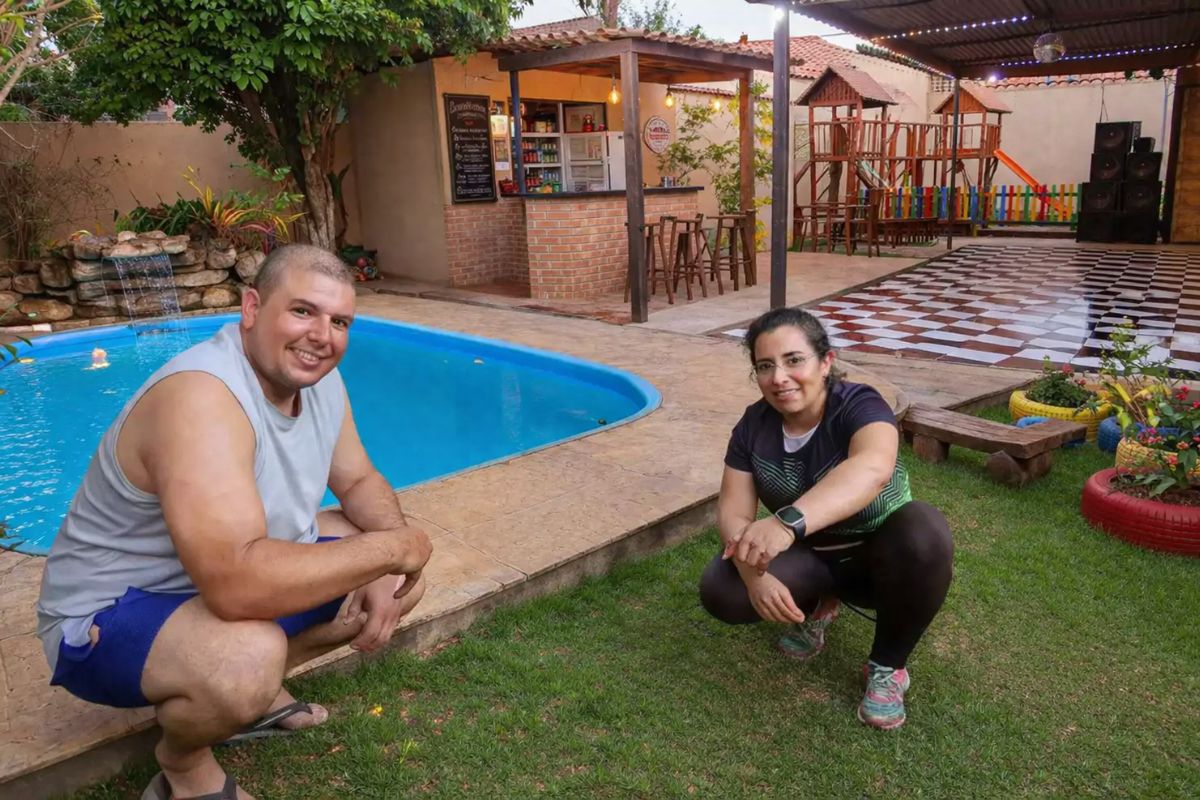
A couple who only has Sundays free has built a hand-dug pool, a hamburger joint, a dance hall, and a playground in their own home without hiring a mason, and even with breaks due to accidents and the pandemic, the work has never truly stopped.
-
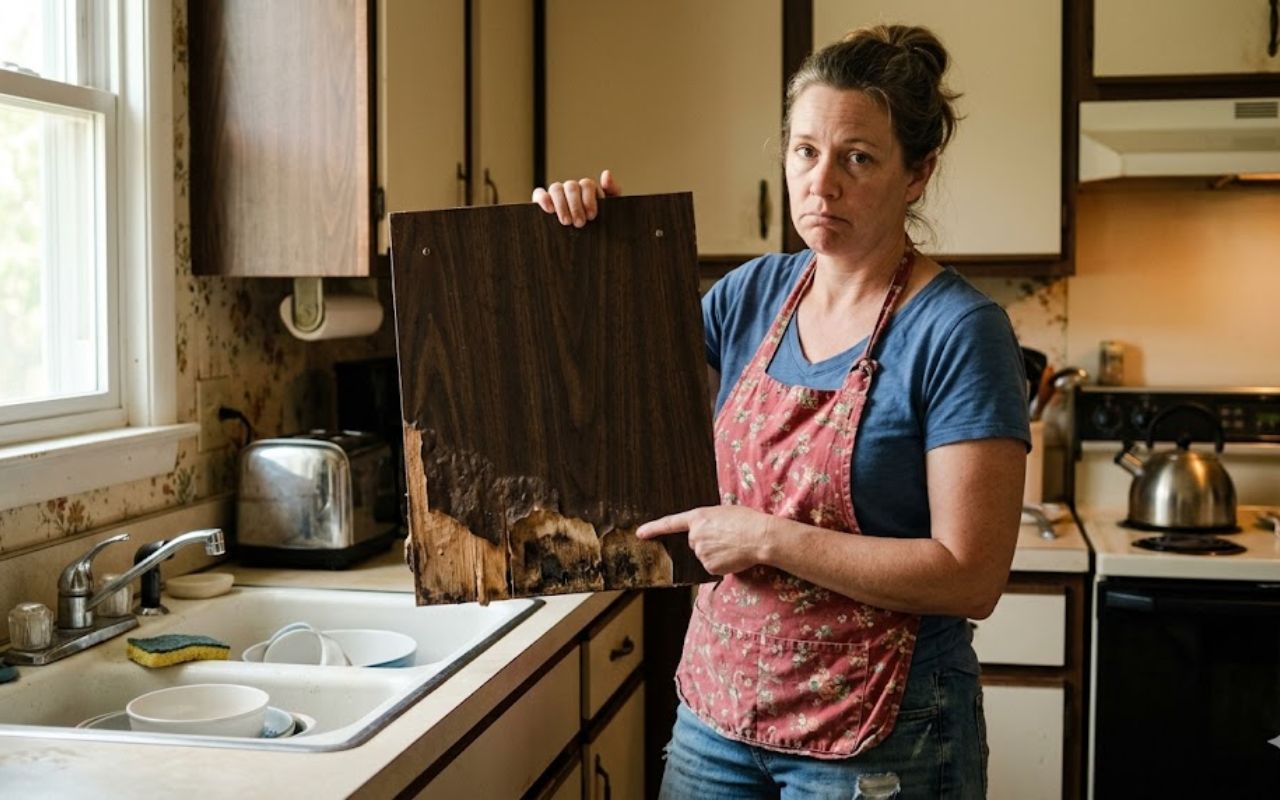
Furniture made with aluminum and glass does not warp and has become an alternative to replace MDF in Brazil.

Unable to remain onboard, the sailor abandoned the Napoleon Solo for a six-person inflatable life raft, approximately two meters in diameter, returning a few times to the sailboat to gather essential equipment and supplies before drifting away for good.
Survival Routine on a Six-Foot Raft
From the wreckage, Callahan managed to salvage a small amount of food, nautical charts, a spear gun, flares, a flashlight, a survival manual, and solar stills, which would become vital for daily freshwater production.
With the rapid depletion of emergency food, he began to rely on the marine life that gathered around the raft, mainly fishing for mahi-mahi, other fish, flying fish, as well as capturing seabirds and harvesting barnacles stuck to the structure.
To drink, Callahan used two solar stills and improvised other methods to collect rainwater, averaging just over half a liter per day, a volume considered minimal to maintain vital functions in an environment of intense sun exposure.
In later interviews, the sailor compared that period to living as a “cave man of the sea,” noting that he had to relearn basic habits, from fishing to repairing the raft, to adapt his routine to the limitations of the emergency equipment.
Drift, Failure to Rescue, and Physical Deterioration
For 76 days, the raft drifted propelled by the trade winds and the South Equatorial Current, crossing two shipping lanes, in which Callahan spotted at least nine ships, unable to be located despite flares and a radio beacon.
At the time, emergency beacons were not yet monitored by satellite, and according to the survivor himself, the combination of geographic isolation and technical limitations drastically reduced the chances of a rescue initiated by an electronic signal.
Throughout the drift, the raft suffered punctures and partial loss of buoyancy, forcing the sailor to make successive repairs, including in a situation he classified as the most critical point, when he spent days pumping air to avoid definitive sinking.
The combination of caloric restriction, intermittent dehydration, exposure, and physical exertion resulted in a loss of approximately one-third of his body weight and multiple saltwater sores, recorded by Callahan in notes made during the crossing.
Rescue in the Caribbean and Post-Shipwreck Reconstruction
On the night of April 20, 1982, Callahan spotted lights from the island of Marie Galante, southeast of Guadeloupe, indicating proximity to the Caribbean coast after about 1,800 nautical miles of drift in the Atlantic.
The following day, local fishermen identified the raft near the coast, initially attracted by the fish following the small vessel, and rescued the sailor on the 76th day of drift, ending the sequence of unsuccessful attempts to contact ships.
After the rescue, he was taken to a local hospital for immediate care and then spent weeks in recovery, including stays on land and transfers by vessels in the Caribbean area, according to later reports.
Book, Documentary, and Impact of the 76-Day Account
In 1986, Callahan published the book “Adrift: Seventy-Six Days Lost at Sea,” in which he detailed his drift on the life raft and the procedures he considers crucial for survival during long periods of maritime isolation.
The work remained on the New York Times bestseller list for more than 36 weeks and has been cited in navigation courses, survival training, and maritime safety materials used by different institutions.
Decades later, the account inspired the documentary “76 Days Adrift,” released in 2024, with executive production by Ang Lee and direct participation from Callahan, which revisits the 76 days in the Atlantic and transforms them into a feature-length audiovisual narrative.
In addition to the book and film, the case has been included in television programs about extreme survival and is frequently cited as one of the longest documented periods of solitary survival on a life raft in the Atlantic Ocean.








-

-

5 pessoas reagiram a isso.