





 Portuguese
  English
  Spanish
  6 min of reading
  0 comments


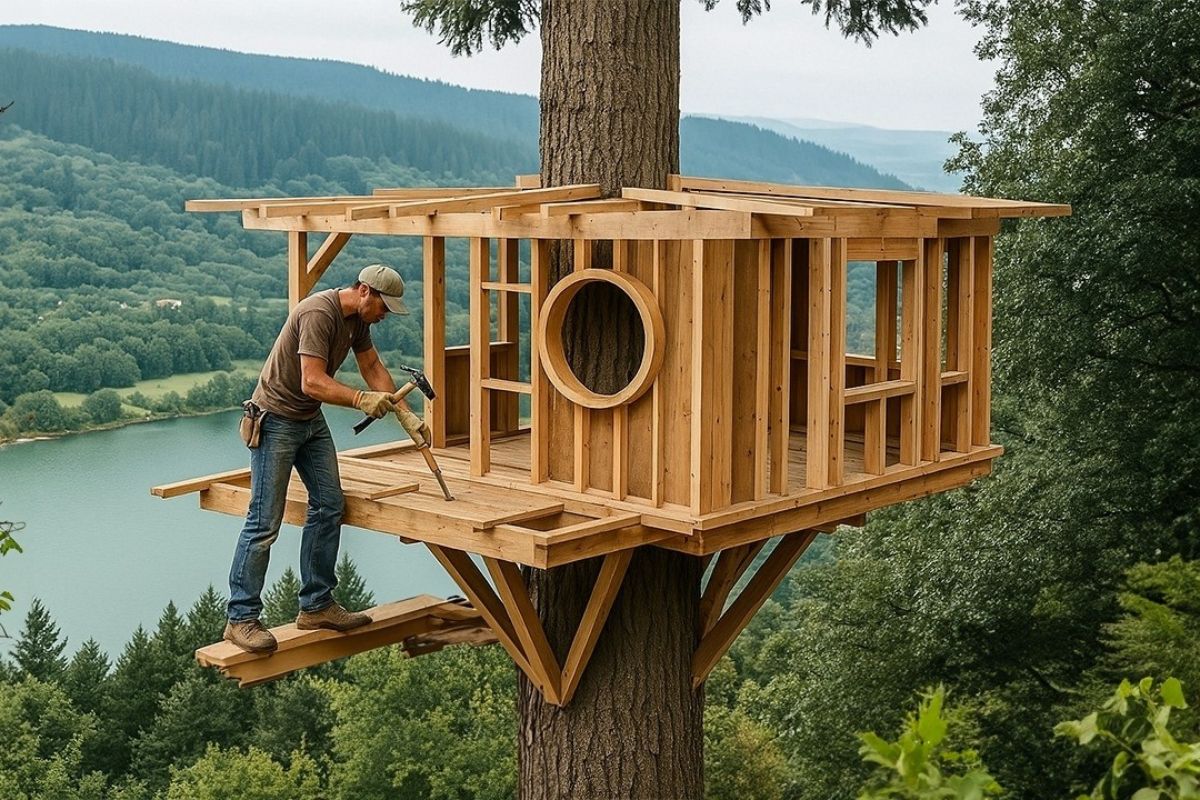
From Scratch, He Chooses the Location, Cuts Unnecessary Trees, Separates Thick Logs, Erects a Balanced Platform, and Covers the Floor with Moss as Natural Insulation. Then, He Assembles Walls, Roof, Handmade Stairs, a Window with Glass, and Installs a Stove with a Chimney to Heat the House During the Harsh Winter.
The idea of building a house alone in the middle of a silent yet dangerous forest seems impossible when the scene is dominated by wild animals and isolation. Still, it was exactly this challenge that led one man to start, from scratch, the construction of a tree house with his own hands, step by step, until turning raw wood into a functional elevated refuge.
The project begins with simple but decisive decisions and progresses with a level of care that stands out. No blueprints, no sketches, just skill, experience, and a keen eye for balancing weight, fittings, and protection, the construction grows from the ground up until it becomes a habitable house, heated by a stove and designed to withstand wild life.
Choosing the Spot and the Start in the Heart of the Forest

The first step is straightforward: he chooses a spot right in the heart of the forest.
-
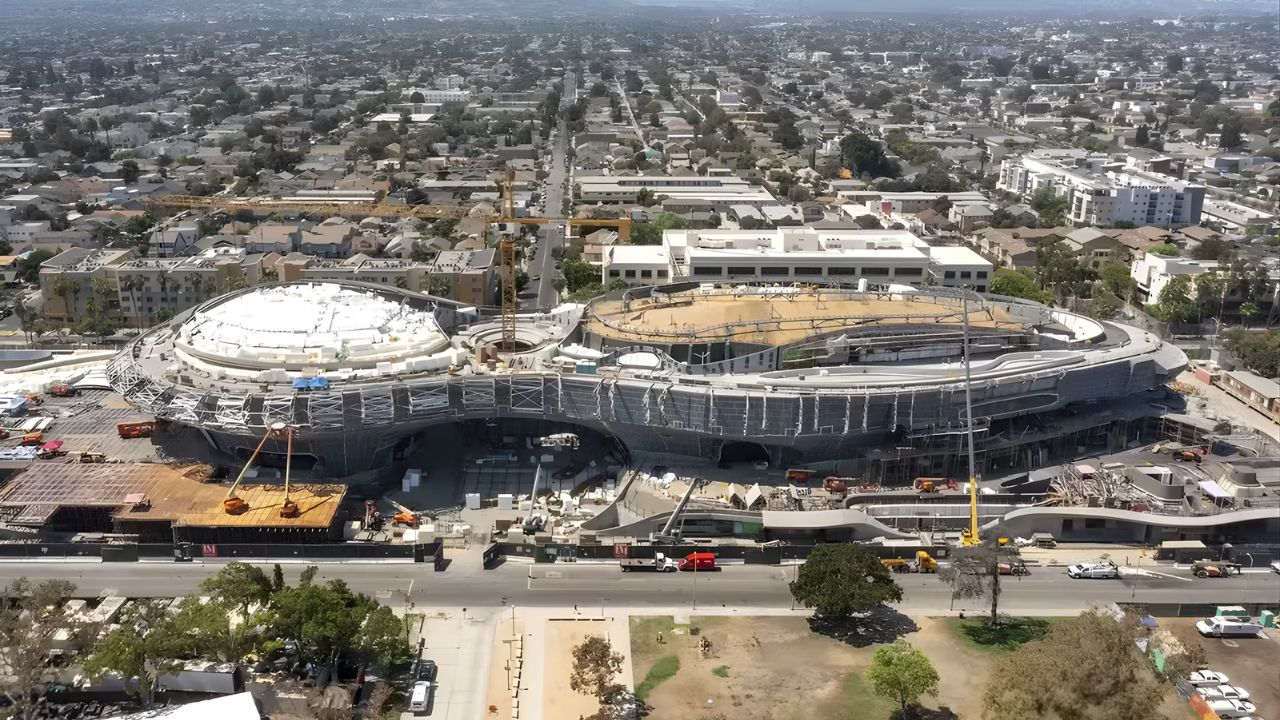
Created by George Lucas with over $1 billion, a futuristic museum in the shape of a spaceship with 1,500 curved panels is about to open in Los Angeles and will house one of the largest private collections of narrative art in the world.
-
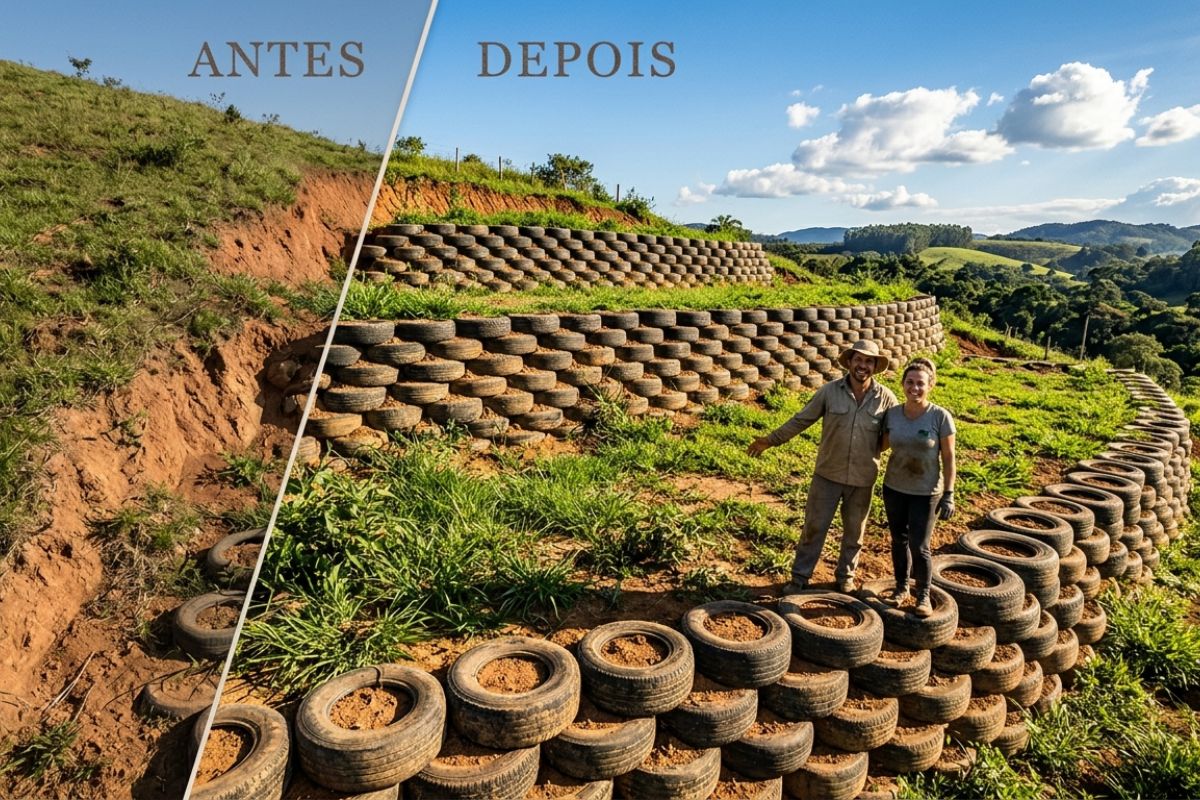
Couple shows how they built a retaining wall on their property using 400 old tires: sloped land turned into plateaus, tires are aligned, filled, and compacted with layers of soil, with grass helping in support and at almost zero cost.
-
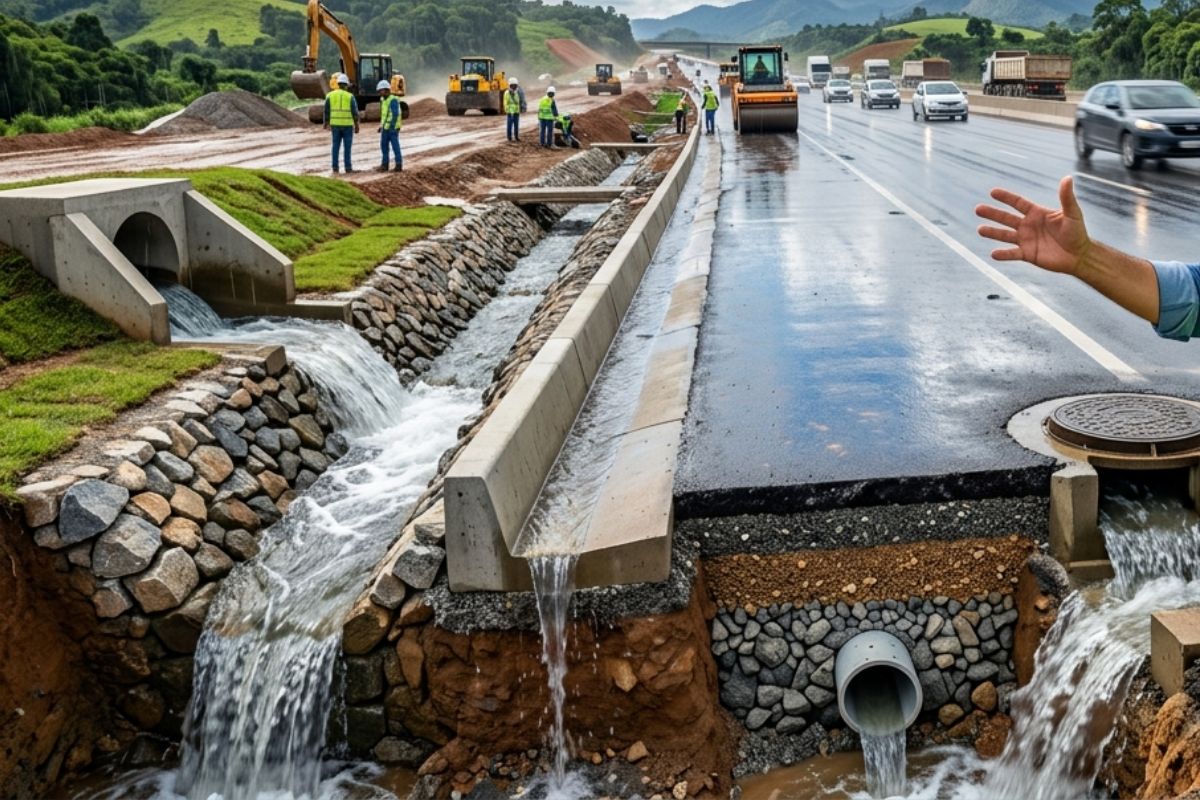
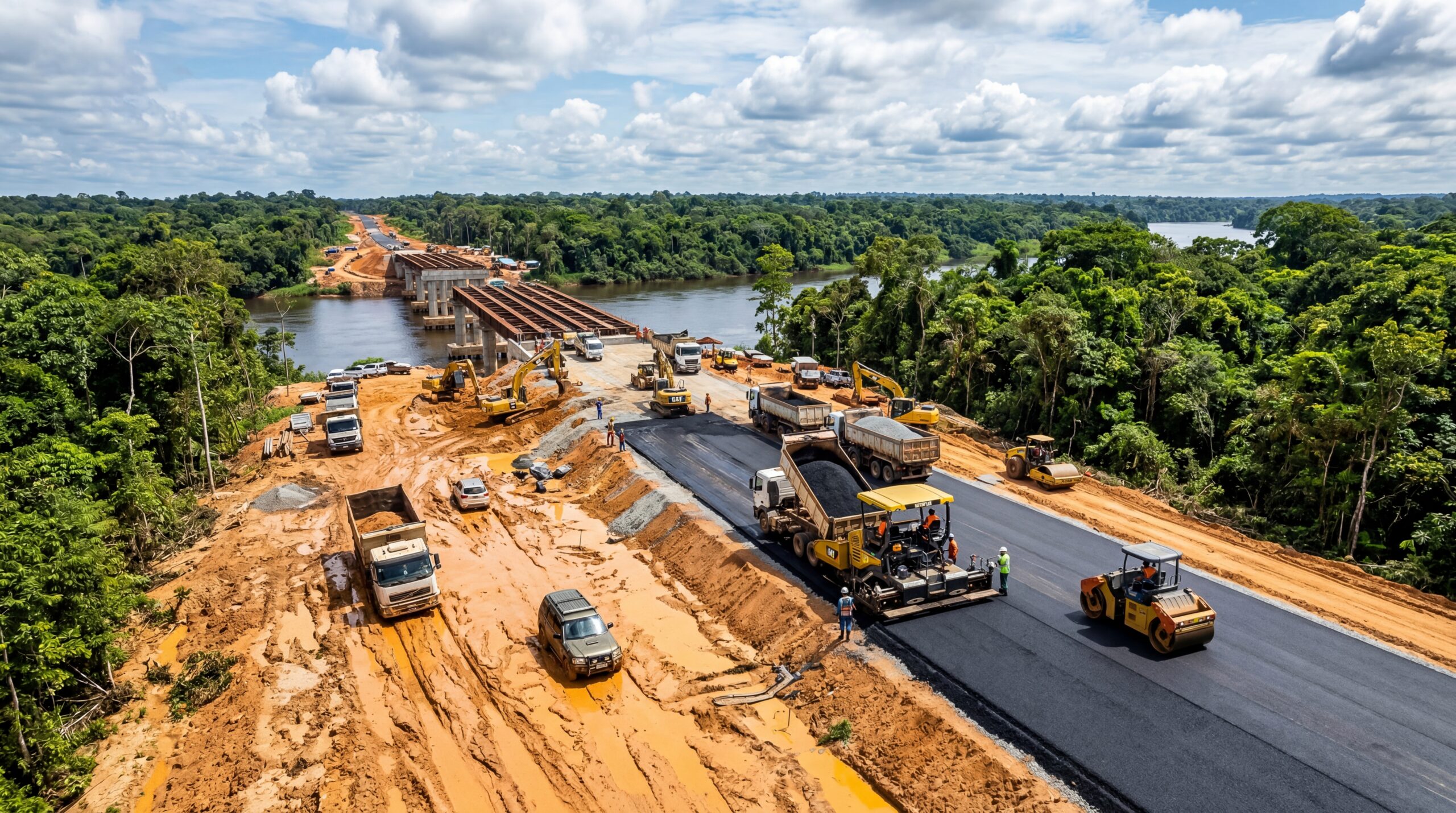
Engineer explains drainage during the rainy season: the difference between surface water and deep water, ditches, gutters, and water outlets on the road, as well as drains and drainage mattresses, to prevent erosion, aquaplaning, and flooding at the construction site today.
-
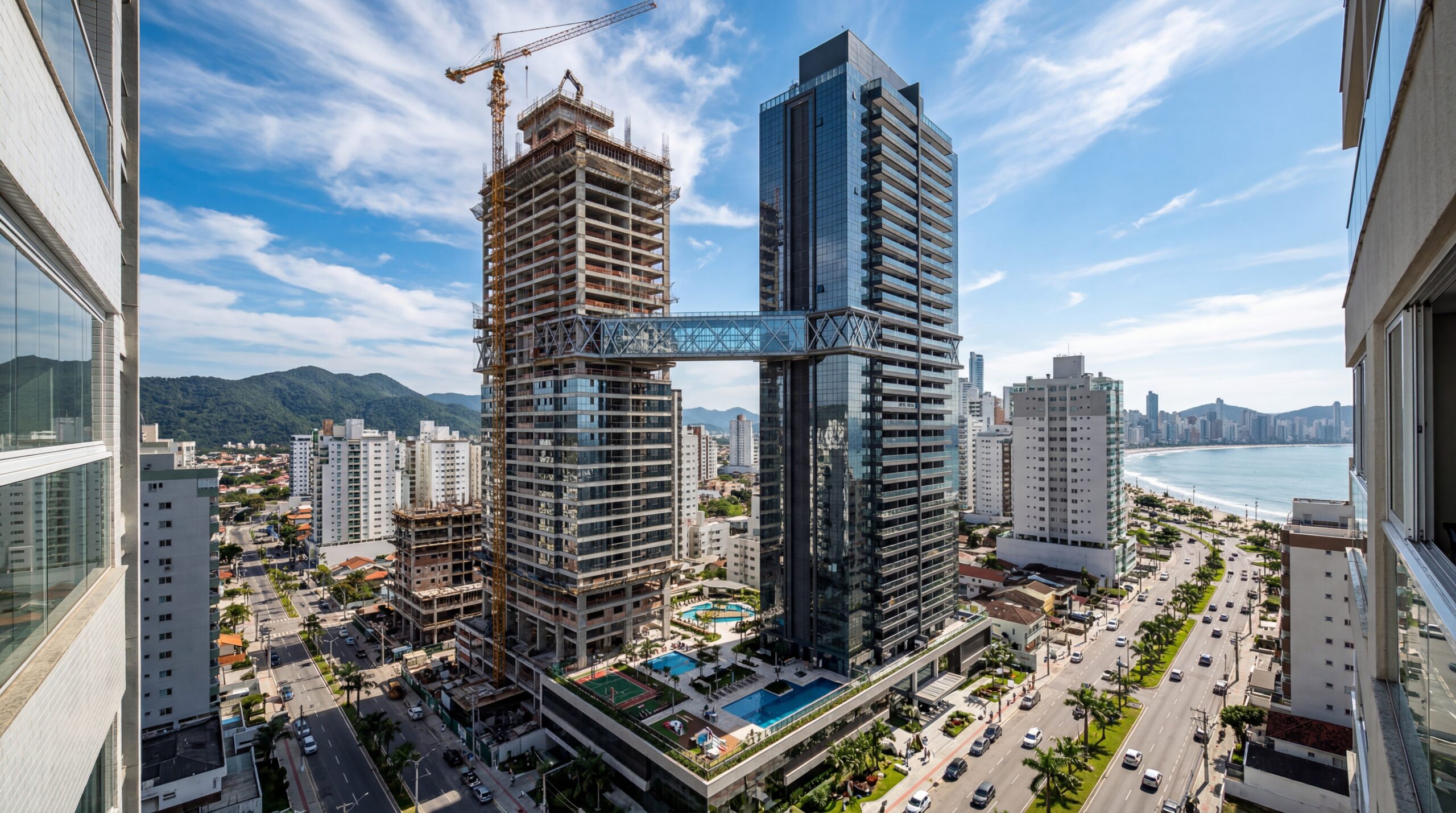
With 55 floors, 177 meters in height, a 15-meter walkway between the twin towers, ventilated facade, and 6,300 m² of leisure space, Ápice Towers already has one tower completed and another nearly at the top.

Before raising any structure, he examines the ground, measures the position, observes what needs to be removed, and determines where the construction can be most stable.
Trees deemed unnecessary are cut down, and thick logs are carefully separated.
Nothing is chosen randomly.
Each log already has a predicted role because some of them will become supports and braces to sustain the future tree house.
Logs, Boards, and the First Fittings of the Structure

With the location defined, the first logs begin to be positioned, and the boards are transported to the chosen spot. They start to be stacked and organized to form the base of what, little by little, stops being just preparation.
He leans over the logs and fixes connection points precisely. Each piece is fitted as if the forest were an outdoor workshop.
The structure officially begins to be erected, and balance becomes the central requirement, as the platform will need to support the entire weight of the house.
What impresses is how the work evolves without relying on visible drawings.
The construction is guided by measures, alignment, and experience, while the platform gains stability and begins to suggest that something real is being born above the ground.
Platform Ready and Natural Insulation with Moss on the Floor

When the platform is ready, he goes beyond the basics and brings in an unlikely material: moss. He covers the ground with moss collected directly from nature, creating a layer that functions as natural insulation.
There’s no foam, there’s no synthetic material. Everything is natural and intentional. The base is both soft and sturdy, integrating the structure into the environment.
This detail changes the feeling of the space because the tree house stops being just wood on wood and gains a layer that enhances comfort and protection.

Walls, Reinforcements, and Roof: When the Tree House Takes Shape
With the supporting posts in place and the floor reinforced, the construction enters a stage where the house begins to take real shape.
The upper platform is assembled, and the logs are fitted one by one. The first wall is completed, and the project stops looking like an elevated platform.
The joints are reinforced, the roof begins to be defined, and the overall lines of the structure appear clearly.
The roof is not just a cover, it signifies that the house is becoming a real shelter. The construction begins to provide protection on top and, at the same time, integrates with the surrounding environment.
At each stage, the logic repeats itself: reinforce, adjust, fit, check balance, move forward. The result is a tree house that grows consistently and without shortcuts.
The Handmade Transport Cart to Carry Materials
Building an elevated house requires solving a constant problem: transporting materials up high. A regular cart won’t do, so he builds his own custom transport cart.
The wheels are attached, the connections are tightened, and the metal handles are installed.
The cart becomes an efficiency tool, reducing effort and speeding up work because now materials can be moved more stably within the forest.
This type of solution shows a pattern in the project: when a limitation arises, he doesn’t stop. He adapts and builds what is needed to continue.
Robust Stairs and Hand-Carved Supports
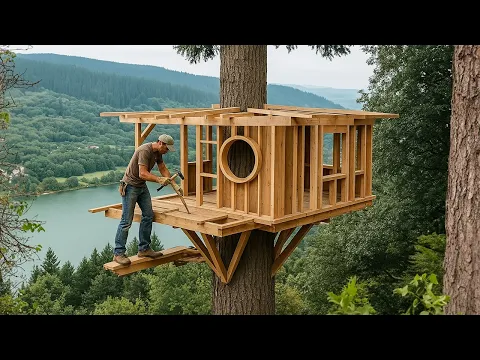

As the house rises, the work becomes more delicate. Logs and boards stop being just a base and become functional components, such as the stairs.
The boards are shaped into a robust staircase. Each step is positioned precisely, and the joints are hand-carved with an axe.
This is not a carpenter repeating a manual. It’s a craftsman solving problems at the heart of nature.
At the same time, the second floor is prepared to fit perfectly into the tree trunk. The connection points are shaped to match the natural form of the wood, reinforcing the stability and safety of the house.
Window with Glass, Natural Light, and Refuge Atmosphere
With the structure advanced, details that transform a shelter into a home come in. He takes measurements, places the window frame, and carefully installs the glass.
Natural light changes the interior. The house gains brightness and a sense of protection, maintaining a connection with the outside without compromising security.
The walls receive natural moss, reinforcing the idea of refuge in the forest and creating an atmosphere that feels part of the environment, not an intrusion.
At this point, the stairs are already solid, the door is open for finishing touches, and the house stands out as an elevated living space, designed to remain.
The Stove Installed Inside the House and the Chimney to Warm the Interior

The most crucial touch appears when he installs a small but powerful stove inside the house. The solid metal of the appliance, along with the way it is mounted, ensures that the interior can remain warm even during intense cold.
The pipes are carefully positioned, the exit point is adjusted, and the chimney is directed outside. This is not just heating; it’s a proof of habitability.
The structure stops being merely a shelter and solidifies as a house in the forest, where nights can be warm, and mornings can start with light coming through the window.
With the stove lit, the space allows for simple actions that define comfort: warming the body, preparing tea, even cooking a meal.
Outside, the environment remains dark and silent, but inside the house, a feeling of peace and security reigns.
Door, Finishing Touches, and the Final Transformation into a Complete House
The work continues with wood measured and cut to the correct dimensions. Each piece is placed carefully, including the entrance door.
The installation of the door is not just aesthetic: it reinforces the sense of protection, privacy, and closure against wildlife.
Every detail is designed as part of a functional whole. The structure that started as logs on the ground now presents itself as a complete house, elevated, with a sturdy staircase, installed window, naturally insulated interior, and heating by stove.
Then comes the moment when smoke rises from the chimney, and warm light marks the completion.
He steps back and leaves the house shining behind him, like a refuge built by the determination of a single person in the middle of the forest.
Would you have the courage to build a house like that alone, from scratch, in the middle of the forest?








-

-

2 pessoas reagiram a isso.