





 Portuguese
  English
  Spanish
  6 min of reading
  0 comments


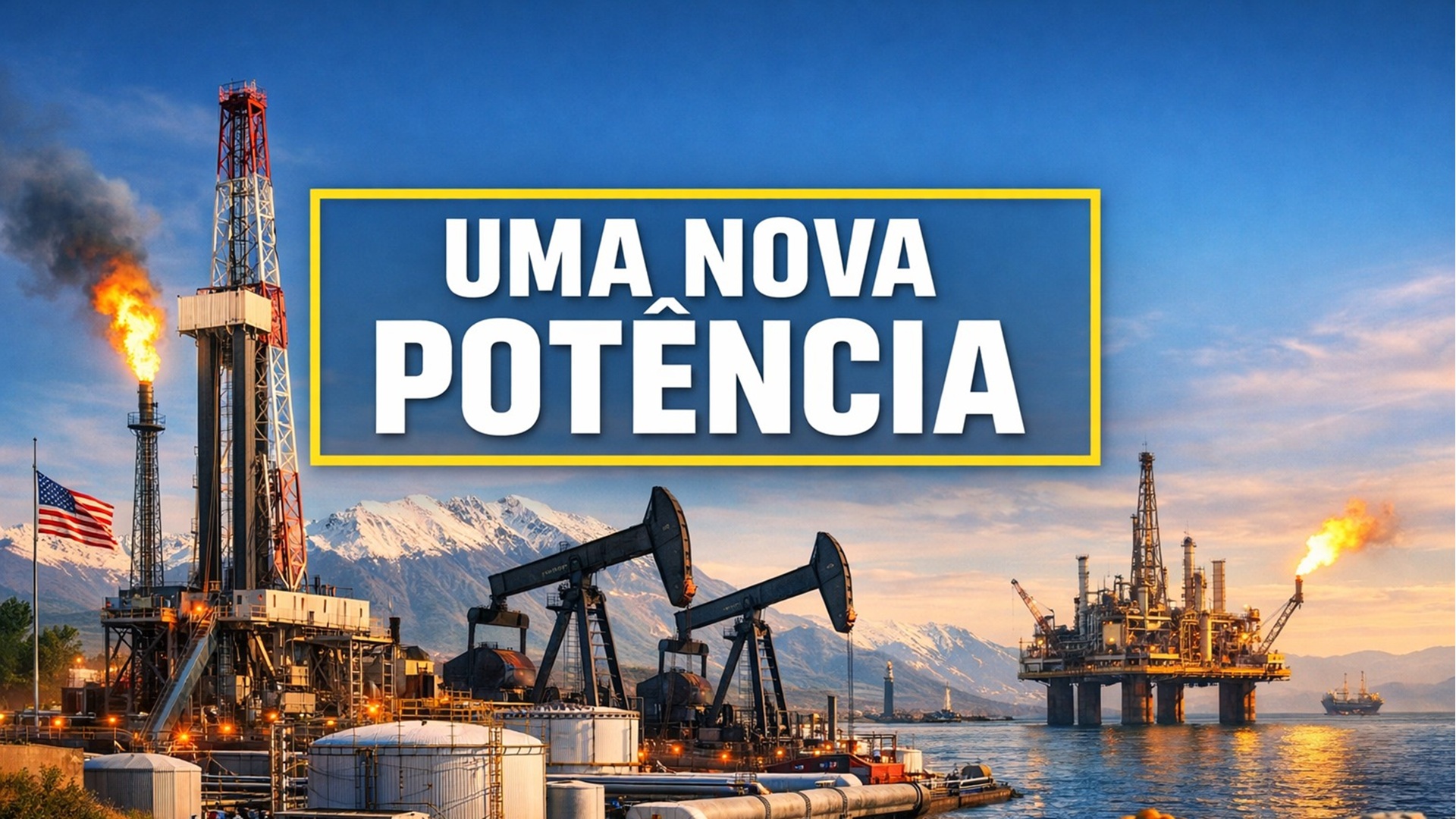
Separatist Movement in North America Secures Legal Approval to Seek Referendum and Negotiates Billion-Dollar Credit with the United States, Aiming to Transform the Region Holding Vast Energy Reserves into a New Sovereign and Strategic Country.
Driven by recent legal advances that paved the way for a self-determination referendum, a separatist movement in North America is working to establish, possibly as early as 2026, a new sovereign country on the immediate border of the United States.
The realization of this political break would instantly create a global energy giant, transferring strategic control of approximately 160 billion barrels of oil reserves and vast natural gas fields to a new autonomous administration.
Approval of the Question for the Plebiscite and Mobilization for Signature Gathering
Separatists from Alberta secured approval from the Electoral Commission last Monday, on the 22nd, to gather signatures for an independence referendum while seeking political and financial support from U.S. authorities to negotiate the secession from Canada with economic strength.
-
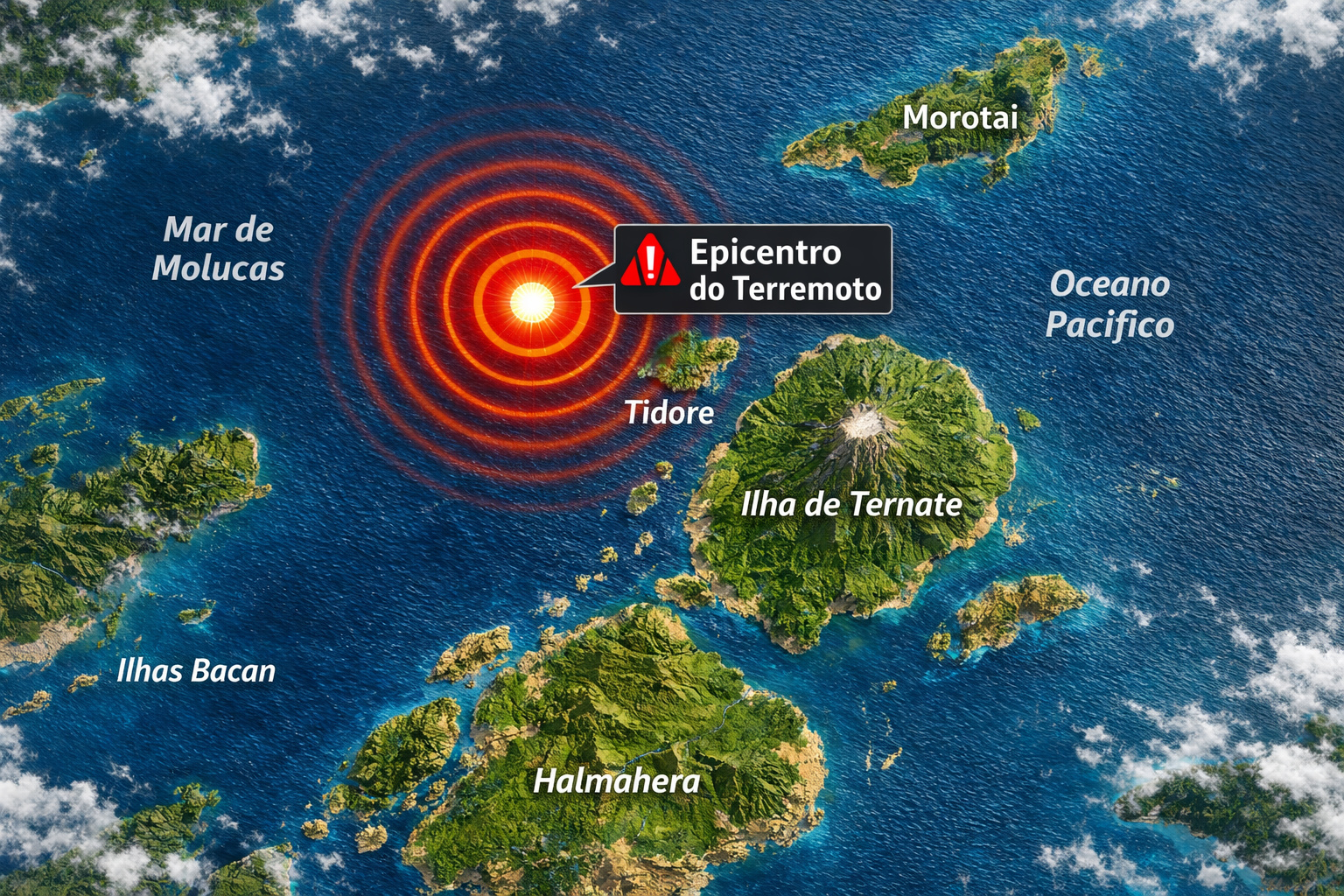
A strong earthquake in Indonesia affects houses and schools, causes panic, triggers a tsunami alert, and records a rise in sea level of up to 30 centimeters in some areas.

-
The Argentine government celebrates the lowest poverty rate in 7 years, but experts warn that the methodology has changed, real wages have fallen, unemployment has risen, and the number of people on the streets of Buenos Aires has increased by 57% since Milei took office.

-
7.8 magnitude earthquake in Indonesia frightens the population, triggers tsunami alert, and hits an island with over 200,000 inhabitants this Thursday.
-
Google will finally let you change that embarrassing Gmail address you created in your teenage years without losing any accounts, logins, or old emails: the feature is already available in the United States.


The Alberta Electoral Commission officially approved the question proposed by the Alberta Prosperity Project (APP). The decision allows organizers to initiate the legal processes to consult the population about separation.
The approved question asks whether the voter agrees that the province should cease to be part of Canada. “Do you agree that the province of Alberta should cease to be part of Canada to become an independent state?“.
Mitch Sylvestre, executive director of the group, has until early January to appoint a financial officer. From that official appointment, the petition campaign can effectively begin throughout the province.
The group needs to collect just under 178,000 signatures within a strict four-month period. Success at this stage is mandatory for the question to be brought to the residents of Alberta in a referendum.
Sylvestre stated that there are already 2,000 people internally registered to gather support. He indicated that over 240,000 people have previously expressed willingness to sign the document in favor of the separatist initiative.
The Alberta Prosperity Project classified the approval of the question as a major victory for the province. The organization believes that the measure will allow citizens to directly decide on the local political future.
Sylvestre argues that Alberta needs to follow its own path due to federal restrictions on oil. He also cites the bleak prospects of electoral changes in Ottawa as a central motivation for the independence movement.

International Lobby for Recognition and US$ 500 Billion Credit
Separatist leaders recently sought direct support from the Trump administration and the U.S. State Department.
The goal is to secure immediate recognition of Alberta as an independent country by the United States after a referendum. They believe this would allow the province to negotiate its exit from Canada from a position of strength.
The discussions included the feasibility of a study for a US$ 500 billion credit line. The intention is to engage major financial brands to ensure economic stability during the transition process.
The plan includes the construction of two new pipelines following the consolidation of political independence. One would traverse the Midwest to the Gulf Coast and the other would head toward the West Coast via Washington.
Cameron Davies, a Republican leader in Alberta, acknowledges the logic of working with Washington for new pipelines. He believes it makes sense to have different options for accessing energy export through the West Coast.
The strategy includes ramping up oil exports to and through U.S. territory. Rath shows enthusiasm for the possibility of realizing these plans without the constraints of the current Canadian federal bureaucracy.
Legal Disputes and Changes to Popular Initiative Rules
The approval of the question came after the provincial government passed the Bill 14. The new legislation allows citizen initiatives even amid legal challenges regarding the constitutionality of proposals presented by the public.
The changes rendered prior judicial review irrelevant to the signature-gathering process. This allowed Sylvestre to resubmit the request without additional costs and prevented blockage by the electoral body.
Judge Colin Feasby had deemed the proposal unconstitutional under the rules in place prior to the bill. He argued that separation would violate certain constitutional rights and treaties guaranteed to citizens within the Canadian confederation.
Feasby noted that there are no guarantees of maintaining federal voting rights or mobility. He warned that such rights would need to be considered in any negotiations to amend the Constitution in the event of separation.
The Secretary of the Minister of Justice defended the democratic right to participation in citizen-initiated referendums. Heather Jenkins stated that those seeking independence should have the opportunity to prove their support.
The previous delay in the process was due to the analysis of the constitutionality of the question in court. Danielle Smith’s government intervened to facilitate the holding of the referendum proposed by the separatist group through the new law.
Production Capacity and Natural Resource Reserves of the Province

Independence would provide control over vast natural resources, including 160 billion barrels of proven reserves. This volume represents approximately 98% of all oil officially recognized within Canadian territory and the oil sands.
The total recoverable reserves could exceed 300 billion barrels with current and future technology. This potential positions the province among the top three oil-producing regions in the world in terms of available resources.
Daily oil production currently hovers around 4.3 million barrels in the region. Most of this volume comes from the oil sands extracted through mining and underground thermal methods.
Alberta also accounts for more than half of Canada’s natural gas production. The province boasts giant fields and geological formations capable of sustaining decades of continuous extraction of this energy resource.
The region also holds vast resources of coal, potash, sulfur, and large exploitable forest areas. These elements reinforce the economic and strategic weight of the province within the current natural resource matrix of Canada.
Political Opposition and Analysis of Voting Trends
Polls by Angus Reid conducted in April 2025 indicated separatist sentiment around 30%. Subsequent surveys by the Innovative Research Group suggested a slight decline in support numbers after the federal elections.
The majority of analysts believe that separation remains a highly unlikely scenario at present. However, separatist leaders are confident that an active referendum campaign would quickly raise these numbers among the population.
Thomas Lukaszuk, a former local politician, founded the Alberta Forever Canada campaign to deter the independence movement. He fears that separatists might break political barriers and succeed in a potential popular vote.
Lukaszuk admits that a referendum could be successful due to protest voting among citizens. He compares the situation to Brexit, where many voted “Yes” simply to send a message of political discontent.
He estimates that the number of people seriously considering separatism does not exceed 25%. However, his campaign strategy is shifting to face a full referendum given the new political reality.
Andrew Hale, a researcher in Washington, warns that seeking U.S. support could backfire. The anti-American sentiment generated by Trump’s jokes about Canada becoming the 51st state could undermine the cause.







-

-

-

-

-

-

76 pessoas reagiram a isso.