





 Portuguese
  English
  Spanish
  5 min of reading
  1 comment





Industrialized Systems Advance in Brazilian Civil Construction by Replacing Traditional Stages, Reducing Execution Times, and Reorganizing Worksites, Directly Impacting Renovations and New Buildings that Prioritize Predictability, Standardization, and Less Waste Generation.
Systems known as “dry construction” and industrialized components have increased their presence in constructions and renovations in Brazil in recent years.
According to industry entities and manufacturers, these solutions aim to offer greater deadline predictability, reduction of stages on-site, and less waste generation compared to traditional masonry.
Among the most commonly used methods are drywall, light steel frame, cement boards and panels, and prefabricated systems.
-
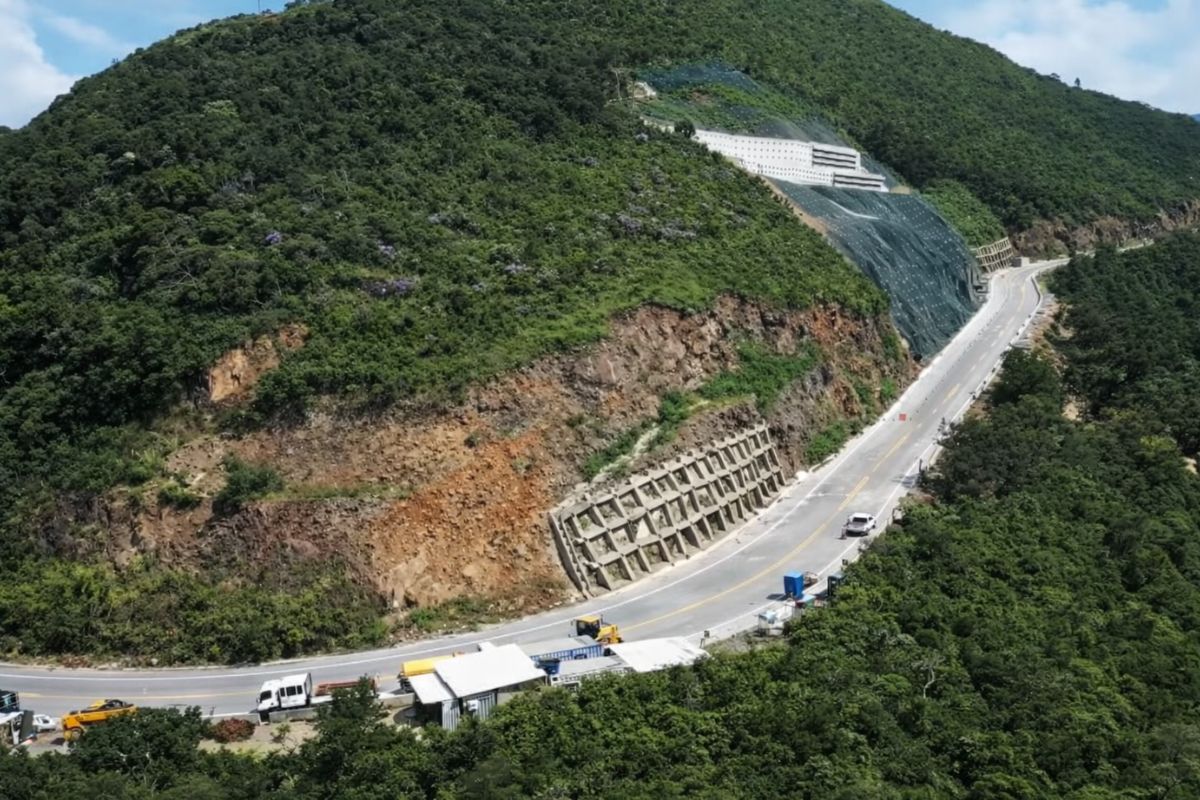
The section of Serra da Rocinha on BR-285 is now open in Timbé do Sul: 50 m tensioned curtains and top-down technique stabilize the slope, with a stairway duct controlling the water.
-
Scientists use sawdust mixed with clay to create a lighter brick, promising efficient thermal insulation and impressing by transforming waste into a solution for construction.

-
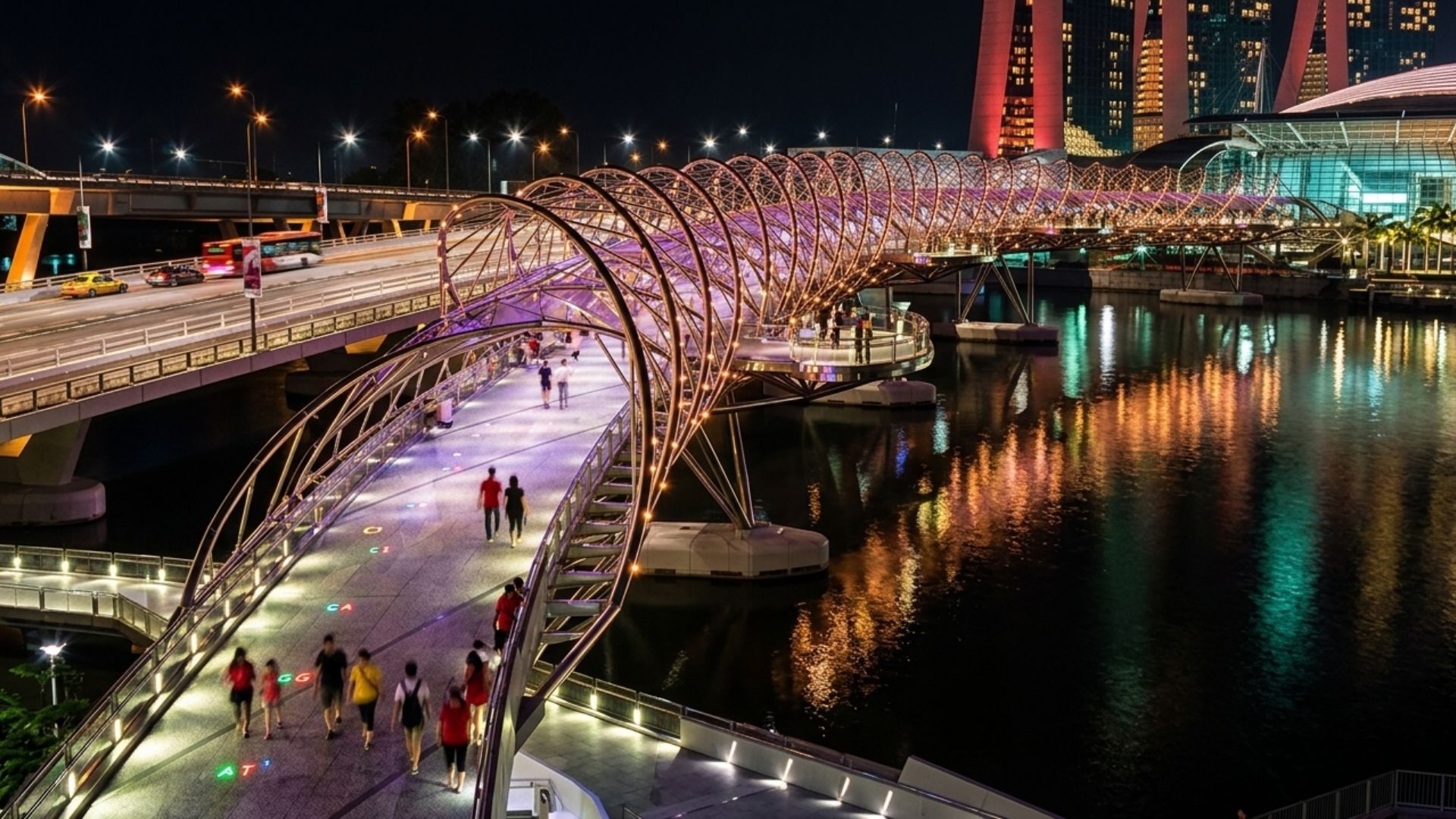
With a DNA shape, this bridge in Singapore draws attention in modern architecture and surprises tourists by transforming a simple crossing into an unforgettable visual experience in the urban heart.
-
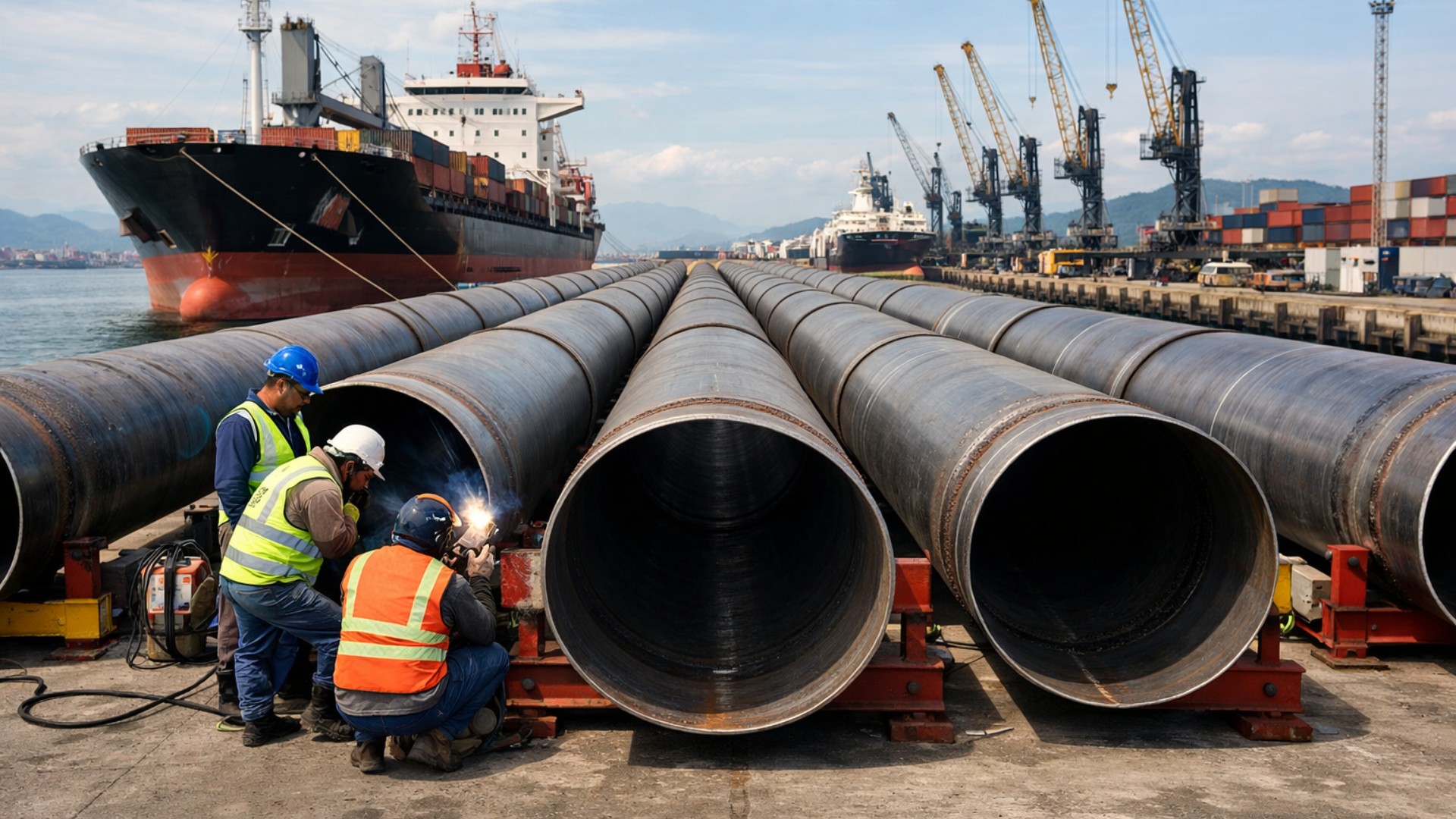
Giant underwater pipeline begins to take shape with a R$ 134.7 million project at the Port of Santos: the 1.7 km structure uses 12-meter and 700 mm pipes to supply water to 450,000 people in Guarujá.

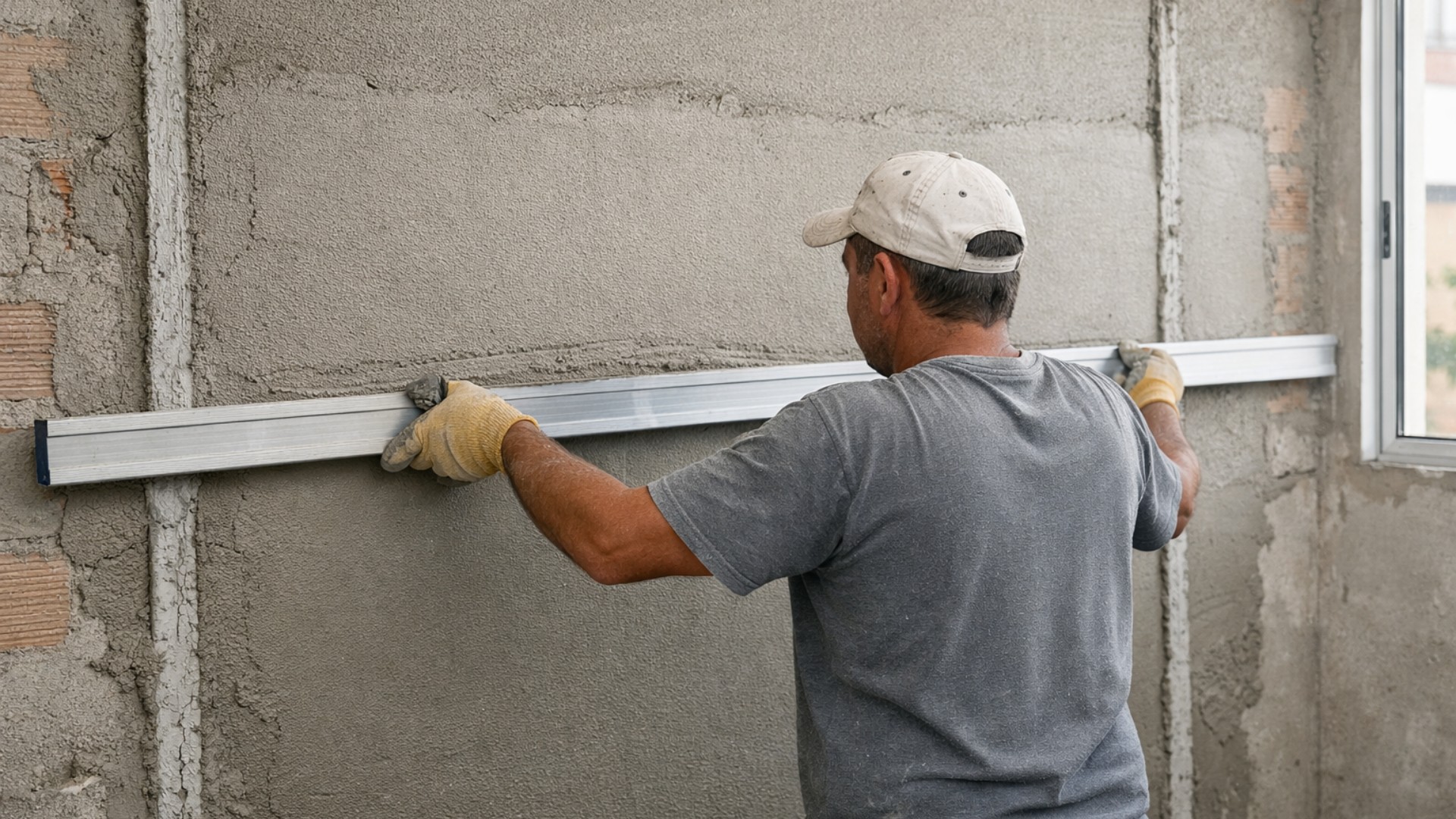
In comparison to conventional masonry, these models replace part of the artisanal work with pieces produced under industrial standards.
The proposal is to reduce stages that depend on the curing of mortar, high water consumption, and favorable weather conditions, factors that usually impact schedules and costs in traditional construction.
Dry Construction Drives Industrialized Walls
The adoption of systems assembled from metal profiles, sheets, and pre-sized panels is in line with a broader trend of industrialization in civil construction.
Instead of building walls brick by brick and later applying plaster and finish, a significant part of the process is now done through assembly.

This movement has gained momentum especially in renovations.
Industry professionals point out that, in occupied residential and commercial environments, solutions with less debris and noise facilitate execution and reduce interference in the surroundings.
In addition, these solutions meet the demands of condominiums and building administrations.
According to the Brazilian Association of Drywall, industrialized systems tend to generate less solid waste on-site compared to masonry.
The entity attributes this result to the use of standardized components and the reduction of waste during execution.
Still, the final volume of waste depends on the project and the installation method.
Practical Differences Between Masonry and Modern Systems
Although masonry continues to be widely used in the country, especially in small residential works, it usually requires more sequential steps.
Transporting materials, preparing mortars, drying time, and adjustments during execution are part of the traditional process.
On the other hand, in dry systems, installation occurs in a predominantly mechanical manner.
The fixation of profiles and sheets reduces the dependency on “waiting times” between stages, according to technicians in the field.
The method, however, does not completely eliminate waste or dirt.
There are cuts, joint treatments, application of coats, and painting.
Another point highlighted by engineers and architects is the need for more detailed planning.
As the components arrive with defined measurements, the executive project needs to accurately foresee electrical and plumbing installations.
When this planning fails, rework similar to what is observed in masonry can arise.
Drywall Solidifies in Internal Walls and Partitions


Drywall has established itself as an alternative for internal walls and ceilings.
The system is widely used in offices, stores, and apartments.
Metal profiles and gypsum board form the basis of the solution.
Insulating materials can be incorporated according to the acoustic and thermal requirements of the environment.
According to the Brazilian Association of Drywall, the method facilitates future interventions, such as maintenance of installations.
This occurs because it requires less demolition than masonry walls.
The entity also points out that the system, when correctly specified, meets the current technical performance standards in the country.
Manufacturers and technical publications in the sector assert that, under certain conditions, drywall can reduce execution times in internal work stages.
These gains vary according to project size, layout complexity, and the experience of the team responsible for assembly.
Steel Frame Expands Industrialization of Construction
Light steel frame is adopted in projects that seek to industrialize not only the enclosures but also part of the structure.
The system uses galvanized steel profiles combined with layers of closure and protection.
Among them are cement boards, structural and insulating panels.
Companies specializing in the method report significant reductions in deadlines compared to masonry.
However, experts emphasize that these percentages are not standardized.
The result depends on factors such as logistics, project detail level, and supplier availability.
Studies on industrialized construction indicate that systems with greater standardization tend to show less variation in deadlines and material waste.

The final performance, however, is directly linked to the quality of execution and control of the construction process.
Cement Boards Gain Ground in Wet and Outdoor Areas
For environments subject to humidity or external exposure, cement boards and panels appear as a technical alternative.
Manufacturers in Brazil recommend the use of these materials in kitchens, bathrooms, and facades.
They are also applied as external closures in steel frame systems.
Experts in construction pathology warn that the performance of these panels depends on proper installation.
Proper waterproofing and adherence to technical recommendations are cited as decisive factors.
In renovations, they are often chosen when there is a need to accelerate enclosure without resorting to conventional masonry.
Prefabricated Components Reduce Stages on Site
Prefabricated components, especially concrete, continue to be used in works that require repetition of elements.
Warehouses, modular buildings, and walls are common examples of this application.
Academic research on prefabricated construction indicates that production off-site can reduce the influence of climatic factors.
The studies also point to a decrease in the volume of waste generated at the construction site.
The gain is conditioned to the planning of logistics and precision during the assembly phase.
Masonry Maintains Space in a More Diversified Scenario
Despite the expansion of alternatives, traditional masonry remains present in a large part of Brazilian construction.
In regions where skilled labor in this method is abundant, brick continues to be a viable option.
Local costs and technical familiarity still influence the choice.
Industry professionals observe that renovations and new constructions have increasingly considered industrialized systems.
Deadline, worksite organization, and financial predictability usually take center stage in decision-making.
With more options available, architects, engineers, and clients evaluate each method according to the project profile, budget, and local conditions.







Qual o contato dos profissionais que fazem drywall Stella frame?