





 Portuguese
  English
  Spanish
  5 min of reading
  0 comments


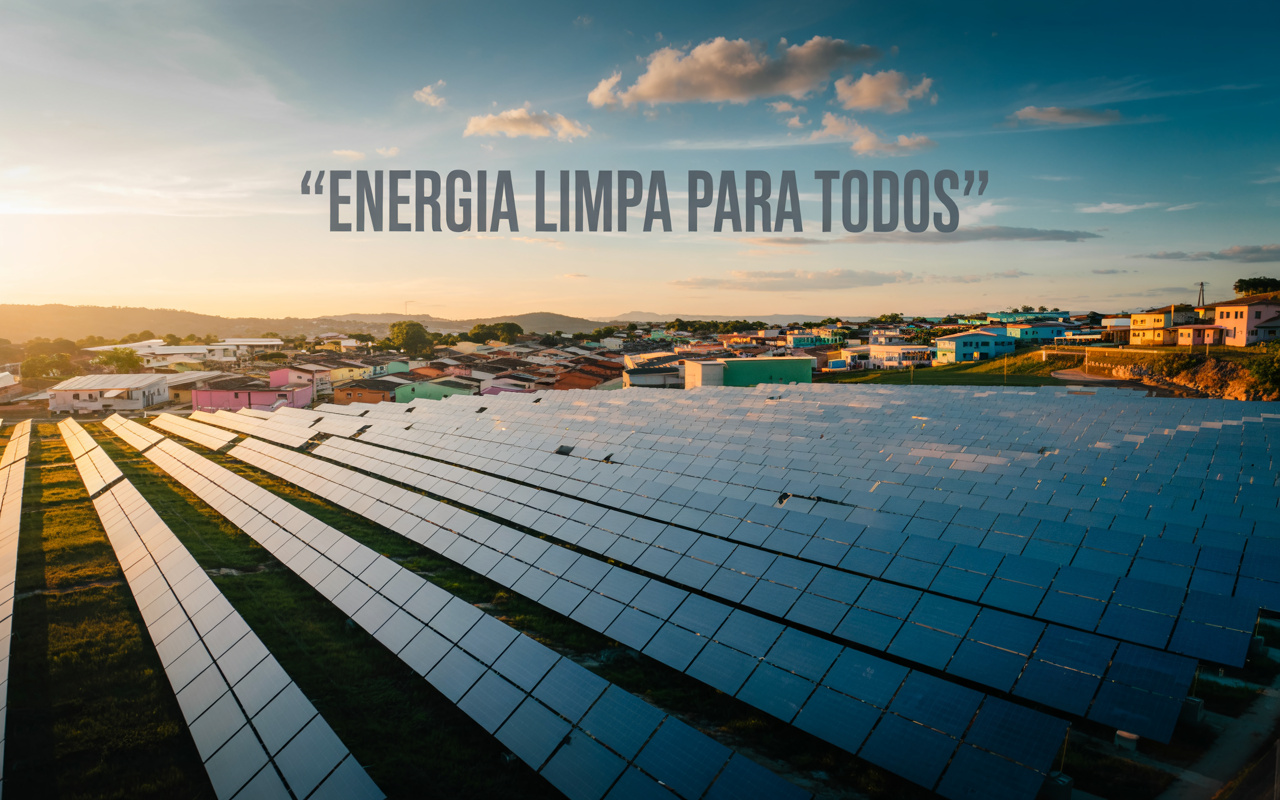
A Solar Complex in the Northeast Transforms an Overlooked City into a Model of Renewable Energy in Brazil. Discover the Largest Solar Power Project in the Northeastern Sertão That Supplies Over 1 Million People
In the northeastern sertão, a small town has gained national and international prominence by becoming an example of sustainable development. Malta, located in the Sertão da Paraíba, has transformed from a little-known area into a true hub of renewable energy in the Northeast. With the implementation of the Malta Solar Complex — formed by the Malta Solar Plant and the Angicos I Solar Plant — the city known for clean energy in Brazil now produces enough energy to supply around one million inhabitants, becoming a benchmark for clean energy in Brazil.
Malta and the Solar Complex in the Northeast That Changed the Local Reality
The installation of the largest solar plant in Latin America in the municipality of Malta represents a historical change for the semi-arid northeastern region. This transformation was driven by auctions organized by the National Electric Energy Agency (ANEEL) and international financing aimed at accelerating the transition to renewable energy sources.
The high solar insolation levels in the northeastern sertão have made Malta a strategic location for solar energy generation, directly benefiting the local economy and environmental sustainability.
-
Seagri’s headquarters invests in solar energy with Neoenergia Coelba and promises to cut electricity costs, highlighting a strategic advance in sustainability and energy efficiency within state public administration.
-
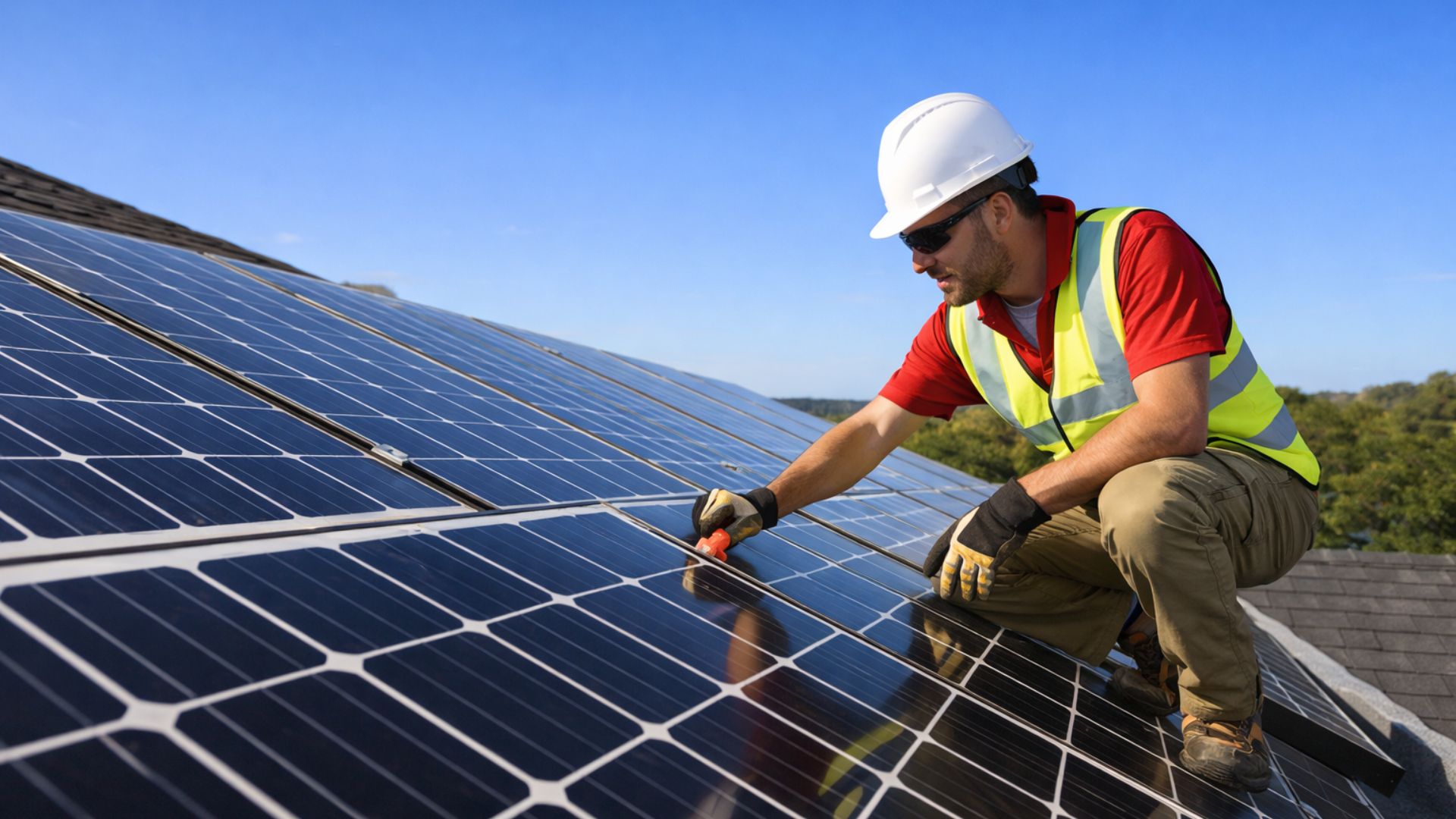
Solar Pyramid draws attention by converting solar energy into million-dollar savings and repositioning the City Hall of Curitiba as an example of innovation, sustainability, and intelligent use of public resources.
-
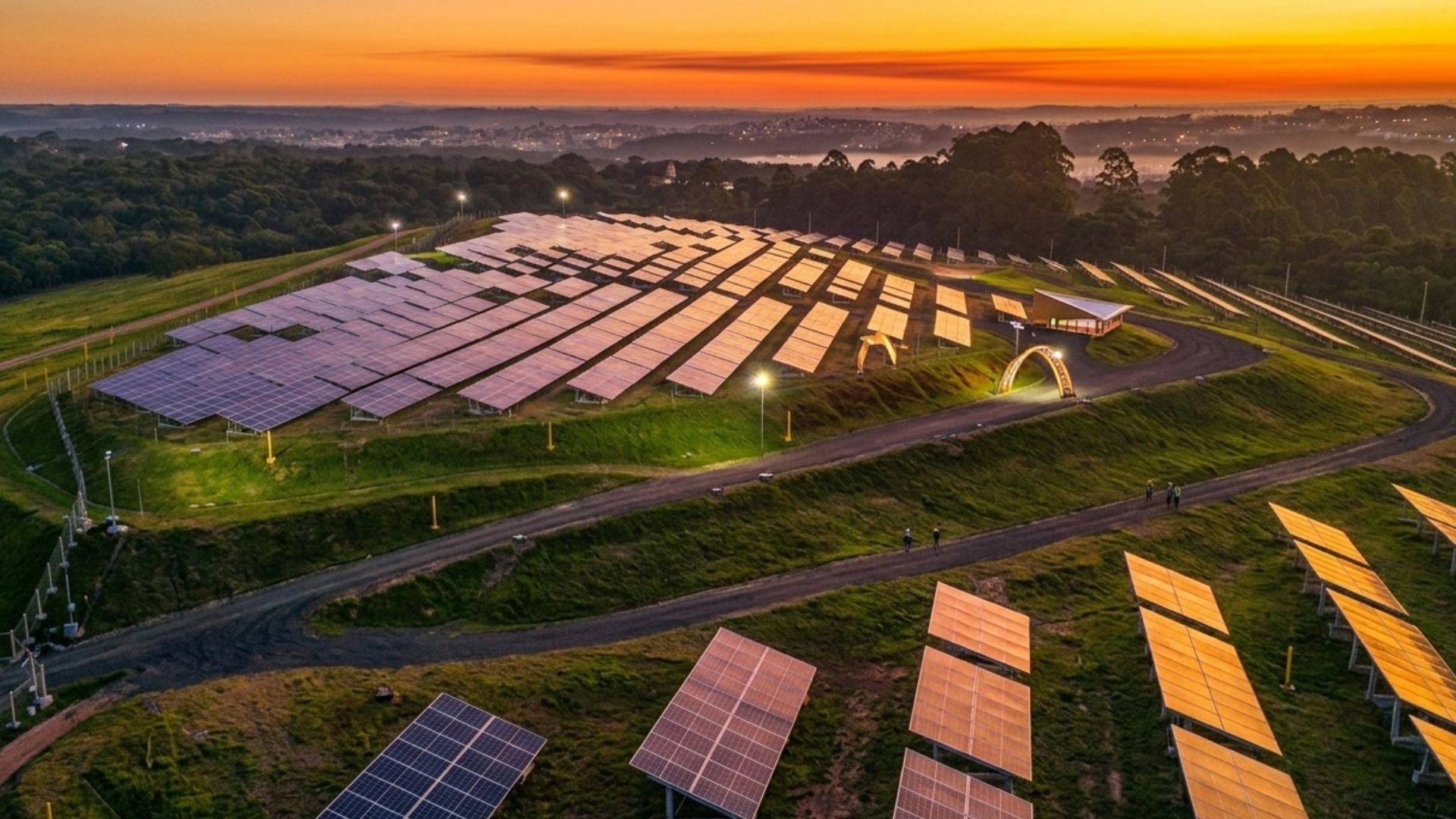
Europe records strong euro economy with solar energy in March and sparks curiosity about which country leads growth that redefines the energy market and reduces costs.
-
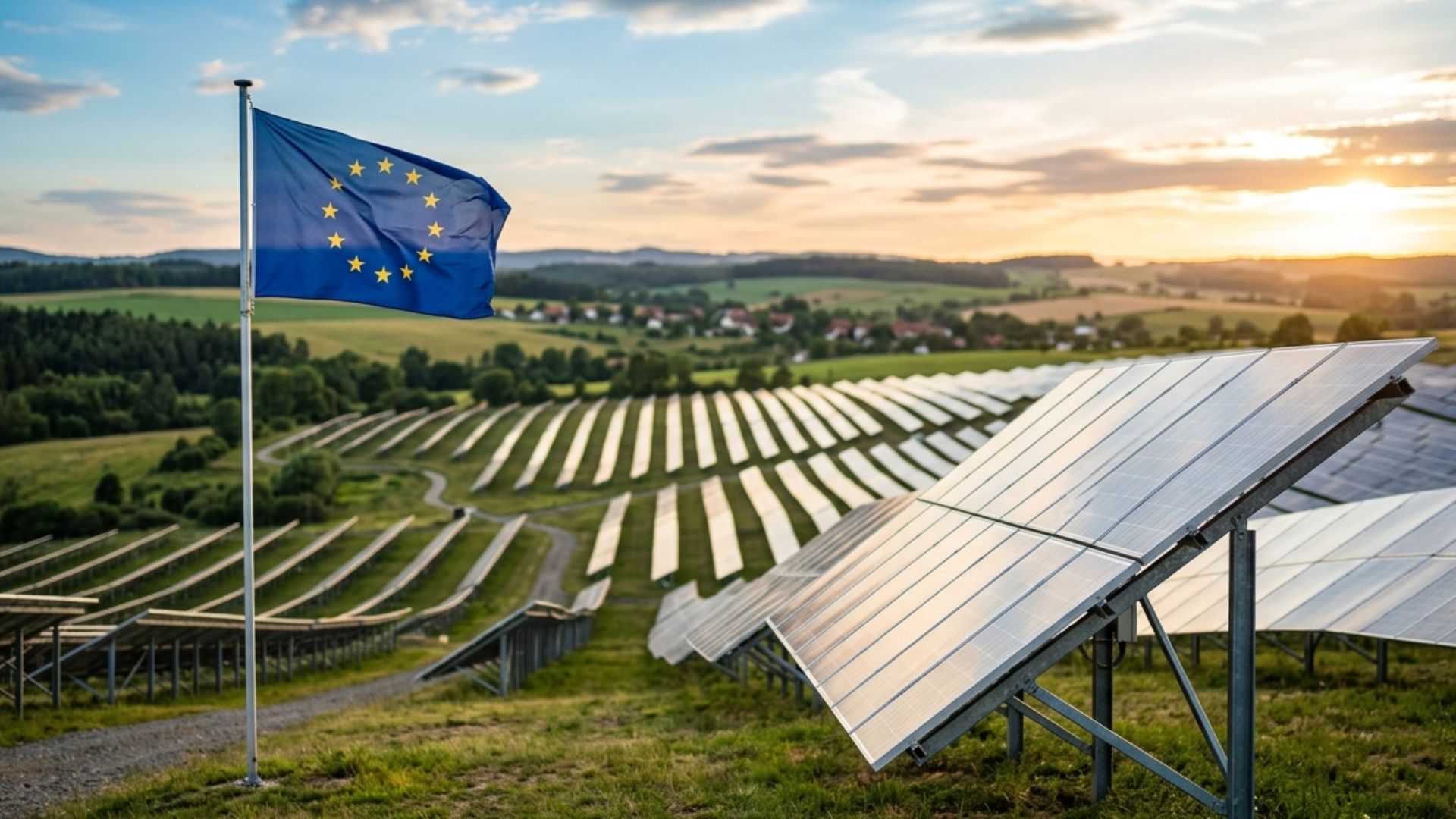
Piauí reaches a historic milestone in energy transition: State records nearly 160,000 households powered by solar energy and leads growth in the Northeast.
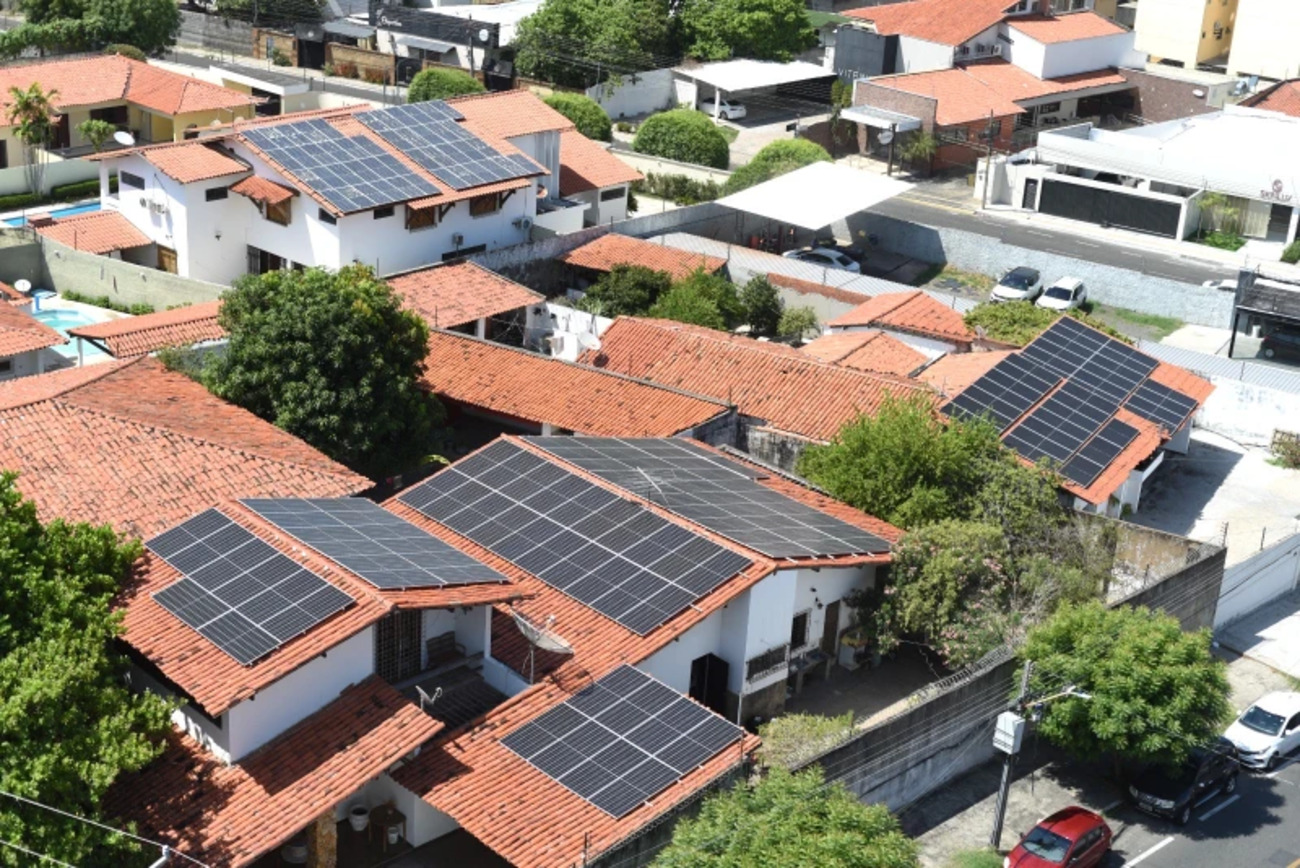

The solar complex in the Northeast not only generates clean energy but also promotes socioeconomic development for a city that was previously marginalized. The investment in solar energy infrastructure strengthens Brazil’s energy security, reducing dependence on fossil sources and expanding the national electric matrix.
Solar Energy in the Northeastern Sertão: Potential and Challenges
The northeastern sertão is known for its extreme climatic conditions, especially intense heat and long periods of drought. Despite these adversities, the high solar insolation can exceed 5,000 hours of sunshine per year, creating a unique opportunity for solar energy generation.
Solar energy in the northeastern sertão is a viable alternative to diversify the energy matrix and provide electricity to regions that have historically faced difficulties accessing energy. Investments in solar complexes like Malta are the result of public policies that stimulate renewable energy in the Northeast, aligned with international commitments to reduce carbon emissions.
However, some challenges need to be overcome to expand this energy source, such as the need for efficient transmission lines and storage systems to ensure supply even on cloudy days or at night.
The Largest Solar Plant in Latin America: Structure and Capacity
The Malta Solar Complex, considered the largest plant in Latin America, consists of two main plants: the Malta Solar Plant and the Angicos I Solar Plant. Together, these plants have an installed capacity of over 280 megawatts (MW), which is equivalent to the energy consumed by approximately one million people, considering the average national consumption profile.
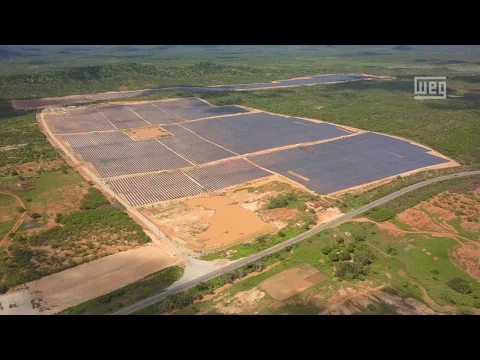

The plant uses state-of-the-art photovoltaic panels and features advanced monitoring systems, ensuring high efficiency in converting sunlight into electricity. Furthermore, the complex was designed to minimize environmental impacts and promote local sustainability.
The operation of these plants contributes to the reduction of thousands of tons of greenhouse gas emissions per year, aligning with Brazil’s goals to combat climate change and promoting a cleaner and more resilient energy matrix.
Socioeconomic Impacts of Renewable Energy in the Northeast
The installation of the solar complex in Malta brings benefits that go beyond energy generation. Investment in the renewable solar sector creates direct and indirect jobs, stimulates local trade, and increases municipal revenue.
Recent studies indicate that the solar energy sector in the Northeast has the potential to become one of the largest job generators in the region, especially in rural areas where job opportunities are limited.
The technical training of local residents to work in the operation and maintenance of the plants reinforces social inclusion and promotes sustainable development.
Additionally, the provision of more stable and cheaper energy favors the establishment of new industries and services in the region, attracting investments and improving the quality of life for the population.
Public Policies and International Financing
The transformation of Malta into a reference city for clean energy in Brazil would not have been possible without the support of well-structured public policies. ANEEL, through its energy auctions, created a favorable environment for private investments in renewable projects. The auction that included the Malta Solar Complex ensured long-term power purchase agreements, securing the economic viability of the project.
Additionally, international organizations, such as the World Bank and the Inter-American Development Bank (IDB), have financed renewable energy projects in Brazil, with specific lines of credit for ventures that promote sustainability and regional development.
These fundings have allowed for the acquisition of cutting-edge technologies and the fulfillment of strict environmental standards, ensuring that the energy produced is clean, safe, and efficient.
Malta as a Model for Energy Transition in Semi-Arid Regions
The success of the solar complex in Malta has attracted the attention of researchers, policymakers, and investors. The city known for clean energy in Brazil is studied as a model for energy transition for other semi-arid regions in the country and Latin America, which share similar climatic characteristics.
The replication of this model can contribute to the expansion of clean energy supply in traditionally underserved areas, reducing regional inequalities and promoting environmental sustainability.
Furthermore, Malta’s experience demonstrates that it is possible to align economic development and environmental protection, strengthening the importance of renewable energies for the future of the country.
The Importance of Renewable Energy in the Northeast for Brazil’s Future
The municipality of Malta, in the northeastern sertão, has transformed from an overlooked city into a national symbol of renewable energy in the Northeast. The Malta Solar Complex, the largest solar plant in Latin America, produces enough energy to supply over one million people, driving economic development and promoting environmental sustainability.
This transformation is the result of a combination of favorable natural conditions, effective public policies, and international financing, which together drive the energy transition in Brazil.
The example of Malta reinforces the relevance of solar energy in the northeastern sertão as a clean, efficient, and viable alternative, capable of transforming realities and ensuring a sustainable future for generations to come.










Seja o primeiro a reagir!