






 Portuguese
  Spanish
  3 min of reading
  0 comments


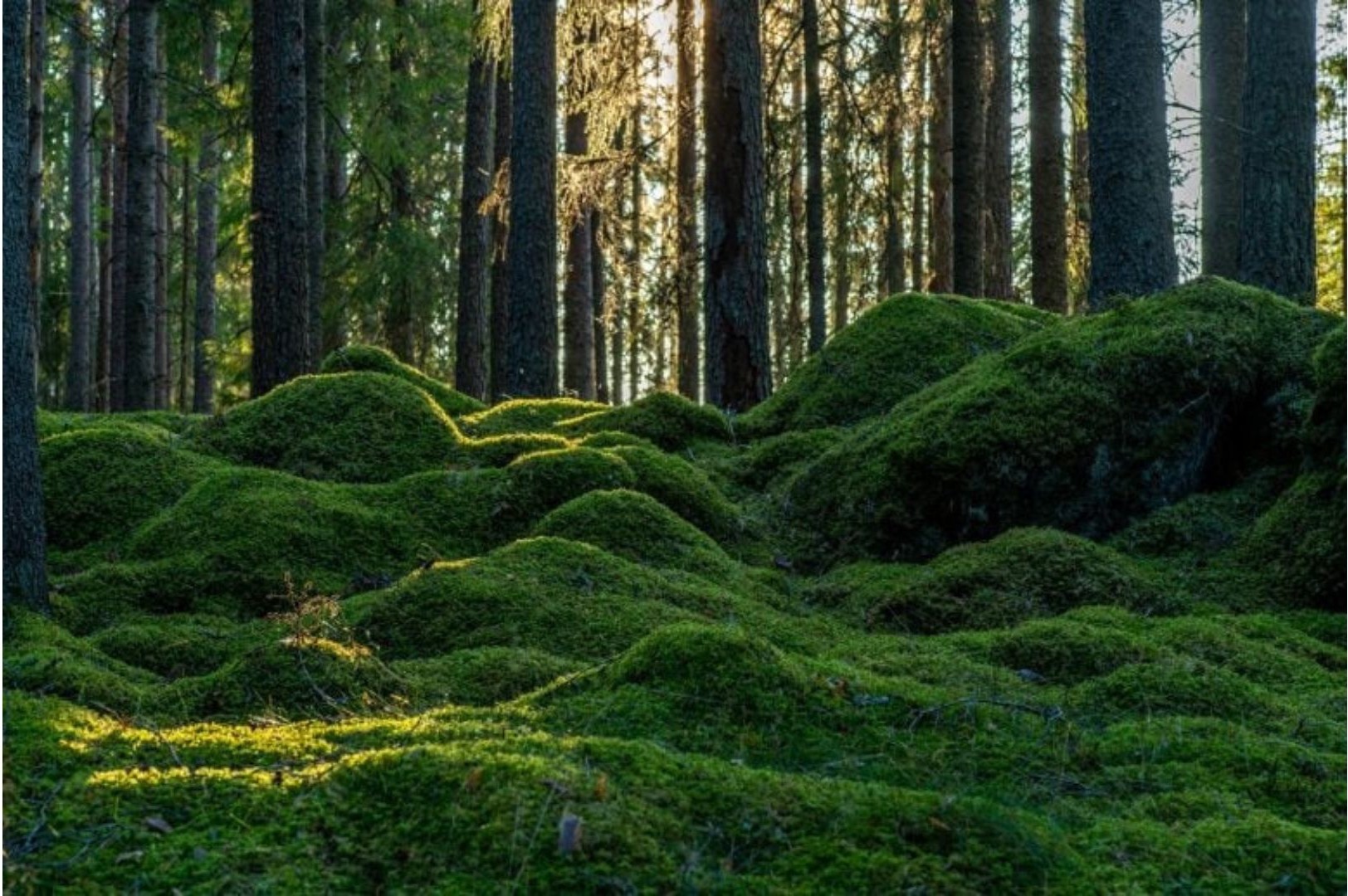
The invisible wealth beneath the roots of the untouched boreal forests of Scandinavia Hidden carbon in the soil of primary forests exceeds previous estimates, showing that the preservation of ancient soils is much more effective against global warming than simple replanting of trees for commercial exploitation.
A new study conducted in Sweden revealed that ancient and untouched boreal forests have a significantly higher carbon storage capacity than managed forests. The study indicates that these primary ecosystems store about 72% more carbon than secondary areas exploited by intensive forestry, challenging global climate strategies that prioritize commercial reforestation.
The boreal forests form the largest forest ecosystem on the planet, extending across the high latitudes of North America, Europe, and Asia. Currently, these biomes absorb approximately 30% of the carbon dioxide emissions caused by human activity. However, the growing global demand for bioenergy, paper, and wood has driven logging in areas that were previously considered virtually untouched.
Detailed accounting of entire forest systems
To obtain these results, researchers led by Didac Pascual analyzed data from national soil and forest inventories, as well as detailed measurements at over 200 sites in Sweden. The goal was to map carbon storage in complete systems, including living vegetation, dead wood, soil, and even derived products such as building materials. This comprehensive analysis revealed that the carbon gap between natural and managed forests is 2.7 to 8 times greater than previously used estimates.
-
Helicopter Drops 180 Tons of Sand and Gravel on Swedish River to Revive Ecosystem Damaged by Decades of Exploitation

-
Brazilian Company Launches Retro Smartphone with 48 MP Camera, T9 Keyboard, and Privacy Features for Social Media-Free Use

-
Self-Taught Chinese Farmer Builds 5-Ton Submarine from Scrap, Launches It in Anhui River
-
Invisible Induction Technology Enables Wireless Power for Blenders, Coffee Makers, and Air Fryers, Reducing Countertop Cables





In much of Europe, forestry is characterized by intensive methods, such as clear-cutting and soil drainage for the planting of fast-growing trees. While these systems are efficient for commercial production, the study points out that they are not ecological equivalents of the original boreal forests. The replacement of these complex ecosystems with uniform stands results in a substantial loss of carbon reservoirs that wood products cannot fully compensate for.
The crucial role of hidden carbon in the soil
Most of the carbon stored in these untouched areas is found below the surface, rather than being concentrated only in the visible trees. In some regions of primary boreal forests, the first meter of soil holds almost two-thirds of the total carbon in the ecosystem. When forest management interferes with the soil, this stored carbon is disturbed and released into the atmosphere, potentially taking centuries for complete recovery.
In Sweden, this storage difference amounts to an additional 9.9 kilograms of carbon per square meter in primary areas compared to managed ones. From a national perspective, restoring secondary forests to the storage levels of the originals could prevent the emission of billions of tons of CO₂. This volume is equivalent to all historical fossil fuel emissions recorded by the country over time.
Implications for global climate strategy
The results of the research challenge the assumption that forest management and bioenergy systems are simplified climate solutions. If replacement forests store drastically lower volumes of carbon, the environmental benefits of logging may be overestimated in current models. The study warns that, below the surface, the carbon dynamics of managed boreal forests are profoundly distinct from those observed in natural ecosystems.
Unlike deforestation in tropical regions, the degradation of boreal forests may go unnoticed, as replanted areas appear similar to natural ones when viewed from above. Scientists emphasize that, while Sweden represents an intensively managed landscape, data may vary in other large expanses of boreal forests, such as those found in Russia and Canada. The preservation of these underground deposits thus emerges as a key piece to slow down global climate change.
Click here to check the study.





Be the first to react!