





 Portuguese
  English
  Spanish
  4 min of reading
  2 comments


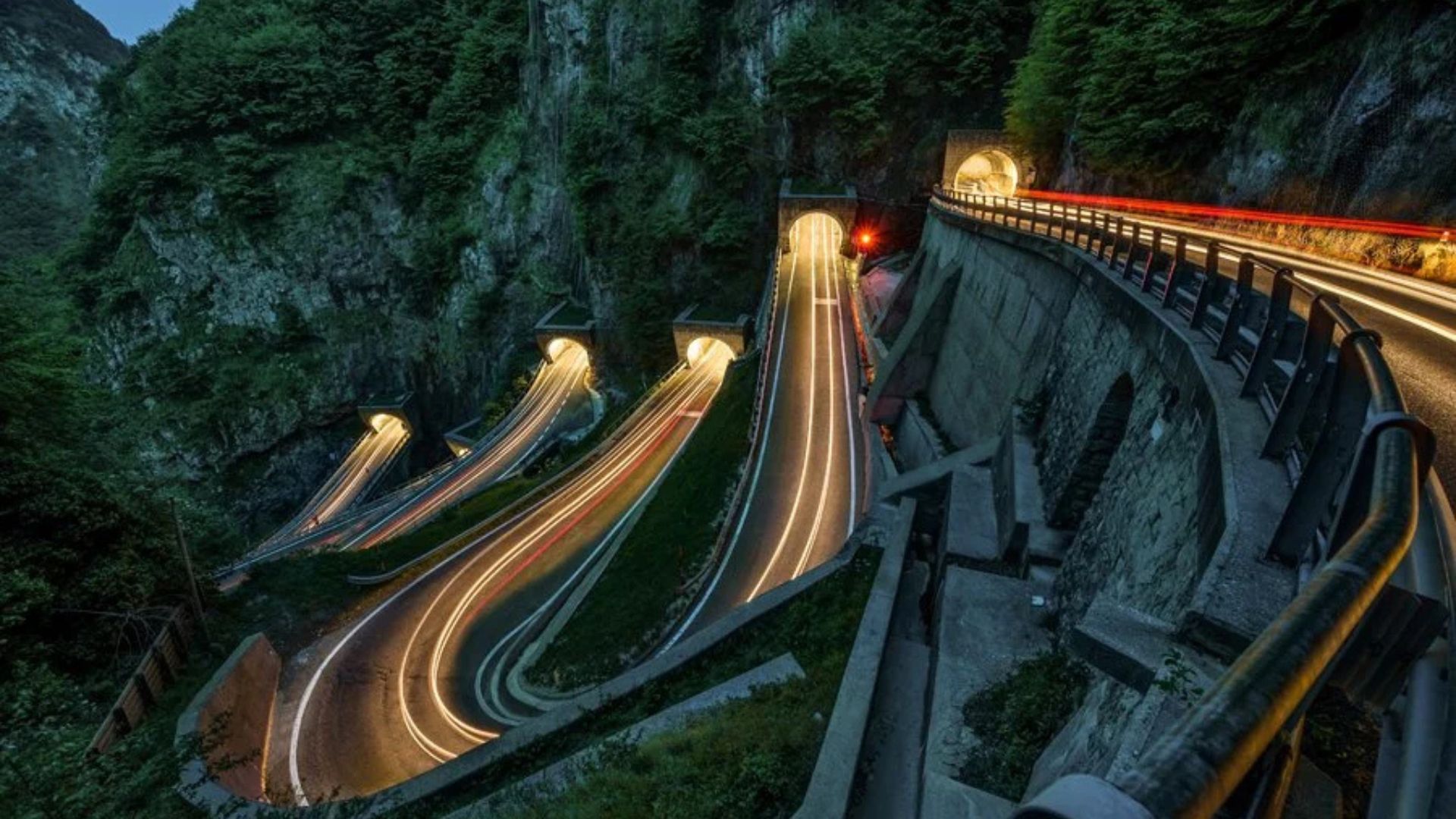


Built In Record Time During World War I, Alpine Passage In Veneto Brings Together Five Spiral Tunnels, Single Lane With Traffic Light And Military Solutions From 1918 That Continue To Generate Technical And Touristic Interest More Than A Century Later.
A narrow road, with traffic alternated by traffic lights and five spiral tunnels excavated in the rock, became a symbol of military engineering from 1918 in northern Italy.
The connection is the San Boldo Pass, in the Veneto region, opened in record time during World War I.
Located between the areas of Trichiana, now part of the municipality of Borgo Valbelluna, and Tovena, in the Cison di Valmarino region, the route spans about 17 kilometers and reaches approximately 706 meters in altitude.
-
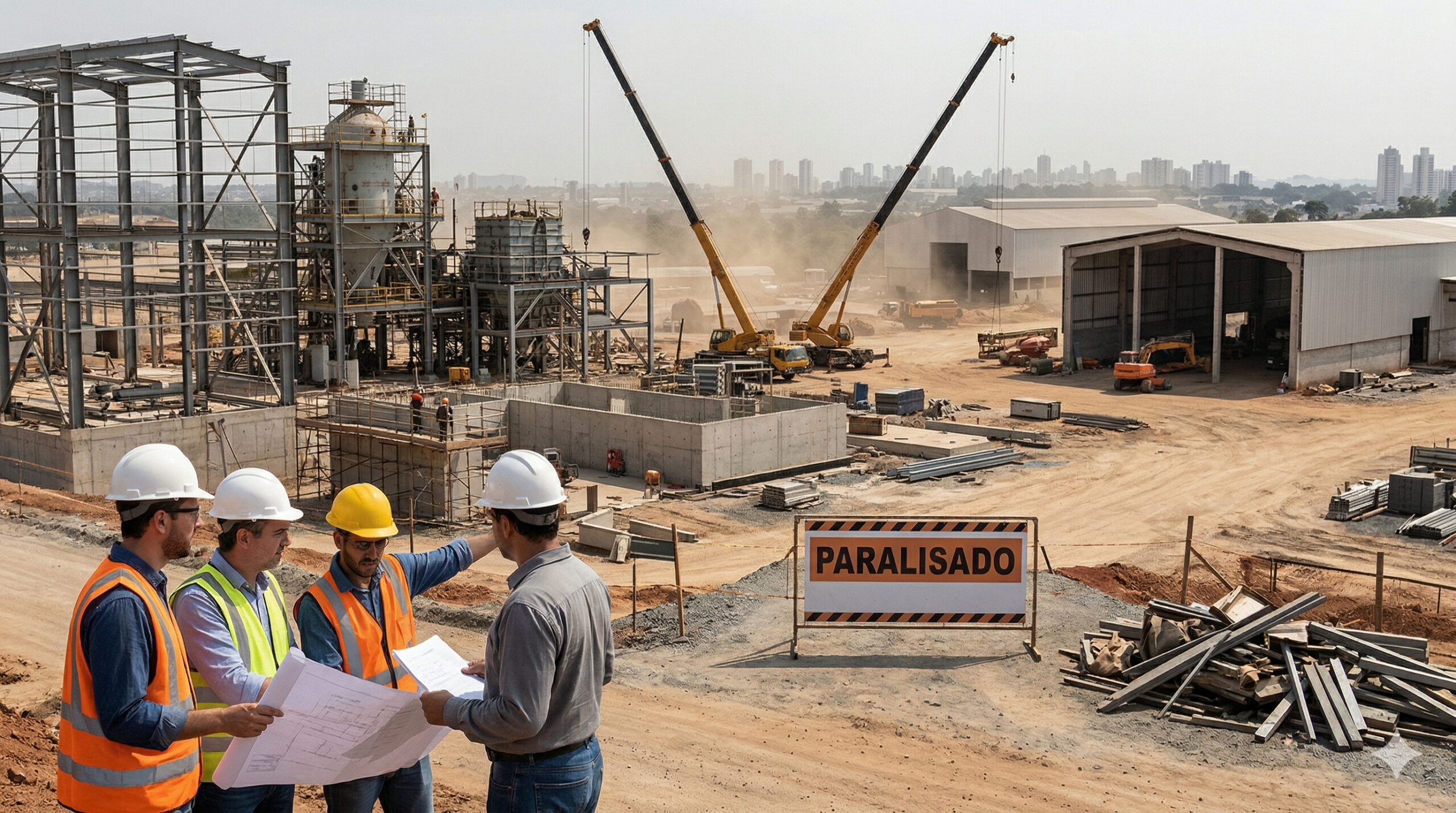
The lack of welders, electricians, and operators becomes a structural threat in 2025, with the construction industry and manufacturing already suffering from delays, cost pressures, and labor shortages in Brazil.
-
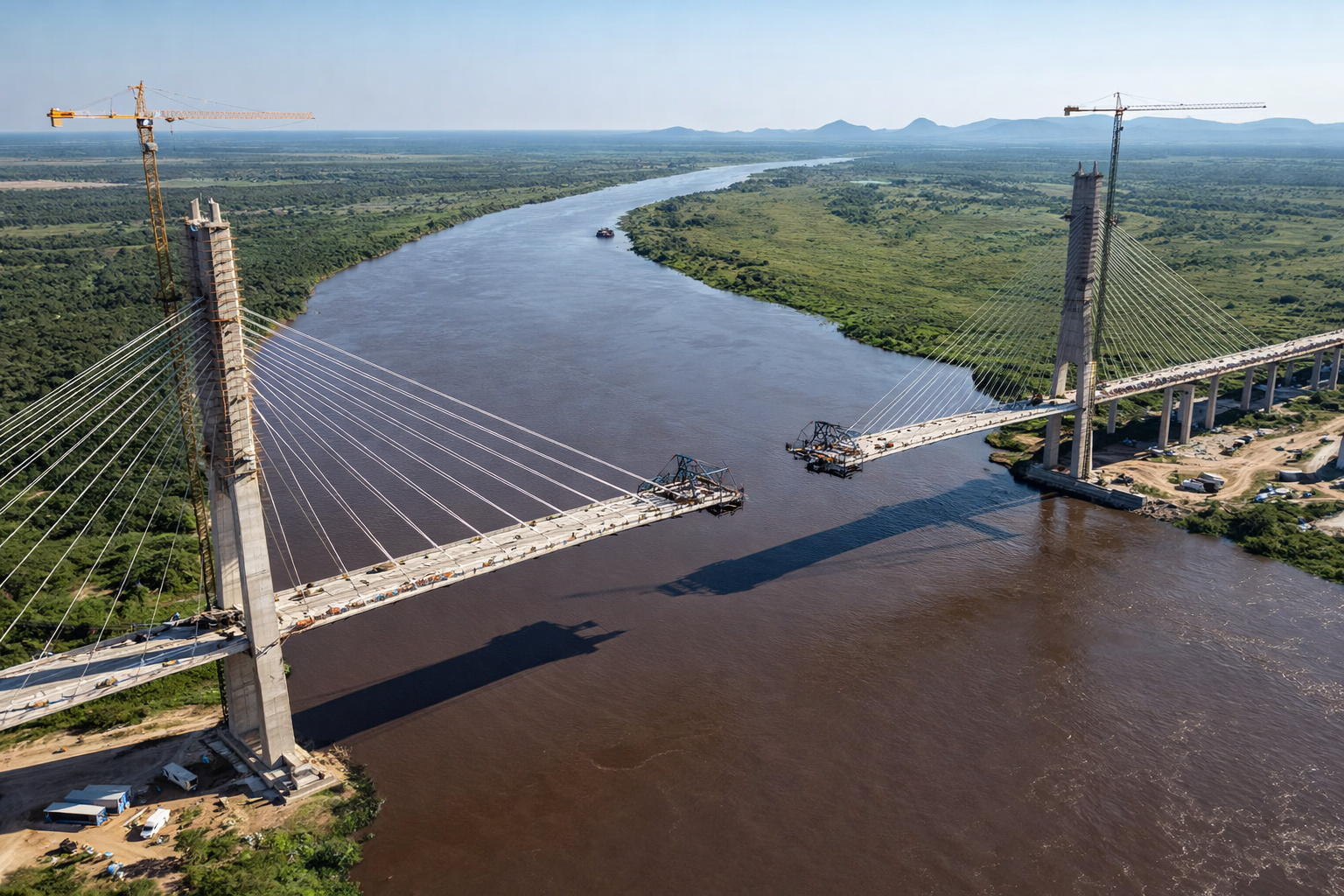
Brazil and Paraguay are just 46 meters away from a historic union on the bioceanic bridge that promises to revolutionize trade between the Atlantic and the Pacific.
-
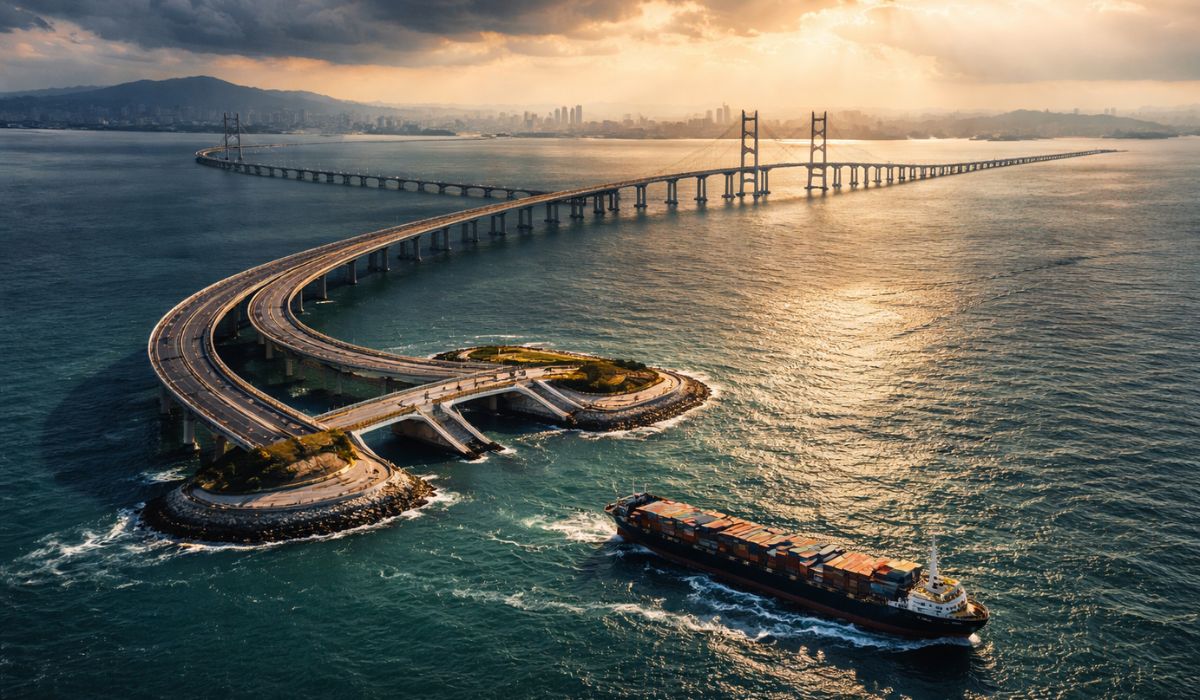
With 55 km over the sea, a cost of US$ 20 billion, and enough steel to build 60 Eiffel Towers, China’s largest project has connected Hong Kong, Zhuhai, and Macau in a colossal bridge that defies the logic of engineering.
-
A trick with joint compound transforms a Styrofoam ceiling into a plaster-like ceiling: leveled panels, wires and mesh at the joints, sand, paint, and change the environment while spending little today.


Even more than a century later, the passage is still known for its compact layout and the sequence of galleries.
Military Construction In 1918 And The Origin Of The “100-Day Road”
The accelerated construction responded to a logistical need on the Piave front, when the Austro-Hungarian command sought a viable corridor to move troops, supplies, and artillery pieces.
Documents and local accounts place the start of construction at the beginning of 1918, with continuous work to overcome the terrain in a few months.


Hence arose the nickname that has endured through time, “100-Day Road”, associated with the tight schedule that characterized the opening of the path.
Although the area had been desired for centuries as a crossing between valleys, the military context accelerated technical decisions and the mobilization of labor on a large scale.
Spiral Tunnels And Single Lane With Traffic Light
The most famous stretch concentrates five tunnels with internal curves, in a loop shape, designed to “gain height” in a short space without requiring long ramps.
In practice, the driver enters a gallery, goes around the mountain from the inside, and reappears above, already aligned for the next turn.
Since the platform is narrow and cannot accommodate two-way traffic at the same time in critical areas, the traffic operates on an alternating system, with traffic lights at the entrances to allow one flow at a time.
Additionally, there are operational rules such as a speed limit of 30 km/h and height restrictions of around 3.2 meters, following reports of buses getting stuck.
Driving Experience In The San Boldo Pass Today
In the current experience, the sensation alternates between brief stretches of open light and the passage through the galleries, where the curve appears with little horizon and requires contained driving.

Outside of the tunnels, the layout offers natural viewpoints of the valley and reinforces the contrast between the excavated rock and the surrounding landscape of Veneto.
Safe driving depends on following the signage, respecting the traffic light, and maintaining a low speed, as visibility changes rapidly upon entering and exiting the galleries.
Stops for photos tend to be recommended only in pullouts off the main lane, as the road, at several points, does not allow stopping without interfering with traffic flow.
Comparison With Other Famous Alpine Passes
Although it is often remembered alongside icons like Stelvio and Gavia, San Boldo differentiates itself less by altitude and more by the geometric solution within the mountain.
While Stelvio has become synonymous with long sequences of open curves at high altitudes, San Boldo concentrates its difficulty in the limited space and the alternation of direction.
On the other hand, Gavia is often associated with exposed sections and a more isolated environment, depending on the chosen route and circulation conditions.
In San Boldo, the technical “signature” is the succession of tunnels with loops and control by traffic lights, which shapes the cadence of movement and the perception of the journey.

Tourism In Veneto And Integration Into The Regional Itinerary
Those who cross the pass find a region that allows for a combination of scenic roads and small localities, with short distances between valleys and nearby historical centers.
On the Trichiana side, the territory is part of the municipality of Borgo Valbelluna, created in 2019, which reorganized administrative references without altering the road’s role as a regional connection.
In practice, the crossing is often included in itineraries that mix cycling, motorcycling, and car trips, taking advantage of the uniqueness of the galleries and the landscape.
Still, as it is a provincial road with physical limitations, planning the timing and respecting traffic rules remain a central part for those who decide to pass through.
With the same rock that served as shelter and obstacle in 1918, the road preserves a design that originated from a military emergency and became an attraction for visitors and those curious about infrastructure.
In a time when tunnels are opened by giant machines and sensors, what explains that a quick war project still provokes so much technical and touristic curiosity?








Built by Italians enslaved by the Austro-Hungarian Empire.
Sou fascinado por estradas e pontes construídas nos séculos XIX e XX