





 Portuguese
  English
  Spanish
  3 min of reading
  0 comments


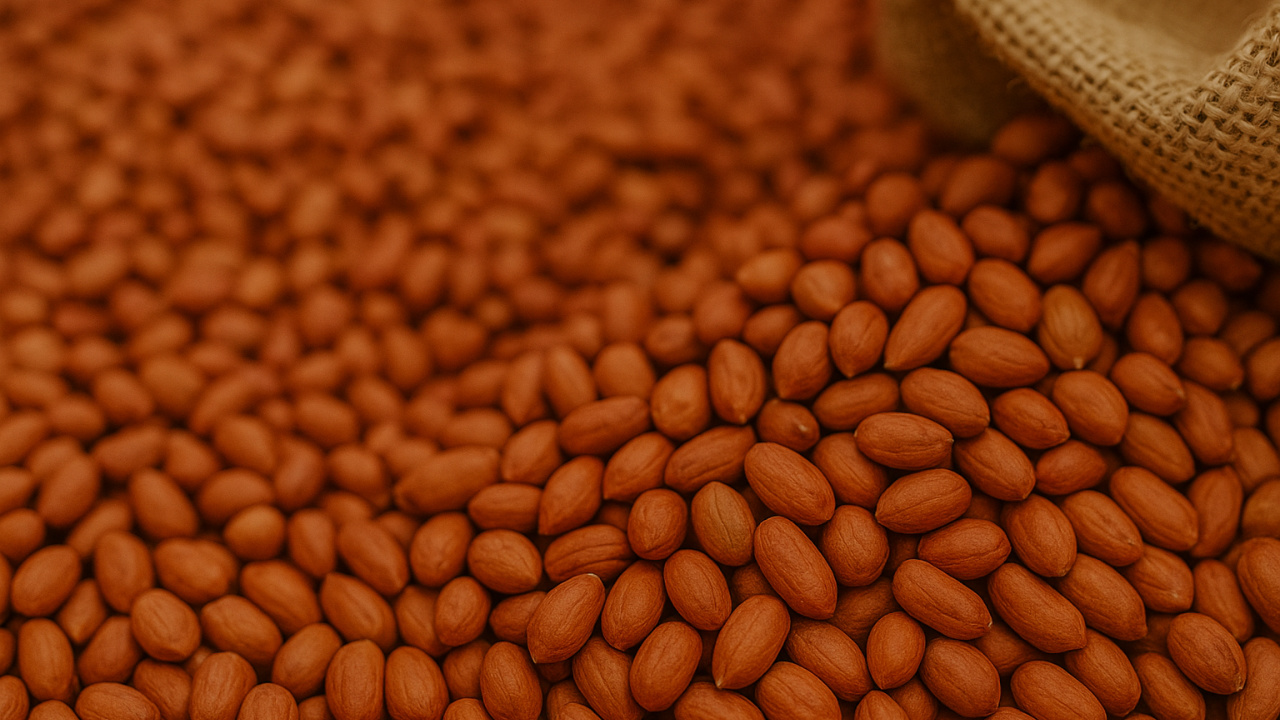
Agricultural Sector Gains Strength and Moves Billions, According to National Survey Showing How Peanut Production More Than Tripled.
The production of peanuts has more than tripled in the last decade, points out a study released by the Brazilian Peanut Association (Abex-BR), which details how the sector has transformed into an agricultural powerhouse responsible for moving R$ 18.6 billion per year.
The survey, released this Wednesday (3) in Ribeirão Preto, gathers data from the entire production chain and explains who is driving this growth, where it occurs, when the advance consolidated, how production evolved, and why peanuts gained prominence in Brazil.
Thus, the document becomes the first complete mapping of the sector ever produced in the country.
-
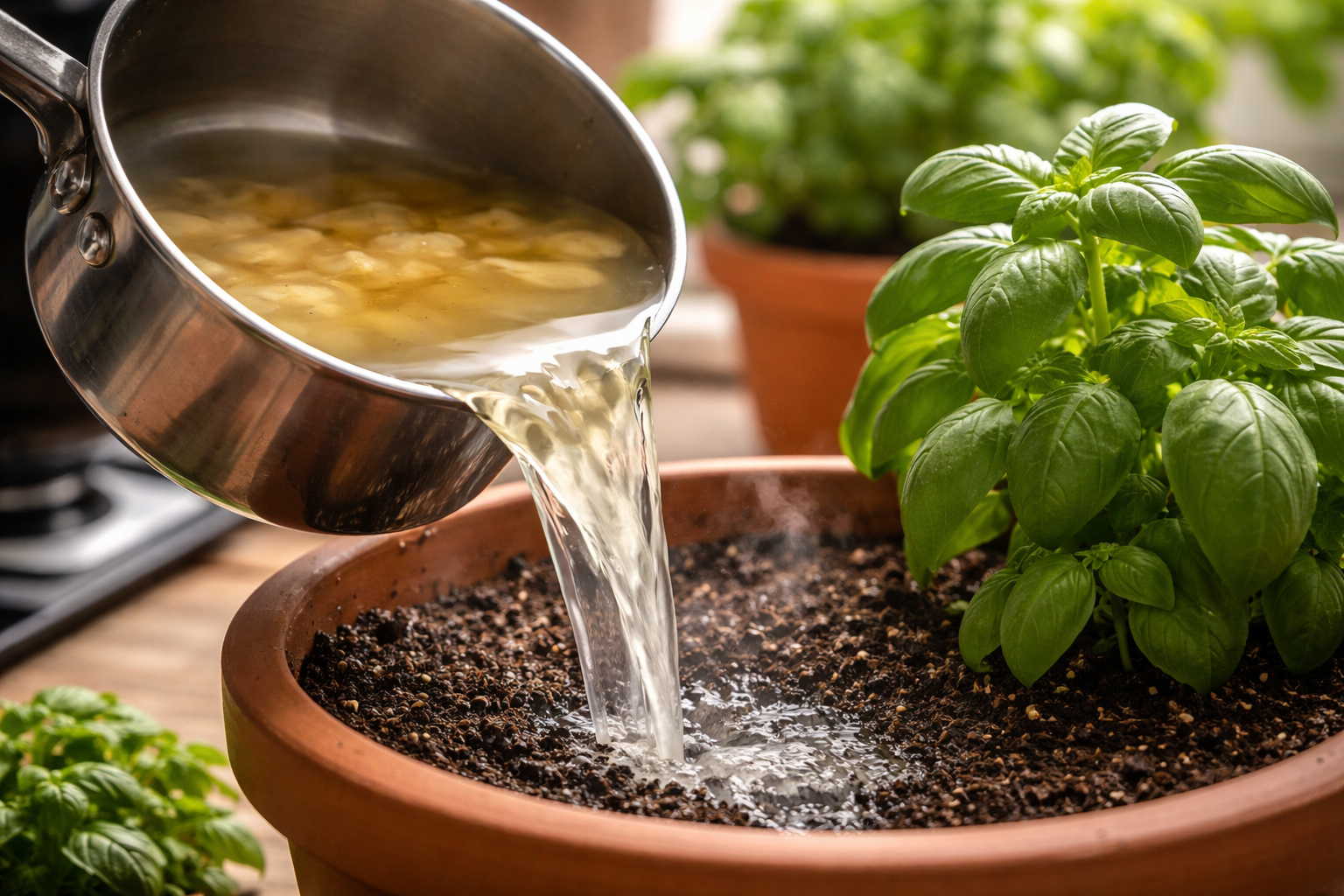
The water that almost everyone throws away after cooking potatoes carries nutrients released during the preparation and can be reused to help in the development of plants when used correctly at the base of gardens and pots, at no additional cost and without changing the routine.
-
The sea water temperature rose from 28 to 34 degrees in Santa Catarina and killed up to 90% of the oysters: producers who planted over 1 million seeds lost practically everything and say that if it happens again, production is doomed to end.

-
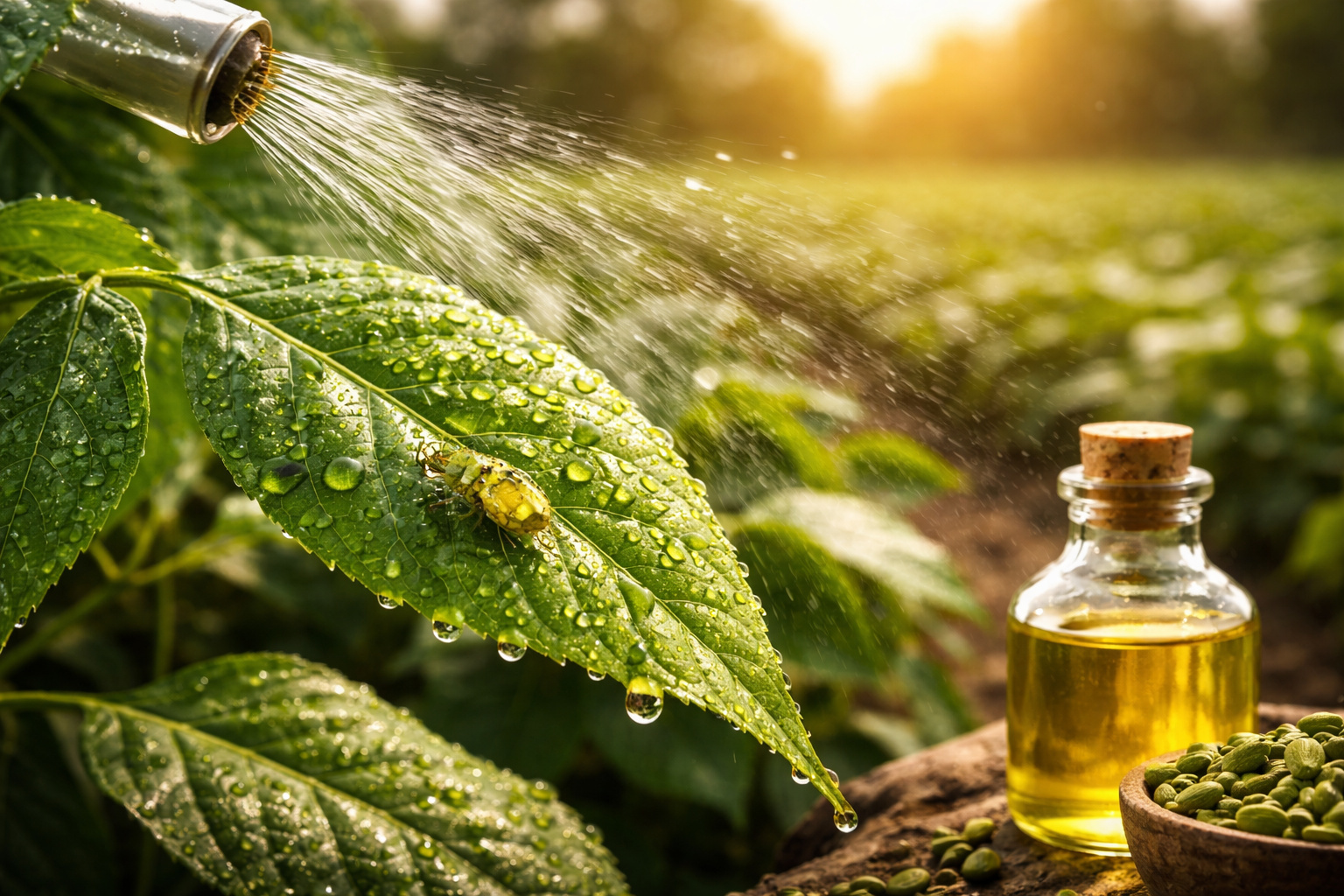
An Indian tree that grows in the Brazilian Northeast produces an oil capable of acting against more than 200 species of pests and interrupting the insect cycle, gaining ground as a natural alternative in soybean, cotton, and vegetable crops.
-
The rise in oil prices in the Middle East is already affecting Brazilian sugar: mills in the Central-South are seeing their margins shrink just as ethanol gains strength.

With 134 pages, the study combines public information and interviews conducted with 200 producers and 32 companies in the field.
According to the president of Abex-BR, Cristiano Zanguetin Fantin, “this organized data serves as a compass to identify opportunities throughout the production chain, from production to industrialization, the stage that adds the most value”.
Brazil Enters the Top 10 Worldwide: Peanut Production More Than Tripled in the Last Decade, Study Points Out
The new landscape shows that the country reached 1.3 million tons in the 2024/2025 cycle, a volume that placed Brazil, for the first time, among the 10 largest global producers.
In the last crop, the country ranked 8th among 54 competitors and advanced even further in international trade: becoming the 5th largest exporter of peanuts and the 2nd largest exporter of peanut oil.
Additionally, between 60% and 70% of all Brazilian production goes to the external market, generating around R$ 3.9 billion per year.
China, Russia, Algeria, and the European Union lead the list of destinations.
Producer Profile Reveals Youth and Territorial Expansion
The research shows a sector in renewal.
The respondents are between 21 and 77 years old, but the average age is 45 years — considered young compared to traditional regions, such as Europe.
Most, 85%, are in São Paulo, while Mato Grosso do Sul represents 8%, Minas Gerais 4%, and Mato Grosso 1%.
Family producers dominate larger areas and present productivity 6% higher than individual farmers.
Despite the good performance, only 25% dedicate themselves exclusively to peanuts.
Farms have, on average, 28 machines, comprising a total fleet of 12,000 pieces of equipment in the country.
Even so, 72% still depend on third parties for drying, and 91% do not have their own processing structure.
A Billion-Dollar Chain Driven by Peanut Production More Than Tripled in the Last Decade, Study Points Out
The survey details five fundamental links:
Inputs and Machines:
Revenue of R$ 2.5 billion;
Wages of R$ 128 million;
Taxes of R$ 610 million.
Agricultural Production:
Revenue of R$ 4.3 billion;
Wages of R$ 991 million;
Taxes of R$ 627 million.
Processing:
Revenue of R$ 4.9 billion;
Wages of R$ 196 million;
Taxes of R$ 501 million.
Industrialization:
Revenue of R$ 2.6 billion;
Highlighted taxes: R$ 756 million.
Marketing:
Represents R$ 4 billion;
Contribution of R$ 1.4 billion in taxes.
Together, the sectors generate R$ 7.6 billion directly linked to the Brazilian GDP.
Technology Advances, but Cost Limits New Producers
With 340,000 hectares cultivated — 74% in São Paulo —, the country achieves an average productivity of 3.8 tons per hectare, ranking 3rd in efficiency among the leading producers in the world.
About 64.5% of farmers use precision agriculture tools, although the high investment still hinders the entry of new producers.
Thus, the expansion to the Midwest and new states aims to reduce costs and take advantage of more competitive areas.
Challenges Remain on the Radar Even After the Leap: Peanut Production More Than Tripled in the Last Decade, Study Points Out
Thus, despite robust advancement, the sector faces significant obstacles:
Low domestic consumption: only 26% of production stays in the country;
Per capita consumption far below that of the U.S. (0.8 kg vs. 6 kg/year);
Dependence on leasing and competition for land in São Paulo;
Thus, the high cost of freight and production in new regions;
Lack of infrastructure for storage and processing;
Need for standardization to enter premium markets.
Still, the study reinforces that the growth potential remains high, especially with technological advancement and the already established export strength.










-

Uma pessoa reagiu a isso.