





 Portuguese
  English
  Spanish
  4 min of reading
  0 comments


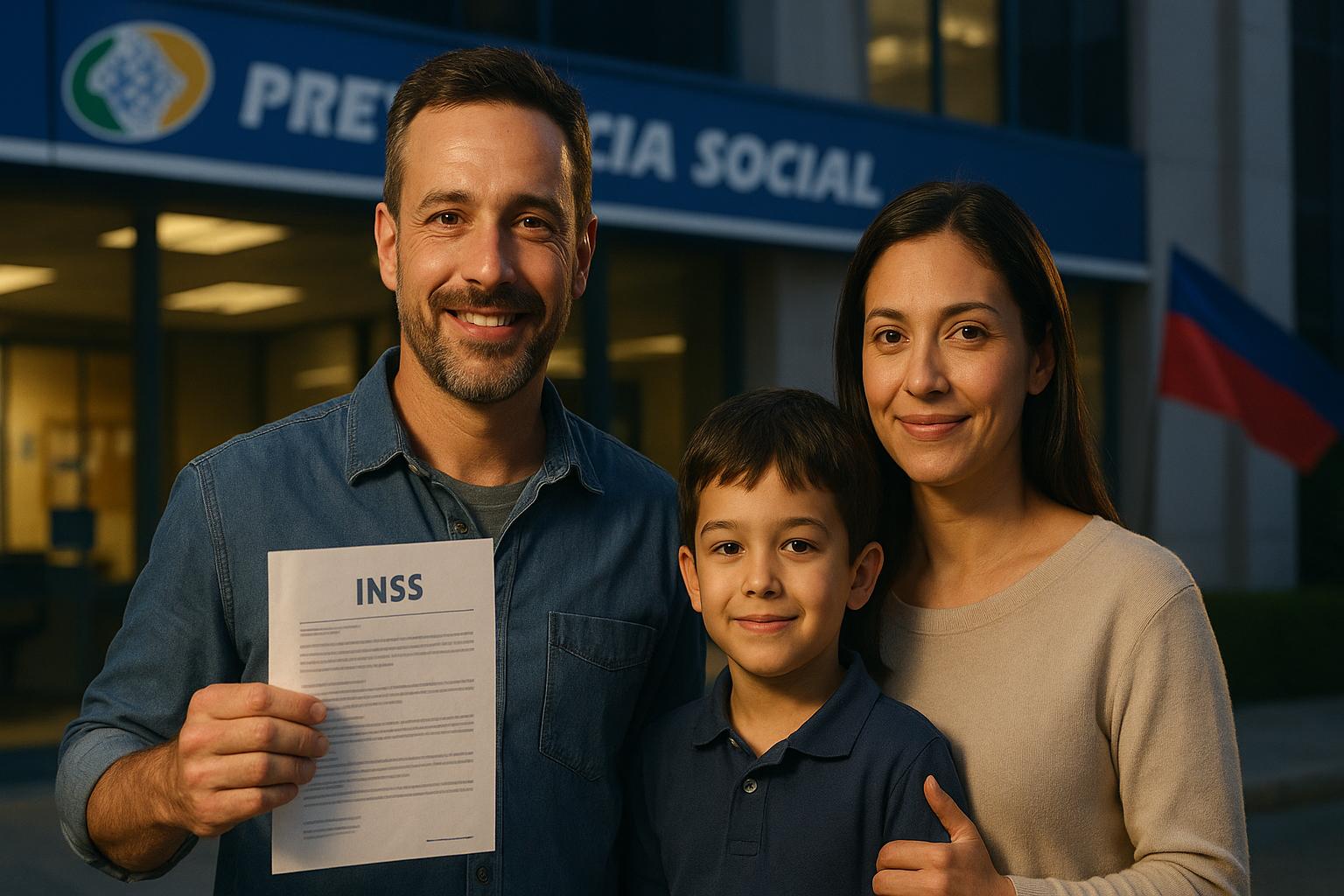
MEI And Independents Who Contribute to INSS Have Rights to Retirement, Death Pension, and Sick Pay, Even Without Signed Work Card, Confirms Justice.
Many workers believe that only those with a signed work card have rights to INSS coverage. But Brazilian legislation is clear: anyone who regularly contributes as a Microempreendedor Individual (MEI) or individual contributor/freelancer is also part of the General Social Security Regime (RGPS) and can access benefits such as retirement, death pension, sick pay, and maternity pay.
The 11th article of Law No. 8.213/1991 lists the mandatory policyholders of the INSS, including employees, freelancers, domestic workers, and individual contributors. This means that formal employment is not the only path: paying monthly contributions already guarantees social security protection.
Who Can Contribute as a Freelancer or MEI
The individual contributor is any individual who works independently, without a formal link to an employer. Examples include app drivers, housekeepers, service providers, consultants, and liberal professionals.
-
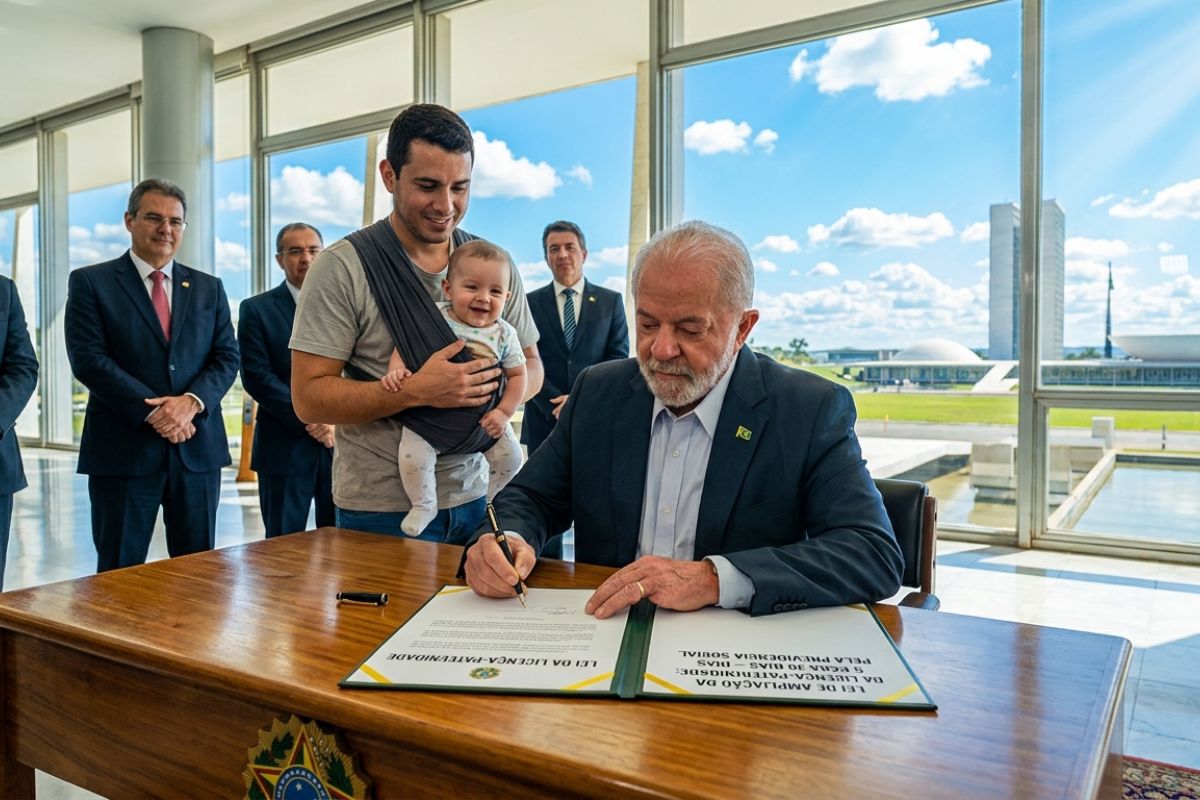
Government enacts new law: paternity leave increases from 5 to 20 days with gradual increases until 2029, and Social Security pays the paternity salary; companies no longer bear the absence cost, estimated at R$ 5.4 billion.
-
End of the 1-hour lunch break in the CLT? Current labor law maintains the break, allows for negotiated reductions, and defines rules for working hours and home office in Brazil.

-
Employee Fired After Accumulating 114 Days of Medical Leave in One Year, Labor Court Upholds Company’s Decision

-
Employee Fired While Treating Depression Wins in Court and Vale Is Required to Rehire Him Following Decision Based on the CLT and INSS Benefits


The MEI, created by Supplementary Law No. 128/2008, is the simplest form of formalization: with a reduced monthly contribution (5% of the minimum wage), the worker has a CNPJ, can issue invoices, and guarantees access to the INSS.
Both, as long as they are up to date with their contributions, have social security coverage.
Benefits Guaranteed by INSS to MEI and Freelancers
The independent contributor and the MEI are entitled to practically the same benefits as an employee with a signed work card, including:
- Retirement by Age: women at 62 and men at 65, with a minimum of 180 contributions;
- Retirement Due to Disability (Permanent Incapacity): when the medical examination proves total incapacity for work;
- Sick Pay (Temporary Incapacity): in case of leave due to illness or accident;
- Death Pension: for spouses, children, and dependents;
- Relaxation Assistance: for dependents in case of policyholder’s imprisonment;
- Maternity Pay: paid to insured pregnant or adopting individuals.
The difference compared to employees is that MEI and freelancers need to maintain active contributions, as the absence of payment can interrupt coverage, known as the grace period.
The Grace Period and the Risk of Losing Coverage
The grace period is the time during which the policyholder maintains insured status even without contributing. According to the Law No. 8.213/91 (art. 15), it varies from 12 to 36 months, depending on previous contribution time and the worker’s situation.
After this period, if the MEI or freelancer fails to pay, they may lose their social security coverage and, therefore, will not have access to benefits until regularizing their payments.
Case Law Reinforces the Rights of Individual Contributors
The STJ has already established that individual contributors are entitled to all benefits as long as they prove their contributions.
In a 2022 ruling (REsp 1.870.751), the court reaffirmed that the employment relationship is not determinant: what matters is the proof of contribution to the INSS.
In the case of MEIs, courts have also confirmed the validity of the reduced contribution (5% of the minimum wage), ensuring access to basic benefits. If the policyholder wishes to broaden their coverage and be entitled, for example, to retirement based on contribution time, they can supplement their monthly rate up to 20%.
Experts Highlight the Importance of Formalization
According to social security lawyer João Badari, “the independent worker who regularly contributes to the INSS is as protected as an employee with a signed work card. The main difference lies in the responsibility: the worker must take care of their contributions.”
Meanwhile, social security law professor Adriana Bramante emphasizes: “the MEI has been one of the greatest achievements of inclusive social security in Brazil. It allowed millions of people who were previously informal to gain access to retirement and death pensions.”
Social Security is Protection for All Who Contribute
The Brazilian social security system makes it clear: it is not the signed work card that guarantees protection, but regular payments to the INSS.
Freelancers and MEIs are part of the General Regime and can access fundamental benefits for themselves and their dependents.
In practice, this means that the app driver, hairdresser, housekeeper, or small merchant who properly pays the INSS has the same basic right to a death pension or retirement as an employee with a signed work card.
The message is clear: contributing is protecting oneself and protecting the family.










Seja o primeiro a reagir!