





 Portuguese
  English
  Spanish
 5 min of reading
  15 comments


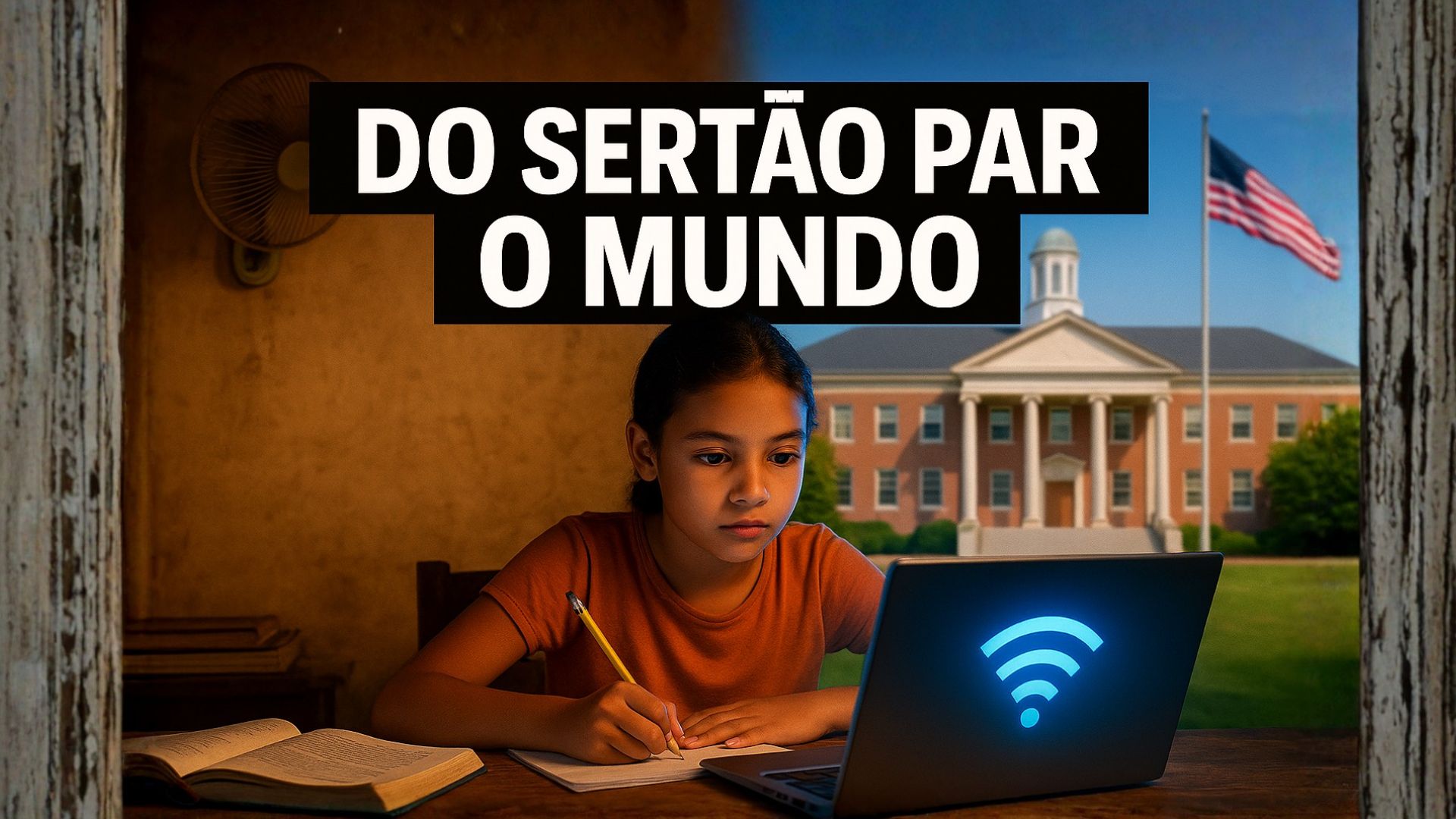


Young Woman from the Backlands Catches Attention for Academic Trajectory Marked by Autodidacticism and International Approvals.
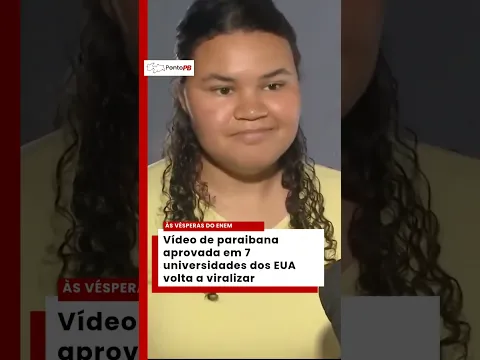
At the age of 20, the woman from Paraíba Alice dos Santos Araújo Lourenço, born in Nova Olinda in the backlands of Paraíba, transformed a study routine at home and in public school into a passport for overseas.
Between 2023 and 2024, she was accepted into seven American universities after learning English on her own, using only free materials available on the internet.
Today, the student is preparing to pursue Computer Science and Education at the University of North Carolina at Chapel Hill (UNC-Chapel Hill) on a full scholarship.
-
These living root bridges and ladders are over 700 years old and help indigenous people survive in one of the rainiest regions in the world.

-
From sertanejo star to international investor: Ana Castela invests millions in a mansion in the USA, creates a themed accommodation in Orlando, and shows that the “boiadeira” also wants to grow away from the stage.

-
The 10 most stunning motorhomes in the world: a $3 million trailer with a rooftop nightclub and garage for a Ferrari, “palaces on wheels” with Italian marble, private cinema, and five-star hotel luxury for billionaires.

-
Trump wanted to spend $400 million on the White House, but the courts prohibited the million-dollar construction.


From the Backlands of Paraíba to International Applications
Originally from Nova Olinda, a municipality with just over 6,000 inhabitants in the Vale do Piancó, Alice studied in public schools and completed her Technical High School in Computer Science at the Federal Institute of Paraíba (IFPB) – Itaporanga Campus.
It was at the institution that she had her first systematic contact with technology and research through extension projects, scientific initiation, and programming classes, which sparked her interest in an academic career and the possibility of studying abroad.
Still in high school, the young woman started following reports from other Brazilians accepted into foreign universities.
She discovered through extracurricular science activities that students from her country were receiving scholarships at American institutions.
From these references, she began researching the selection process in the U.S., which involves school records, standardized tests, recommendation letters, extracurricular activities, and proficiency in English.
English Learned by Herself with Free Materials

Unable to afford language courses, exchanges, or private tutors, Alice created her own study routine.
She relied on YouTube videos, free apps, podcasts, news websites in English, practice tests, and digital dictionaries, building a method based on daily practice and repetition.
According to the student, English became “the key” to bridging her dream of studying abroad with reality.
The routine included hours of reading and listening in English.
There were also grammar exercises and text production.
In interviews, she shares that she created summaries, reviewed her own performance in spreadsheets, and retook questions until she fully understood the content.
In parallel, she participated in academic activities and technology-related projects at IFPB, which helped strengthen the curriculum required by universities.
Organization and Preparation for the Selection Processes in the U.S.
As she delved deeper into research on applications, Alice structured a specific study plan for the exams and documents required by foreign institutions.
The preparation included English proficiency tests, essays in the format required by universities, and detailed organization of deadlines and requirements.
After completing high school, the young woman took a gap year to fully dedicate herself to applications.
During this time, she received support from free mentoring programs, such as the Latin American Leadership Academy (LALA), which guided her on application strategy, essay writing, selecting relevant activities, and compiling her academic portfolio.

Approvals and Choice of North Carolina
The effort resulted, in 2023, in the first acceptance letters.
The approvals came from the University of Colorado at Boulder, Stockton University, University of British Columbia (in Canada), and University of Wisconsin–Madison.
In 2024, three more approvals came, including the University of Connecticut and the University of North Carolina at Chapel Hill.
In total, she received offers from seven American universities.
With the options in hand, Alice chose UNC-Chapel Hill, a public research institution located in the Research Triangle area, known for its concentration of universities and technology companies in North Carolina.
The university offers the combination of courses that the young woman wishes to pursue, blending Technology and Education, and has programs focused on community service.
Full Scholarship and Support from a Brazilian Foundation
In addition to academic acceptance, the student needed to secure resources to sustain herself abroad.
After receiving the letters from the universities, she applied for the scholarship program from the Behring Foundation, a Brazilian organization that supports young people on academic paths related to technology and social impact.
The selection resulted in a full scholarship that covers tuition, housing, food, and other undergraduate expenses in the United States.

With funding secured, the trip was planned for the beginning of the school semester.
The young woman’s routine began to include preparation for the move, bureaucratic adjustments, and sharing her story in schools and educational events.
In recent testimonies, Alice states that she intends to leverage her education abroad and, in the future, return to Brazil to work on initiatives that increase access for girls and low-income students to science and technology fields.
Digital Inclusion and Impacts for Backlands Students
Alice’s journey has gained attention for representing students from regions with fewer structured educational opportunities.
The backlands of Paraíba still registers inequalities in internet access, especially in rural areas.
According to educators in the region, cases like hers illustrate the role of digital inclusion as a tool for educational mobility.
For managers and researchers in the education field, the experience highlights the potential of public school students when there is access to quality content, minimal guidance, and connectivity infrastructure.
They also affirm that high-performing paths depend on individual effort and support networks formed by teachers, family, and mentoring programs.
Growth of Brazilians in U.S. University Selections
Reports from organizations linked to international education indicate an increase in the number of Brazilians attempting to earn spots at American universities.
This movement primarily occurs among graduates of public schools who utilize open platforms, online practice tests, and programs to prepare for scholarships abroad.
Initiatives aimed at guiding low-income students have multiplied in recent years.
The focus of these actions is to clarify application steps, enhance English proficiency, and diversify the candidate profile.
In this context, stories like Alice’s are often cited by experts in international education as examples that increase visibility for students from rural areas and reinforce discussions about public policies for access to the internet, equipment, and pedagogical support.







Fico feliz em saber que jovens autodidatas sem recursos, da Paraiba e em outras regiões tem conquistado um lugar ao sol, nas Universidades americanas. Eu aqui aos 66 anos também estou estudando inglês nessa perspectiva, de viver de pesquisa numa Universidade americana, e ganhando em dólares, e fazer o meu sonhado PHD. Nunca é tarde para realizar nossos sonhos. Com fé em Deus, e esforços também chegarei lá.
Conhecimento é poder, é muitos jovens ainda não se derem conta de que as redes sociais tem muito conteúdo de conhecimento gratuito.
Que menina incrível, uma força de vontade/dedicação assim é 1 em 1 milhão