





 Portuguese
  English
  Spanish
  5 min of reading
  0 comments


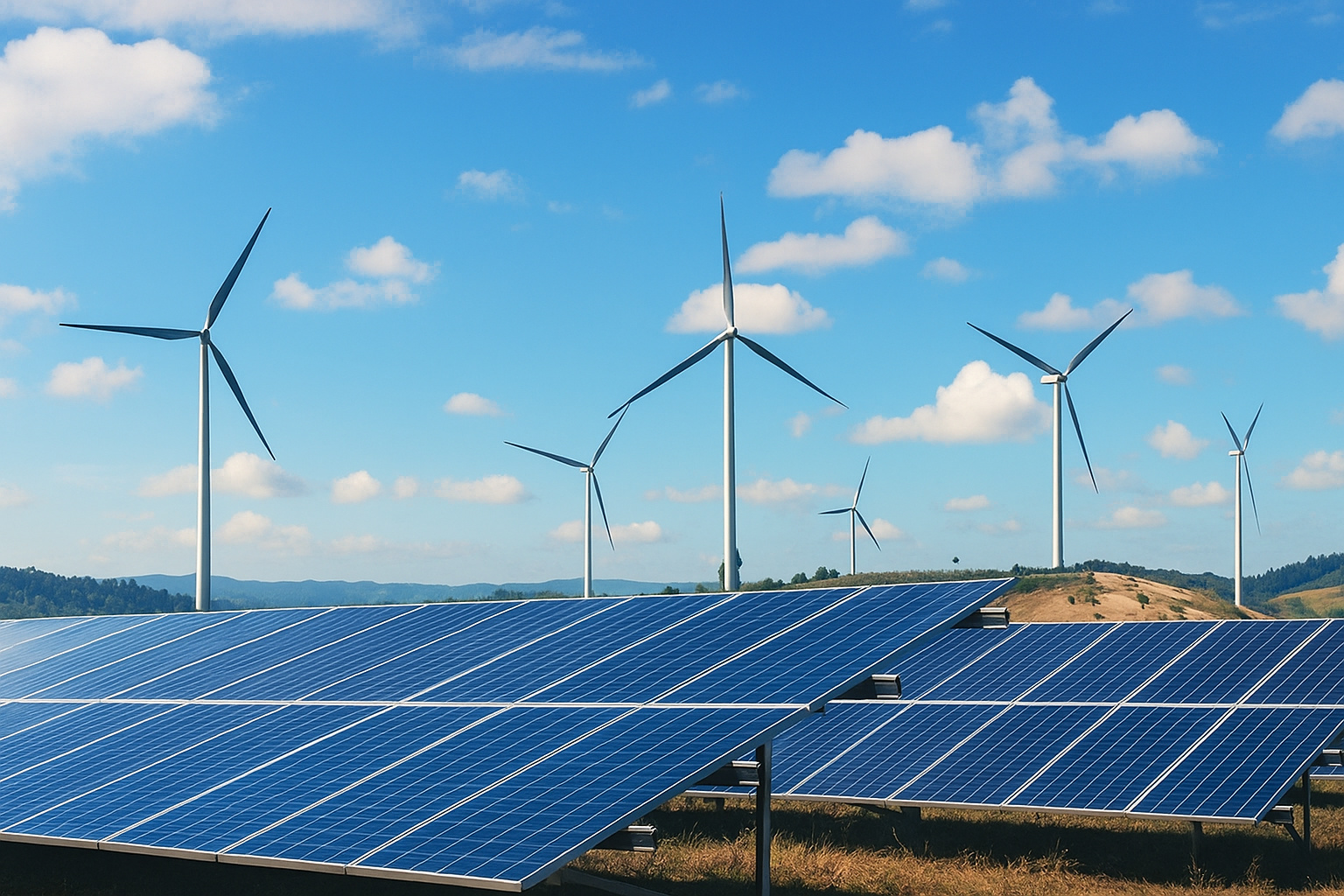
Discover How the Integration of Artificial Intelligence and Clean Energy Transforms the New Generation of Data Centers into a Reference for Sustainability and Efficiency in Brazil.
In recent decades, the world has undergone an unprecedented digital transformation.
With advancements in global connectivity, the rise of social networks, and the strengthening of cloud computing, the demand for technological infrastructure has increased exponentially.
As a result, increasingly complex and innovative structures have emerged, defining the new generation of data centers, based on Artificial Intelligence (AI), renewable energy, and operational efficiency.
-
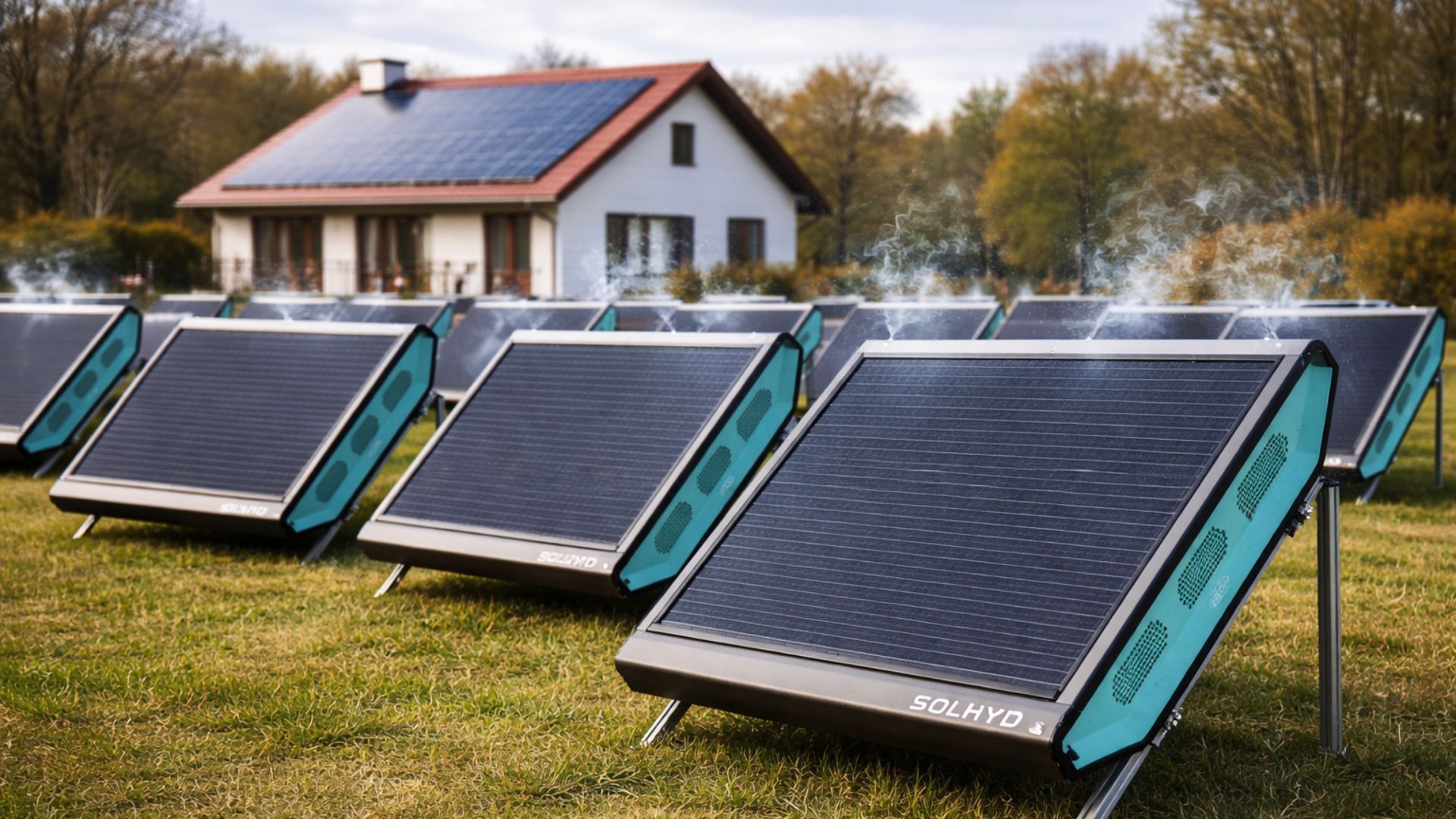
Green hydrogen at home: Belgium launches new technology that makes solar panels produce fuel from the moisture in the air, which could boost the energy transition.
-
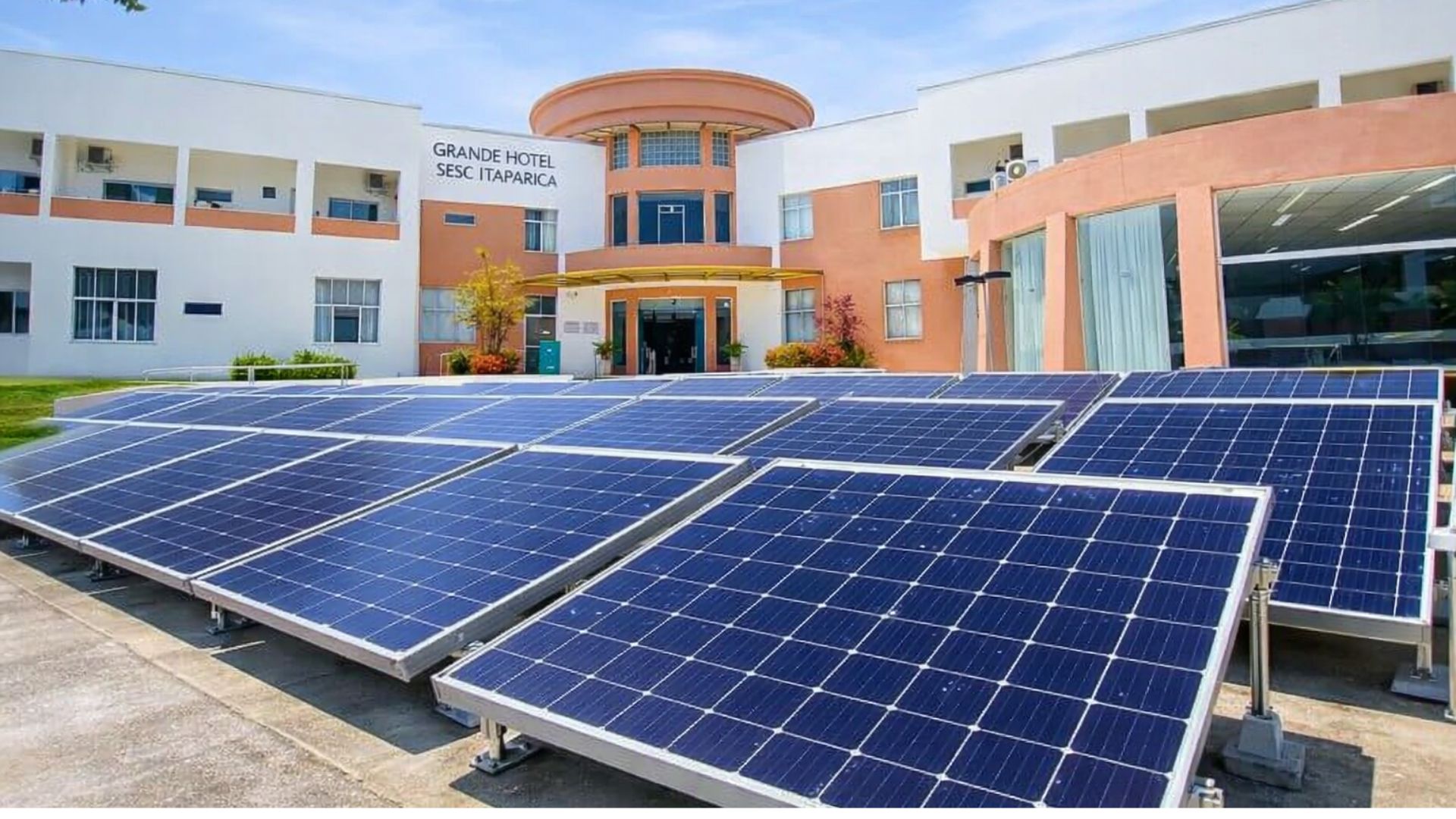
Sesc-BA bets on renewable energy with the support of EDP and drives the energy transition with a direct impact on cost reduction and the sustainability of its operations in Bahia.
-
Technology giant breaks global sustainability records: How Amazon’s leadership in renewable energy procurement transformed the global energy market in the past year.
-
Alert in the electric sector: Atlas Renewable Energy confirms billion-dollar investment and Brazil risks losing a share of the new investment in Latin America to neighboring countries.
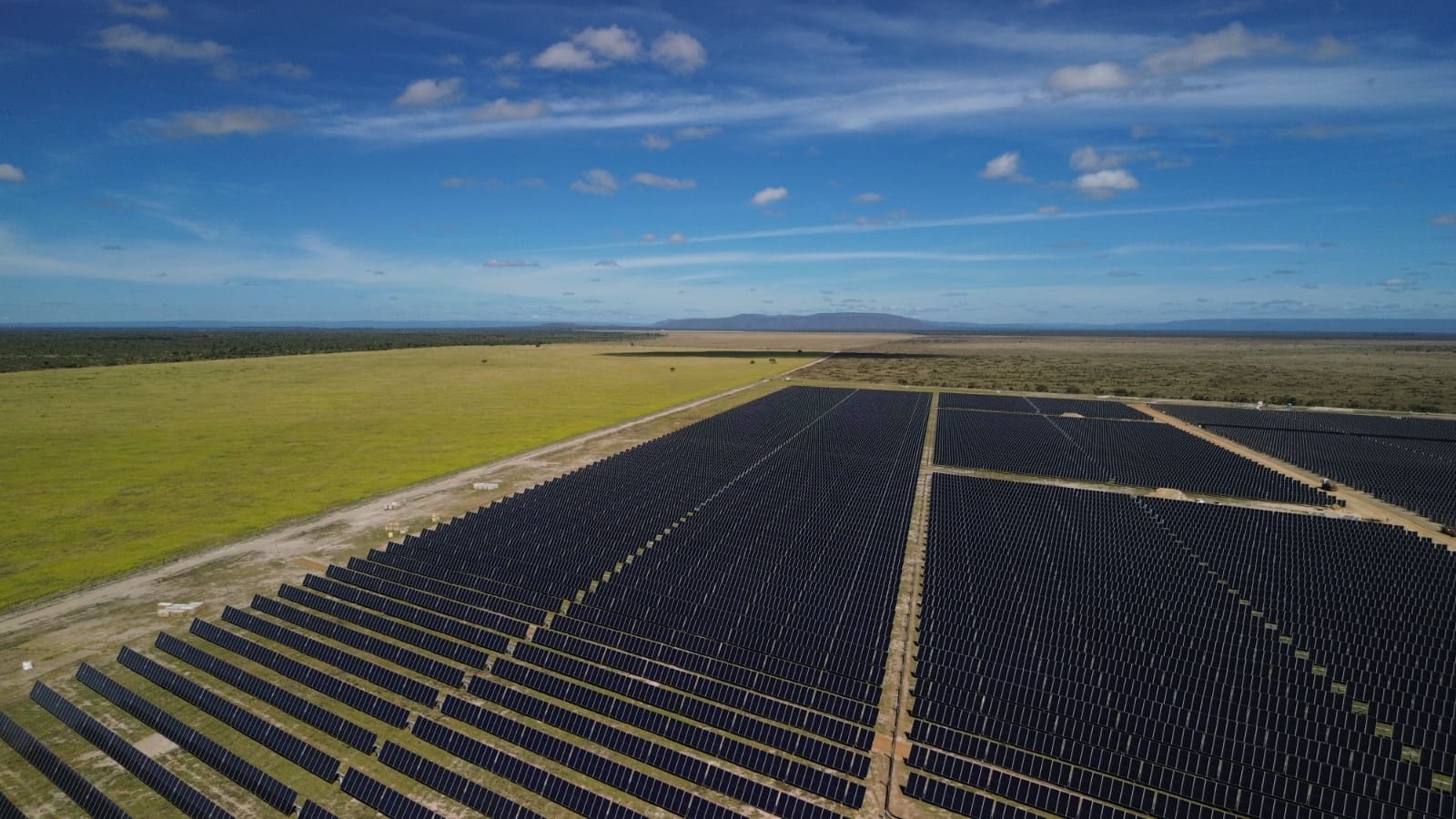

In Brazil, this technological revolution found a fertile ground, primarily because of the predominantly clean energy matrix and the ample availability of natural resources.
Thus, the country has become one of the main destinations for investments in sustainable digital infrastructure.
Moreover, global companies have started to view Brazilian territory as a strategic point, precisely because it offers favorable conditions to operate with a low environmental impact.
On the other hand, AI has also profoundly transformed the way data centers are designed, monitored, and maintained.
Through intelligent algorithms, systems can now anticipate failures, adjust energy consumption, and balance performance in real time.
Thus, automation ensures greater reliability and reduces operational costs while promoting more sustainable practices.
Energy Efficiency and Technological Innovation
With the growth of digitalization, the search for more sustainable data centers has become essential.
In this context, AI takes on an increasingly important role as it allows for the identification of consumption patterns and correction of waste before causing significant impact.
Moreover, technology enables intelligent use of energy resources, optimizing each stage of the operation.
At the same time, innovation in physical infrastructure has also advanced rapidly.
Liquid cooling, for instance, represents one of the greatest technological leaps in the new generation of data centers.
Unlike traditional ventilation systems, this method allows for more efficient heat dissipation with lower energy costs.
Thus, it proves ideal for environments that operate with AI workloads and high-density applications.
Furthermore, high-precision sensors — like those developed by specialized companies in environmental measurement — help to monitor temperature, humidity, and airflow with extreme accuracy.
With this data, intelligent systems can automatically adjust energy consumption, ensuring efficiency, safety, and reliability.
Therefore, the use of monitoring technology solidifies as one of the pillars of this new digital era.
Renewable Energy and Strategic Competitiveness
In the current scenario, the use of renewable energy sources has ceased to be just an environmental goal and has become a competitive advantage.
Through Power Purchase Agreements (PPAs) with solar and wind farms, companies can reduce long-term costs and ensure stability in electricity supply.
Moreover, these partnerships offer price predictability and reinforce the commitment to sustainable practices.
In increasingly demanding global markets, the traceability of the energy matrix has become a decisive factor to attract investors and corporate clients.
Thus, companies operating in Brazil find a significant advantage, as about 80% of the national energy comes from clean sources.
Compared to other countries, Brazil has one of the most renewable energy matrices on the planet, making it naturally competitive in the sector.
Simultaneously, data center operators have invested in proprietary substations and dedicated distribution networks, ensuring greater electrical stability and operational independence.
This way, they can mitigate interruption risks and ensure continuous operation.
As a result, efficiency and sustainability go hand in hand, consolidating Brazil as a protagonist in the digital energy transition.
AI and Sustainability: Pillars of the Digital Future
The combination of AI and renewable energy forms the foundation of the new generation of sustainable data centers.
Through intelligent automation, it is possible to reduce waste and improve the performance of each system.
At the same time, the use of clean energy sources reinforces the commitment to the environment, promoting a technological infrastructure of low environmental impact.
Additionally, AI has been enhancing the internal processes of these structures.
With machine learning algorithms, it is possible to predict the thermal behavior of a data center, automatically adjust electrical loads, and avoid overloads.
As a result, there is a significant gain in reliability and savings.
Innovative companies such as Vaisala have developed sensors and measurement solutions that further enhance operational efficiency.
Thanks to these advances, the sector demonstrates that sustainability and technology are not opposing goals, but complementary.
Therefore, each innovation contributes directly to a more responsible and balanced digital future.
Brazil as a Protagonist of Transformation
In the Latin American context, Brazil stands out for bringing together the ideal conditions for the advancement of sustainable digital infrastructure.
This occurs because the country combines clean energy, innovation policies, and an expanding internal market.
Despite logistical challenges and the need for professional qualification, the data center sector is growing consistently, driven by the increasing demand for data storage and processing.
In addition to its technological impact, this growth also stimulates economic development.
The installation of new data centers drives local production chains, generates jobs, and fosters the creation of regional technology hubs.
Thus, the transition to a greener digital economy contributes to strengthening the country as a reference in innovation.
With the advancement of AI in strategic sectors — such as health, agribusiness, finance, and energy — the demand for robust infrastructure will continue to grow.
For this reason, the new generation of data centers represents not just a technological revolution, but also an essential pillar of Brazil’s economic and environmental development in the coming decades.
A Sustainable and Lasting Path
In summary, the convergence of Artificial Intelligence, renewable energy, and technological innovation redefines the standards of digital infrastructure in the country.
This union not only promotes efficiency and competitiveness but also contributes to the construction of a cleaner and smarter future.
Consequently, Brazil consolidates as an example that it is possible to unite economic development and environmental responsibility.
As companies adopt sustainable practices and intelligent technologies, the country positions itself as a leader in low-impact digital solutions.
Thus, the new generation of sustainable data centers symbolizes more than a technical evolution — it represents a new paradigm in the relationship between technology, energy, and the environment.
From this integration, Brazil shows the world that digital growth can be innovative, efficient, and environmentally responsible.










Seja o primeiro a reagir!