





 Portuguese
  English
  Spanish
  3 min of reading
  39 comments


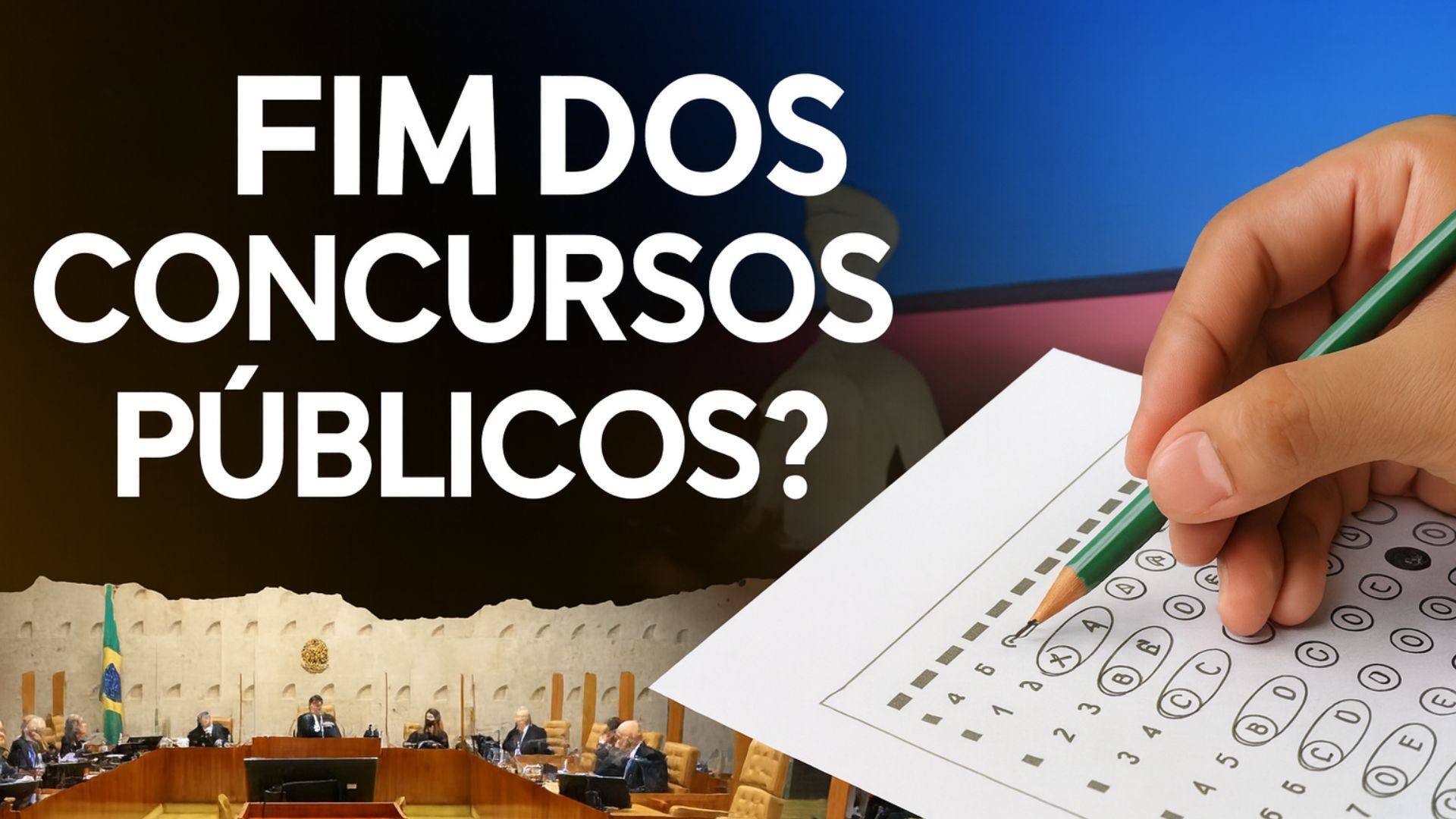


Administrative Reform Proposes End to Public Contests and Entry Through Individual Interviews. Understand How the Proposal Might Change Public Service in Brazil.
The debate on the Administrative Reform has returned to the center of attention in the National Congress. Among the proposals under discussion, the possibility of ending the traditional method of entering Brazilian public service — public contests — stands out, replacing them with simplified selection processes that may include individual interviews, group dynamics, and other subjective assessments. The change, according to critics, could mark the end of public contests in Brazil as the main entry point for State careers.
Selection by Interviews and Temporary Links
Documents already presented by the Working Group of the Chamber of Deputies foresee the creation of new types of temporary links and the flexibilization of the hiring process. In practice, this would open space for selection processes based on interviews or dynamics, without objective tests and without the universal character that currently characterizes contests.


This change would directly affect the impersonality and isonomy of the selection process. Critics argue that by replacing technical tests with subjective methods, it paves the way for political patronage and clientelism.
-
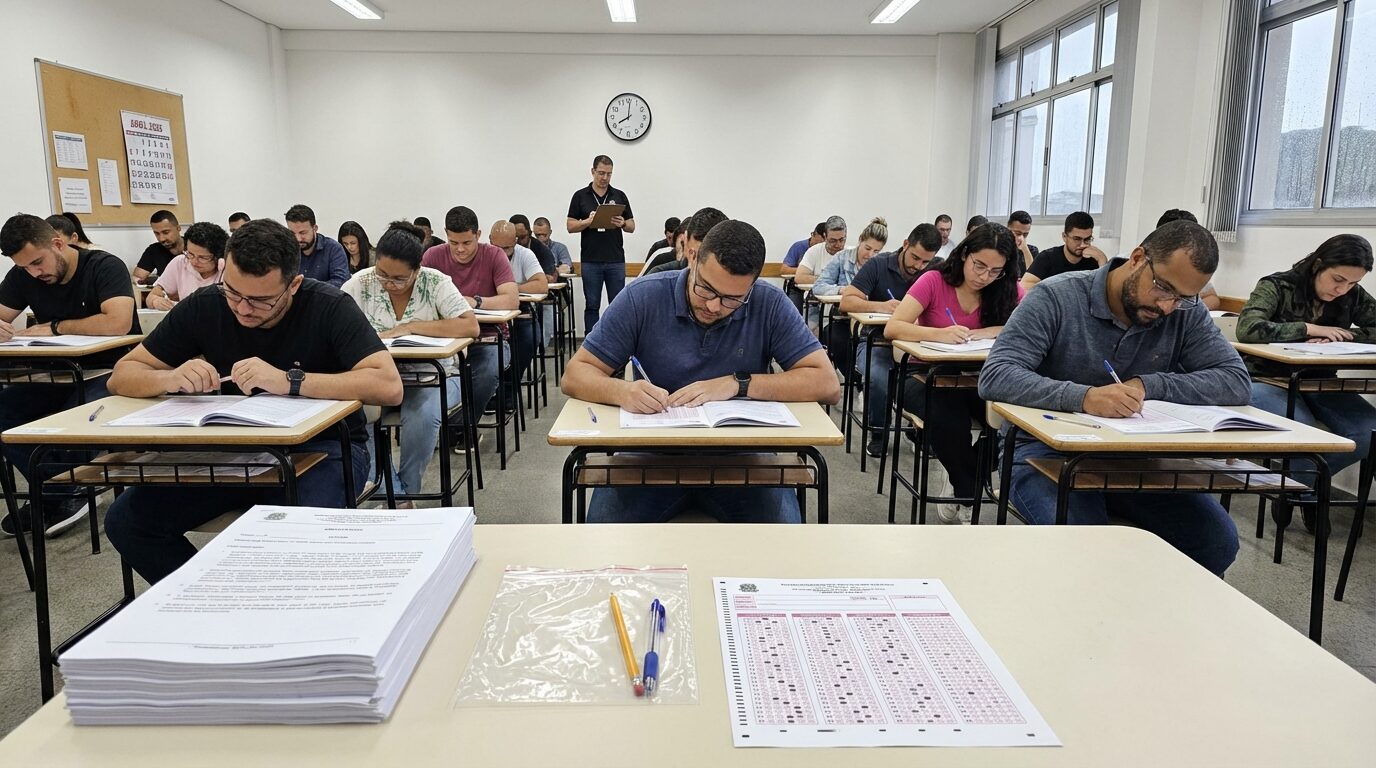
FCC releases the answer key for the Barueri 2026 contest after exams with 23,191 registered candidates, 124 vacancies, and salaries of up to R$ 22,200, with appeals scheduled for April 28 and 29.
-
The Technical Assistance and Rural Extension Company announced a Simplified Selection Process (PSS) with 24 temporary positions – the salary can exceed R$ 5,000.

-
Petrobras Subsidiary Opens 126 Positions With Salaries Exceeding R$ 8,000

-
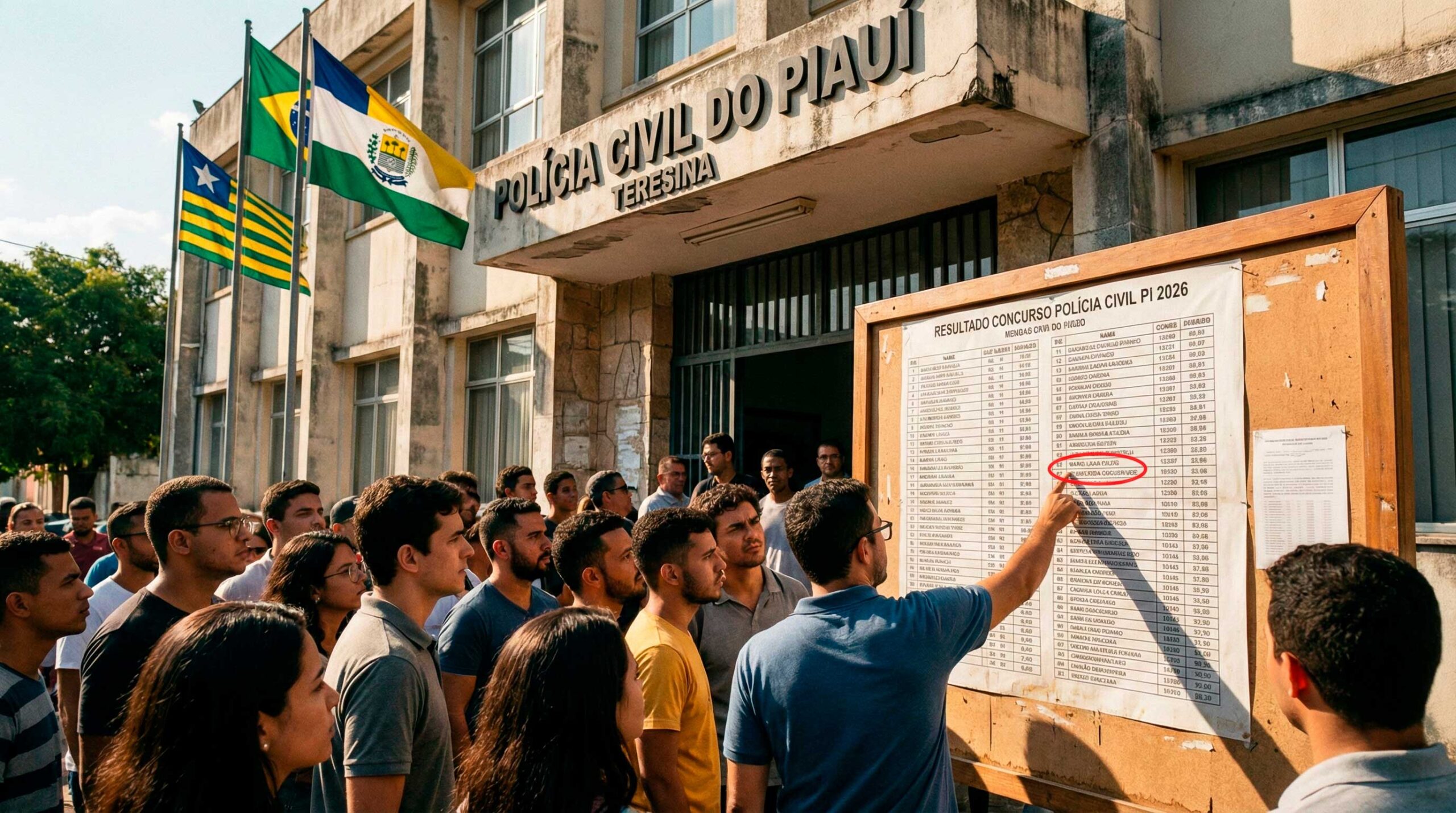
FGV Releases Preliminary Results of the Objective Test for the PC PI Contest, Opens Appeal Period, and Confirms Dates for Next Stages with Approval Criteria and Detailed Salaries

Criticism from Entities and Experts
The SINASEFE (National Union of Federal Basic, Professional, and Technological Education Servers) has been expressing opposition to the proposal, classifying it as an attempt to further jeopardize public service. The entity warns that replacing contests with interviews and temporary links may compromise the quality of services offered to the population.
The lawyer Robson Barbosa, a specialist in constitutional law, also points out possible unconstitutionality in the proposal. For him, weakening the stability of public servants compromises their political independence and opens the door to practices historically combated, such as patrimonialism and ideological appropriation.
Impact on Stability in Public Service
Another central point of the Administrative Reform is the discussion regarding public servant stability. Currently, after a probationary period, civil servants who pass contests have guarantees against arbitrary dismissals, which reinforces their autonomy in carrying out their functions.
With the change, this model would be replaced by temporary contracts and periodic performance evaluations. Experts warn that this measure weakens functional independence and may expose civil servants to political pressures.
Political Context of the Proposal
The National Congress has been the stage for intense discussions on the topic. For SINASEFE, the current political scenario is not favorable to a balanced debate. The entity classifies the parliamentarians who support the Reform as interested in opening space for clientelistic practices and distribution of positions, rather than truly addressing the problems of public management.
What is at Stake with the Change in Contests
If approved, the proposal could:
- Deeply alter the entry system in public service.
- Reduce the number of public contests in Brazil.
- Replace objective tests with individual interviews and dynamics.
- Expand temporary links and turnover of civil servants.
- Weaken stability and functional independence.
Next Steps
The text of the Administrative Reform is still under discussion and will undergo debates in the Chamber’s committees before being voted on in plenary. If approved, it will proceed to the Senate.
In the meantime, public servant entities promise national mobilization to try to stop the project. For them, the proposal represents a historical rupture that could signify the end of public contests as a mechanism for technical and isonomic entry into Brazilian public service.










Um bando de lixo!!!!
Um absurdo um verdadeiro cabide eleitoral, só os apadrinhados são beneficiados esses PROCESSOS SELETIVOS AQUI NO PARÁ SÓ TEM APADRINHADOS DE POLITICOS, QUE TROCAM VOTOS POR EMPREGOS
Essa matéria é falsa desinformados!!