





 Portuguese
  English
  Spanish
  5 min of reading
  0 comments


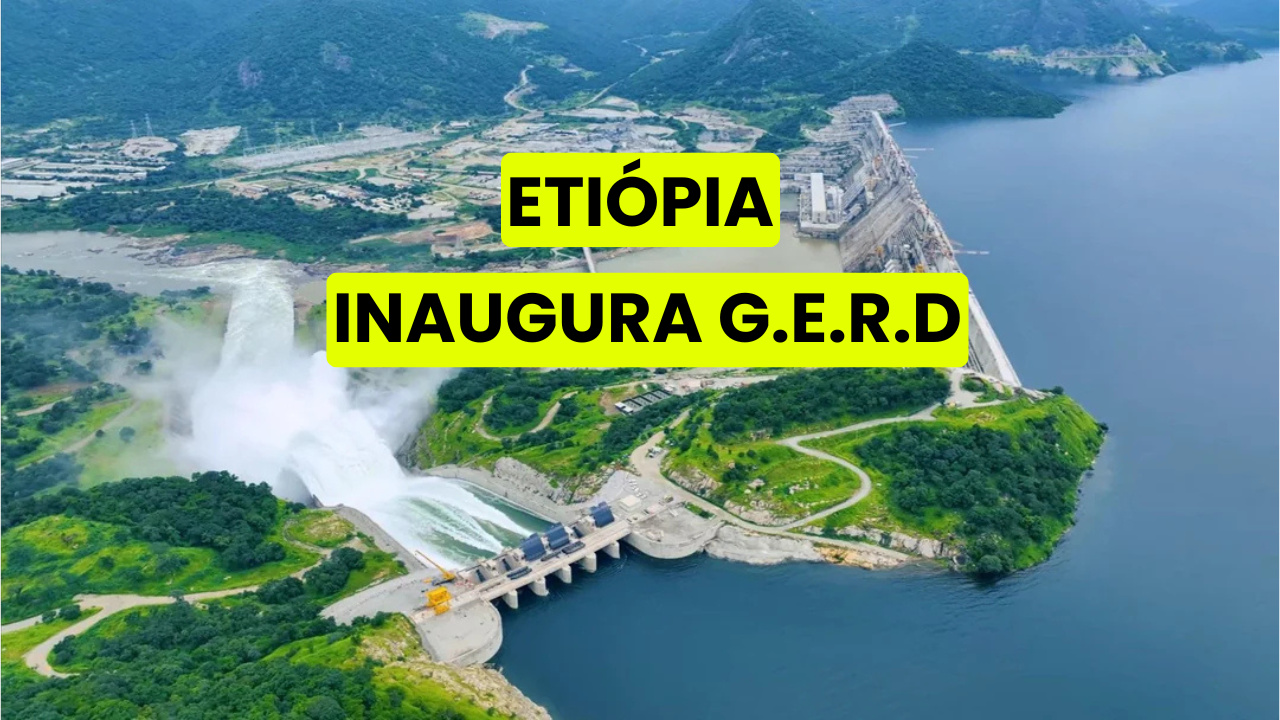
Ethiopia Inaugurates Its Largest Hydroelectric Project, the GERD, Promising Clean Energy for Millions While Egypt and Sudan Warn of Water Risks
Ethiopia officially inaugurated the Grand Ethiopian Renaissance Dam (GERD) on September 9, 2025, considered the largest hydroelectric project in Africa.
With a capacity to generate over 5,000 megawatts (MW), the structure promises to transform the country’s energy matrix and boost the supply of clean energy for the entire region.
However, the progress of the project reignites diplomatic tensions with Egypt and Sudan, countries that directly depend on the waters of the Blue Nile.
-
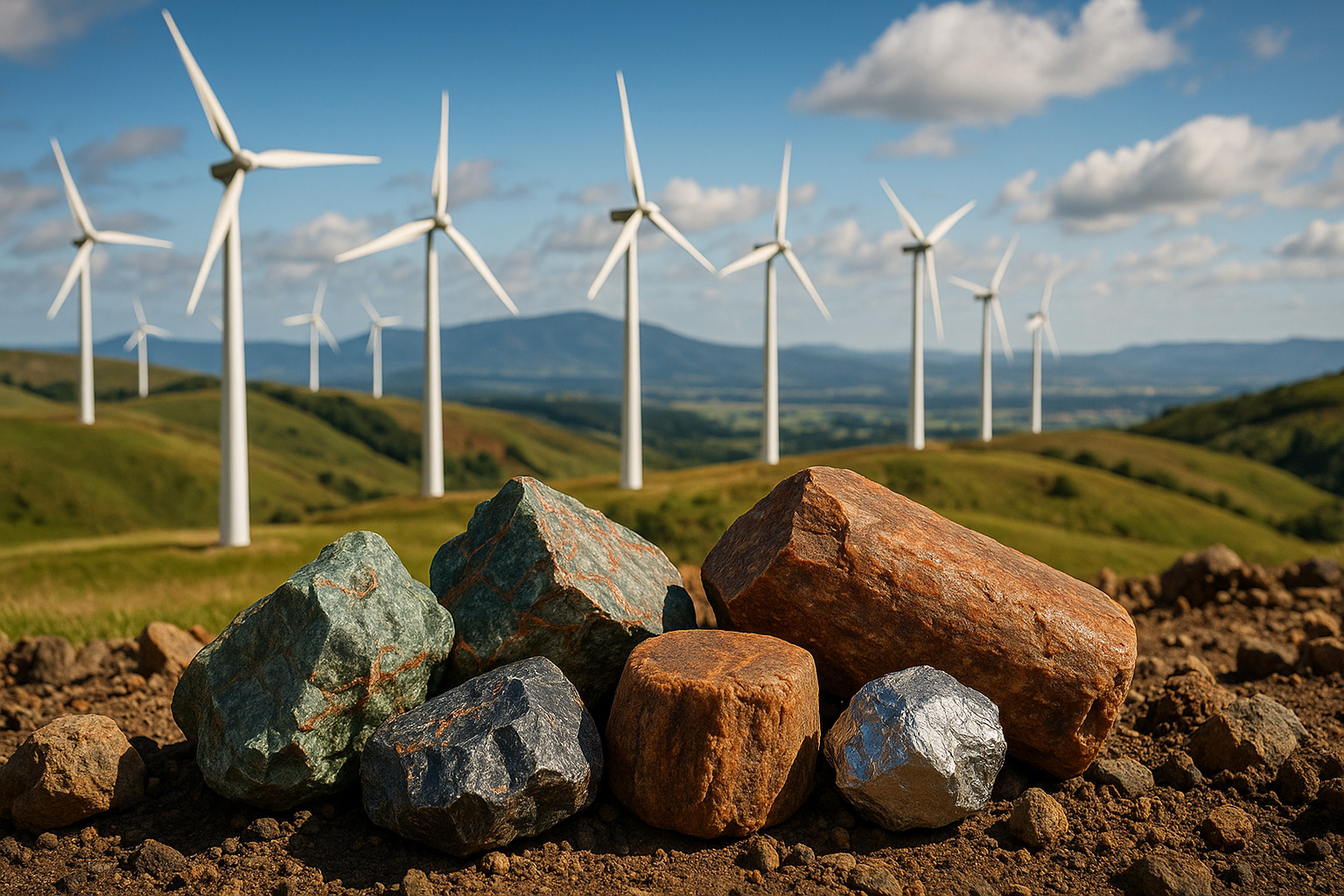
The Brazilian state accelerates industrial competitiveness with a focus on the extraction of strategic minerals to boost the energy transition in Goiás.
-
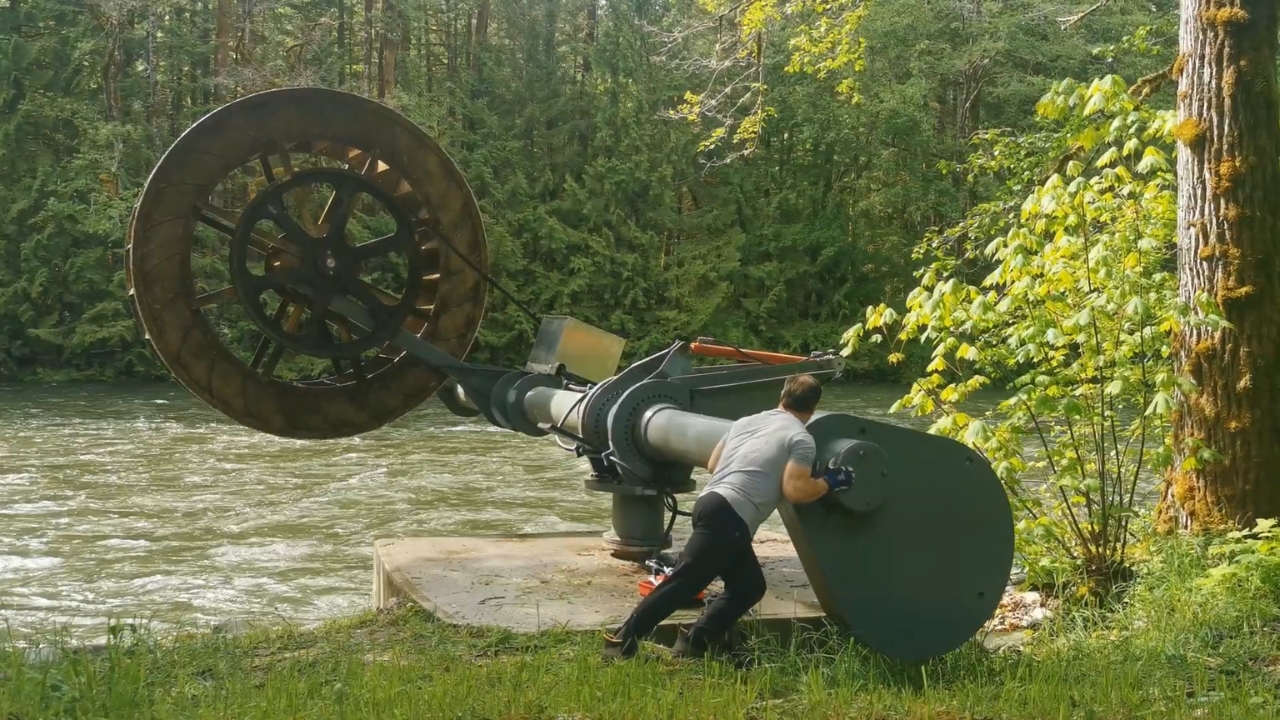
A Canadian retiree creates a hydroelectric system on a real river, generating energy continuously throughout the day and demonstrating how the power of water can supply a house with stability even in a simple structure.
-
Petrobras reaffirms its commitment to the market and ensures that it will carry out the energy transition safely to maintain national sovereignty.

-
Researchers discover a possible hydrogen deposit of up to 46 million tons beneath an ancient coal basin, and the volume could exceed half of the entire global production.


Ethiopia Bets on Clean Energy with the GERD
The GERD is a strategic milestone for Ethiopia, which seeks to establish itself as an energy powerhouse on the African continent. The dam, located in the Benishangul-Gumuz region near the border with Sudan, is 145 meters high and 1,800 meters wide. Its reservoir can store up to 74 billion cubic meters of water.
The hydroelectric project, initiated in 2011, cost around 4 billion dollars and has been partially operational since 2022. With the full inauguration, the expectation is to double the country’s energy capacity, where more than half of the population still lives without reliable access to electricity. The generated energy will be used to supply homes, industries, and also for export.
In addition to reducing dependence on polluting sources like coal and firewood, the dam represents an important step in Ethiopia’s transition to a matrix based on clean and renewable energy.
Egypt and Sudan Warn of Water Risks
Despite the energy benefits, the inauguration of the GERD intensifies concerns in Egypt and Sudan. Both countries are located downstream of the Blue Nile and depend on the river for drinking water supply, irrigation, and agriculture. Egypt, in particular, draws about 97% of its water from the Nile and fears that Ethiopia’s unilateral control of the flow may compromise its water security.
Sudan, on the other hand, faces direct risks. The dam is located near the Sudanese border, and any failure or abrupt release of water could cause flooding or scarcity. The country is already dealing with political instability, civil war, and desertification, making water management even more critical.
Both governments demand a legally binding agreement that guarantees the flow of water and cooperation mechanisms, but so far there has been no consensus.
Hydroelectric Project as a Symbol of Ethiopia’s Sovereignty
For Ethiopia, the GERD is more than an infrastructure project: it is a symbol of sovereignty, national pride, and energy independence. The Ethiopian government, led by Abiy Ahmed, argues that the hydroelectric project does not pose a threat to its neighbors and can even bring regional benefits.
The dam can help control floods in eastern Sudan and provide clean energy to neighboring countries. Ethiopia has already signed electricity export contracts with Kenya, Sudan, and Djibouti, and negotiations are underway with other African partners.
Experts point out that energy generation from the GERD does not consume water, allowing the flow to continue downstream after passing through the turbines. This creates opportunities for cooperation, provided there is operational coordination among the involved countries.
Diplomatic Stalemate and Lack of Agreement on the Hydroelectric Project
Since the start of the GERD’s construction in 2011, Egypt and Sudan have pressed for a legally binding agreement that establishes clear rules for reservoir filling, dam operation, and dispute resolution. Ethiopia, however, rejects external impositions and has proceeded with filling unilaterally.
Negotiations mediated by the African Union, United States, and other international entities have not resulted in consensus. Egypt even considered more stringent diplomatic measures, including bringing the case to the UN Security Council, but so far the stalemate remains.
According to Tobias Zumbrägel, a researcher at the University of Heidelberg, the GERD carries a strong symbolic and political weight. For Ethiopia, yielding to the neighbors’ demands would be to give up its autonomy over strategic natural resources.
Climate Change and the Future of the Nile Basin
The Nile Basin faces increasing challenges from the effects of climate change. Irregular rainfall, prolonged droughts, and rising temperatures directly affect the performance of hydropower plants. Projections indicate a increase in average precipitation in the region, but with greater variability and extreme events.
Evaporation in the Ethiopian highlands is significantly lower than in the arid regions of Egypt, making water storage more efficient in the GERD. This opens the door for integrated management between the Ethiopian and Egyptian reservoirs, such as the High Aswan Dam.
Kevin Wheeler, a researcher at the University of Oxford, emphasizes that cooperation between countries could be the key to facing years of water scarcity. The water stored in Ethiopia could be released strategically to help neighbors in critical times, provided there is mutual trust and technical coordination.
Clean Energy and Regional Integration in Ethiopia
The GERD represents a unique opportunity to promote energy integration in East Africa. With the capacity to supply millions of people and export electricity to neighboring countries, the hydroelectric project can drive regional economic growth.
The clean energy generated by the dam can replace polluting sources and contribute to global climate goals. Additionally, the project can stimulate investments in infrastructure, technology, and technical training, strengthening Ethiopia’s position as a leader in renewable energy on the continent.

Possible Paths for Ethiopia’s Regional Stability
The inauguration of the Grand Ethiopian Renaissance Dam (GERD) marks a watershed moment — literally and figuratively — for the future of East Africa. The hydroelectric project is a technical and strategic achievement for Ethiopia, aiming to ensure clean energy, economic growth, and regional leadership.
However, the success of the GERD depends on the ability of the involved countries to transform tension into dialogue. Cooperation between Ethiopia, Egypt, and Sudan is essential to ensure that the dam’s benefits are shared fairly and sustainably.
Integrated management of water resources, based on science, transparency, and mutual respect, can pave the way for a new era of stability and development. The GERD does not have to be a breaking point — it can be the beginning of a regional partnership that values both energy and water as common goods.



Seja o primeiro a reagir!