





 Portuguese
  English
  Spanish
  3 min of reading
  0 comments


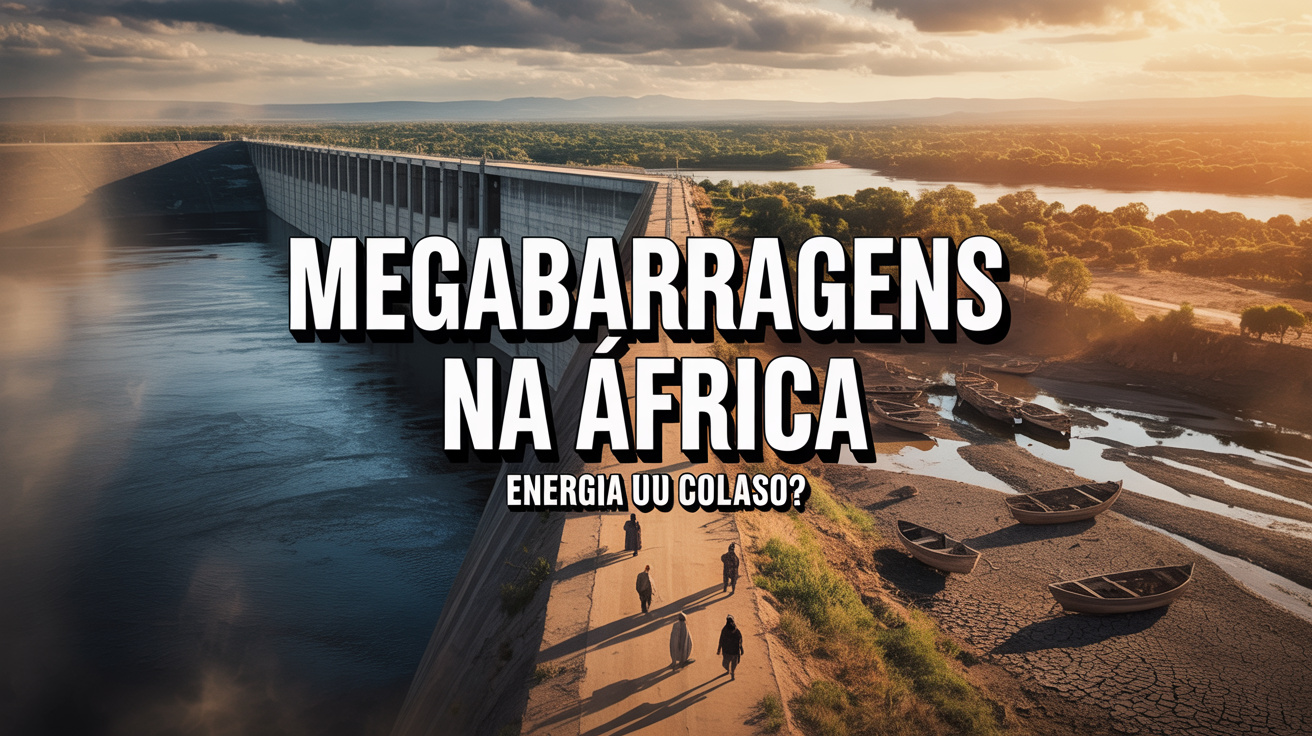
Megadams in Africa Promised Energy and Progress, but Displaced Millions, Altered Rivers, and Left Lasting Social and Environmental Impacts.
The construction of large dams in Africa intensified from the 1950s and 1960s, when newly independent countries began adopting large-scale infrastructure projects as a symbol of modernization and national sovereignty. Inspired by models used in the United States and the Soviet Union, African governments saw the continent’s major rivers as an opportunity to generate electricity, control floods, and boost industrialization. However, the planning prioritized macroeconomic gains and underestimated the long-term social and ecological effects.
The Akosombo Dam and the Creation of Lake Volta in Ghana
Completed in 1965, the Akosombo Dam dammed the Volta River and gave rise to Lake Volta, one of the largest artificial lakes in the world by area, covering about 8,500 km².
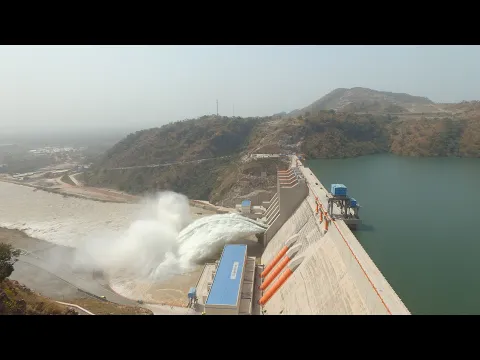

The project enabled large-scale hydroelectric power generation for Ghana and neighboring countries, but it forced the displacement of approximately 80,000 people from more than 700 communities.
-
The lack of welders, electricians, and operators becomes a structural threat in 2025, with the construction industry and manufacturing already suffering from delays, cost pressures, and labor shortages in Brazil.
-
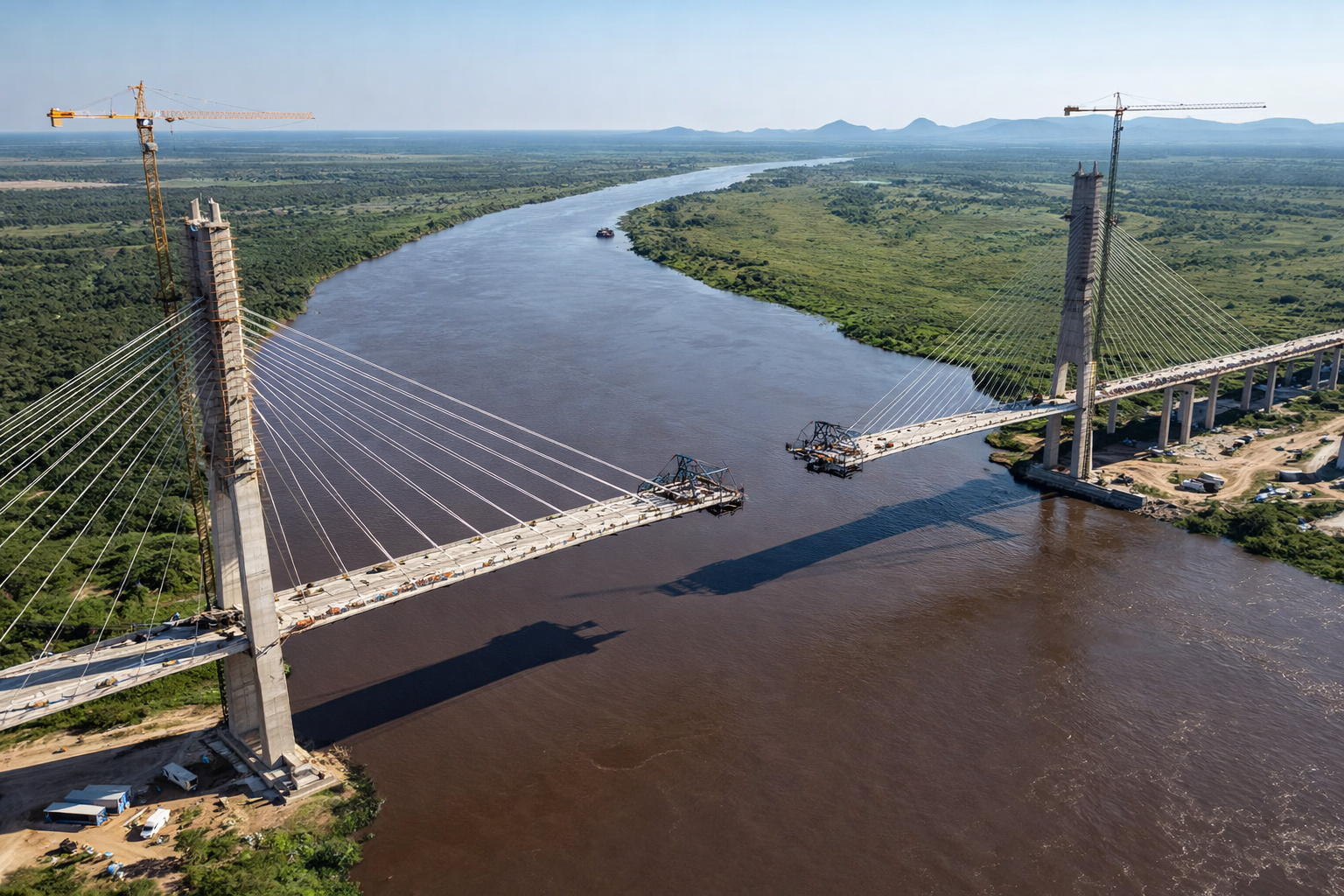
Brazil and Paraguay are just 46 meters away from a historic union on the bioceanic bridge that promises to revolutionize trade between the Atlantic and the Pacific.
-
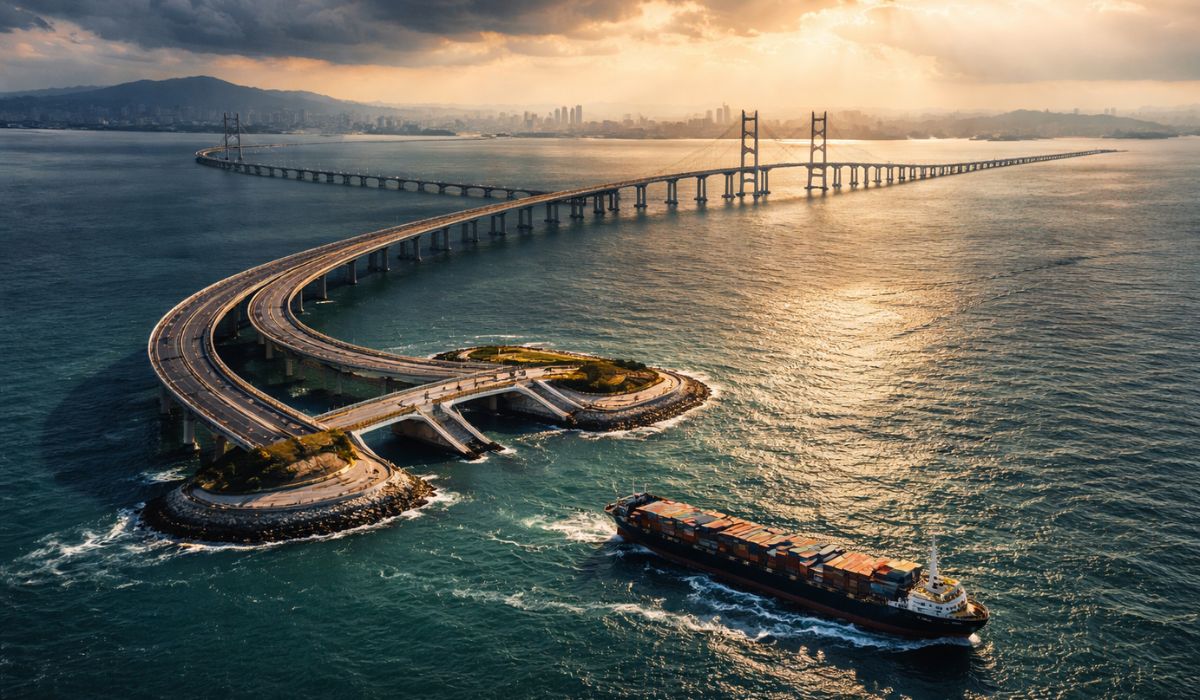
With 55 km over the sea, a cost of US$ 20 billion, and enough steel to build 60 Eiffel Towers, China’s largest project has connected Hong Kong, Zhuhai, and Macau in a colossal bridge that defies the logic of engineering.
-
A trick with joint compound transforms a Styrofoam ceiling into a plaster-like ceiling: leveled panels, wires and mesh at the joints, sand, paint, and change the environment while spending little today.


Many of these families were resettled in areas with less fertile soil and precarious access to basic services, resulting in loss of income and persistent food insecurity.
The Disruption of Sediments and Coastal Erosion in the Gulf of Guinea
The damming of the Volta River drastically reduced the natural transport of sediments to the Gulf of Guinea coast.
These sediments were essential for maintaining the region’s beaches and mangroves. Studies indicate that the retention of this material accelerated coastal erosion in parts of Ghana’s coastline, affecting fishing villages and increasing vulnerability to storms and sea level rise.
Kariba: Power on the Zambezi and the Displacement of the Tonga People
The Kariba Dam, constructed between 1955 and 1959 on the Zambezi River, at the border between Zambia and Zimbabwe, was one of the largest hydroelectric projects in the world at the time.
The artificial lake created by the project displaced around 57,000 people, mostly from the Tonga people. The loss of traditional lands interrupted agricultural practices based on the seasonal floods of the river, disrupting subsistence systems that had existed for generations.
The artificial regulation of the Zambezi’s flow eliminated the natural pulse of floods that supported wetlands, floodplains, and reproductive cycles of fish.
As a consequence, several native species experienced population declines, directly affecting artisanal fishing. In response, lake fishing projects were introduced in Lake Kariba, but these artificial systems failed to compensate for the ecological loss of the original river.
Source: Zambezi River Authority; International Rivers (2018); African Studies Quarterly (2017)
Aswan: The Control of the Nile and the Transformation of Modern Egypt
The Aswan High Dam, completed in 1970 in Egypt, became one of the most well-known symbols of 20th-century hydraulic engineering.
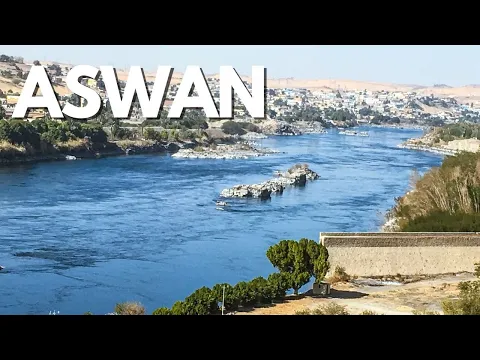
The project ensured flood control, energy generation, and expansion of agricultural irrigation. Conversely, it drastically reduced the deposition of fertile sediments in the Nile delta, increasing dependence on chemical fertilizers and contributing to coastal erosion in the Eastern Mediterranean.
Although each dam has specific characteristics, international reports point to recurring patterns: poorly planned resettlements, inadequate compensation, and a lack of participation from affected communities in the decision-making process.
In many cases, the energy benefits were directed to urban centers and industrial sectors, while the social costs fell disproportionately on rural and indigenous populations.
The Legacy of African Megadams in the 21st Century
Today, many African countries are reevaluating the model of large dams in light of their accumulated impacts, high costs, and vulnerability to climate change.
Prolonged droughts have reduced the generating capacity of several hydroelectric plants, while decentralized solar and wind energy projects are gaining traction as less invasive alternatives. The legacy of megadams remains a warning about the limits of development based solely on megaprojects.
African megadams reveal that large engineering works are not neutral. They reconfigure territories, ecosystems, and entire societies. Decades after their construction, the effects continue to be felt by displaced communities, altered rivers, and weakened coastal regions. The current challenge is not only to produce energy but to learn from these projects to avoid repeating mistakes in the name of progress that often benefited a few and cost many dearly.









-

-

7 pessoas reagiram a isso.