





 Portuguese
  English
  Spanish
  6 min of reading
  0 comments


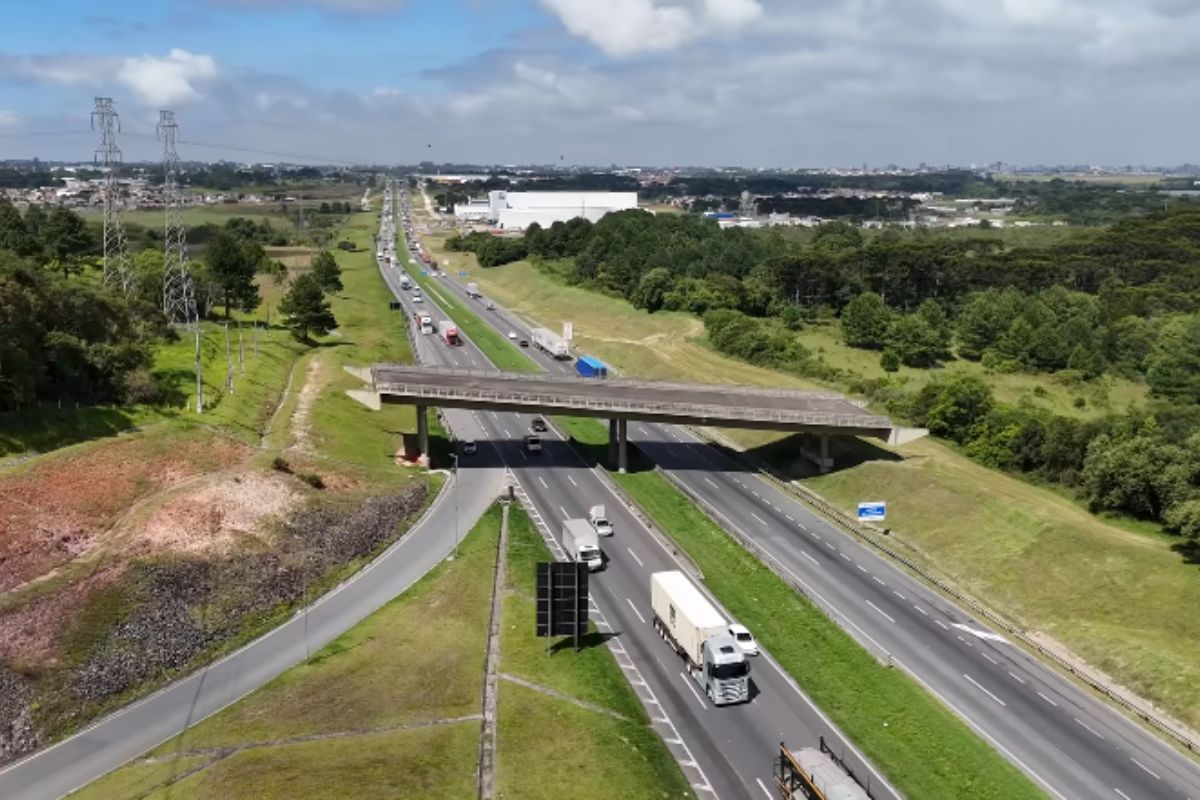
After Decades As A Symbol Of Unfinished Work, The Ghost Viaduct Of São José Dos Pinhais Receives An Investment Of R$ 18 Million And Enters A Path To Unlock Mobility On The Metropolitan Eastern Bypass.
For almost 30 years, the ghost viaduct of São José dos Pinhais was just a massive block of concrete standing over the Eastern Bypass, seen every day by thousands of drivers and residents as a silent reminder of unfulfilled promises. That suspended structure, which seemed to float over the highway without connecting to anywhere, became part of the landscape and also an urban scar in the metropolitan area of Curitiba.
Now, after years of contractual and legal impasses, the scenario changes: the government of Paraná, through the Agency of Metropolitan Affairs of Paraná, decided to resume the work, invest around R$ 18 million, and transform the ghost viaduct into a real connection between strategic neighborhoods in São José dos Pinhais. The expectation is that the structure, once a symbol of waste, will help organize traffic on the Eastern Bypass and facilitate the movement of those who depend on this route daily.
How The Ghost Viaduct Became Part Of The Landscape Of The Eastern Bypass

Anyone who passes through the Eastern Bypass has already gotten used to looking up and seeing the ghost viaduct cutting across the sky above the highway. For those just passing through, it seems like just another concrete element of the road infrastructure.
-
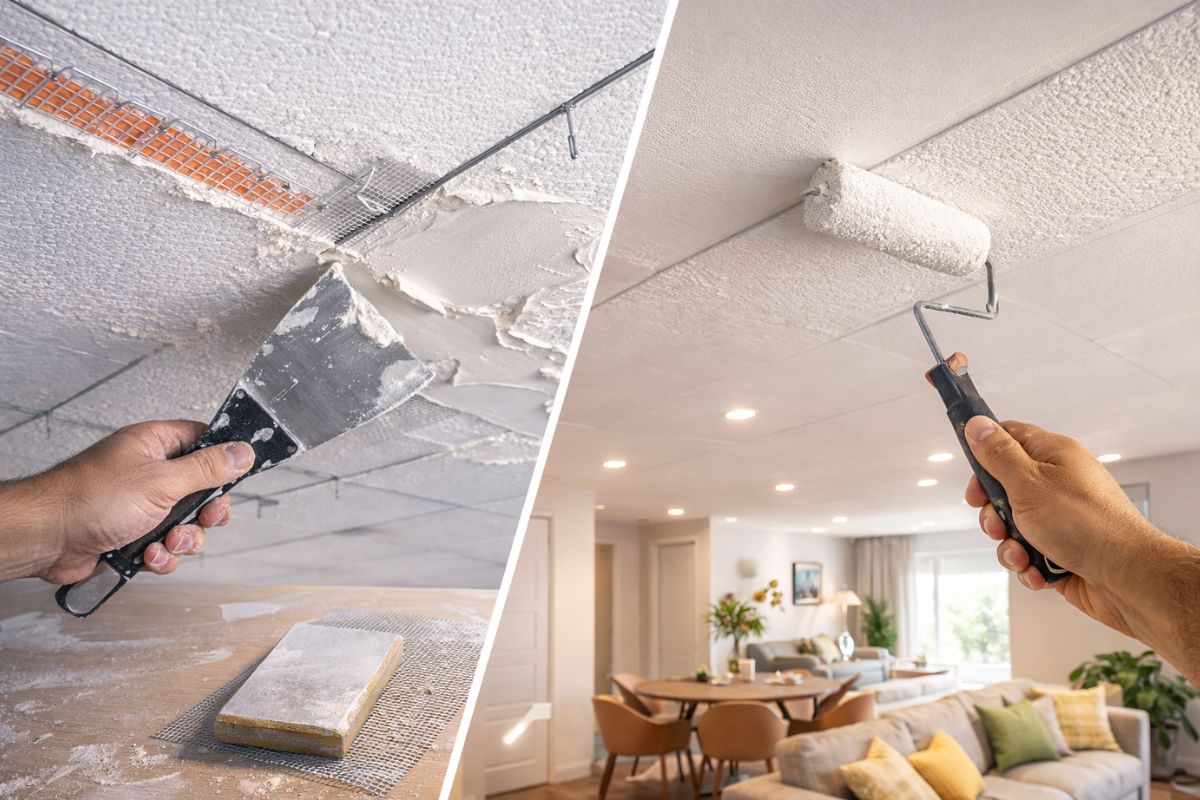
A trick with joint compound transforms a Styrofoam ceiling into a plaster-like ceiling: leveled panels, wires and mesh at the joints, sand, paint, and change the environment while spending little today.
-
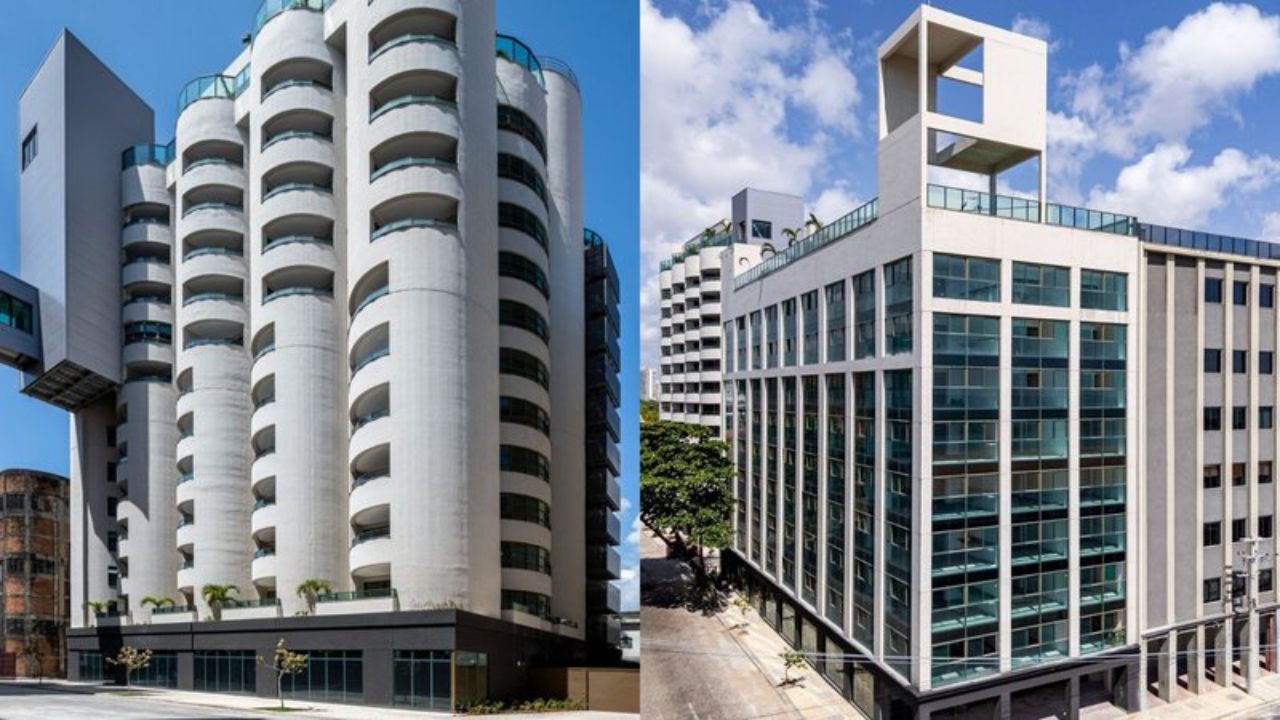
Abandoned for over a decade, century-old silos in the state of Recife have been transformed into 251 apartments with curved walls in one of the most complex retrofits ever done in Brazil.
-
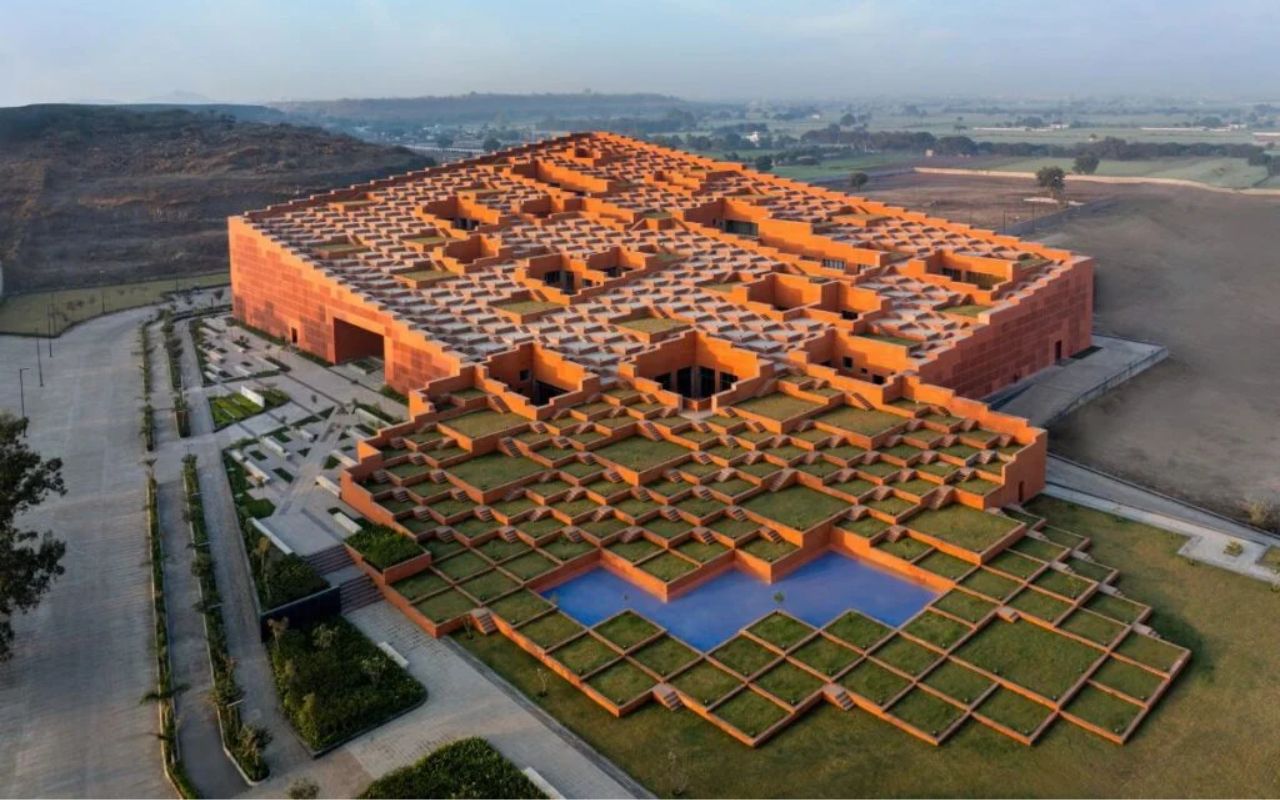
Inspired by millennia-old structures, a “differentiated” roof with 463 levels and a capacity for 9,000 people was built on top of a building in India; the tiered roof is almost a kind of giant garden of 9,000 m², reducing energy consumption and promoting interaction among students of Prestige University.
-
Architects are burying plastic pipes 2 meters deep and using ducts up to 30 meters long to cool homes without electricity, with low-consumption fans and natural heat exchange that drastically cuts the electricity bill.

For those living in São José dos Pinhais, the ghost viaduct has become a symbol of delay and lost opportunity.
The structure was built at a strategic point, in a growing region, but never fulfilled its function of better distributing vehicle flow and connecting important neighborhoods.
Over the years, while traffic on the Eastern Bypass increased and the city expanded, the ghost viaduct remained stuck there, without access, continuity, or any visible explanation for those who saw it every day.
From Ambitious Project In 1998 To Almost 30 Years Of Abandonment
The story of the ghost viaduct begins in 1998, at a time when regional infrastructure plans were ambitious.
The idea was simple and powerful: to create a viaduct to connect neighborhoods, facilitate traffic flow, and boost local commerce in São José dos Pinhais.
What was supposed to be a bridge for development ended up becoming a monument to the waste of public resources.
Due to contractual and legal issues, the works were halted. The concrete that was already standing remained as it was.
No connection was completed, no access was finished, and no vehicles passed through there. Over nearly three decades, the ghost viaduct led nowhere.
It served only as a geographical reference, a backdrop for those filming the region, and a classic example of an unfinished project.
Meanwhile, the city grew around it, and traffic on the Eastern Bypass exploded. The contrast between the increase in movement on the highway and the immobility of the ghost viaduct made the gap between what was planned in the late 1990s and what actually happened even clearer.
The Resumption Of Works And The Investment Of R$ 18 Million


After many years of waiting, the situation began to change with a decision from the state government. The Agency of Metropolitan Affairs of Paraná, AMEP, took on the mission of resuming the unfinished work, which was originally constructed by the former National Department of Roads.
The goal now is to take the ghost viaduct out of the limbo of halted works and put it into operation as an active part of the road network.
Before completing any connections, AMEP commissioned a complete structural evaluation study. The company responsible must conduct all necessary surveys to ensure the integrity of the building, including any repairs and structural reinforcements. Only after this technical phase will the execution of the final work be contracted.
The estimated budget for the entire investment is around R$ 18 million. This amount includes both the direct interventions on the ghost viaduct and the necessary adjustments to ensure that the structure meets the current traffic, safety, and usage conditions.
This is an effort to recover a work that is about to complete three decades without ever having been used.
Partnership With The City Hall And Impact On The Traffic Of The Eastern Bypass
The resumption of the ghost viaduct is not an isolated action of the state government. The work is being conducted in partnership with the City Hall of São José dos Pinhais, which will be responsible for the accesses to the existing roads.
It is precisely in these accesses that the heart of transforming a stalled viaduct into a living connection between different regions of the city lies.
At this first moment, no intervention will be necessary in the vehicle traffic of the Eastern Bypass, which reduces the immediate impact for those who use the highway daily.
The idea is to prepare the entire structural and connection part without initially causing major blockages or detours for drivers and truckers crossing the region.
According to the CEO of AMEP, even after numerous searches in different agencies, no complete documents regarding the work that would facilitate the conclusion were found. This shows how the ghost viaduct also carries a history of registration and planning failures.
On the city hall’s side, the Secretary of Urbanism and Transport highlights that this incomplete structure has always conveyed a bad image for the city and fed an old expectation for a solution to local relocation.
Connecting Neighborhoods And Reducing The Dependence On The Bypass
When operational, the ghost viaduct should fulfill the role that has always been expected of it: connecting two important areas of São José dos Pinhais.
The accesses will connect the Rozeira neighborhood and the Renault complex to the Afonso Pena neighborhood and Rui Barbosa Avenue.
Without this connection, residents of these regions are forced to use the Eastern Bypass daily, competing for space with the heavy traffic of the highway.
With the ghost viaduct completed and integrated into the urban fabric, the expectation is to reduce dependence on the Eastern Bypass for local relocations.
This could mean shorter routes, less time in traffic, and more safety for drivers who today need to enter a high-traffic highway to cover relatively small distances within the municipality.
Furthermore, the new connection is likely to benefit commerce and services in the areas linked by the viaduct, creating a more fluid axis between residential neighborhoods and industrial zones.
A project that for years was seen as a white elephant has a chance to become a real support point for mobility and the local economy.
From White Elephant To A Vital Connection For São José Dos Pinhais
For a long time, the ghost viaduct of São José dos Pinhais was treated as an urban legend: everyone saw it, everyone commented on it, but no one knew when or if it would ever be finished.
The very image of that unfinished structure helped build a feeling of frustration with the public authorities. Works that do not go beyond the planning stage become symbols of distrust, and the ghost viaduct became exactly that for many people.
Now, with the official resumption, contracted structural studies, and a defined budget, the ghost viaduct approaches a new chapter.
The structure that for decades led nowhere may finally fulfill the function of an urban connection, improve flow, enhance the sense of safety, and provide a concrete destination for the investment that remained stagnant atop the Eastern Bypass.
In a short time, if everything goes as planned, the ghost viaduct should cease to be just a landmark of unfinished work to become what it always should have been: a vital connection within the road network of São José dos Pinhais.
The big question is whether this transformation will be able to practically erase the image of a white elephant that marked the memory of those who saw the structure abandoned for so long.
And for you, after almost 30 years looking at the ghost viaduct standing on the Eastern Bypass, is this resumption worth the R$ 18 million invested, or should the city prioritize other works before this connection?






-

-

-

6 pessoas reagiram a isso.