Portuguese
  Spanish


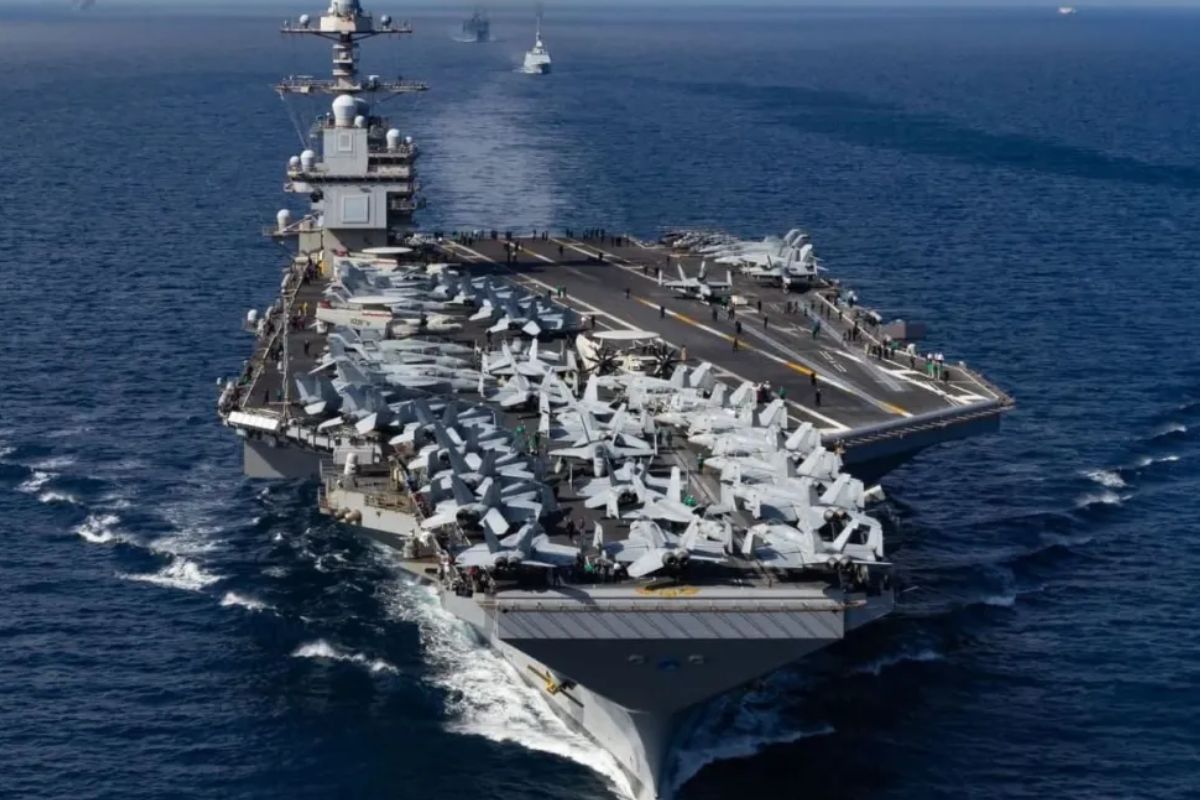

USS Gerald R. Ford underwent repairs after fire broke out on March 12, left Split in Croatia, and is ready to support operations in any area
The USS Gerald R. Ford has returned to sea and is ready to undertake new missions after undergoing repairs due to a fire in its laundry facilities. The ship, considered the largest aircraft carrier in the world, was operating in the Red Sea when the fire broke out on March 12 during Operation Epic Fury against Iran.
According to U.S. Navy officials, the USS Gerald R. Ford was able to resume missions just two days after the incident, but then had to halt operations for more than a week for repairs to damaged berthing compartments. After completing work in Crete, the aircraft carrier made a five-day stop in Split, Croatia, before resuming navigation.
What happened aboard the USS Gerald R. Ford in the Red Sea
The fire on the USS Gerald R. Ford started on March 12 while the ship was in the Red Sea conducting missions for Operation Epic Fury. The focus of the problem was in the laundry area, and the crew had to act quickly to contain the fire and prevent further damage.
-
Brazilian Navy Demonstrates Strength in Naval Exercise with Over 20 Nations, Deploys Frigate Independência in Anti-Submarine and Air Defense Scenarios, and Joins Historic Formation with 26 Ships from 14 Allied Navies off the U.S. Coast

-
BAE Systems to Supply New Bofors 40Mk4 Cannons to the Brazilian Navy
-
Ukraine Bets on Swedish Gripen E Jets to Counter Russia, But 16 Fighters Won’t Arrive Until Late 2020s; Kiev to Use C/D Models for Pilot Training and Operations Amid Ongoing Missile and Drone Threats
-
End of an Era: US Navy’s C-2A Greyhound Makes Final Catapult Launch Before Retiring to Arizona Desert; Aircraft Supported Carriers in Wars and Humanitarian Missions for Nearly 60 Years


At a defense forum in Washington, Chief of Naval Operations Admiral Daryl Caudle praised the crew’s response. The assessment was that the team fought the fire, extinguished the blaze, and was able to resume missions two days later, highlighting the group’s readiness in a real operational scenario.
Why the aircraft carrier had to stop even after resuming missions
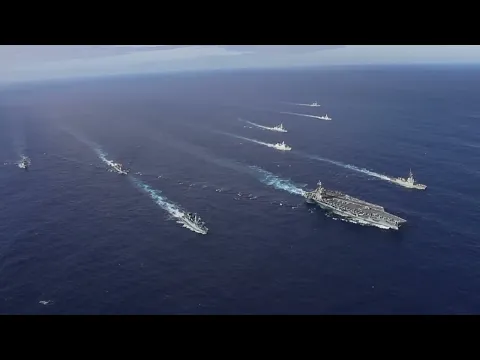

Despite the initial return to missions, the USS Gerald R. Ford had to halt operations more than a week after the fire. The reason was the need for repairs to berthing compartments that were damaged and required specialized repair.
The decision to send the ship for maintenance indicates that, even with the quick control of the fire, operating an aircraft carrier involves sensitive areas that need to be fully functional to ensure safety and continuity of missions.
Repairs in Crete and the resumption of the operational schedule
The repairs on the USS Gerald R. Ford were completed at an American base in Souda Bay, on the island of Crete, Greece. After that, the aircraft carrier proceeded to Split, Croatia, where the crew had five days of rest.
After leaving Split, the Navy announced that the USS Gerald R. Ford remains ready to carry out all its missions in support of national objectives in any operational area, signaling a full return to routine at sea.
Operation Epic Fury and the role of the USS Gerald R. Ford in the mission
The USS Gerald R. Ford was deployed in the Red Sea for Operation Epic Fury against Iran when the fire occurred. The return to sea after repairs reinforces that the mission remains a priority and that the ship continues to be integrated into the planned operational effort.
The institutional message is clear: the incident led to adjustments and maintenance, but did not alter the readiness status of the aircraft carrier to continue executing assigned tasks.
A deployment considered “record-breaking” and the impact of time out of base
According to Admiral Daryl Caudle, the deployment of the USS Gerald R. Ford began when the ship left its home port in Norfolk, Virginia, at the end of June last year, and is expected to extend for a record period of 11 months.
This data helps to contextualize the logistical and human pressure of a prolonged mission: the longer the deployment time, the greater the demand on maintenance, onboard routine, and response capability to incidents without losing operational continuity.
And you, do you think the crew’s quick return to missions after the fire shows real preparedness for war or exposes how much these operations work at the limit?