





 Portuguese
  English
  Spanish
  5 min of reading
  225 comments


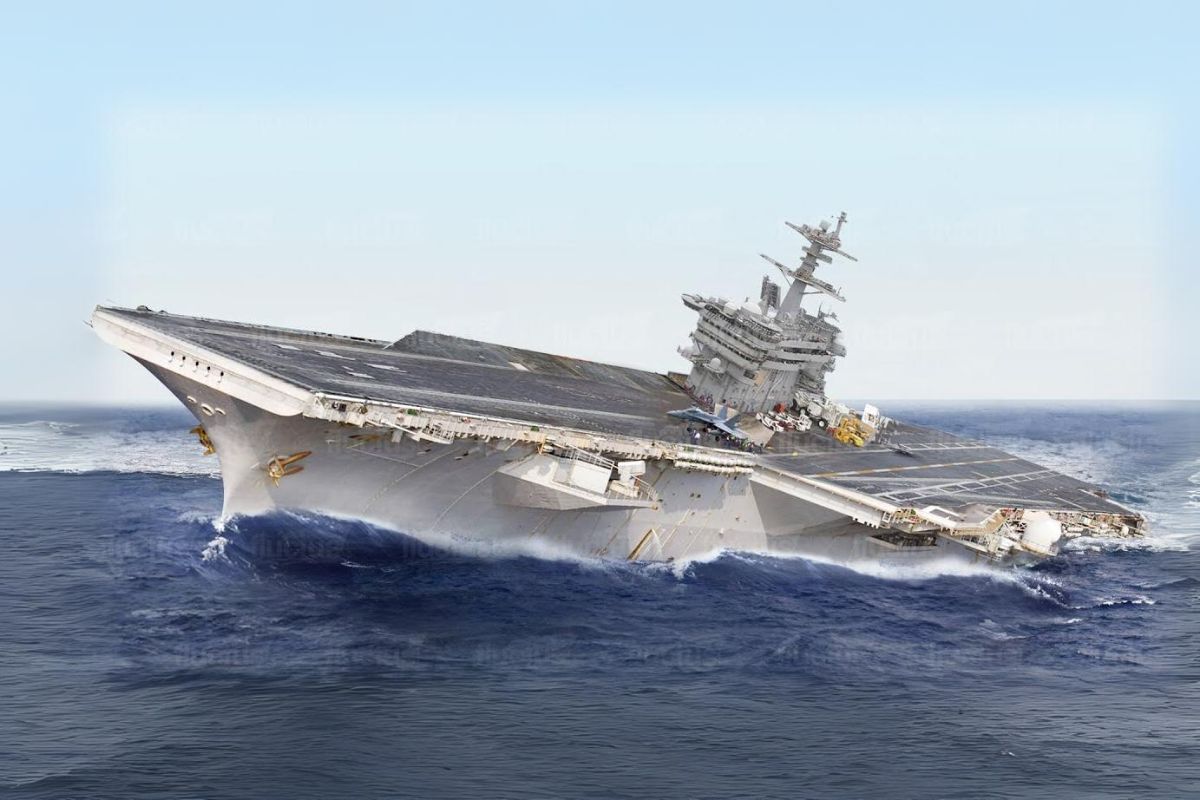


Brazilian Navy Spent R$ 37.2 Million to Sink Decommissioned Aircraft Carrier São Paulo, Which Had Been Sold for R$ 10 Million
For decades, the aircraft carrier São Paulo symbolized the naval power of the Brazilian Navy. But what was supposed to be a dismantling operation turned into a environmental and financial scandal, culminating in its sinking at a depth of 5,000 meters. How did a ship sold for R$ 10 million end up costing more than R$ 37 million to be destroyed?
The controversial decision by the Brazilian Navy raises questions about planning, resource waste, and environmental risks. Understand the behind-the-scenes of this controversial operation and the consequences for the future of the Brazilian fleet!
The Controversial Sinking Operation of the Aircraft Carrier
The decision to sink the São Paulo generated huge repercussions. The aircraft carrier, decommissioned for years, was sold for only R$ 10 million to a Turkish shipyard specializing in ship dismantling. However, a series of events led to the return of the vessel to Brazil and forced the Navy to once again take responsibility for the hull.
-
The German “steel monster” weighing 55 tons fires up to 10 projectiles per minute at over 40 km and avoids counterattacks on the battlefield by moving quickly to escape enemy attacks; meet the Panzerhaubitze 2000.

-
USS Gerald R. Ford, the largest aircraft carrier in the world, returns to sea after a fire in the laundry in the Red Sea; repaired in Crete, it resumes missions of Operation Epic Fury against Iran.
-
Military power: South Korea’s new KF-21 fighter jet will be a key component in replacing the aging aircraft of the air force, placing the country on the map of air military powers.
-
With 310 meters, 80 thousand tons, and capable of operating for 45 years, the new nuclear aircraft carrier France Libre will be the largest in France and will enter service in 2038.

With no viable destination and accumulating high costs, the Brazilian Navy opted for the controlled sinking of São Paulo in February 2023. The operation mobilized 298 military personnel and had a total cost of R$ 37.2 million, a figure much higher than the amount raised from the original sale.
The area chosen for the sinking was analyzed by the Navy Hydrographic Center, located in deep waters, outside the Brazilian exclusive economic zone, to minimize environmental impacts. However, the decision did not please environmentalists and specialists, who warned about the risks of asbestos, a highly toxic material present in the ship’s hull.
From Military Promise to Environmental Problem: The Story of São Paulo
The aircraft carrier São Paulo had a remarkable past. Built in France in the 1950s, it was named Foch and served the French Navy for decades. During its career, it participated in operations in the Middle East and Africa, as well as nuclear tests in the Pacific.
In 2000, Brazil acquired the vessel for US$ 12 million, betting on its modernization to strengthen its naval power. However, just five years later, a fire severely compromised its operations. Since then, successive recovery attempts have failed, and in 2017, the Navy decided to decommission it.
With the decision to withdraw it from service, the hull was sold to the Turkish shipyard Sök Denizcilik in 2021. The company, certified for ship recycling, planned to dismantle it for scrap. But when the ship departed from Rio de Janeiro heading to Turkey, a new problem arose: Turkish authorities barred the aircraft carrier’s entry into the Mediterranean due to the presence of asbestos in its structure.
Without authorization to disembark in Turkey, the São Paulo was forced to return to Brazil, starting a journey with no defined destination.
Six Months Adrift: The Impasse Over the Destination of São Paulo
The return of the aircraft carrier to Brazil created a significant legal and logistical dilemma. Since the hull had already been sold, responsibility passed to MSK Maritime, the company responsible for towing. However, faced with difficulties and high costs, the company abandoned ownership of the vessel, leaving the problem in the hands of the Brazilian Navy.
Without a port willing to receive it, the ship spent six months sailing aimlessly off the coast of Pernambuco. The situation raised environmental concerns and safety risks, prompting authorities to seek a definitive solution.
The increasing maintenance cost and environmental danger led the Navy to make the drastic decision to sink it. Despite protests from environmental organizations, the fate of the São Paulo was sealed.
Sinking of São Paulo: R$ 37.2 Million for the Public Treasury
The sinking of São Paulo was a complex operation, requiring extensive logistical planning and military security. The process involved over 290 military personnel and resulted in a final cost of R$ 37.2 million, a figure considered high for a ship that had already been sold for R$ 10 million.
Critics point out that the lack of planning resulted in significant waste of public resources. The fact that the hull had already been sold and yet returned to Brazil caused a loss that could have been avoided.
The greatest environmental concern involved asbestos, a carcinogenic material widely used in old ships. Although the Navy assured that the area chosen for the sinking was safe, experts warn about the risks of long-term marine contamination.
Revolution in the Brazilian Navy: Government Wants to Manufacture a Nuclear Aircraft Carrier by 2040
The sinking of the São Paulo marked the end of an era for the Brazilian Navy. Without an aircraft carrier to operate its A-4 Skyhawk fighters, which date back to the Vietnam War, Brazil now relies on the helicopter carrier Atlântico, acquired from the British Royal Navy.
However, the plans for the future of the naval force are ambitious. Recently, the Brazilian government announced a project to develop a nuclear aircraft carrier by 2040. If realized, the new ship would represent a technological leap and place Brazil among the few countries in the world with this type of vessel.
With the decommissioning of São Paulo, the Brazilian Navy faces a new challenge: to modernize its fleet and regain its force projection capability in the Atlantic. The sinking of the aircraft carrier taught lessons about managing large vessels but also raised an alert about the importance of logistical and environmental planning in operations of this magnitude.
What do you think of the decision by the Brazilian Navy to sink the aircraft carrier São Paulo? Was it the best solution or a waste of resources? Share your opinion in the comments! ⬇️









Meu nome é Emerson Miura e sou presidente do Instituto São Paulo Foch.
Trabalhei 5 anos para tentar converter o porta aviões São Paulo em museu, sem usar verba pública e tendo como parceiros a iniciativa privada.
Lamentavelmente a decisão de afundar o navio foi um tiro no pé do governo e uma mancha negra na história da Marinha.
Tínhamos já um plano de salvamento do navio e mesmo assim ignoraram a oportunidade.
Tudo no Brasil é mal feito, é caro, tem corrupção, tem quem ganhe muito às custas dos impostos de um povo **** .
Mas como a imprensa é muito bem paga, estas coisas ,se divulgadas , são em notas de rodapé
Como no Brasil o que se vê é CORRUPÇÃO e desperdício de dinheiro público, mais alguns milhões para afundar um porta aviões por falta de planejamento e de gestão, não tem problema, nós trabalhamos para pagar tudo isso!