





 Portuguese
  English
  Spanish
  4 min of reading
  2 comments


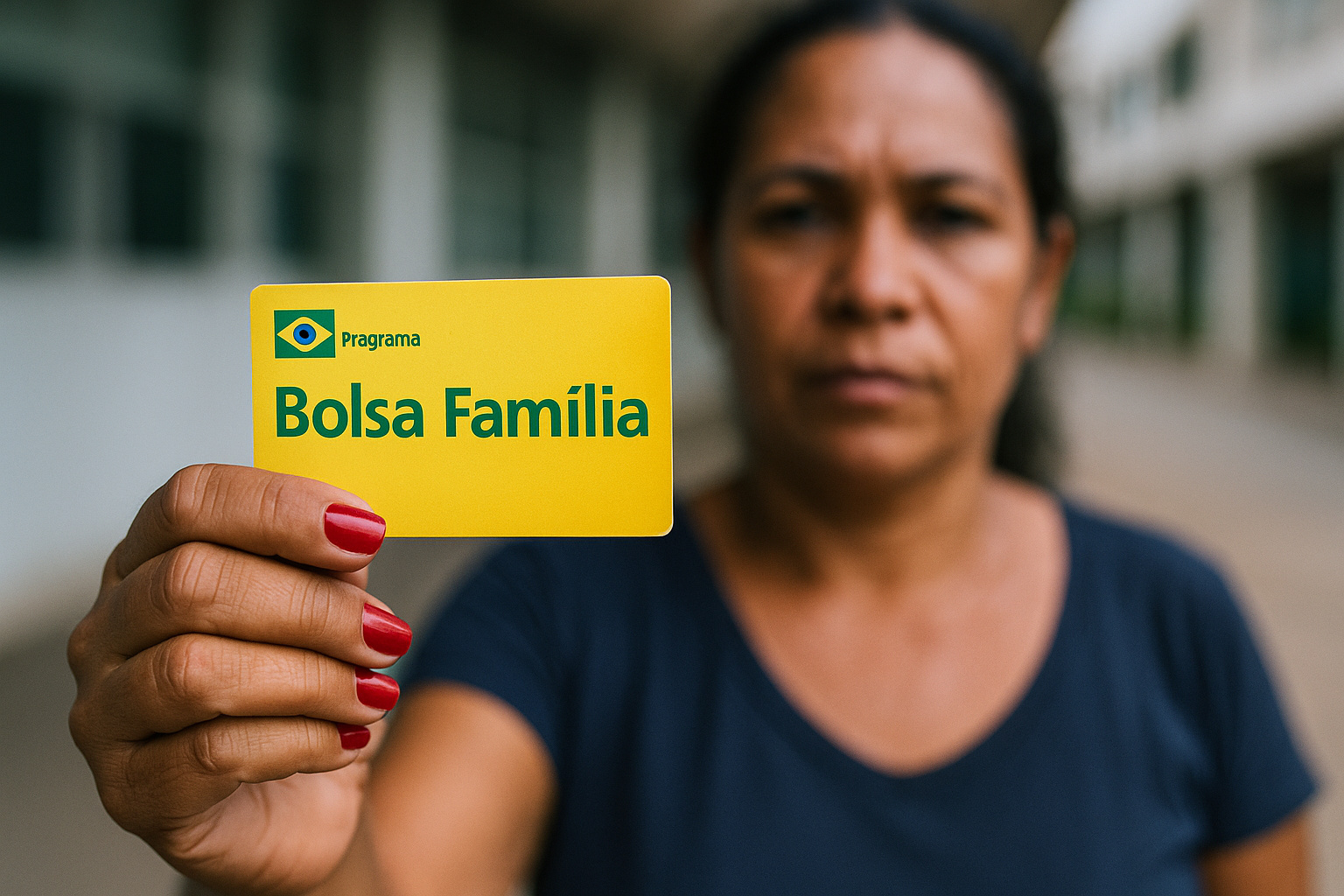


Expansion of Bolsa Família Since the Pandemic Increased the Number of Beneficiaries and Reduced the Search for Formal Employment, Especially Among Young Men in the North and Northeast
A study by the Brazilian Institute of Economics of Fundação Getulio Vargas (FGV Ibre), released recently, revealed that for every two families receiving Bolsa Família, one leaves the labor force, indicating that the expansion of the program has started to deter the search for formal employment in Brazil.
Since the Covid-19 pandemic, Bolsa Família has undergone a significant transformation: the average benefit amount has more than tripled, and the number of families served has grown considerably. In 2019, the aid was about R$ 190 per family. By 2025, this amount reached R$ 670 — an increase of 253%.
-
A new law being voted on in Brazil proposes a minimum fare of R$ 10 per trip and R$ 2.50 per kilometer for Uber and 99 drivers, and promises to ensure they earn as well as taxi drivers did during the golden age of taxis in the country.

-
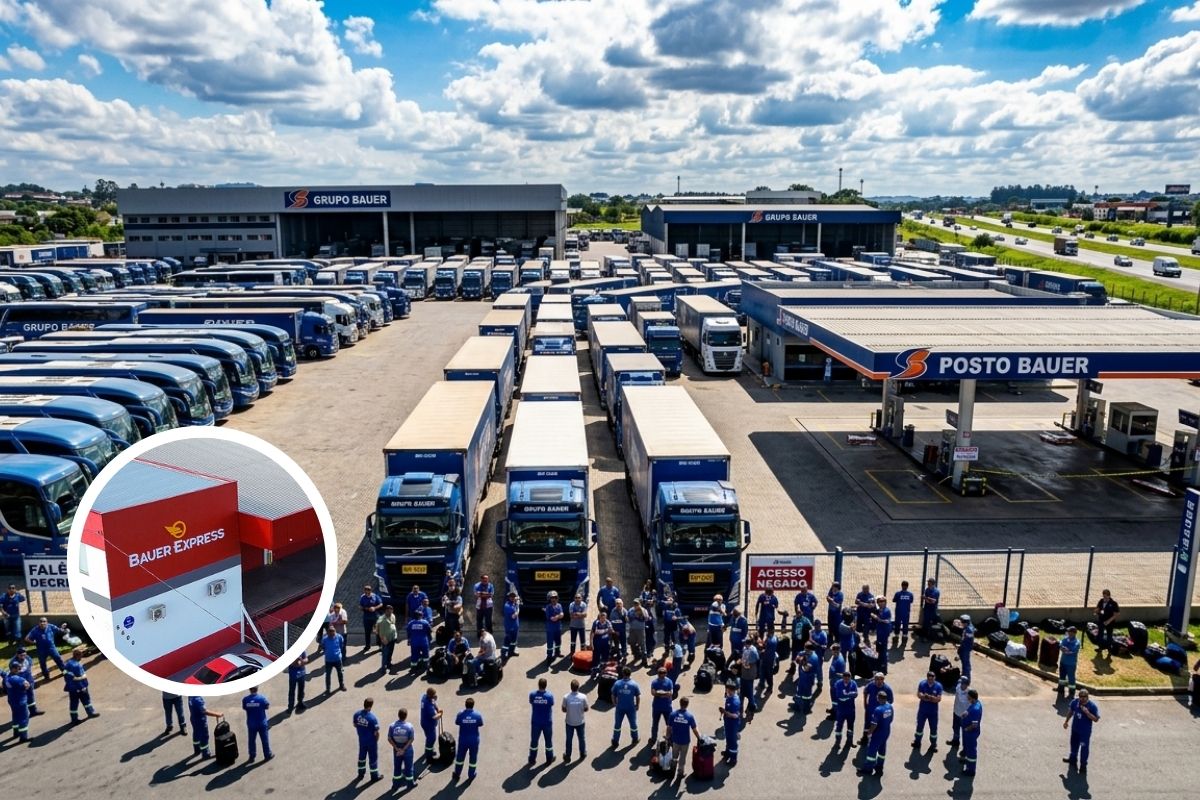
Bauer Group collapses after failed judicial recovery: 25 years, 800 vehicles, and a network of gas stations leave a debt of R$ 50 million and 100 layoffs, exposing costs, tight margins, and expensive credit in Brazil.
-
Premium Brazilian brand born during the pandemic brings fine cocoa from Bahia to Switzerland, Germany, and France, has won 9 awards, and claims to have the 2nd best milk chocolate in the world: meet Luz Cacau.

-
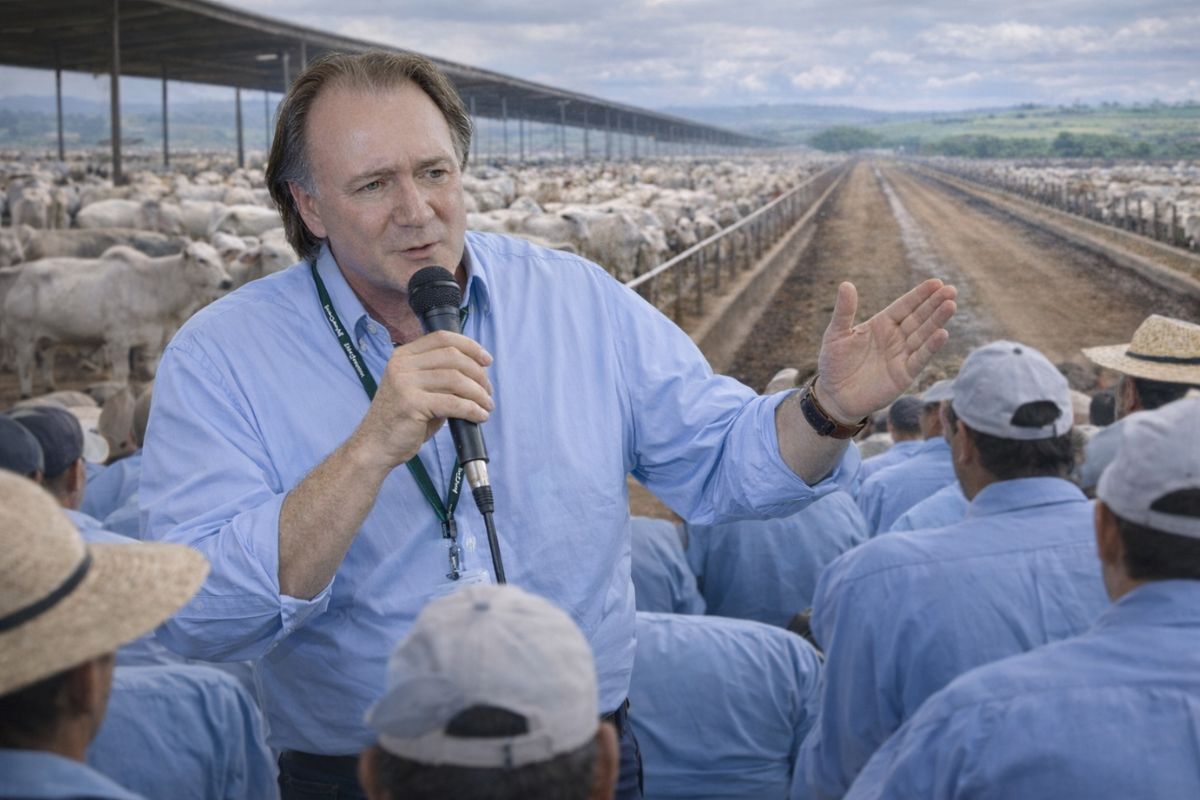
Júnior Friboi has just purchased one of the largest feedlots in all of Brazil, located in Goiás, with the capacity to produce 180,000 cattle per year, and the manager has already come forward to reassure employees about layoffs.
The number of families served also rose from 14 million in 2017 to 21 million in 2025. As a result, the program’s budget jumped from R$ 35 billion to R$ 170 billion annually, consolidating Bolsa Família as the main income transfer policy in the country.
However, this growth has brought side effects. The main one is the reduction in the labor supply, especially among young men, who have started to view the benefit as an alternative to formally registered work.
Labor Force Participation Is Still Lower Than Before the Pandemic
According to IBGE, the unemployment rate in June 2025 was 5.8%, the lowest in the historical series. However, the labor force participation rate — which measures the share of the population aged 14 and older who are working or seeking employment — is still below pre-pandemic levels.
In December 2019, this rate was 63.4%. By June 2025, it had fallen to 62.4%. The largest drop was recorded in the North and Northeast regions. In the Northeast, for example, the participation rate fell from 56% in 2019 to 54.1% in 2025.
In the South, there was a slight improvement: the rate rose from 66.8% to 66.9%. Despite this, the study indicates that the reduction in the labor force is national and worrisome, as it reflects structural changes in the behavior of beneficiaries.
Study Indicates Direct Impact on Formalization
Economist Daniel Duque from FGV Ibre stated that the average value of Bolsa Família today corresponds to 35% of the median income from work in Brazil — before the pandemic, this proportion was 15%.
According to the research, families that became eligible for the program in 2023 reduced their labor force participation rate by 11%, compared to similar non-eligible families.
Additionally, the probability of an employed person receiving Bolsa Família having formal employment fell by 13%. The chance of being employed, in general, decreased by 12%. These data clearly demonstrate a disincentive to enter the formal labor market.
Young People in the North and Northeast Are the Most Affected
The study shows that the negative effects are concentrated among young males aged 14 to 30, mainly in the North and Northeast regions. In these groups, there was a sharp contraction in the search for employment and occupation.
The disincentive to formal employment occurs, according to researchers, for economic reasons. For many beneficiaries, the guaranteed amount of Bolsa Família exceeds what they could earn with low-paying formal work.
Even with the so-called “protection rule” — which allows individuals to keep 50% of the benefit for two years after obtaining formal employment — many prefer to remain informal or outside the labor market.
Long-Term Risks May Compromise Human Capital
Economists from FGV warn of the risk of compromising human capital in the long term, especially among young people who stop accumulating professional experience.
Fernando de Holanda Barbosa Filho, also from FGV Ibre, stated that the program “has changed a lot since its inception” and that the concerns about its effects on the labor market, previously considered resolved, have returned to the center of national debate.
However, the study points to a possible solution in the field of education: young people with higher education who receive the benefit are more likely to enroll in educational institutions.
Education May Be Key to Reversing Negative Effects
Researcher Flávio Ataliba from the Center for Studies for the Development of the Northeast argues that the departure of young people from the labor market is not necessarily negative if they are investing in professional qualification.
Combined with technical education programs, encouragement of entrepreneurship, and support for the formalization of small businesses, Bolsa Família could be restructured as a springboard for financial autonomy, rather than an anchor of dependency.
This redirection would require planning and integration with other public policies, such as health, education, and the labor market.
Proposal to Redesign Bolsa Família Is Under Debate
As an alternative, Daniel Duque proposes reducing the base amount of the benefit, currently set at R$ 600, to discourage idleness among young people without educational ties.
The saved resources would be applied to more vulnerable groups, such as mothers with young children and young individuals who dropped out of school due to lack of income. The model could be coupled with programs like Pé-de-Meia, which aims to encourage school retention.
The reformulation would aim to stimulate productivity and social mobility in the long term, maintaining the character of social protection without disincentivizing formalization.
The information was disclosed in a report by Gazeta do Povo, based on a study conducted by economist Daniel Duque and other experts from the Brazilian Institute of Economics of Fundação Getulio Vargas (FGV Ibre), published this Tuesday (19).
Do you believe that Bolsa Família, as it is currently structured, promotes autonomy or generates dependence among its beneficiaries?









vamos melhorar o salário uai, porque muita gente está no mercado informal. Ganhar 1500 não é melhor que ganhar 4000 e mais bolsa família. Quem convive com o povo e verdade sabe que o problema nunca foi o bolsa família e sim às péssimas condições de trabalho.
Investimento pessoal ?o povo tá investindo em fazer filho pra aumentar a renda do bolsa família ,enquanto quem trabalha CLT nada ganha ainda contribui com qum não quer nada que vergonha e o Brasil