





 Portuguese
  English
  Spanish
  3 min of reading
  0 comments


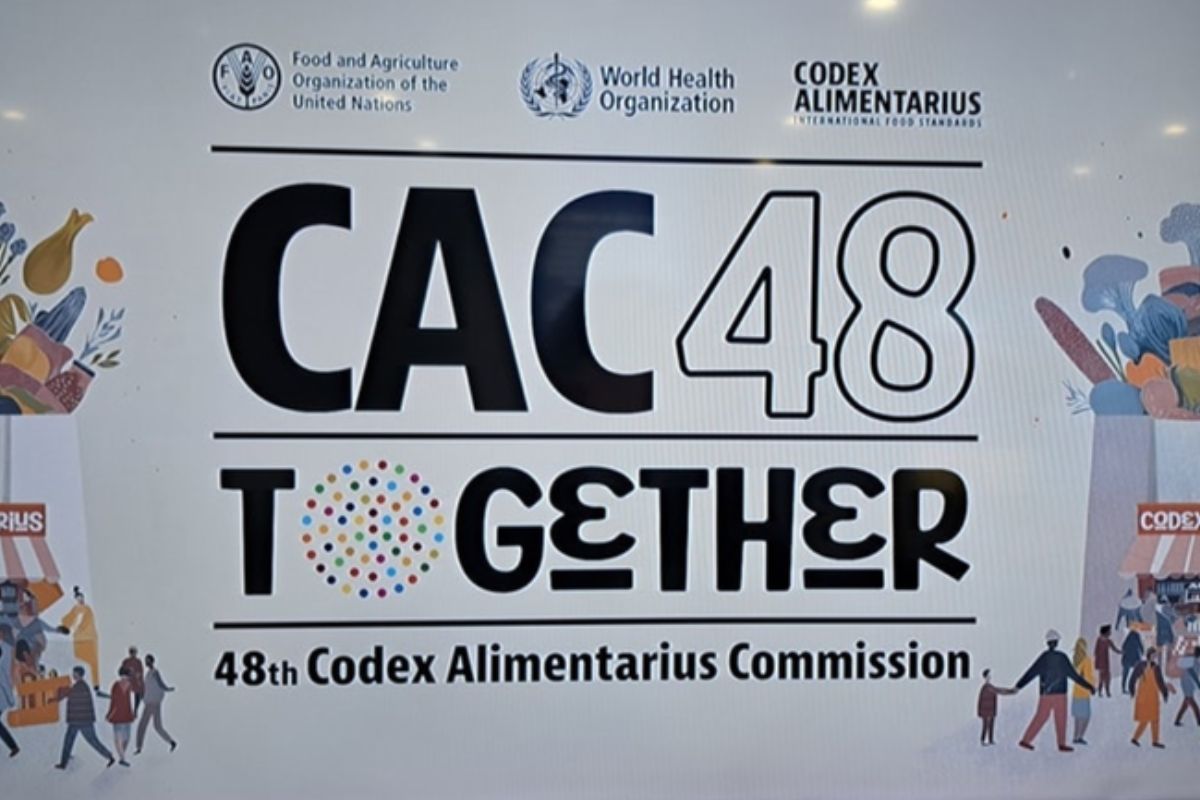
Brazil Reinforces Technical Action in Codex Alimentarius, Strengthening Agricultural Exports and Expanding Global Predictability by Supporting Scientific Decisions and New Rules for International Food Trade
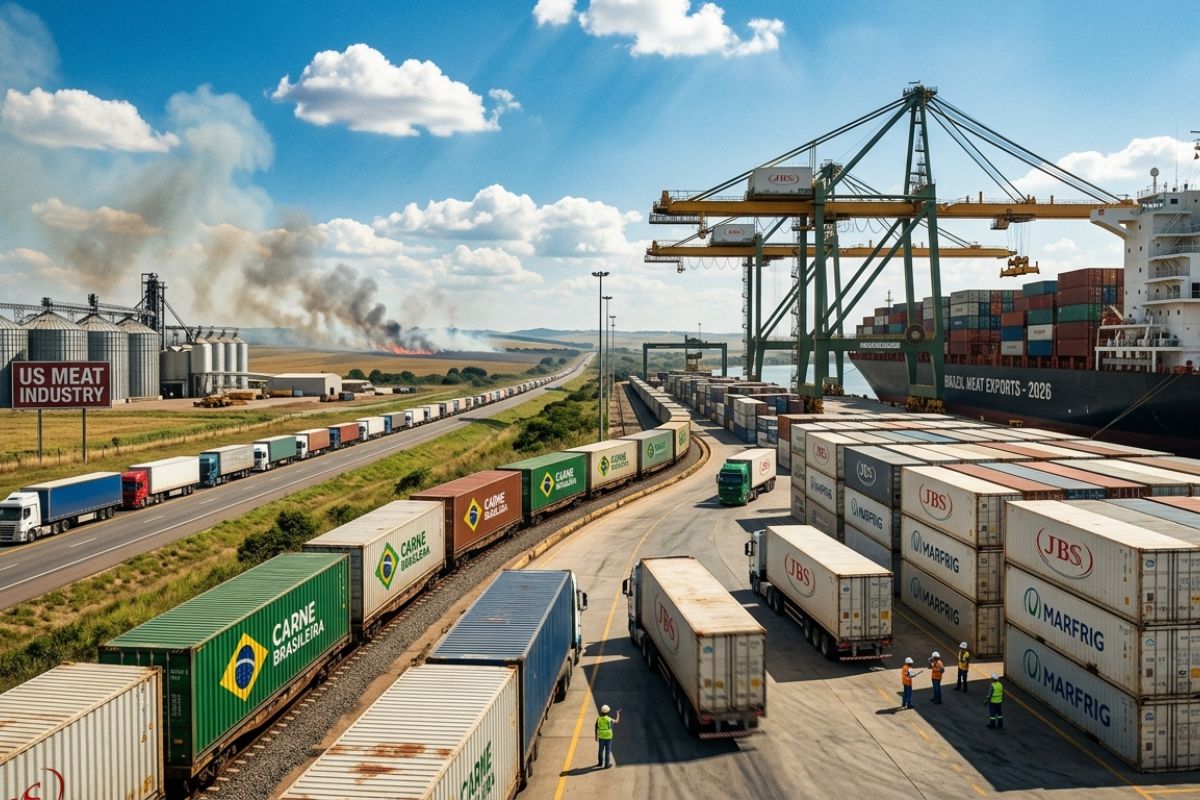
The relevance of agricultural exports gained new prominence after Brazil’s participation from November 10 to 14 in the 48th Session of the Codex Alimentarius Commission, held in Rome, according to a report published.
The meeting brought together representatives from various countries to define standards that directly impact food safety and the global trade flow.
The Brazilian delegation, made up of officials from the Ministry of Agriculture and Livestock’s Secretariat of Commerce and International Relations, was led by Guilherme Antonio da Costa Júnior, former president of Codex, accompanied by Cesar Augusto Vandesteen Júnior and agricultural attaché Fernanda Vanessa Mascarenhas Magalhães.
-
The rise in oil prices in the Middle East is already affecting Brazilian sugar: mills in the Central-South are seeing their margins shrink just as ethanol gains strength.
-
Rain gains strength in April, potentially exceeding 150 mm, placing the North, Northeast, and the coasts of the South and Southeast at the center of the heaviest forecast of the week.

-
A fish that survives out of water, crawls on land until it finds another river, and whose female lays 80,000 eggs at once is infesting rivers and lakes in Brazil, and no one can stop this invasion.
-
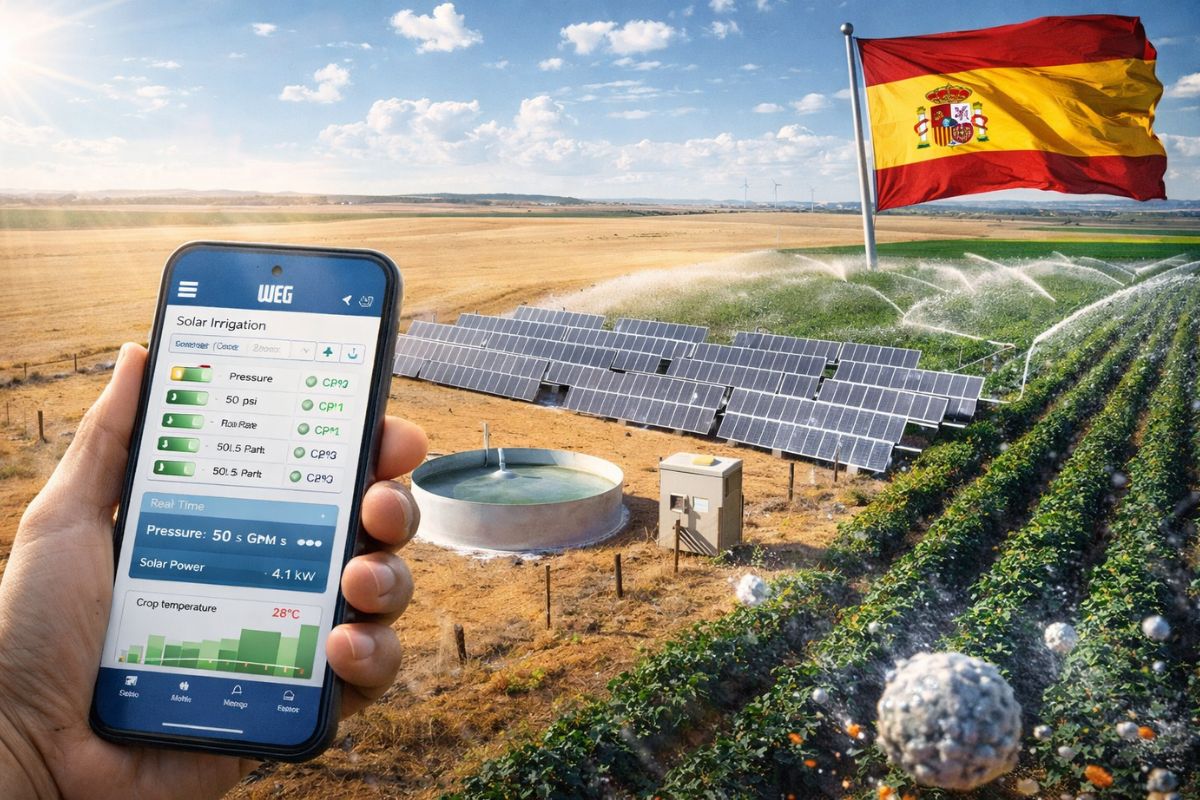
WEG took its technology to Spain to create a solar irrigation system that operates independently without needing an electrical grid, and now farmers control everything remotely via their mobile phones.

The discussions were marked by decisions that strengthen regulatory predictability and enhance the competitiveness of Brazilian products in international markets, especially in sectors sensitive to sanitary standards.
International Food Standards and New Global Guidelines
The discussions at CAC48 resulted in technical texts of direct interest to exporting countries. Among the key advances, guidelines for monitoring the stability and purity of pesticide reference materials were approved, developed by the Codex Committee on Pesticide Residues (CCPR).
This material guides practices adopted globally and creates a more transparent environment for regulators and companies.
Maximum levels of lead contamination in spices, peels, and culinary herbs were also established, aligning different legislations with the best international practices.
The meeting also approved the international standard for fresh dates, enhancing legal security for exporters seeking growing markets.
This set of decisions reinforces the connection between regulatory predictability and competitiveness in production chains, directly benefiting agricultural exports in the long term.
Global Food Security and Maximum Residue Limits in Codex Decisions
The second axis of discussions addressed adequate funding for the FAO/WHO joint scientific advisory program, responsible for essential analyses for defining Maximum Residue Limits (MRLs).
Brazil argued that this stage should be conducted more swiftly, as delays can limit the access of various products to foreign markets.
The technical relevance of this process reinforces its impact on agricultural exports, which depend on clear rules to ensure continuity and maintenance of strategic markets.
The reactivation of the Codex Committee on Milk and Milk Products (CCMMP) was also discussed, which will resume its activities by correspondence and may form electronic working groups.
Additionally, it was agreed that the Republic of Korea would act as the host country for the Codex Committee on Processed Fruits and Vegetables, expanding the collaborative reach of Codex.
Agricultural Regulatory Harmonization and International Food Trade
Other advances included the adoption of the monitoring framework for the Codex Strategic Plan 2026–2031, which aims to increase transparency and monitor the performance of actions aimed at developing countries.
This stage strengthens global alignment and favors science-based decisions. The Ministry of Agriculture and Livestock reaffirmed Brazil’s commitment to supporting international standards that expand trade opportunities, ensure consumer safety, and promote fair market practices.
Such measures are directly linked to the flow of agricultural exports, especially in chains that depend on international quality recognition.
The set of decisions deliberated in Rome responds to the demands of countries seeking technical predictability and secure access to expanding markets.
The convergence of science, trade, and regulatory standardization strengthens Brazil’s insertion in multilateral agendas.
By reinforcing its active participation in Codex, the country contributes to a more transparent global environment and the continuity of agricultural exports as a vector for economic development.






Seja o primeiro a reagir!