





 Portuguese
  English
  Spanish
  5 min of reading
  0 comments


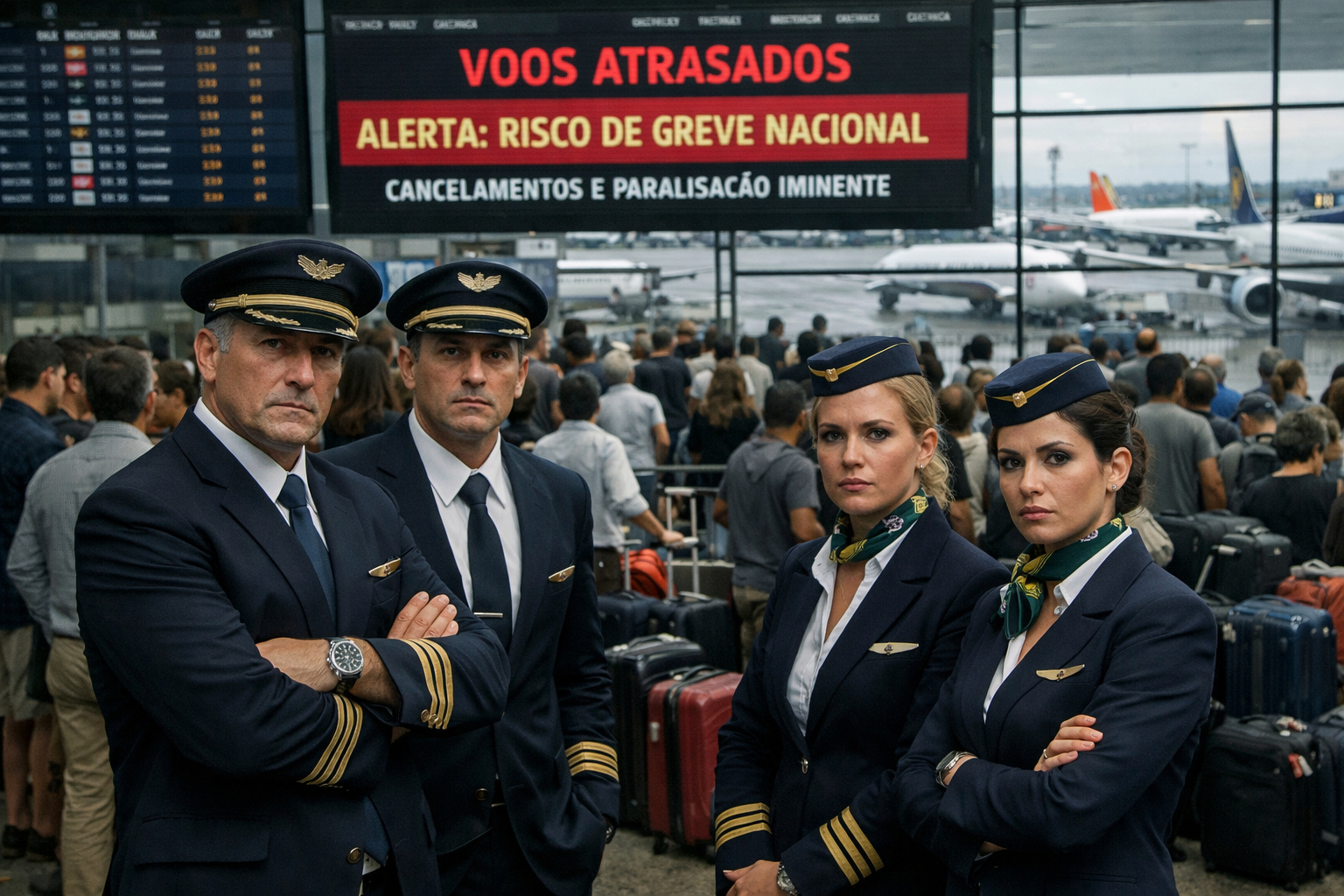
The Risk of a National Strike in Air Transportation Increases Precisely During the Busiest Time of the Year, With Direct Impact on Millions of Passengers and the Country’s Air Network
The Brazilian airline sector has entered a state of maximum alert on the eve of New Year’s Eve. Pilots and flight attendants have taken a decisive step towards a possible national strike by officially entering a state of strike, after rejecting two proposals to renew the Collective Labor Agreement, one of which was mediated by the Superior Labor Court (TST). The movement occurs amid the high travel season, the highest demand period of the year, significantly increasing the potential impact on passengers, airlines, and airports across the country.
The information was disclosed by the National Union of Aeronauts (SNA), which confirmed that the category will continue to operate as usual until the decisive assembly takes place. Nonetheless, the announcement has already raised the maximum alert in the airline sector, as any strike during this period tends to cause immediate repercussions on the national and international air network.
The assembly that could trigger the strike is scheduled for next Monday (29), at 9:30 AM, at the union’s headquarters in São Paulo. Until that date, according to the SNA, the crew members continue to work normally, and the final decision regarding the strike will be exclusively in the hands of the pilots and flight attendants.
-
Chaos On Airplane Could Be Expensive: Proposal Aims To Prevent Disruptive Passengers From Flying For Up To 1 Year In Brazil And Face Fines Of Up To R$17,500

-
Man Arrested After Halting Takeoff of Fire Department Helicopter During Child Rescue in Guaratuba

-
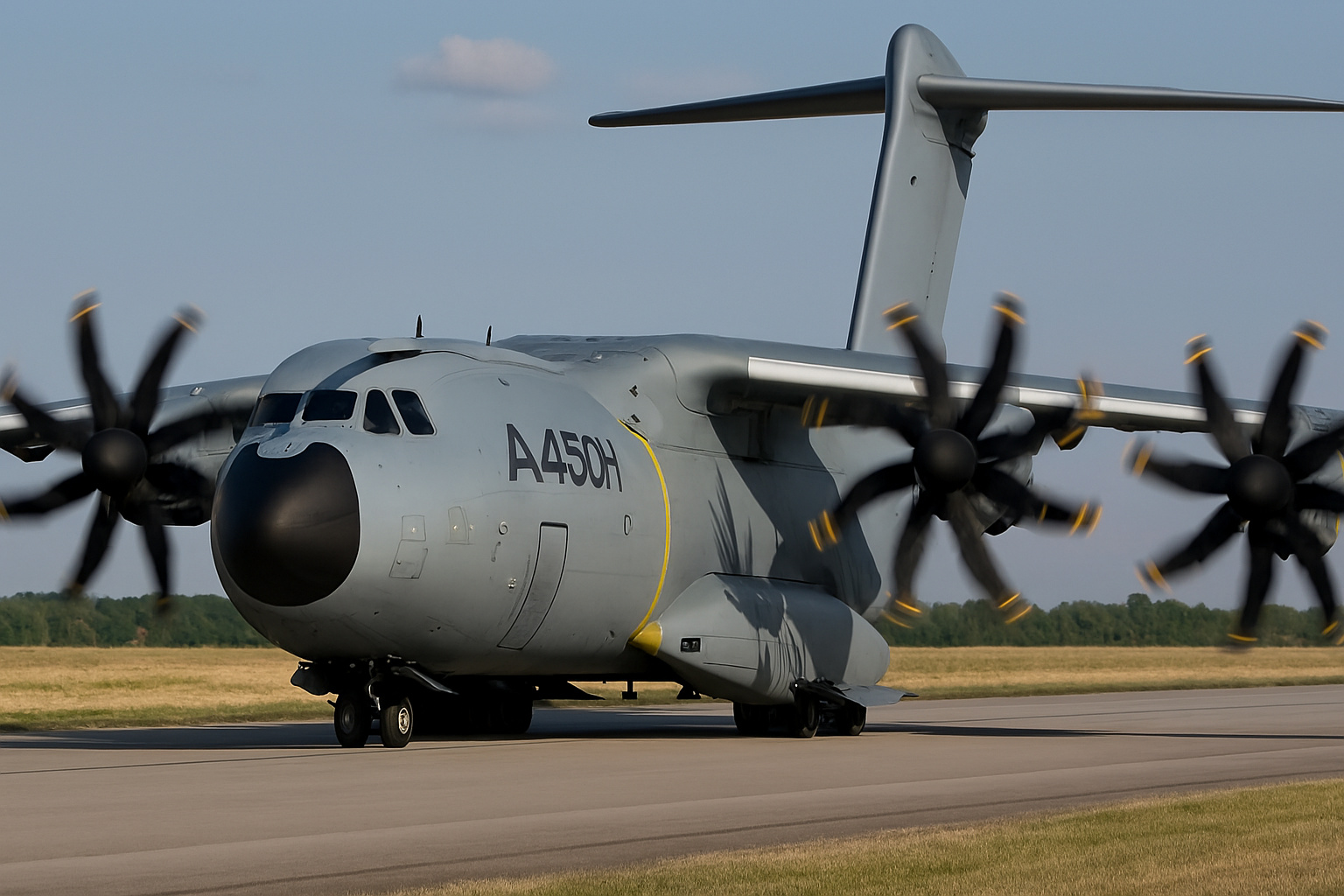
With 37 Tons of Cargo, Over 8,000 km Range, and Ability to Land on Unpaved Runways, the Airbus A400M Demonstrates How Europe Created a Military Giant That Transports Armored Vehicles, Aerially Refuels Fighters, and Operates in Conflict Zones and Humanitarian Missions Worldwide
-
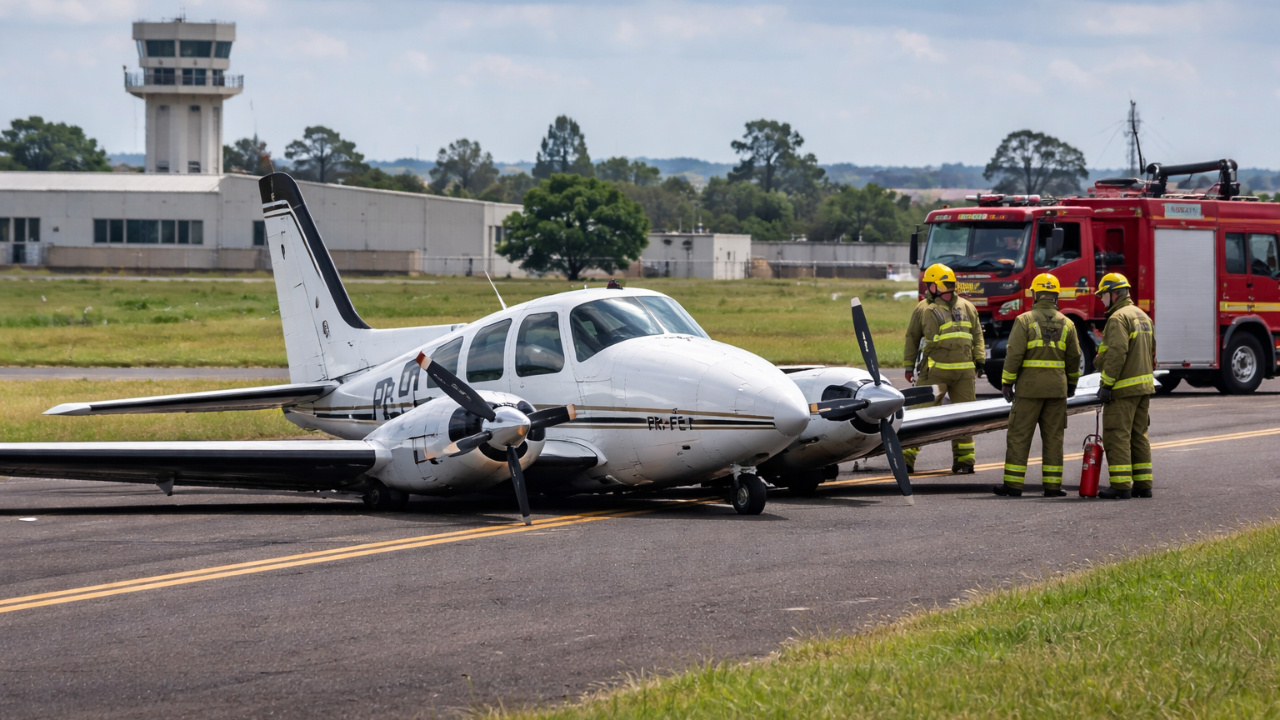
Emergency Landing in Campos Amarais After Bird Strike on Small Plane

Rejection of Proposals, Salaries, and Alert About Operational Fatigue
The entry into the state of strike occurred after the rejection of two proposals to renew the Collective Labor Agreement. The first was presented by the National Union of Airlines (Snea) and rejected by the category on December 15. The second, mediated by the TST, also did not receive approval from the aeronauts.
According to the SNA, none of the proposals met the main demands of the category. Among the most sensitive issues are the absence of real salary increases and the lack of progress on priority issues, such as effective measures to combat fatigue.
The union emphasizes that the discussion goes beyond remuneration. Fatigue, according to the entity, is a factor directly linked to the health of the crew members and to operational safety, affecting the response capability of professionals in critical situations during flight operations.
In a statement, the SNA states that the strike is considered the last resort, given the employers’ resistance to recognizing the importance of the category. The entity reinforces that it is the aeronauts who ensure not only the operation of flights but also the welfare and safety of passengers.
High Season, Airline Profits, and Possible Impact on Millions of Passengers
If the assembly approves the strike, the airline sector may face one of the most critical moments in recent years. The strike would occur during the high season, a period marked by year-end trips, school holidays, and high passenger flow at Brazil’s main airports.
According to the union, the scenario becomes even more delicate because, while companies resist granting real increases to the crew members, airlines have reported significant economic results in 2025. According to the SNA, the sector has accumulated record profits, including Azul, which even in bankruptcy protection, reported positive results above expectations.
The union acknowledges that a potential strike could generate significant disruptions for the population, but emphasizes that the strike is a legitimate right in light of the impasse in negotiations. If approved, the effects could be immediate, with cancellations, delays, and flight adjustments, affecting millions of passengers in Brazil and abroad.
Full Statement from the National Union of Aeronauts (SNA)
“The SNA (National Union of Aeronauts) informs that, after two proposals to renew the Collective Labor Agreement, one of which was mediated by the TST (Superior Labor Court), were rejected by the category, pilots and flight attendants have entered a state of strike.
At the moment, crew members continue to work normally until the strike triggering assembly, which will be held next Monday (29) at 9:30 AM at the union’s headquarters in São Paulo.
Just like the first proposal presented by Snea (National Union of Airlines) and rejected by the category on December 15, the new text mediated by the TST did not include real salary increases for the aeronauts and did not bring advances in priority areas, such as the fight against fatigue, an issue directly linked to the health of crew members and operational safety.
It is important to note that, at the same time they deny real increases for crew members, companies continue to obtain significant economic indices. In 2025, airlines reported record profits, including Azul, which even in bankruptcy protection has presented positive results above expectations.
In light of this, the union has already called pilots and flight attendants for the assembly so that aeronauts can decide whether or not to strike.
The SNA reiterates that it understands the disruptions a strike may cause, but stresses that the strike constitutes a last and legitimate resort in light of the employers’ resistance to acknowledge the importance and valuation of the aeronauts, professionals who ensure operational safety and the welfare of passengers.”
With information from: Pedro Menezes/Panrotas
According to analysts in the airline sector and labor relations specialists, in light of the rejection of proposals mediated by the Superior Labor Court, the absence of real salary increases, the recurring alerts about operational fatigue, and the significant profits reported by airlines in 2025, how should a potential strike by pilots and flight attendants during the high season be evaluated? How can the constitutional right to strike, the safety of flight operations, and the public interest of millions of passengers who rely on air transport during this critical period of the calendar be reconciled, according to these specialists?








Seja o primeiro a reagir!