





 Portuguese
  English
  Spanish
  5 min of reading
  0 comments


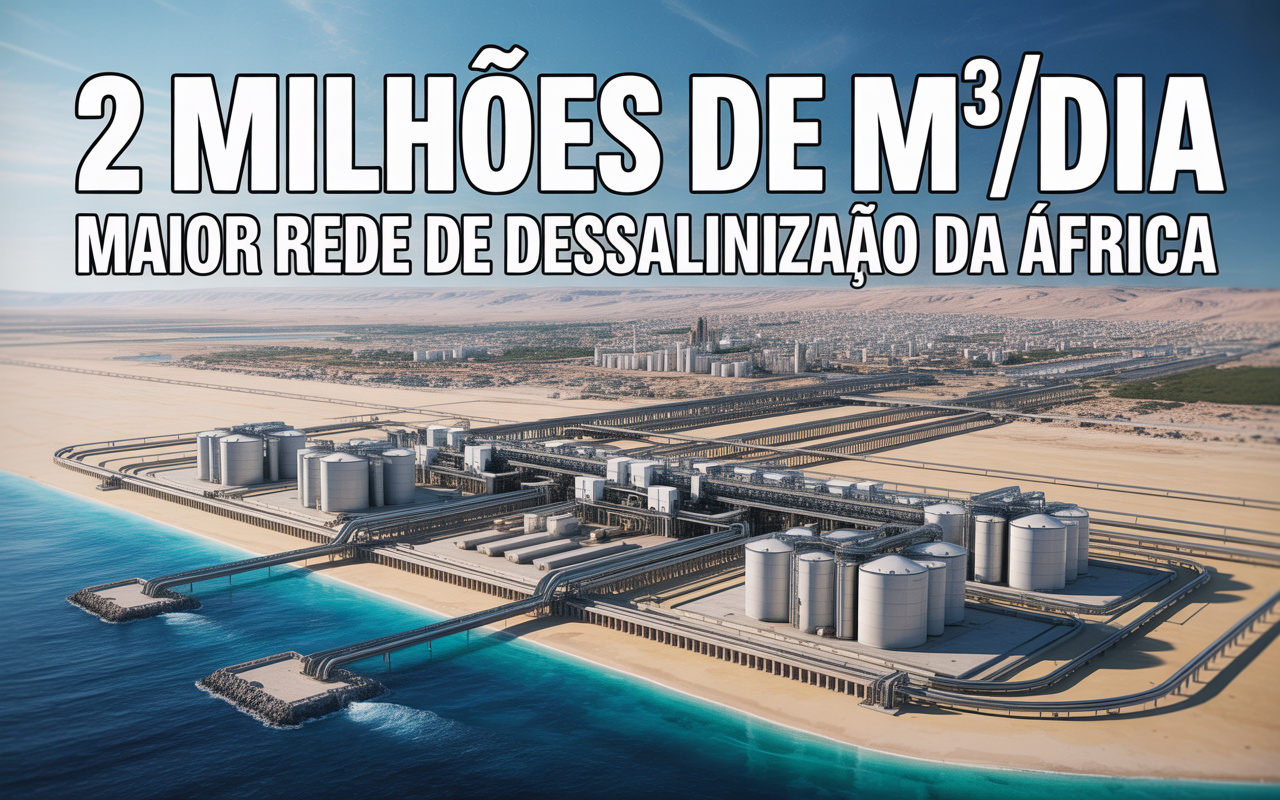
Algeria Expands Plants to More Than 2 Million m³/Day, Leads Desalination in Africa and Turns Seawater into a Pillar of Urban and Industrial Supply.
More than 80% of Algeria’s territory is within or on the edge of the Sahara. Irregular rainfall, seasonal rivers, and stressed aquifers have always been a physical limit to the country’s growth. Even so, large metropolises like Algiers, Oran, Annaba, Skikda, and Tipasa have concentrated population, industry, and heavy infrastructure along the Mediterranean – exactly where the natural supply of freshwater is most fragile.
For decades, the Algerian equation has been the same as for many semi-arid countries: drill deeper wells, dam rivers, and pray for years of reasonable rainfall. But the climate has changed. Starting in the 2000s, and even more notably after 2010, Algeria has been recording decreases in precipitation and insufficient reservoir filling, while the demand for urban and industrial water has continued to rise.
The government’s response was clear: transform the Mediterranean into a “permanent source” and make desalination as strategic an infrastructure as gas and oil.
-
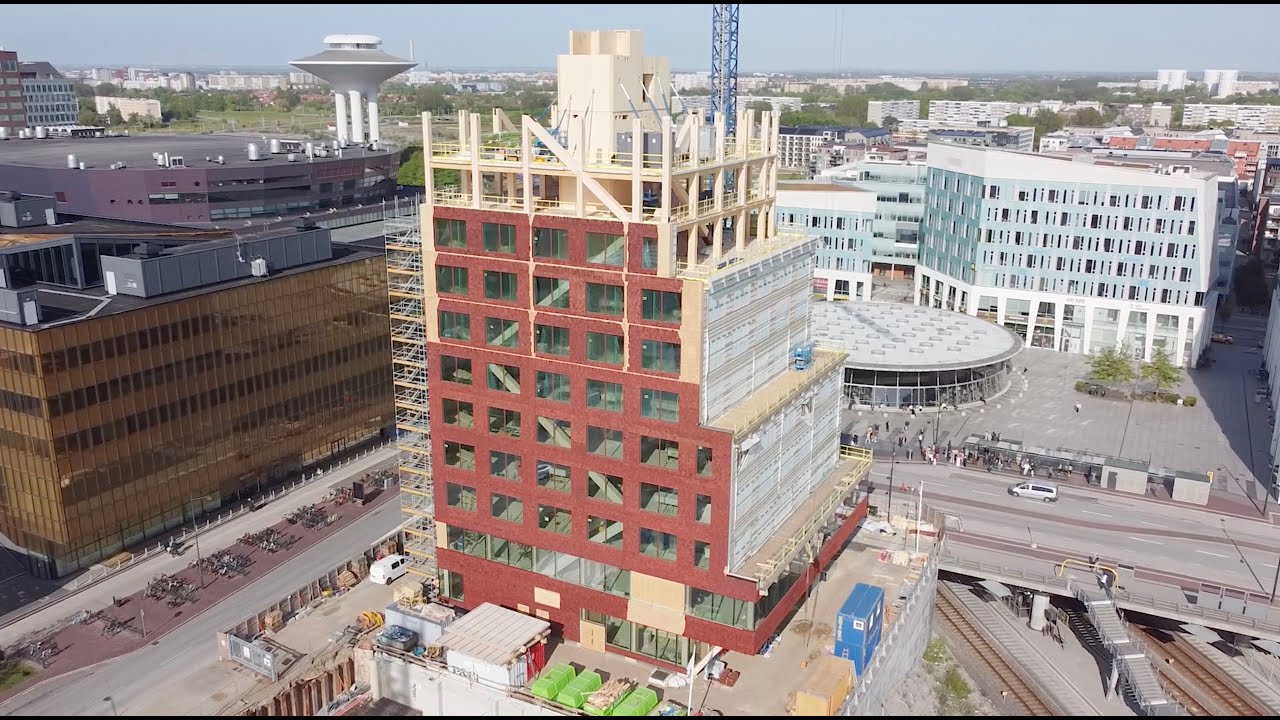
In Sweden, a 51-meter tower was built almost entirely of wood, without a concrete structural core and with solar panels integrated into the facade, using CLT and laminated beams to challenge the dominance of steel and concrete in modern buildings.
-
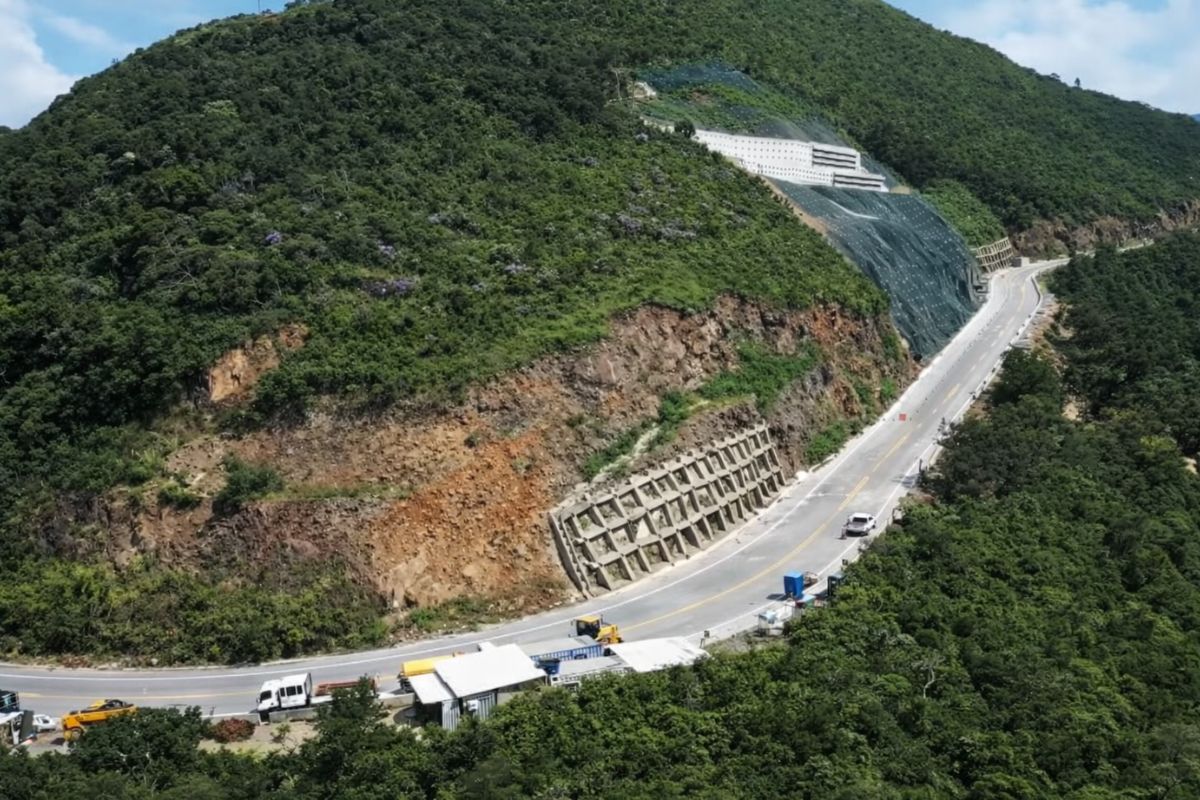
The section of Serra da Rocinha on BR-285 is now open in Timbé do Sul: 50 m tensioned curtains and top-down technique stabilize the slope, with a stairway duct controlling the water.
-
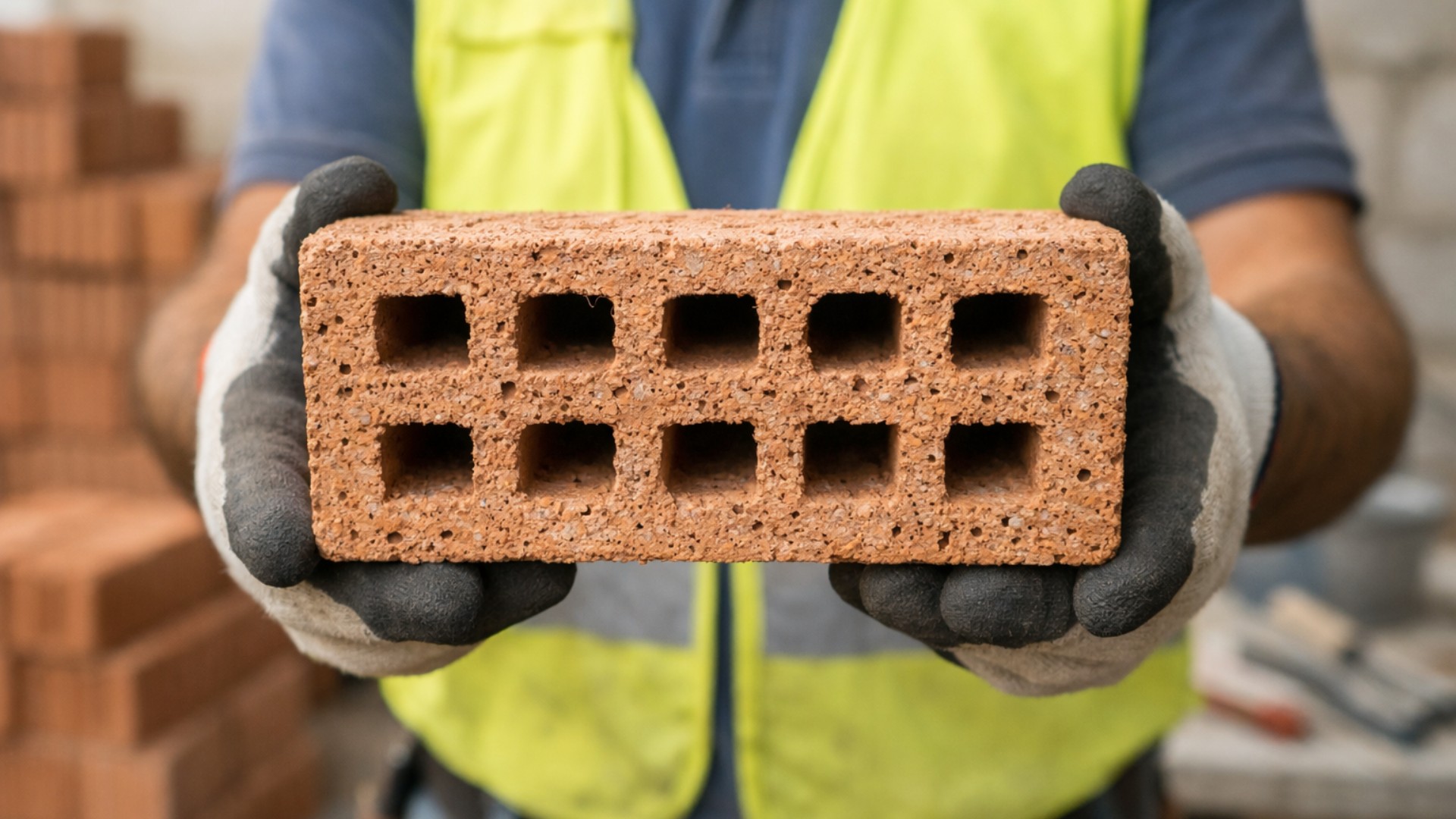
Scientists use sawdust mixed with clay to create a lighter brick, promising efficient thermal insulation and impressing by transforming waste into a solution for construction.
-
With a DNA shape, this bridge in Singapore draws attention in modern architecture and surprises tourists by transforming a simple crossing into an unforgettable visual experience in the urban heart.

From Zero to More Than 2.2 Million m³ Per Day: How Capacity Exploded in Two Decades
The leap actually begins in the 2000s when Algeria launches an aggressive program to build large reverse osmosis desalination plants on the coast. Plants like Hamma (Algiers), Magtaa (near Oran), Beni Saf, Mostaganem, Tenes, Skikda, Fouka, Souk Tlata, and Cap Djinet were inaugurated throughout the decade, with capacities ranging from 90,000 m³/day to 500,000 m³/day.
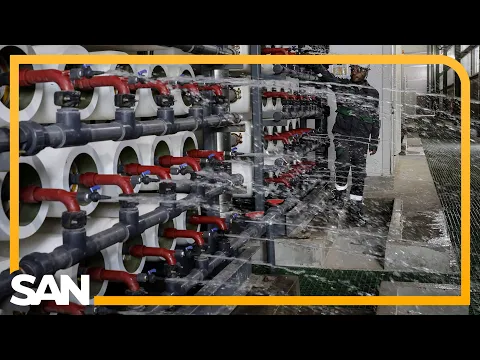

Together, these first large units brought the country to an installed capacity of around 2.2 million m³ of desalinated water per day, still in the first half of the 2020s.
This number is already colossal in itself:
- it means more than 2.2 billion liters of water produced daily from seawater
- it places Algeria in the absolute lead in desalination in Africa
- it puts the country among the largest producers in the Mediterranean, behind only Gulf giants in dependence on this resource
But the government did not stop there. Faced with a series of dry years, the country decided to nearly double this capacity in less than a decade.
The New Mega Plants Package: 5 Plants, 1.5 Million m³/Day More and 15 Million People Served
The most recent phase of the Algerian water program revolves around a set of five large desalination plants, each with a capacity of 300,000 m³/day, in strategic points along the coast:
- Cap-Blanc (Oran)
- Fouka 2 (Tipaza)
- Cap-Djinet 2 (Boumerdès)
- Béjaïa
- El Tarf
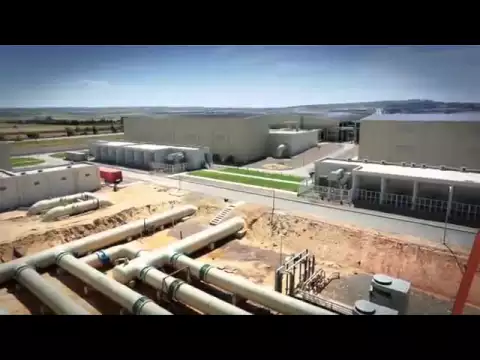
Together, these five plants account for 1.5 million m³ of desalinated water per day. Algeria invested about US$ 2.4 billion in this package, with a completion schedule by the end of 2024.
When all are operating at full capacity, the impact is immediate:
- the total desalination capacity rises from about 2.2 million to 3.7 million m³/day
- the share of this “manufactured” water in the national potable water supply jumps from 18–20% to about 42%
- around 15 million Algerians will be supplied, partially or fully, with seawater converted to freshwater
In other words: almost half of all the drinking water distributed in the country will come directly from the Mediterranean, stabilizing coastal cities and freeing up some conventional resources (dams and aquifers) for agricultural and industrial use in the interior.
The Ambition Until 2030: 5.5–5.8 Million m³ Per Day and 60% of Supply Through Desalination
The plan is more ambitious than just weathering a drought crisis. Algeria is structurally redesigning its water matrix.
Official documents and plans project that:
- the desalination capacity is expected to reach around 5.5 to 5.8 million m³/day by 2030
- between 25 and 27 large plants will be operational along the entire coast
- approximately 60% of all drinking water consumed in the country will come from desalination
- more than 28 million people will be directly served
- the network will consist of about 2,100–2,200 km of pipelines and distribution
To achieve these numbers, in addition to the five plants already under construction, Algeria plans to build at least seven new stations between 2025 and 2030, in regions such as Tlemcen, Mostaganem, Chlef, Jijel, Tizi Ouzou (two units), and Skikda, each also around 300,000 m³/day.
In practice, this creates a “second national water network” almost independent of rainfall, powered by reverse osmosis membranes, high-pressure pumps, and a continuous 24-hour operation chain.
How Seawater Is Reorganizing the Geography of Water Supply in Algeria
The Algerian strategy reorganizes where water is produced and who receives each type of resource. The logic is:
- Coastal cities are now mainly supplied with desalinated water
- Coastal aquifers experience less extraction
- Dams and inland waters become more available for irrigation and industry
By increasing the share of desalination to around 60%, the country aims to disconnect urban growth from rainfall and reduce pressure on natural water sources.
Geostrategically, this is exactly the opposite of what occurs in countries dependent on inland rivers: instead of bringing freshwater to the coast, Algeria is bringing desalinated water from the coast to the interior.
The Physical Numbers of the Plants: Volumes, Energy, and Cost Per Cubic Meter
Algerian plants follow international standards of reverse osmosis:
- Magtaa (Oran) has 500,000 m³/day, one of the largest OR plants in the world
- plants like Hamma, Beni Saf, Mostaganem, Tenes, Skikda, Souk Tlata, Cap Djinet, and Fouka operate in the range of 100,000 to 200,000 m³/day each
- the average energy consumption ranges between 3 and 4.5 kWh/m³
- the final cost of water varies between US$ 0.40 and US$ 0.80 per m³
This combination allows desalination to be treated as mass infrastructure, rather than an emergency resource.
Urban and Industrial Impacts: Who Benefits from the New “Water Economy”
Urban population: regions like Algiers and Oran reduce rationing and stabilize supply by using desalination as a primary source.
Heavy industry: refineries, petrochemicals, steel mills, and thermal plants rely on water for continuous operation – and the country already treats it as a strategic input for gas and oil export.
Agriculture: is not irrigated with desalinated water (too expensive), but benefits from the displacement of urban consumption, which releases water from dams and aquifers.
The Challenges: Energy, Brine, and Technological Dependence
Three problems accompany the accelerated growth of plants:
- Energy: desalination depends on constant electricity, and today this means natural gas.
- Concentrated brine: needs to be returned to the sea with diffusers and environmental control.
- Technology: membranes and pumps mostly come from abroad, although Algeria is training local engineers and technicians.
Despite the costs and complexities, the internal assessment is that not investing would be more expensive, given the combination of drought, urbanization, and industrial demand.
What This Network Says About the Future of Water in Arid Regions
Ultimately, Algeria’s story is not just about technology, but about geopolitics and survival in arid regions.
By projecting a capacity of more than 3.7 million m³/day by 2024 and around 5.5–5.8 million m³/day by 2030, Algeria shows that, in certain contexts, drinking water has ceased to be a natural resource and has become an industrial product, produced on a large scale.
And the number that truly stands out is simple: more than 2 million m³ of seawater per day are already being transformed into drinking water in Algeria – with official plans to nearly triple this volume by the end of the decade.






-

-

-

-

9 pessoas reagiram a isso.