





 Portuguese
  English
  Spanish
  4 min of reading
  0 comments


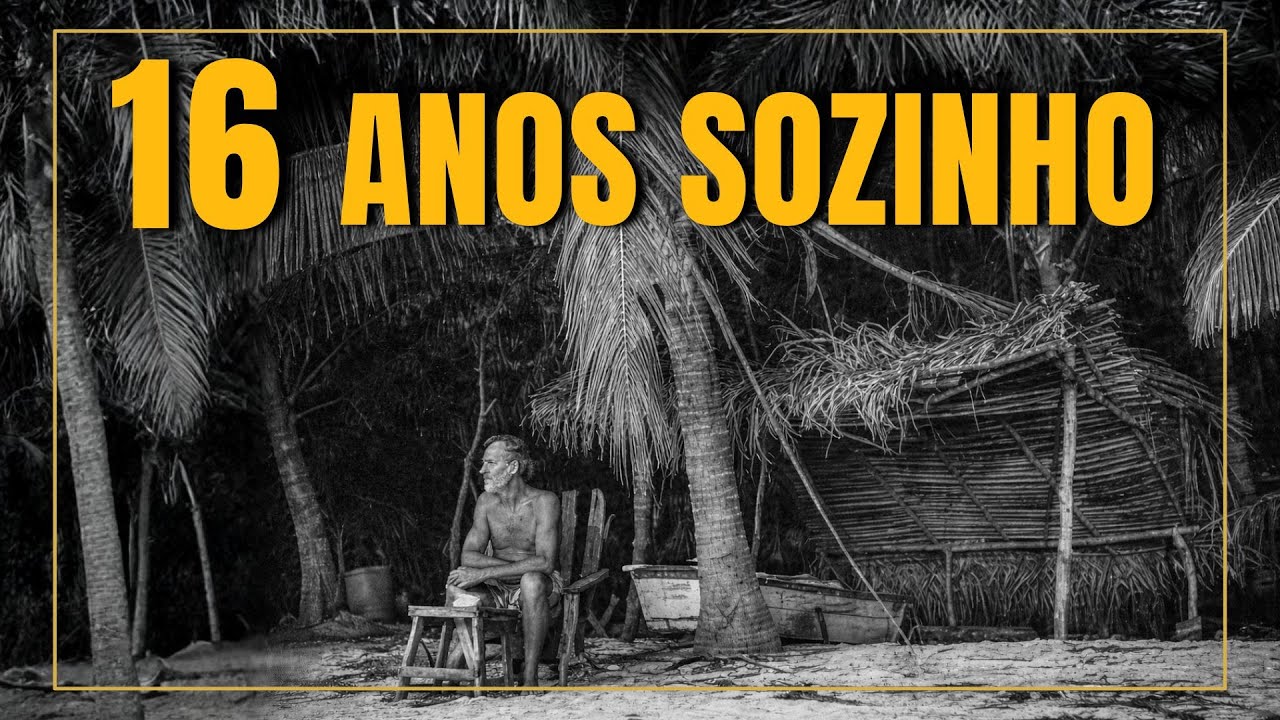
For Almost 16 Years, Tom Neale Lived Alone on a Remote Island in the South Pacific, Built His Own Shelter and Totally Abandoned Modern Society.
When Tom Neale decided to permanently abandon modern society, he was not fleeing an emergency or seeking notoriety. Born in 1902, in New Zealand, Neale grew up hearing stories of remote islands and developed, from a young age, a profound fascination with the idea of living completely alone. This desire became a reality throughout the 20th century, when he spent almost 16 years in voluntary isolation on a virtually uninhabited island in the South Pacific.
The chosen location was Suwarrow (Suvarov Atoll), a remote atoll that today is part of the Cook Islands. It is one of the most isolated places on the planet, hundreds of kilometers from any urban center, accessible only by long sea journeys and subject to cyclones, supply shortages and a complete lack of modern infrastructure.
The Decision to Live Alone in One of the Most Isolated Points on the Planet
Tom Neale did not arrive at Suwarrow by chance. He had known the island since he was young and consciously chose it as his ultimate refuge. His first attempt at isolation occurred in the 1950s, but health problems forced him to temporarily return to civilization. Years later, recovered, he returned, this time to stay.
-
How an innovative city combines high technology, well-being, and sustainability to become the largest reference in clean energy on the planet.
-
Couple buys 1846 church in ruins for R$ 660,000, invests R$ 3.2 million in renovations, transforms it into a millionaire mansion, and even preserved a historic cemetery with over 300 graves.
-
He started running at 66 years old, broke records at 82, and is now a subject of study for having a metabolic age comparable to that of a 20-year-old, in a case that is intriguing scientists and inspiring the world.

-
Oldest tree on the planet reappears after 130 years of searches: Wattieza, 385 million years old, was 10 meters tall and had no leaves or seeds; Gilboa fossils in New York solved the mystery in 2007.


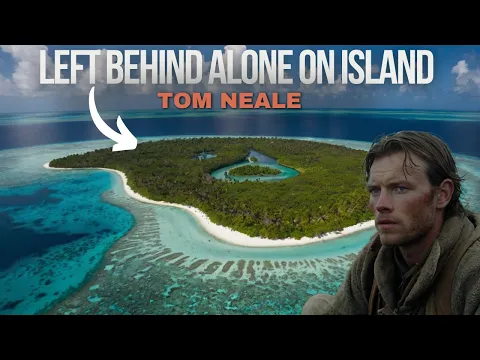

Between 1960 and 1977, Neale lived virtually alone on the island for about 16 years, without electricity, running water, public services, or regular contact with other people. The isolation was not imposed solely by geography, but by the deliberate decision to remain there despite extreme hardships.
Building His Own Shelter and Adapting to the Environment
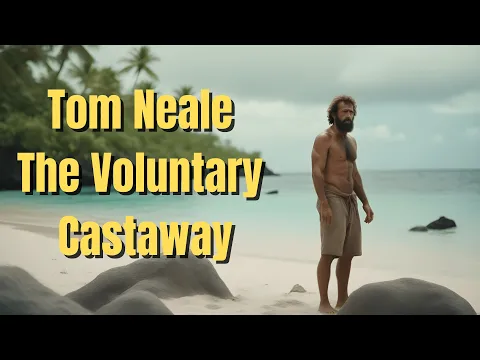
Upon arriving on the island, Tom Neale found only the ruins of old structures left by previous occupations. With simple tools and locally available materials, he rebuilt and adapted a small cabin, reinforcing roofs, walls, and storage areas to withstand the severe tropical climate.
The house was simple but functional. It served as shelter against heavy rains, strong winds, and extreme heat. There was no electric power or any kind of modern comfort. Everything depended on planning, improvisation, and constant maintenance.
Survival Based on Fishing, Gathering, and Self-Sufficiency
Daily survival on Suwarrow required a direct relationship with the environment. Tom Neale primarily fed on fish, coconuts, local fruits, and canned goods brought in rare visits by boats. The drinking water came from rainwater harvesting, carefully stored in improvised containers.
Every resource was precious. A mistake in water storage or food preservation could pose a real risk to survival. The isolation made any health problem potentially fatal, as there was no quick access to medical care.
Storms, Cyclones, and Constant Risk
Living on a South Pacific atoll meant facing tropical cyclones, violent tides, and long periods of absolute solitude. At times, Tom Neale went months without seeing another human being. At other times, he had to rebuild parts of his shelter after storms that destroyed fragile structures.
Despite this, he refused to abandon the island. For Neale, isolation was not suffering, but a choice. He described solitude as a form of freedom and mental balance, something impossible to achieve in modern society.
Isolation Recorded in Diaries and Historical Book
Unlike many hermits, Tom Neale documented his experience in detail. His diaries led to the book “An Island to Oneself”, published in 1966, which became a classic work on voluntary isolation and solitary living.
The book accurately describes daily life on the island, the physical challenges, psychological reflections, and the deep relationship between man and a completely isolated environment. The work is often cited by researchers, explorers, and journalists as one of the most authentic accounts of voluntary isolation in the 20th century.
The End of Isolated Life and the Legacy
Tom Neale remained in Suwarrow until 1977, when health issues forced him to leave the island for good. He died that same year at the age of 75, but left a lasting legacy. Today, Suwarrow is recognized as a protected area, and his story is widely cited by outlets such as National Geographic.
More than an extreme case, Neale’s journey became a symbol of a rare choice: to give up modern society not out of despair, but out of conviction.
His life demonstrates that voluntary isolation can be sustainable for long periods, provided it is accompanied by knowledge, discipline, and absolute respect for the environment.







-

-

-

-

11 pessoas reagiram a isso.