





 Portuguese
  English
  Spanish
  3 min of reading
  0 comments



Credit Options: Alternatives for Those Who Can’t Access Traditional Banks. Discover Viable Solutions for Entrepreneurs and Microentrepreneurs Facing Difficulties in Securing Financing
In a scenario of high interest rates and increasingly stringent requirements, accessing credit from traditional banks has become a challenge for many small and medium-sized business owners. According to a survey by Serasa Experian, half of these companies face barriers in obtaining financing, whether due to bureaucratic requirements, low credit scores, or lack of guarantees. In this context, exploring other credit options may be the key to keeping the business healthy and growing.
Experts consulted by Sebrae emphasize that financial organization and seeking specialized guidance are essential steps to increase approval chances. Alternatives such as credit cooperatives, fintechs, and public programs have helped overcome difficulties in accessing traditional channels.
Main Barriers to Accessing Credit
For service, retail, wholesale, and transportation companies, as well as for Microentrepreneurs, credit is limited by factors such as:
-
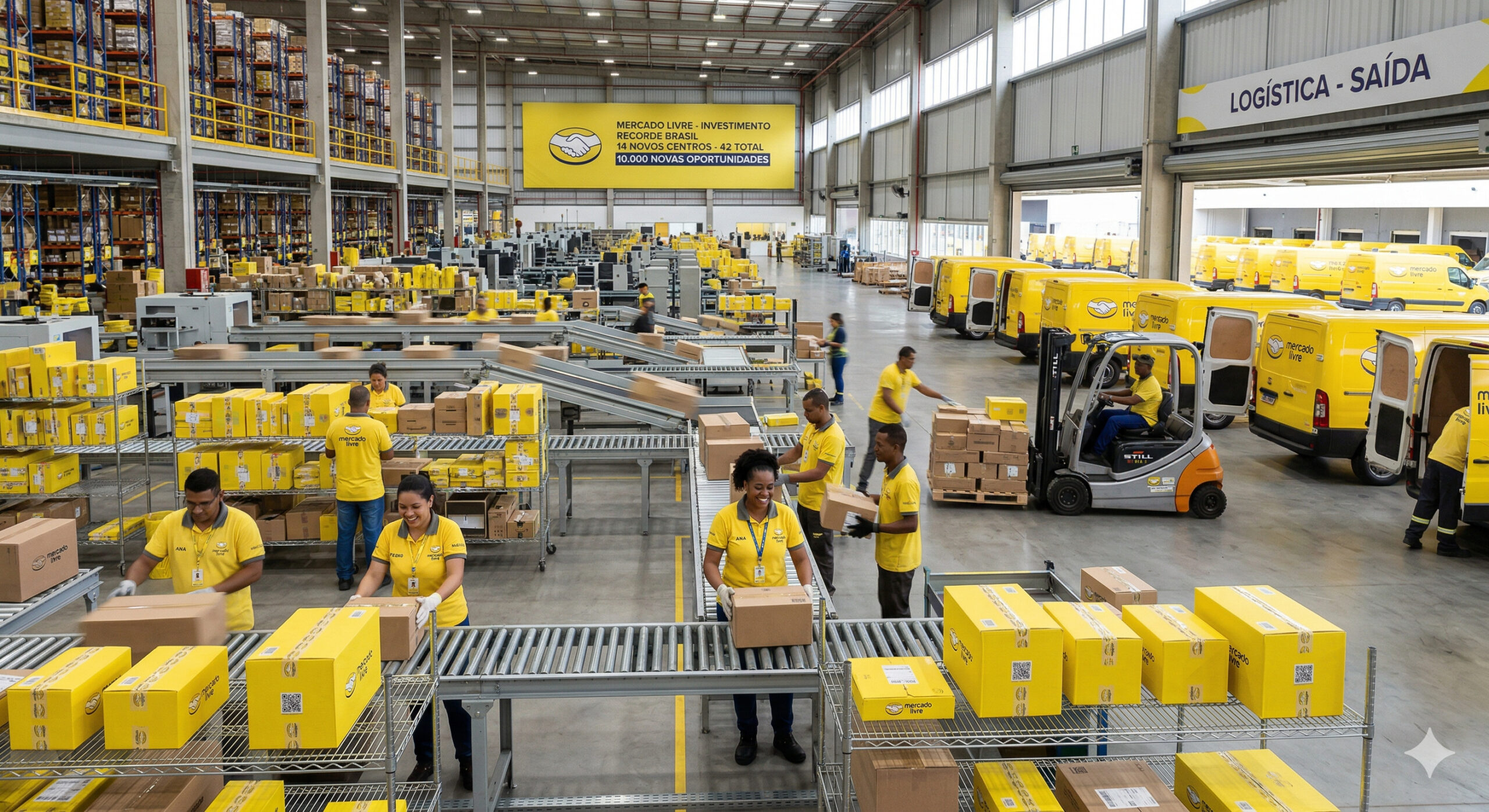
Mercado Livre “opens the vault” and announces a record investment of R$ 57 billion in Brazil in 2026, a value 50% higher than the previous year, with an expansion plan that includes 14 new logistics centers, totaling 42 units in the country and hiring an additional 10,000 employees.
-
How investment in technology can revolutionize the national economy and enhance industrial gains, according to a study that highlights the direct impact on productivity, innovation, and wealth retention within Brazil.

-
The largest food company on the planet, JBS, has just opened a 4,000 square meter laboratory in Florianópolis to develop customized proteins that modulate muscle mass gain, immune response, and metabolic performance.

-
After nearly 30 bids and competition among industry giants, a Spanish company purchases one of the largest airports in Brazil for almost R$ 3 billion and takes over the management of Galeão in a concession that will last until 2039.


High interest rates charged by large banks.
Bureaucracy and documentation requirements that discourage applications.
Need for real guarantees, which are often inaccessible for small businesses.
Low credit scores, which reduce the trust of institutions.
Informality remains a significant obstacle as it makes it difficult to prove revenue and present financial history. Without solid documents, the perceived risk by institutions increases, hindering approval.
Credit Cooperatives as an Alternative
Cooperatives such as Sicoob and Sicredi have been standing out as an option for those who can’t obtain credit from traditional banks. Among the advantages are:
More competitive interest rates than those charged by traditional banks.
Less bureaucracy and credit analysis that is more aligned with the reality of the business.
Member participation in the management and decisions of the cooperative.
In addition to credit, these institutions provide training and financial education, strengthening relationships and the sustainability of local businesses. In states like Pernambuco, partnerships between cooperatives and Sebrae have generated a positive impact on the economy.
Alternative and Digital Credit Lines
In recent years, fintechs and peer-to-peer lending platforms have gained ground by offering faster and less bureaucratic processes. These channels reduce operational costs and often provide more accessible rates.
Another important avenue is public programs such as FNE SOL and Crediamigo from Banco do Nordeste, which offer conditions tailored to the entrepreneur’s profile. These credit lines emphasize individual analysis and take into account characteristics such as company size and growth potential.
The Role of Sebrae and Support Institutions
Sebrae acts as a bridge between entrepreneurs and financial institutions, providing guidance on documentation, cash flow, and choosing the most suitable credit lines. Initiatives such as the Acredita program in Pernambuco combine training, networking, and connection with financial agents, increasing approval chances.
Entrepreneurs who follow practices such as formalizing their business, keeping organized records, and settling obligations not only secure credit but also achieve better negotiation conditions.
Inspirational Success Stories
Stories like that of craftswoman Elohá Lima, who obtained financing to participate in Fenearte with the support of Sebrae-PE, show that planning combined with specialized guidance can open previously inaccessible doors.
Small business owners from various sectors report that training and proximity to support institutions were decisive for their success in obtaining credit.
And you, have you turned to any of these credit options outside traditional banks? Did you find it easy or face difficulties? Share your experience in the comments and help other entrepreneurs find the best path.









-

Uma pessoa reagiu a isso.