





 Portuguese
  English
  Spanish
  5 min of reading
  61 comments


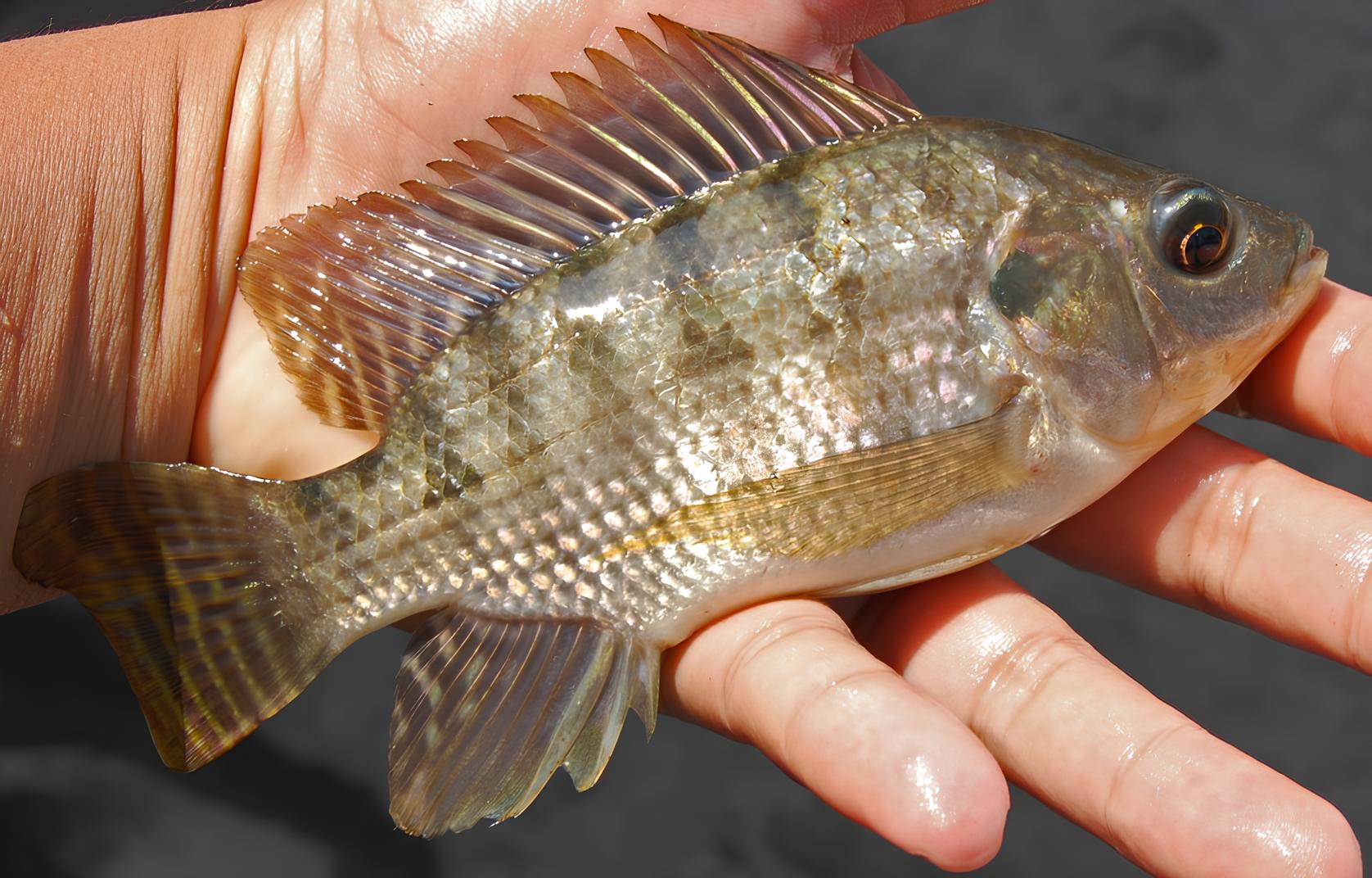


Nile Tilapia Oreochromis niloticus Alters Sediments, Turbidity, and Food Chains in Invaded Lakes, Generating Trophic Changes and Eutrophication Documented by Research.
Although it is treated as a common fish for consumption and a pillar of global aquaculture, Nile tilapia (Oreochromis niloticus) carries an underestimated ecological impact outside its original environment. Originating from African systems, especially the basins of the Great Lakes and the Nile, tilapia has become a symbolic organism of modern aquaculture, exported to dozens of countries due to its rapid growth, hardiness, and commercial acceptance. What few people discuss is what happens when this species escapes into natural lakes, dammed rivers, and reservoirs: it literally “terraform” the environment, altering sediments, turbidity, plankton composition, submerged vegetation, and nutrient cycling.
This is a documented case in various limnology studies, FAO (Food and Agriculture Organization of the United Nations) reports, and environmental analyses conducted in Brazil by IBAMA and universities.
The phenomenon does not involve toxins or poison. It is ecological engineering done mechanically — excavation, bioturbation, sediment resuspension, combined with biogeochemical effects that affect primary productivity, water transparency, and the composition of the food chain.
-
With a cost per shot close to zero, the DragonFire laser could change naval warfare in 2027 and provide British ships with nearly unlimited defense against drones.

-
A British startup creates tires that generate electricity in electric vehicles when passing over potholes, speed bumps, and cracks.

-
Scientists have created robots made with living cells that have their own nervous system, swim on their own, explore the environment, and self-organize without any genetic engineering, and now they want to do the same with human cells.

-
Students create a solar-powered ambulance that operates without a plug, without fuel, and still keeps medical equipment running in remote areas.


Tilapia therefore becomes a reshaping force in ponds and reservoirs, especially when there are no abundant natural predators and when there is excessive nutrient inflow from sewage or agriculture.
Tilapia, Bioturbation, and the Resignification of Lake Beds
The first element of this “terraforming” is physical. Tilapia build nests in shallow substrates and have an excavating behavior that disturbs the bottom. This resuspends fine particles, attached algae, and sediments rich in phosphorus and nitrogen.
Once in suspension, these nutrients become consumed by phytoplankton, causing an increase in algal productivity, a biochemical pathway to eutrophication.

Brazilian research in tropical reservoirs shows that, with dense tilapia populations, water transparency decreases (lower Secchi values), while turbidity and dissolved phosphorus increase.
In limnology terms, tilapia shifts the system towards eutrophic or hypereutrophic states, especially when nutrients are available in the sediment. It is as if the fish function as a mechanical shovel powered by biological energy, injecting back into the surface cycle what was buried.
The Domino Effect: Turbidity, Phytoplankton, and the Food Chain
Turbidity is not just a visual phenomenon. It profoundly alters ecological interactions. Cloudier water reduces the light that penetrates to the bottom of lakes, which compromises submerged vegetation — angiosperms and macroalgae that depend on light. These plants serve as nurseries for native fish, house invertebrates, and stabilize sediments. When they disappear, the habitat structure changes, and sensitive species are expelled.
At the same time, the increase in phytoplankton, composed of microscopic algae and cyanobacteria, creates a food chain dominated by primary producers and filter-feeding consumers. This reduces the diversity of larger organisms and accelerates algal bloom cycles.
In tropical reservoirs, researchers report that cyanobacterial blooms — some toxin-producing — are more frequent in eutrophied systems by tilapia, although causes involve multiple factors, including domestic sewage and agricultural fertilizers.
This trophic change shifts the ecological role of fish. While natural systems have complex webs with predators, detritivores, herbivores, and aquatic insects, lakes with dense tilapia show simplified pyramids, dominated by a few species that benefit from turbidity and suspended food.
Tilapia in Brazil: Between Aquaculture and Environmental Impact
The rise of tilapia in Brazil is a remarkable case. According to data from the FAO and IBAMA, it is currently the most produced freshwater fish in the country, with a strong presence in São Paulo, Paraná, Ceará, Mato Grosso do Sul, and Bahia. Its hardiness and rapid growth have made the species the flagship of continental aquaculture. This commercial success, however, has increased the likelihood of escape into natural environments.
Brazilian reservoirs built for energy generation — such as systems in the Paraná, Tietê, and Paranapanema rivers — have recorded established populations of tilapia outside of fish cages.
IBAMA classifies the species as an exotic invader in several contexts, highlighting risks to biodiversity, especially in basins with endemic species.
One of the strongest debates among the Brazilian scientific community involves native fish of great ecological value, such as curimbatá and lambari, which compete for similar niches.
Tilapia, with reproductive advantages and the capacity to tolerate degraded waters, tends to outcompete sensitive species, reducing diversity. In conservation biology, this is called “biotic homogenization”: once unique rivers and lakes start to look alike, dominated by a few successful exotic species.
Eutrophication: The Convergence Between Fish, Sediment, and Nutrients
The impact of tilapia becomes even more problematic when the following coexist:
• untreated urban sewage,
• agricultural fertilizers,
• deep reservoirs with phosphorus-rich sediment.
In this context, tilapia acts as a trigger that accelerates eutrophication. In limnological studies, it has been observed that its bioturbation increases the flow of phosphorus from the sediment to the water column. Phosphorus is a limiting nutrient for phytoplankton. In other words, any small release can trigger explosive algal growth.
This process is not exclusive to tilapia, Asian carp present similar patterns — but the global expansion of O. niloticus places the species among the main vectors of trophic change.
The Reverse Engineering of Lakes: How to Deterraform a System
Reversing a lake “terraformed” by tilapia is difficult. Reducing turbidity not only depends on removing the fish but also on reducing nutrients, recovering submerged vegetation, and returning predators. Management plans include three fronts:
- Population Control of Tilapia,
- Treatment of Effluents and Reduction of Fertilizers,
- Restoration of Submerged Macrophytes.
In some African lakes, there are reports of partial recovery after the introduction of native predators and nutrient control. In Brazil, restoration is more complex due to the intensive use of reservoirs for water supply, energy, and aquaculture.
The Economic-Environmental Dilemma
The contradiction is evident: tilapia is an important food resource, generates jobs and income, and integrates global protein trade diplomacy.
At the same time, it echoes as a symbol of how aquaculture — when poorly integrated into the territory — can reshape ecosystems irreversibly.
The challenge is not to demonize the species but to acknowledge that its biology creates real impacts when it enters natural systems. This discussion is growing among environmental managers, researchers, and the productive sector, especially with the advancement of certifications that require control of escapes and risk mitigation.








Absurdo!!
Fazendo importações sem necessidade, sabe se lá como estão estes peixes. Diante de tudo que estamos vivendo neste desgoverno **** devemos desconfiar de TUDO !!!!
Tenho o direito de desconfiar de tudo isso. Pois já começaram a trazer tilápia para o consumo brasileiro, de outro país. Pra ferrar com os criadores brasileiros.
O que vejo nisso, é que o interesse é outro.
Me parece muy interesante el tema de las tilapias