





 Portuguese
  English
  Spanish
  2 min of reading
  10 comments





An Elderly Man Lives Isolated in His Home Amid Commercial Buildings in Miami. The Case Raises Debate About Rights, Real Estate, and Urban Pressure in the United States.
When the American Dream Becomes a Real Problem. Owning a Home Has Always Been Synonymous With Stability for Millions of Families in the United States. In Miami, Florida, This Ideal Has Turned Into an Urban Conflict That Has Lasted Nearly 20 Years.
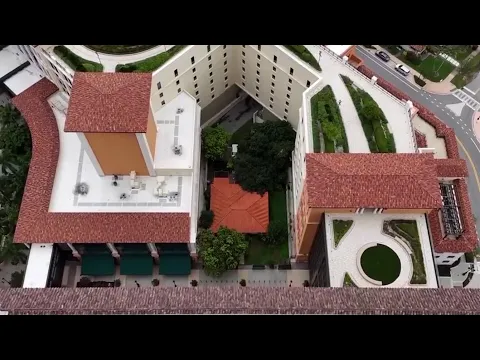
Orlando Capote, an engineer and son of Cuban immigrants, currently lives in a modest residence surrounded by buildings and structures of a large real estate development. He claims he has never received a formal multimillion-dollar offer to sell the property.

The Origin of the House and the Purchase of the Land
The Capote family arrived in the United States in 1969, coming from Cuba in search of opportunities. For years, they lived in rental properties until they managed to purchase a modest single-story home with two bedrooms in 1989, in a quiet area near Coral Gables, a high-value real estate region in Miami.
-
Woman arrested after receiving $1.2 million due to banking error and not returning the amount.

-
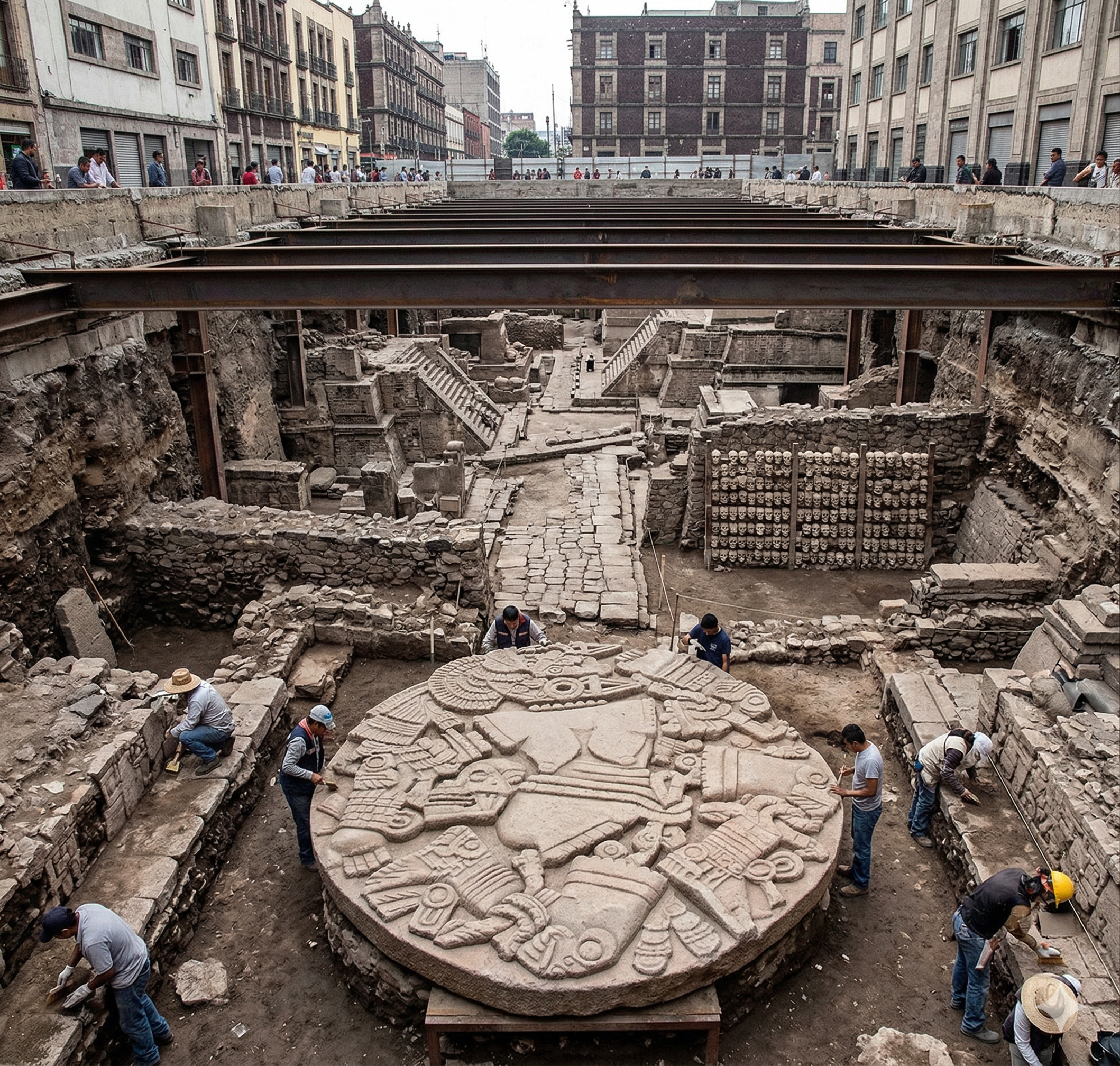
Beneath Mexico City lies an entire buried Aztec capital, and it all began when workers discovered a 3.25-meter stone disk featuring a dismembered goddess, revealing temples, skulls, and palaces beneath 22 million people.
-
How to build a 35,000-liter cistern with 60 by 50 cm panels and rainwater for drinking and cooking without relying on water trucks or the city hall.

-
A woman went out for a regular walk and ended up finding a treasure buried for over 900 years, with more than 2,000 medieval silver coins compared by archaeologists to a lottery prize and considered one of the most significant finds in recent years in the country.


“When we arrived in the country, rent was low, but it always went up. My father dreamed of having a house. It was the American dream,” said Orlando Capote to BBC News Mundo.
The Arrival of the Real Estate Company and the Transformation of the Neighborhood
Starting in 2004, investors began purchasing neighboring properties. Houses were demolished, residents moved away, and the neighborhood officially entered the luxury real estate market radar.
Today, the complex features residential towers, offices, shops, restaurants, and a high-end hotel with 242 rooms, operated by the Loews Hotels chain.
Orlando’s house is situated right in the center of this project. With the progress of construction, the residence became surrounded by garages and commercial buildings. Sunlight became limited to a few minutes a day at certain times of the year. Natural ventilation disappeared.

Previous reports mentioned high values associated with the sale of the property. However, Orlando Capote contests this version. Capote is categorical in stating that he has never received a formal multimillion-dollar purchase proposal.
Urbanism experts point out that conflicts like this become more common in cities with strong real estate pressure, like Miami, where well-located land is fought over by large developers.
This case raises an important question: how far does the right of the real estate market go and where does the right of the common citizen begin? Leave your comment with your opinion and share this article to broaden the debate on housing, cities, and urban justice.








O direito de propriedade, é sagrado e se o dono da casa, não quer vender, a Justiça, deve assegurar, a sua última vontade de não querer vender.
Tem momentos na vida que temos que usar a razão e não coração.
Se ainda existir oferta, venda e compre uma bela casa térrea em outro lugar mais aprazível.
Com certeza não faltará uma bela vista em Miami