





 Portuguese
  English
  Spanish
  2 min of reading
  0 comments


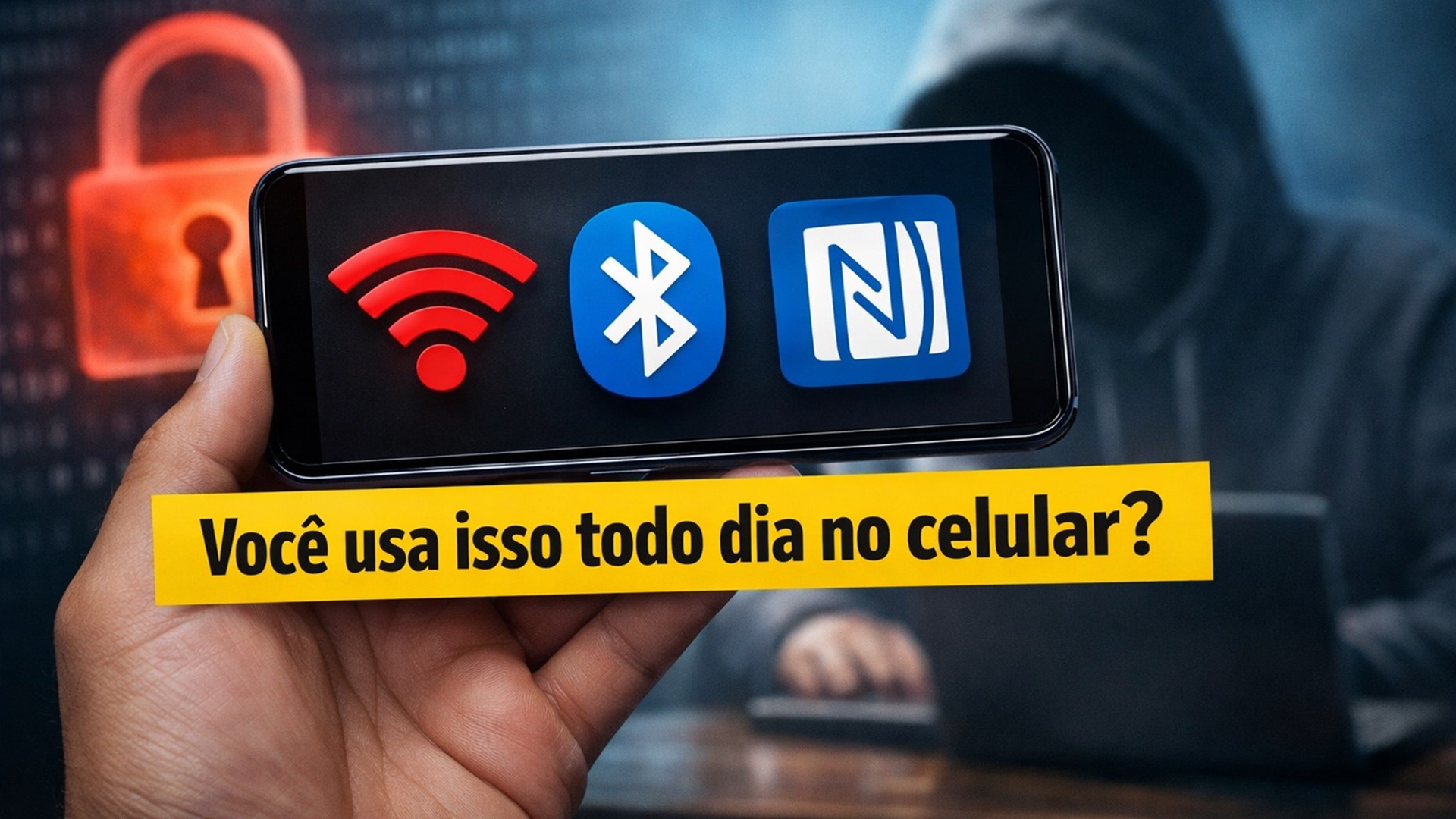
Digital Security Expert Warns That Simple Adjustments to Smartphone Settings Can Reduce Risks of Scams, Invasions, and Personal Data Theft in 2024
Millions of smartphone users were alerted in 2024 to immediately disable three common settings, after data indicated that 83% of phishing scams targeted mobile phones and 6.3% of devices had malicious apps installed, according to a survey released by Certo.
The alert gained traction after the National Security Agency of the United States identified vulnerabilities in popular services and reinforced practical guidelines to reduce security flaws in mobile devices used daily by millions of people.
A recent concern involved the encrypted messaging service Signal, which has up to 70 million monthly users. Earlier this year, the National Security Agency reported finding a vulnerability in the application, as reported by CBS News.
-
Worlds covered by water, atmospheres filled with hydrogen, and the possibility of life beyond Earth: ocean planets are rewriting the map of cosmic search and forcing scientists to rethink where to look.

-
Argentina achieves the unimaginable after more than 110 years and reintroduces the largest native herbivore of South America to the Chaco to restore a lost link in nature.

-
Returning to the Moon now costs a billion-dollar bill and reignites the competition between the USA and China for science, technology, and rare minerals on lunar soil.

-
While the world looks at oil, the war with Iran is already disrupting helium supply from Qatar, affecting car and iPhone chips, threatening AI expansion, and putting pressure on aluminum packaging at the highest value in four years.


In light of this situation, users were warned to avoid sending any compromising content via the app. The incident reinforced the need for simple yet effective adjustments to smartphones’ settings to mitigate the growing risks of digital attacks.
Public Wi-Fi
According to the NSA, the use of public Wi-Fi networks should be avoided whenever possible. The recommendation is to prioritize personal or corporate connections, which are considered more secure for transmitting sensitive data.
In an official report, the agency stated that data sent over public Wi-Fi networks, especially those that are open and passwordless, are vulnerable to theft or manipulation by malicious actors, even when they seem trustworthy.
The NSA added that, even when a public network requires a password, the traffic may not be adequately encrypted. To reduce risks, it is recommended to disable the automatic connection option available on many smartphones.
Bluetooth
Keeping Bluetooth enabled in public environments also poses a cybersecurity risk, according to the NSA. Active Bluetooth signals can be tracked by malicious actors looking for vulnerable devices.
These actors can gather information about the targeted device or exploit security flaws. Therefore, the guidance is simple and direct: turn off Bluetooth whenever it is not in use, especially in public places.
Near Field Communication (NFC)
The NFC technology allows secure data exchanges over short distances and is widely used in mobile payments such as Apple Pay. Nevertheless, the NSA recommends constant caution when using this feature.
Although range limitations reduce opportunities for exploitation, the agency states that risks do exist. Whenever possible, users should disable NFC when it is not in use to minimize unnecessary exposures.
The alerts reinforce that simple measures, such as manual adjustments to settings, can significantly reduce vulnerabilities in a scenario where digital attacks continue to evolve and affect millions of users globally.








Seja o primeiro a reagir!