





 Portuguese
  English
  Spanish
  6 min of reading
  8 comments


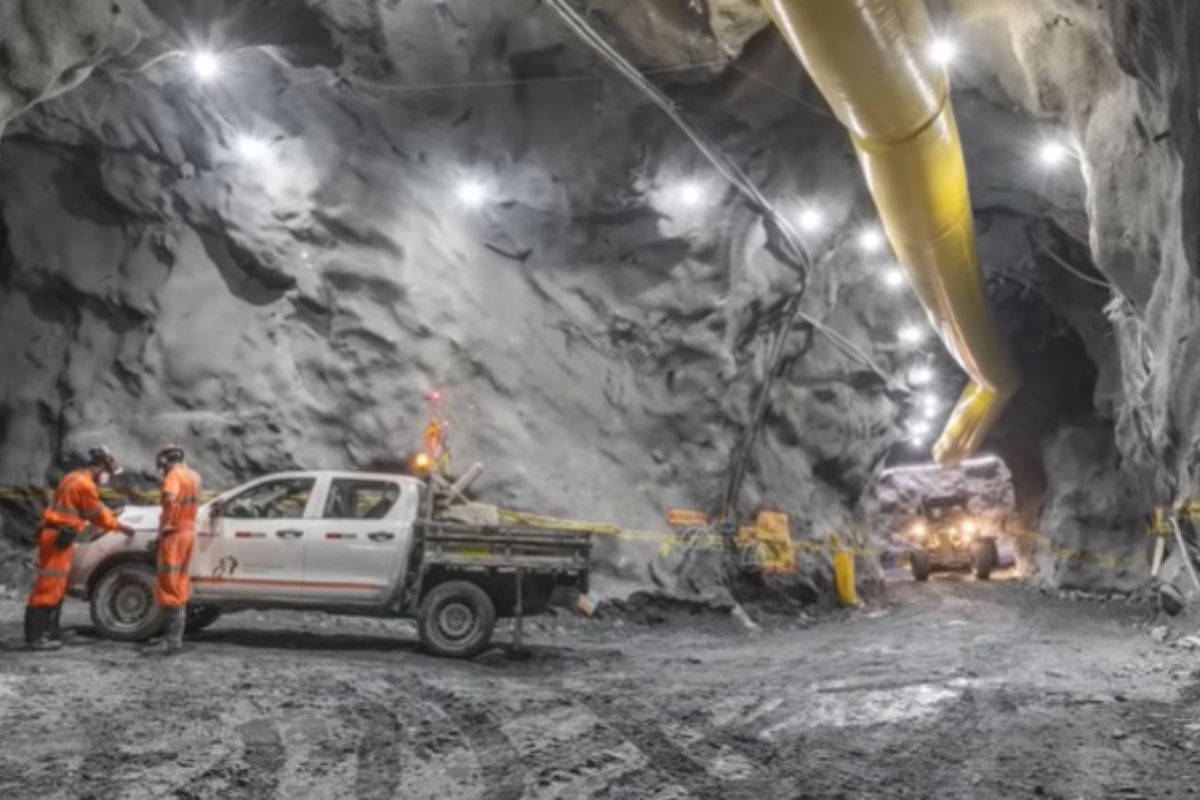


Inside the Cuiabá Gold Mine of AngloGold Ashanti, Operating 24 Hours in Sabará with Remote Control, Focus on Safety, High Diversity and Ambitious Sustainability Goals. pasted
Descending to the heart of the earth and seeing up close how a gold mine operates 24 hours a day is to enter a world where technology, safety, and precision govern every detail. In Sabará, in the metropolitan region of Belo Horizonte, AngloGold Ashanti maintains one of the country’s deepest underground operations, extending to about 1600 meters deep in some levels, with infrastructure resembling a true city beneath the surface. pasted
Throughout the tunnels, ramps, and levels, everything is designed to ensure that this gold mine operates with high productivity and maximum protection for people and the environment.
Real-time monitoring, remote operation of equipment, smart ventilation, water recycling, and zero carbon goals are part of the daily routine of an operation that also bets on diversity, with more and more women occupying frontline positions in mining. pasted
-
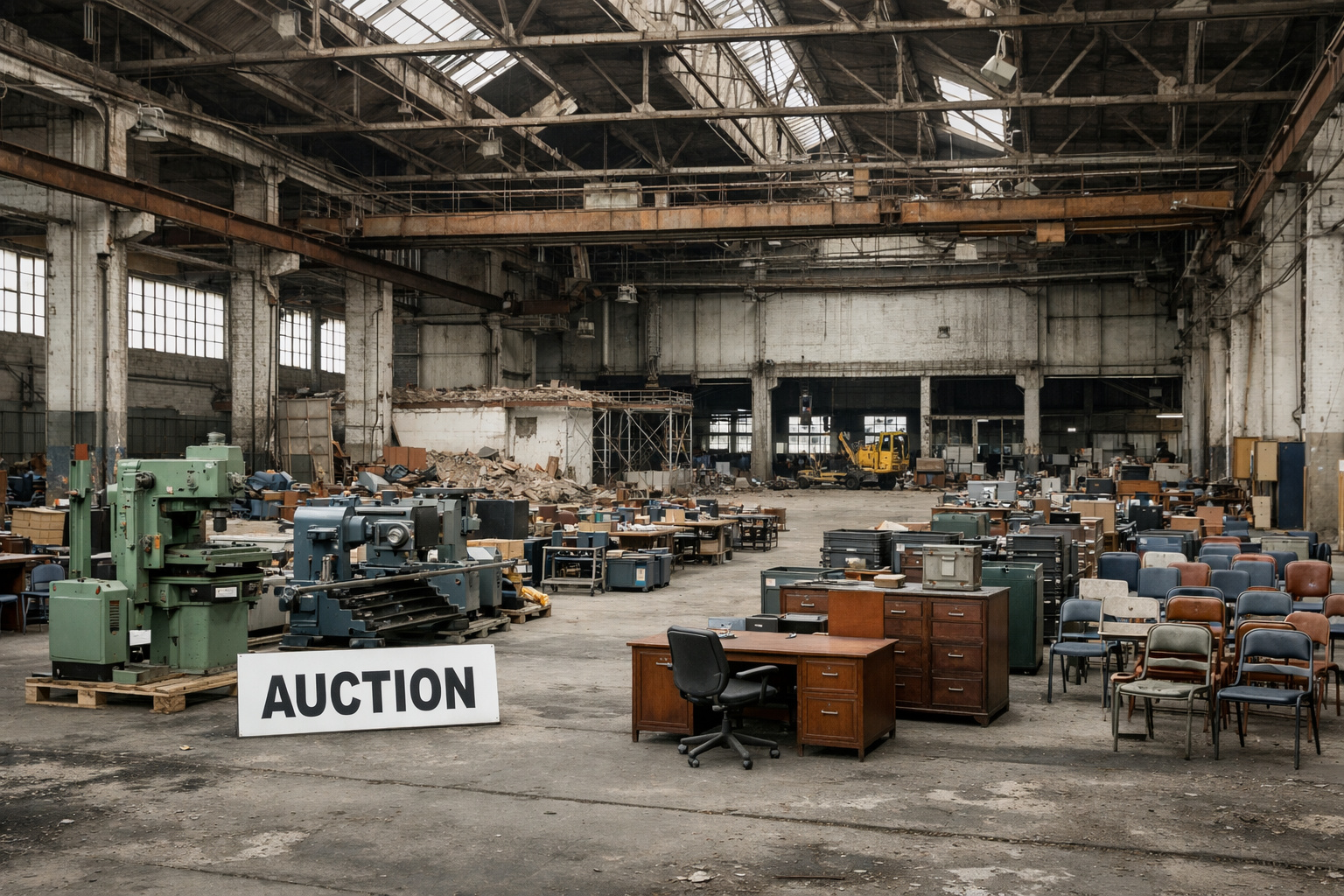
Historic bankruptcy of Centauro shocks the market, and the century-old company puts more than 500,000 products, machines, and complete infrastructure up for online auction.
-
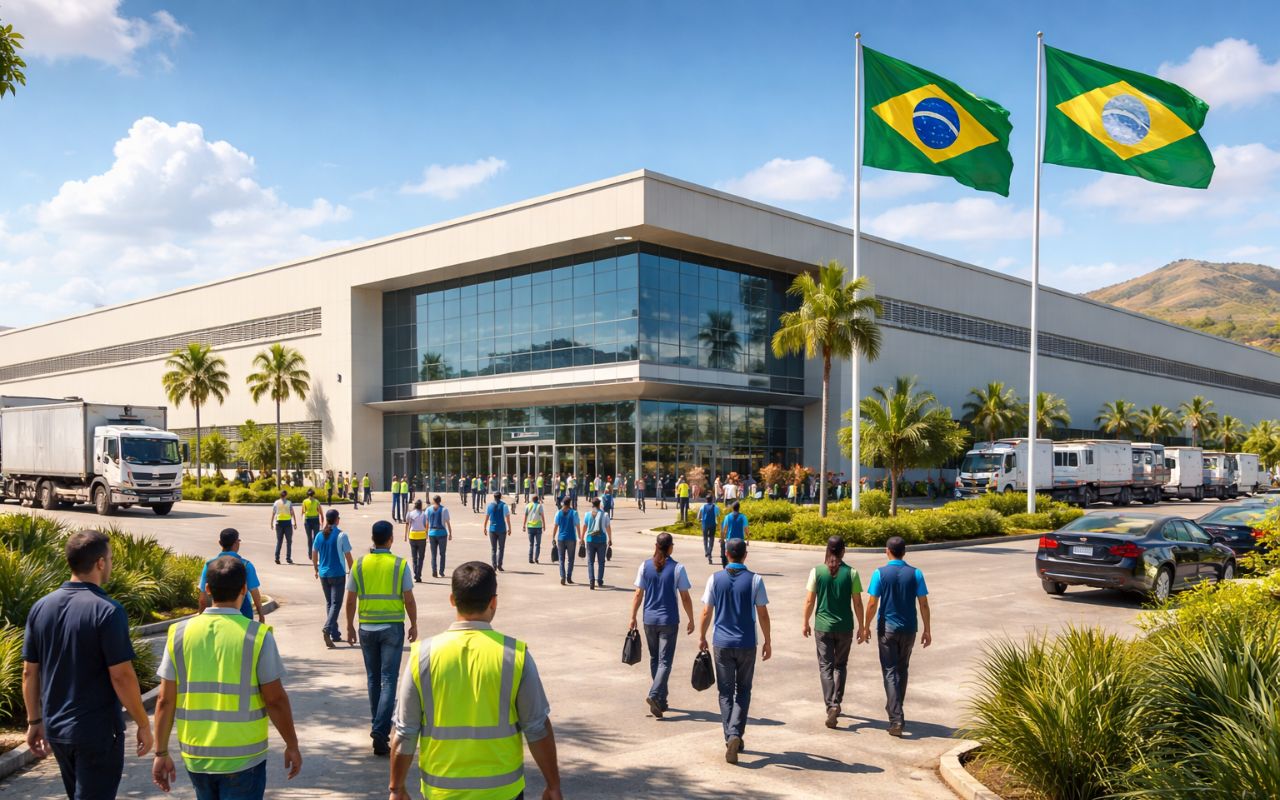
New shoe factory in Ceará is expected to create 400 jobs and strengthen the local economy.
-
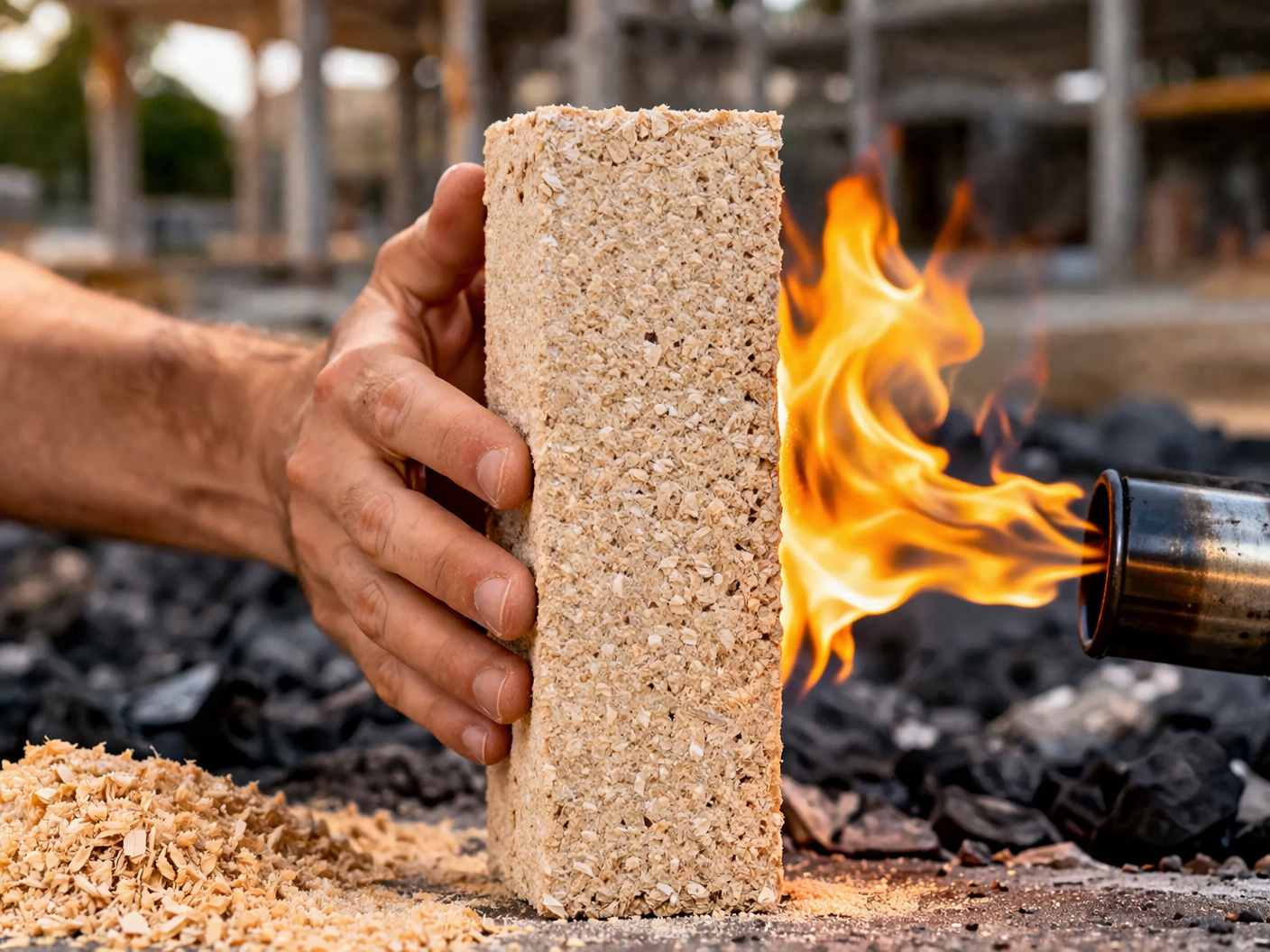
No one imagined it, but a mixture of sawdust with a mineral that fights fires surprises scientists with a result that changes the course of fire-resistant construction.
-
From empty land to a high-end house, wooden construction uses a lightweight system, metal structure for the foundation, ventilated ceramic cladding, and special windows to create an efficient and comfortable living space throughout the year.

A Century-Old Operation That Does Not Stop
The AngloGold Ashanti completed 190 years of operation in Brazil in 2024 and is considered the country’s oldest continuously operating company.
The Cuiabá mine in Sabará began operating on an industrial scale in 1984, with a projected lifespan exceeding 2042 as knowledge about the asset and exploration technologies advances. pasted
This means that this underground gold mine combines tradition and innovation at the same location.
Today, the depth already reaches levels close to 1600 meters, equivalent to a hundreds-story building, with about 260 kilometers of ramps and branches connecting offices, workshops, support areas, and mining fronts. All of this is in continuous operation, 24 hours a day, seven days a week. pasted
The Brain of the Gold Mine: Operational Control Center
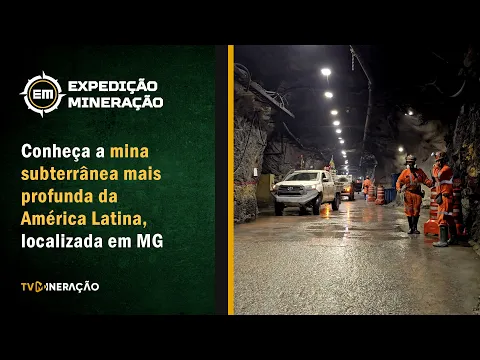

On the surface, even before descending, the expedition passes by the operational control center. It is there that the Cuiabá mine is monitored in real-time, with systems tracking people, equipment, ventilation, pumping, energy, and production.
One of the highlights is the underground personnel tracking system, which shows exactly where each employee is. In case of emergency, the brigades can act faster and more precisely.
Another feature is seismic monitoring, with seismographs installed at different levels of the gold mine, allowing for immediate identification of events in the rock and swift safety decisions. pasted
Everything that happens in vital points of the mine can be seen on screens in the control room, including cameras in critical areas, status of the fans, water levels, conditions of the shaft, and status of each productive equipment.
The panels display in green what is available, in yellow what is under preventive maintenance, and in red what is halted for corrective measures, integrating directly with the company’s SAP management system.
Remote Operation and the Future of Working Underground
One of the most impressive elements of the Cuiabá gold mine is the remote operation of equipment. In a dedicated room, technicians control loaders and other heavy equipment that are hundreds of meters deep as if they were in a video game simulator. pasted
This remote operation increases safety, reduces professionals’ exposure underground, and improves production efficiency.
Thanks to the fiber-optic connection between the Cuiabá and Lamego mines, it is possible to operate equipment installed in another unit located about 17 kilometers away, without the technician needing to leave the control room.
The team’s vision is that this technology can evolve further, paving the way for a scenario where part of the gold mine’s operation is controlled in a model similar to a home office, maintaining safety and efficiency even with teams away from the mining fronts. pasted
Deep Levels with the Look of an Underground City
When descending to level 11, about 800 meters deep, the environment resembles an underground shopping mall.
There are offices, workshops, logistics areas, and even a support room for employees, reinforcing the necessary structure to sustain an operation that accommodates about a thousand workers daily underground. pasted
The ventilation is strong, the lighting is ample, and the space is well-organized, breaking the stereotype that gold mines are always dark, hot, and disorganized.
Lower down, at level 23, at 1600 meters deep, the temperature hovers around 29 degrees, making investments in ventilation and cooling one of the most important aspects of the operation.
The demand-based ventilation system automatically adjusts fan usage according to the number of people in each front, saving energy without compromising safety. pasted
High Diversity: Women in the Gold Mine
AngloGold Ashanti has been heavily investing in diversity with the Women of Gold program, which encourages the entry of women into a historically male environment.
In 2023, they represented about 5 percent of the workforce. In 2024, this number rose to 11 percent among the approximately one thousand workers who descend daily into the gold mine. pasted
Stories like Aline’s, who entered as an apprentice and was one of the first women to be hired from her group, and Elisângela’s, who has operated a mineral transport truck for over 12 years, show how this change is gaining momentum.
Today, the number of female operators is tens of times greater than in the past, without loss of respect or quality in the routine.
For many of these professionals, the mine is synonymous with opportunity, career, and pride, and not just a heavy and difficult environment.
Safety, Sanitation, and Water Recycling
Safety is the company’s declared core value and appears in all stages of the operation. During detonations, the gold mine is evacuated, leaving only a few professionals directly involved, many of whom also work remotely.
After the detonation, sanitation of the area comes into play, with the installation of iron rods and concrete to ensure tunnel stability. pasted
Another essential point is water. It is used for cleaning the environments and in the mining process itself, but all water consumed is treated within the mine and recycled in a continuous cycle. The solid waste resulting from the mining process is largely relocated to internal areas or designated for stacking in a completely dry system, reducing environmental impact and the use of conventional tailings dams. pasted
This combination of safety, sanitation, and recycling creates a model of underground mining that is more controlled, traceable, and aligned with current ESG requirements.
Electric Equipment and Zero Carbon Goal
Sustainability is a guiding principle of AngloGold Ashanti’s strategy in Brazil. The company aims to achieve zero carbon emissions by 2050 and, to that end, has been replacing diesel-powered equipment with electric versions.
In March 2024, the first fully electric loader in an underground environment in the country began operation at the Cuiabá mine. The expectation is that, by 2027, the entire fleet of loaders at the gold mine will be replaced with electric models. pasted
Besides reducing emissions, electric equipment lowers heat and noise inside the mine, improving workers’ comfort and reducing the need for intense ventilation. This technological transition demonstrates how underground mining can evolve to be cleaner, more efficient, and aligned with global climate goals.
From Raw Ore to Responsible Gold Bars
Every day, about 4500 tons of ore are transported from the Cuiabá mine to the surface. From there, they undergo a series of physical and chemical processes that separate the gold from other materials.
The ore is then processed at a refinery in Nova Lima, where it is transformed into 12-kilogram gold bars, with a high degree of purity and an international certification of responsible gold, which attests to the quality and social responsibility throughout the production chain. pasted
Behind each gold bar are kilometers of tunnels, hundreds of professionals, advanced control systems, and a growing commitment to safety, sustainability, and innovation.
A Gold Mine That Points to the Future of Brazilian Mining
The Cuiabá gold mine in Sabará shows that high-depth underground mining can be synonymous with cutting-edge technology, remote operation, diversity, and robust environmental goals.
With 190 years of history in Brazil, AngloGold Ashanti proves that tradition and modernization can go hand in hand when the focus is on safety, efficiency, and responsibility.
Instead of a rustic and makeshift scenario, what is seen is a gold mine that functions like a smart city beneath the earth, with decisions made based on real-time data and continuous investments in people and equipment.
And you, would you dare to descend 1600 meters deep to see up close how a gold mine operates 24 hours a day with so much technology and safety?






Para quem conheceu a mina de ouro de Nova Lima em 1979, seria um sonho entrar na mina Cuiabá. Estou feliz em saber como opera está mina.
Simplesmente EXTRAORDINÁRIO.
E neste caso o Brazil vai…..e vai……,