





 Portuguese
  English
  Spanish
  2 min of reading
  0 comments


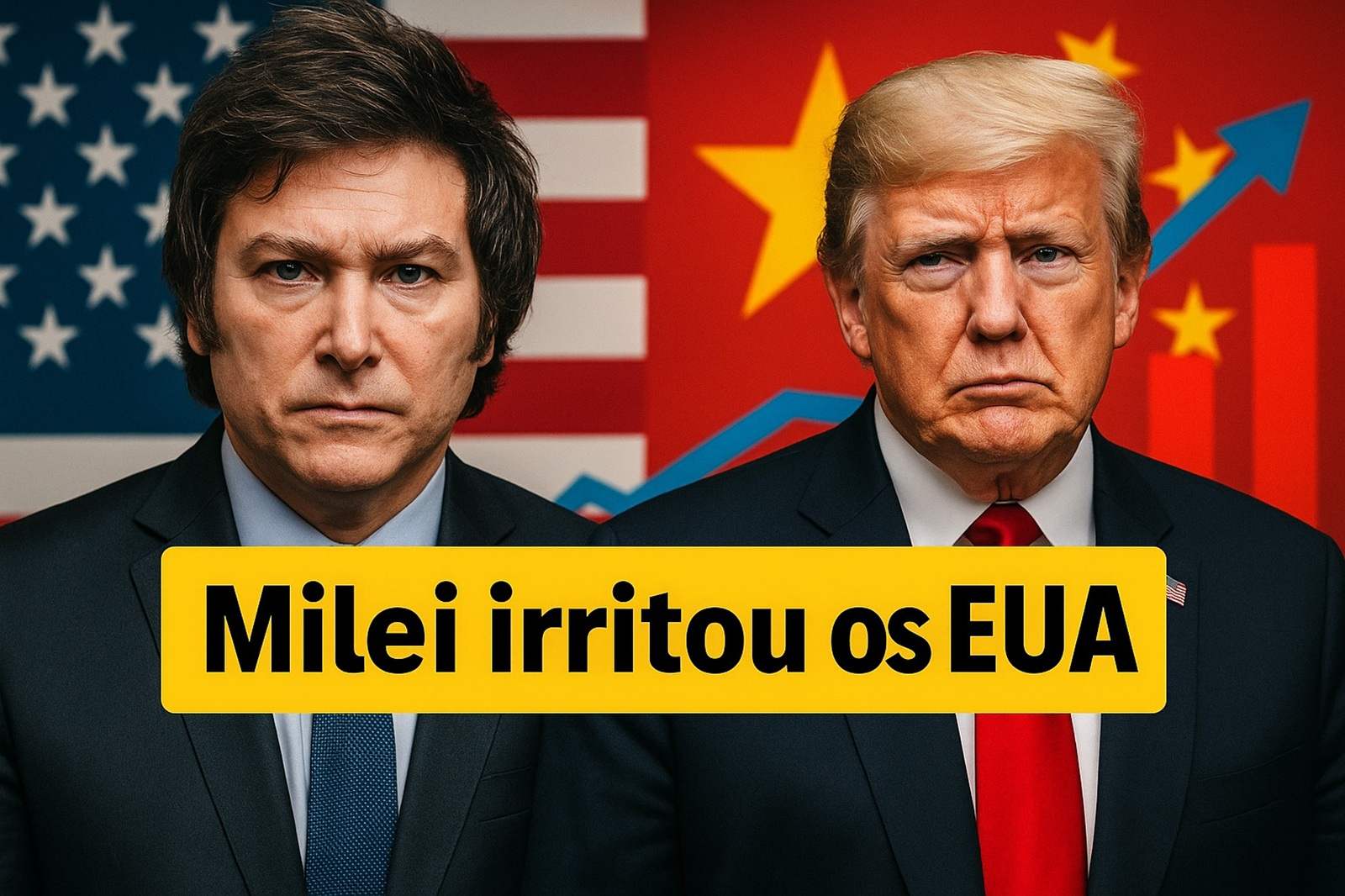
Argentina Takes Advantage of Tariff Suspension, Sells Record Amounts of Soy to China, and Leaves U.S. Farmers Under Growing Political Pressure.
Argentina registered its highest volume of soybean orders in seven years this month. Chinese importers bought millions of tons of the grain during a brief suspension of export tariffs, securing more than half of their immediate needs directly from South America.
The move strengthened Buenos Aires’ position in the global market and generated friction in Washington, where concerns about President Javier Milei’s close ties with Beijing are growing.
Reactions in Washington
The negotiations took on a political dimension following an episode during the UN General Assembly in New York. A photographer captured U.S. Treasury Secretary Scott Bessent reading a message about the transactions. The image received considerable attention in the Argentine press.
-
A new law being voted on in Brazil proposes a minimum fare of R$ 10 per trip and R$ 2.50 per kilometer for Uber and 99 drivers, and promises to ensure they earn as well as taxi drivers did during the golden age of taxis in the country.

-
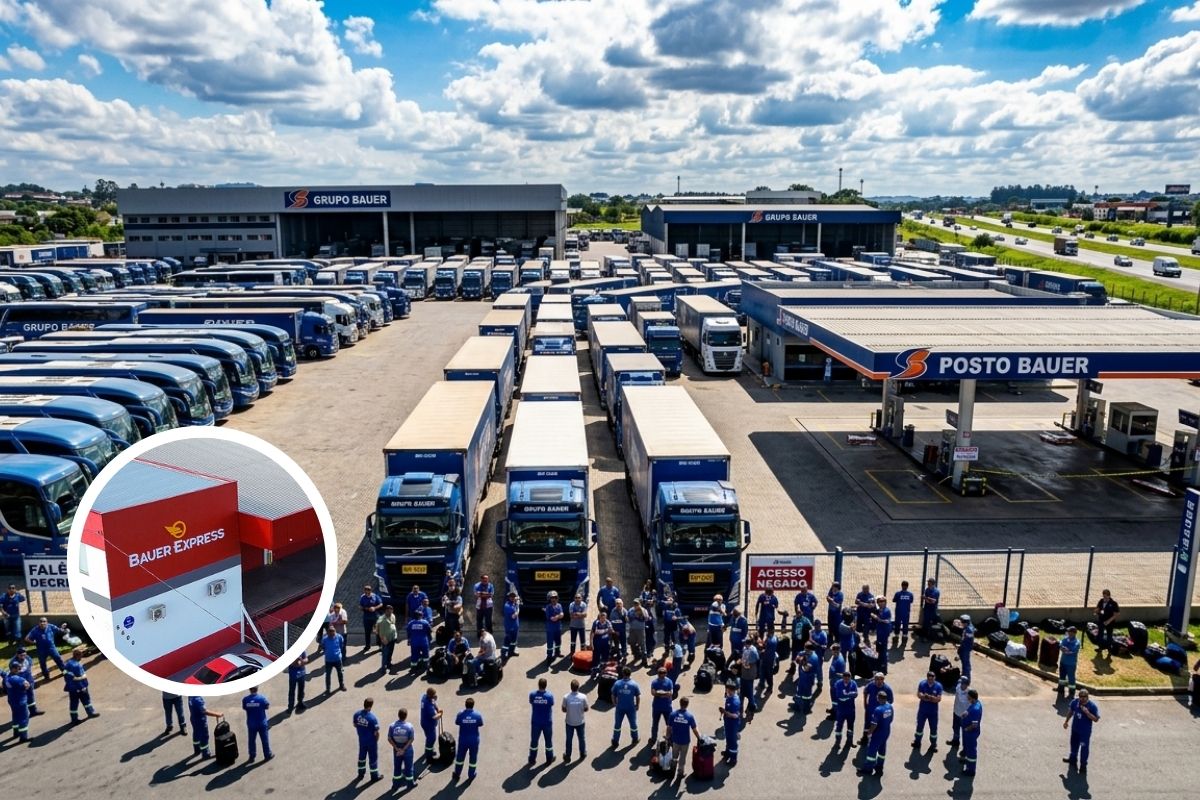
Bauer Group collapses after failed judicial recovery: 25 years, 800 vehicles, and a network of gas stations leave a debt of R$ 50 million and 100 layoffs, exposing costs, tight margins, and expensive credit in Brazil.
-
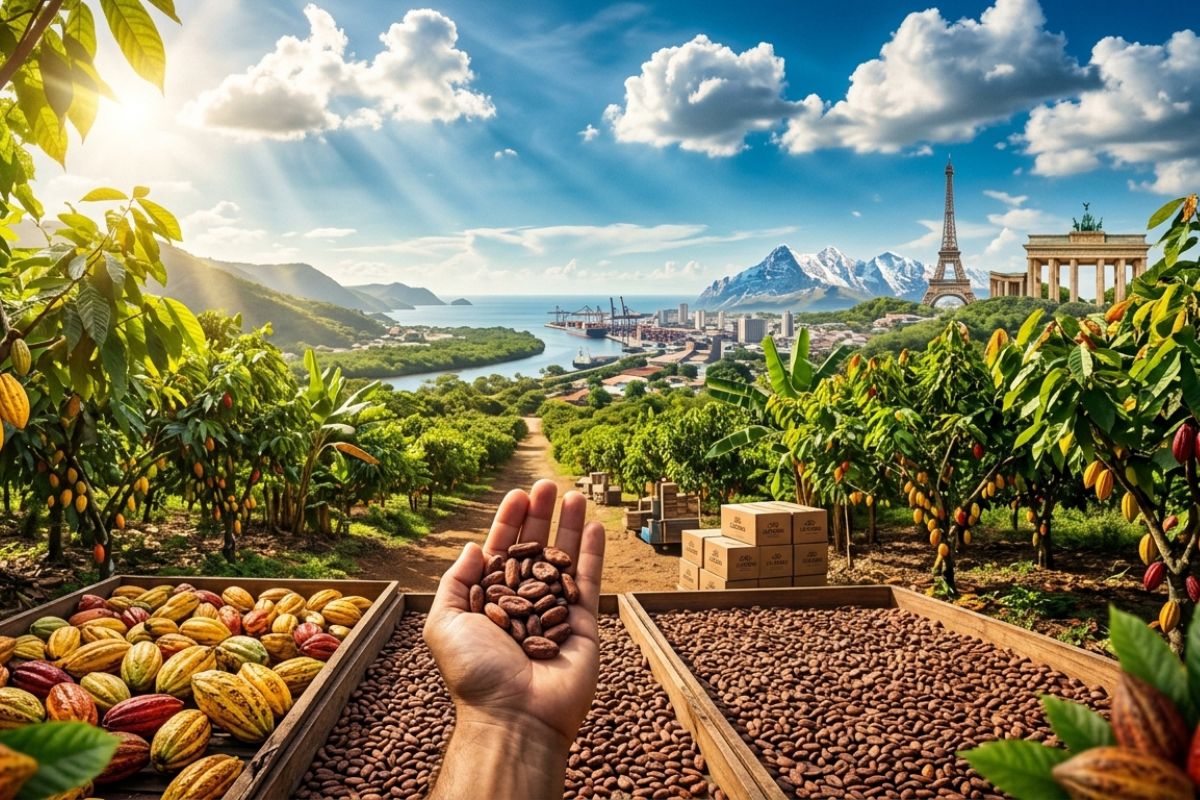
Premium Brazilian brand born during the pandemic brings fine cocoa from Bahia to Switzerland, Germany, and France, has won 9 awards, and claims to have the 2nd best milk chocolate in the world: meet Luz Cacau.
-
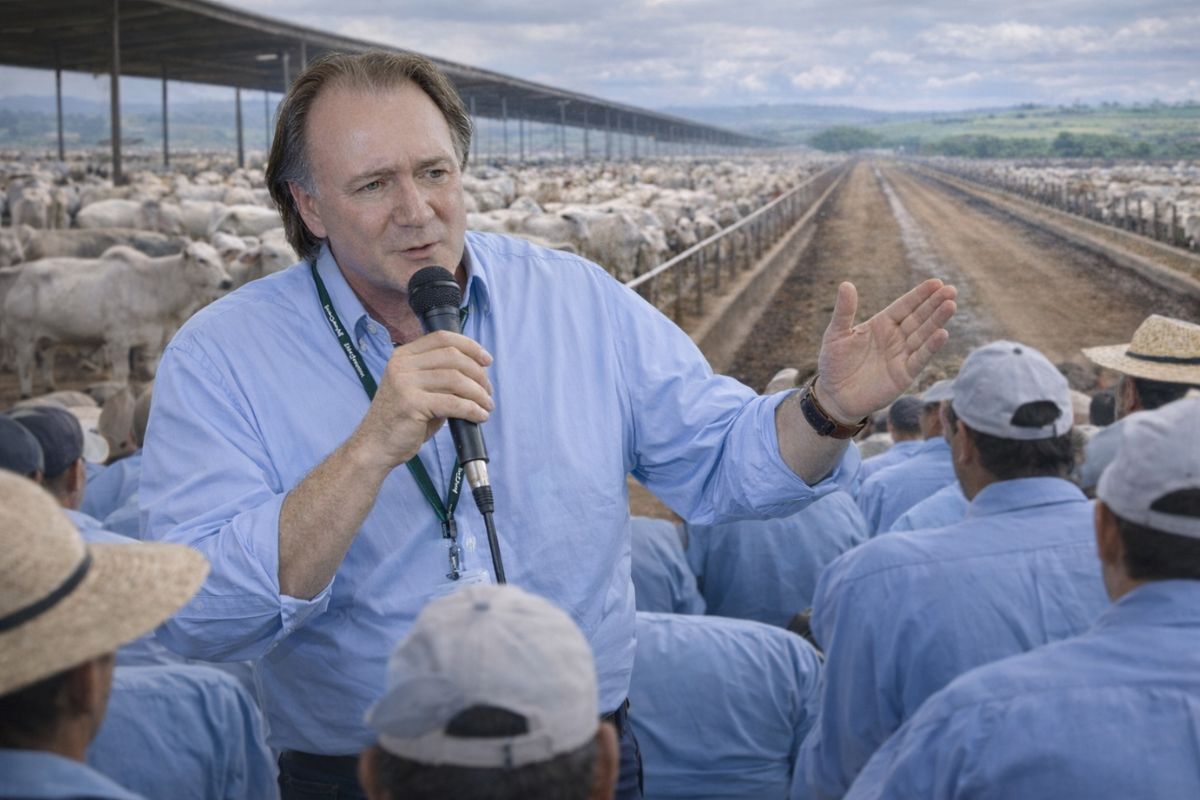
Júnior Friboi has just purchased one of the largest feedlots in all of Brazil, located in Goiás, with the capacity to produce 180,000 cattle per year, and the manager has already come forward to reassure employees about layoffs.

The message, signed “BR” and attributed to Agriculture Secretary Brooke Rollins, echoed the frustrations of Iowa grain broker Ben Scholl, who criticized Washington’s financial support to Buenos Aires.
“We rescued Argentina yesterday, and in return, the country removed the export tariffs on grains, lowering the price to China just when we would normally be selling to them,” the text read.
China Pressures American Farmers
The Chinese offensive on soybean purchases from South America took place while President Donald Trump set a November 10 deadline for a trade deal with Beijing.
The tariff strategy, launched earlier this year, aimed to pressure China into accepting terms favorable to the United States.
However, six months after the so-called “Day of Liberation” of the tariffs, American farmers are facing significant losses. Since May, China has not been purchasing soybeans from the U.S., according to the American Soybean Association. Instead, Beijing has consolidated contracts with Brazil and Argentina, leaving U.S. producers without a market.
Impacts and Parallels
The shift mirrors the scenario from Trump’s first term, when the tariff war caused U.S. soybean exports to plummet from US$ 14 billion in 2016 to just US$ 3.1 billion in 2018.
Now, the new wave of Chinese purchases in South America heightens fears that American agriculture will continue to lose ground in one of its most traditional markets, while simultaneously exposing the direct consequences of the trade dispute between Washington and Beijing.






-

-

-

-

7 pessoas reagiram a isso.