





 Portuguese
  English
  Spanish
  6 min of reading
  1 comment


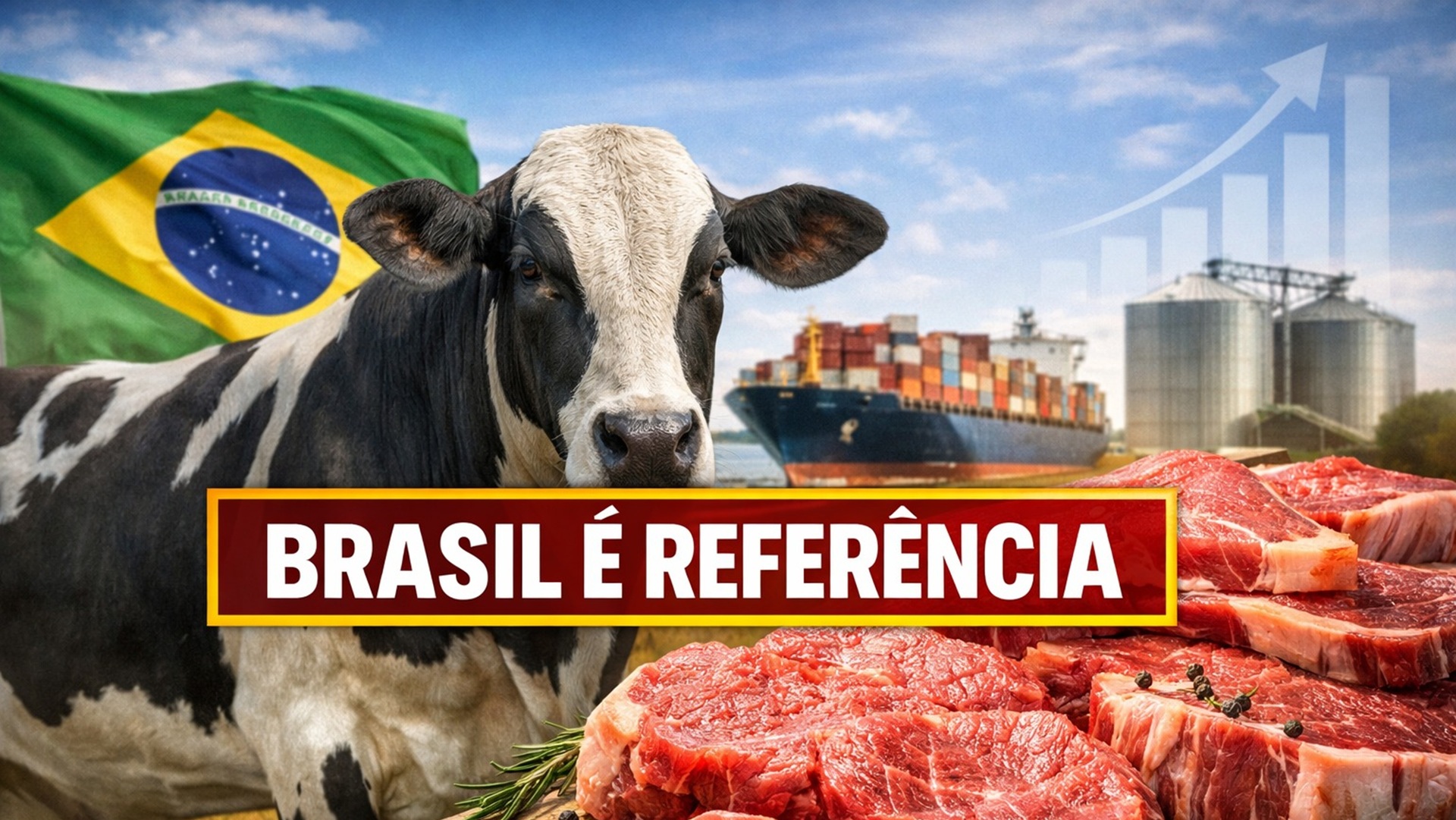


Debate On Argentine Television Program Analyzes USDA Data, Acknowledges That Brazil Surpassed The United States In Beef Production In 2025, Highlights Advances In Genetics In The Brazilian Herd, Diversification Of Exports And Links The Historic Turnaround To The Cattle Crisis In The US, Meat Inflation, And Recent Trade Pressures
The confirmation that Brazil became, in 2025, the largest beef producer in the world gained strong repercussions in Argentina and was the subject of debate in a television program in the country. During the analysis, commentators highlighted that Brazil’s leadership, confirmed by international official data, represents a historic turnaround in the global agricultural sector and alters the traditional balance among major meat producers.
On the program aired by Canal 26, the hosts stated that there is no doubt about the dimension achieved by Brazil in agricultural production and, in particular, in beef production.
The show emphasized that the country was already the world’s largest exporter and is now also taking the lead in total volume produced, surpassing the United States after decades of American leadership.
-
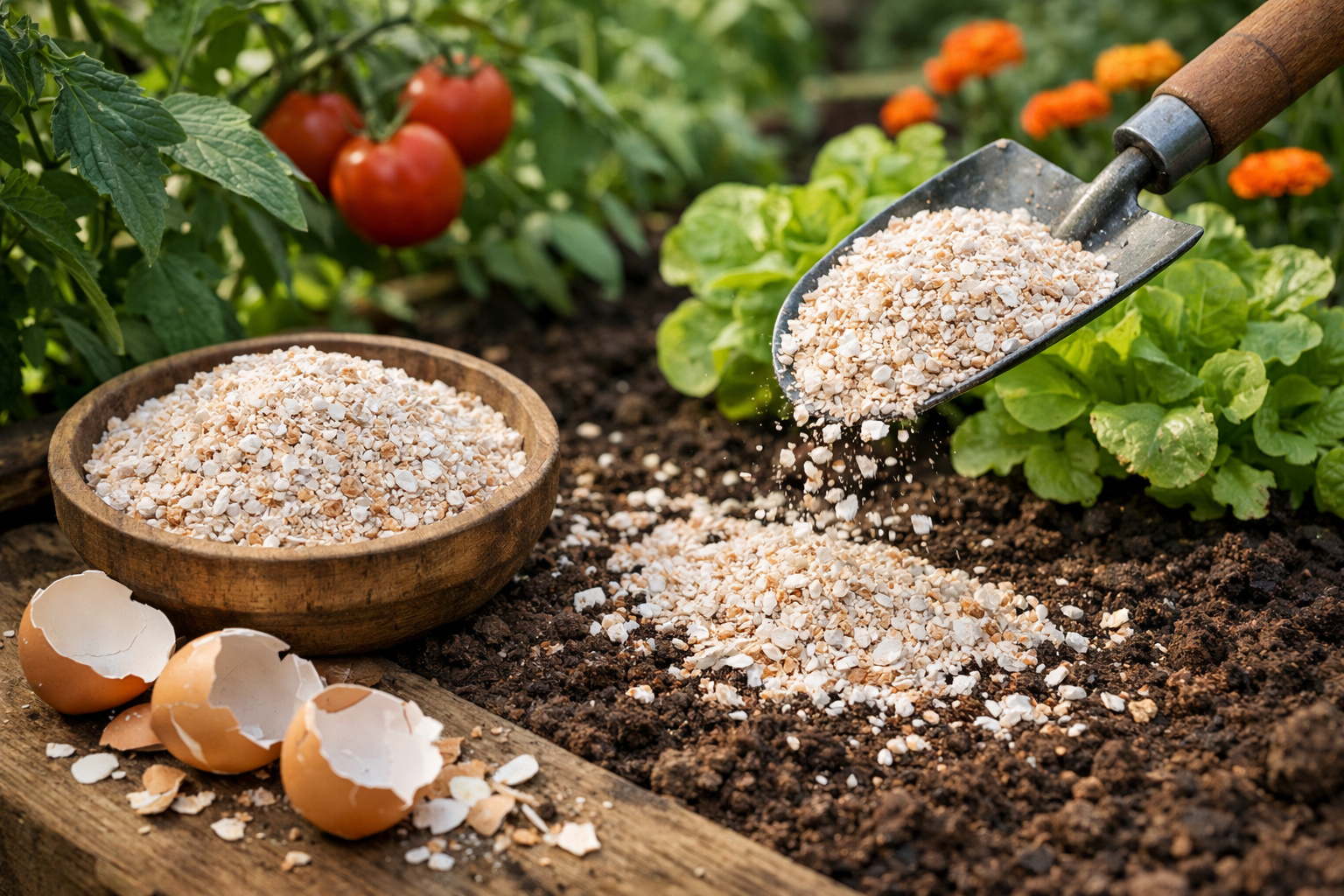
The eggshell that almost everyone throws away is made up of about 95% calcium carbonate and can help enrich the soil when crushed, slowly releasing nutrients and being reused in home gardens and vegetable patches.
-
This farm in the United States does not use sunlight, does not use soil, and produces 500 times more food per square meter than traditional agriculture: the secret lies in 42,000 LEDs, hydroponics, and a system that recycles even the heat from the lamps.

-
The water that almost everyone throws away after cooking potatoes carries nutrients released during the preparation and can be reused to help in the development of plants when used correctly at the base of gardens and pots, at no additional cost and without changing the routine.

-
The sea water temperature rose from 28 to 34 degrees in Santa Catarina and killed up to 90% of the oysters: producers who planted over 1 million seeds lost practically everything and say that if it happens again, production is doomed to end.


The discussion was based on numbers released by the United States Department of Agriculture, indicating Brazilian beef production of 12.35 million tons in 2025, compared to 11.81 million tons from the US, considering the weight of the slaughtered animal. For the Argentine commentators, this data confirms a trend that has been developing in recent years and that is now consolidating in an unequivocal manner.
Historic Surprise And Change In Status
During the program, the analysts recalled that, for at least eight consecutive years, the United States maintained production above 12 million tons annually, comfortably occupying the top of the world ranking. The slight American decline in 2025, although considered minor in absolute terms, was enough to allow Brazil to take the lead.
The hosts highlighted that, until a few years ago, the difference between the two countries was significant. In 2023, for example, the US produced between 2.3 million and 2.5 million tons more than Brazil, a nearly 20% advantage. The reversal of this situation in such a short time was described on the program as “incredible” and indicative of deep transformations in the sector.
According to the analysis presented, the change occurred more due to the decline in American production than by explosive Brazilian growth in a single year. Still, the commentators emphasized that Brazil has been consistently increasing its production at a rapid pace, while the US faces structural difficulties.
Quality Of Brazilian Beef Under Discussion
One of the central points of the debate on Canal 26 was the evolution of the quality of beef produced in Brazil. The commentators stated that, historically, Brazilian beef was seen as inferior to Argentine beef in terms of standard and tenderness, due to the predominant breeds and production systems.
According to the program, this scenario has changed significantly in recent years. The incorporation of genetics from Argentina and Paraguay, countries recognized for the quality of their herds, is believed to have contributed to raising the standard of Brazilian beef. The analysts stated that this “genetic penetration” has substantially improved Brazil’s cattle, bringing the quality of the product closer to what is traditionally associated with Argentine beef.
During the conversation, breeds of European origin widely used in the region, such as Angus, Hereford, Shorthorn, and Brangus, were mentioned. The commentators noted that nearly all major cattle breeds have European origins and that Brazil has managed to combine this genetics with productive scale and market access.
For the debaters, the outcome is a product that can now be compared, in quality, to that of Argentina, something that, according to them, “had not happened for years.” This evolution was pointed out as a key factor for the expansion of Brazilian exports and for consolidating the country as a global leader.
Exports, Scale, And Country Strategy
Another aspect emphasized in the Argentine program was Brazil’s ability to gain international markets. The commentators pointed out that the country not only produces large volumes but also knows how to structure an efficient export strategy, with continuous growth in external sales.
According to the analysis, this performance is a result of a combination of public policies, private sector organization, and long-term strategic vision. Strengthening exports is believed to have provided producers with a solid profitability base, allowing for constant reinvestments in genetics, management, and technology.
The hosts stated that this “virtuous circle” differentiates Brazil from other major producers and explains why the country has managed to advance even in a global scenario marked by volatility and trade tensions.
US Decline And Political Impact
In contrast, the program detailed the problems faced by the United States. The decline in American production was attributed to a “huge problem,” characterized by a historic reduction in the herd, caused by years of drought, rising feed costs, and sanitary restrictions.
The commentators linked this scenario to the increase in beef prices in the US domestic market, which generated complaints from consumers and political pressure on the government.
In this context, President Donald Trump reportedly began to pay closer attention to beef imports, including those from Brazil and Argentina.
During the program, it was mentioned that Trump pressured American producers to reduce prices while also signaling greater openness to imports. For the Argentine analysts, this stance illustrates how the decline in domestic production in the US had direct effects on the country’s trade policy.
Tariffs And Brazil’s Repositioning
The show also discussed the impact of tariffs imposed by the US on imported beef. Brazil, the largest external supplier of the product to the American industry, faced elevated tariffs, which led to a temporary reduction in sales after a strong initial growth.
Nevertheless, according to the commentators, Brazil managed to overcome these difficulties by diversifying destinations and expanding its presence in other markets. This movement was seen as proof of the maturity of the Brazilian export sector and its ability to adapt to adverse scenarios.
2026: Balance At The Top
At the end of the debate, Canal 26 highlighted USDA projections for 2026, indicating a scenario of near tie between Brazil and the United States. According to the department, Brazil is expected to produce 11.7 million tons, while the US would reach 11.71 million tons next year.
For the commentators, this suggests that Brazilian growth may slightly decelerate, while the US will attempt to recover, if they manage to rebuild part of the herd. Nevertheless, the fact that Brazil achieved and maintained the top position, even if temporarily, was regarded as a historic milestone.
Argentine View On The New Leader
The repercussions on the Argentine program made it clear that Brazil’s rise is being watched closely in the region. By acknowledging the evolution of Brazilian beef quality and the strength of its production, the commentators also highlighted the importance of genetics and the shared cattle ranching tradition among the countries of the Southern Cone.
For Canal 26, the new global ranking represents not just a numerical dispute, but a repositioning of Brazil as a complete agricultural power, capable of combining volume, quality, and commercial strategy. The analysis concluded that, regardless of what happens in 2026, Brazilian leadership in 2025 has already made its mark in the history of global beef production.









Com produção tão elevada, daria para diminuir o preço da carne, aqui no Brasil?