





 Portuguese
  English
  Spanish
  5 min of reading
  1 comment


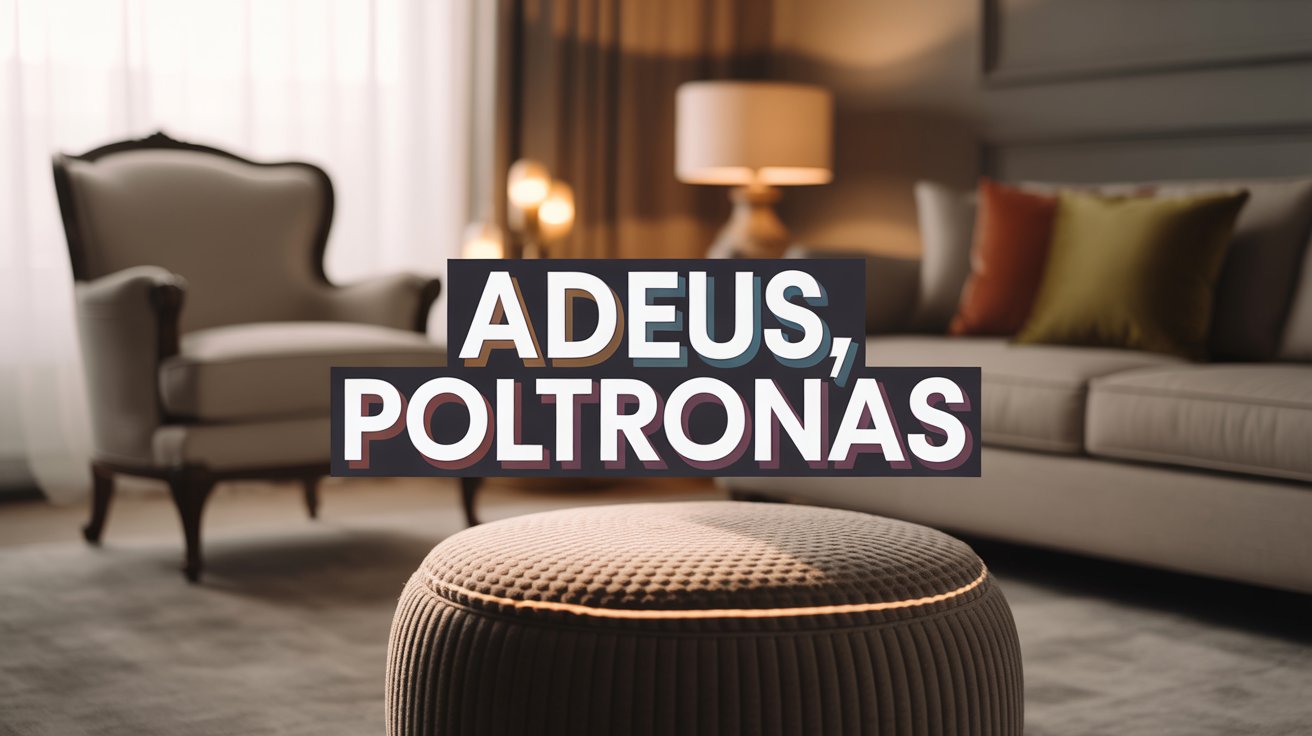


A New Preference in Decoration Has Reduced the Space of Traditional Armchairs and Increased the Use of Poufs, Which Stand Out for Their Practicality, Modern Look, and Ability to Transform the Environment Simply.
The living room, traditionally associated with bulky armchairs and the main sofa, has been undergoing a silent transformation.
In many homes, these classic pieces are starting to lose space to more compact and versatile items, such as the pouf, which takes center stage by offering comfort, functionality, and a touch of charm to the decor.
More than just a simple complement, the pouf has taken on the role of a joker in the composition of the space.
-
With over 14 million baskets of earth moved, an ancient North American metropolis built a monumental pyramid of 30 meters and established a city with 20,000 inhabitants nearly a thousand years ago.

-
A 1,900-year-old treasure emerges from a Roman house destroyed by fire and sealed since antiquity in Romania, with coins and metals fused among the ashes.

-
The Brazilian colonial city that stopped in time and shares territory with a rocket launch base.

-
79-year-old woman challenges limits, visits 193 countries in the world after 56 years of planning and reveals the behind-the-scenes of a global journey that few have managed to accomplish.


It serves as an extra seat, a footrest after a tiring day, and in many situations, replaces the coffee table in more casual setups.
As a result, the living room becomes more flexible and adaptable to current routines, where the same space needs to serve for relaxing, working, entertaining guests, and even playing with children.
The New Logic of the Living Room
With smaller apartments and a growing demand for multifunctional spaces, the idea of a living room filled with large, difficult-to-move furniture is losing traction.
The priority becomes optimizing the usable area, without sacrificing the feeling of coziness.

In this context, the pouf stands out because it occupies little space and can be easily moved.
While a traditional armchair requires open space around it and tends to have a nearly fixed position, the pouf fits into various corners of the room, beside the sofa, near the window, or next to bookshelves, adapting to layout changes as needed.
Poufs in Place of Armchairs
The gradual replacement of armchairs with poufs does not mean a loss of comfort, but a change in approach.
Instead of a single robust piece to accommodate one person, a more discreet element comes into play, which can be used by someone sitting on the sofa, by an unexpected guest, or simply as support, without visually weighing down the decor.
The compact size is one of the main advantages.
A round or square pouf fits into spaces where an armchair would never be considered, such as beside narrow side tables or in passages between integrated areas.
In some decor proposals, more than one pouf is used together, forming a composition that can be separated or joined as needed.
In homes with limited circulation space, there are models that can be stored under countertops, side tables, or even under the sofa itself, freeing up space when not in use.
Stackable versions help those needing to accommodate more people only at certain times, such as family gatherings or visits from friends.
Design, Materials, and Visual Appeal

Unlike the old image linked to informal “bean bag” chairs, modern poufs present a refined design and appear in various style proposals, from minimalist to boho, contemporary to classic.
Structured models with a firm base coexist with softer versions designed for those who want to sit comfortably close to the floor.
Materials like velvet enhance the feeling of comfort and can create a splash of color in the room, especially in neutral settings.
Poufs made of crochet or knitting add texture and an artisanal aspect that values handmade items, bringing the decor closer to a more affectionate aesthetic.
Solid fabrics in sober shades help the pouf integrate with the rest of the furniture without drawing too much attention.
With the right choice of color, shape, and material, the pouf ceases to be just a complement and becomes a distinctive piece.
In some proposals, it replaces the traditional coffee table: just add a rigid tray on top to support books, glasses, or small decorative items.
Versatility Beyond the Living Room
Although the living room is the most common setting, the use of poufs spreads across different rooms.
In bedrooms, they can serve as foot support for the bed, as a spot to put on shoes, or to temporarily hold clothes.
In children’s rooms, they function both as seating and as part of the play area, as they are light and can be easily moved by children.
In the kitchen or in integrated areas with a countertop, some models serve as a bench for quick meals.
In spacious bathrooms or closets, small poufs can be used as support while getting ready or as an auxiliary surface for towels and objects, as long as the material is suitable for the environment.
This ability to transition through various rooms reinforces the perception that the pouf is a versatile piece of furniture, capable of replacing larger items in different configurations without compromising comfort and maintaining the visual charm of the home.
Practicality in Cleaning and Maintenance

Another advantage associated with poufs is the ease of maintenance.
Many models feature removable covers, allowing the fabric to be washed according to the manufacturer’s instructions and prolonging the product’s lifespan.
On a day-to-day basis, a damp cloth with mild soap is usually sufficient to remove small stains or surface dirt.
Additionally, being smaller and lighter than armchairs, poufs make it easier to clean the floor.
It is simple to move them to sweep or mop, which helps keep the living room organized and free of dust accumulation in hard-to-reach corners.
Customization and Homemade Poufs
For those who enjoy handicrafts, poufs can also be an opportunity for personalization.
It is possible to make the piece with yarn, wool, or preferred fabrics, as long as there is an appropriate structure to ensure stability.
The filling can be made with foam, filling flakes, or even old clothes and fabrics, as long as they are arranged evenly.
This type of project allows for the creation of a piece of furniture aligned with the home’s color palette, the style of other objects, and specific usage needs.
This personalization reinforces the unique character of the environment and makes the pouf an element that combines practicality and visual identity.







Em breve o futuro será banqueta dobrável pra receber visitas. Absurdo mas é a realidade com apartamentos cada vez mais apertados e com a gourmetização do “minimalismo”. Me poupe!