





 Portuguese
  English
  Spanish
  3 min of reading
  1 comment





Central Bank Starts In Mid-2024 The Retrieval Of Banknotes From The First Family Of The Real From 1994; Notes Of R$ 50 And R$ 100 With Series AA0211 Already Exceed R$ 5 Thousand In The Collector Market
The rare banknotes of the real gain prominence with the advancement of the retrieval of notes from the first family of the real, launched in 1994. Since mid-2024, the Central Bank is replacing these specimens, which are still valid for payment but have already surpassed R$ 5 thousand among collectors.
The process carried out by the Central Bank marks the gradual withdrawal of the banknotes issued during the implementation of the Real Plan.
Outside of everyday commerce, the decrease in circulation has boosted interest in rare banknotes of the real, traded for values far exceeding the printed ones.
-
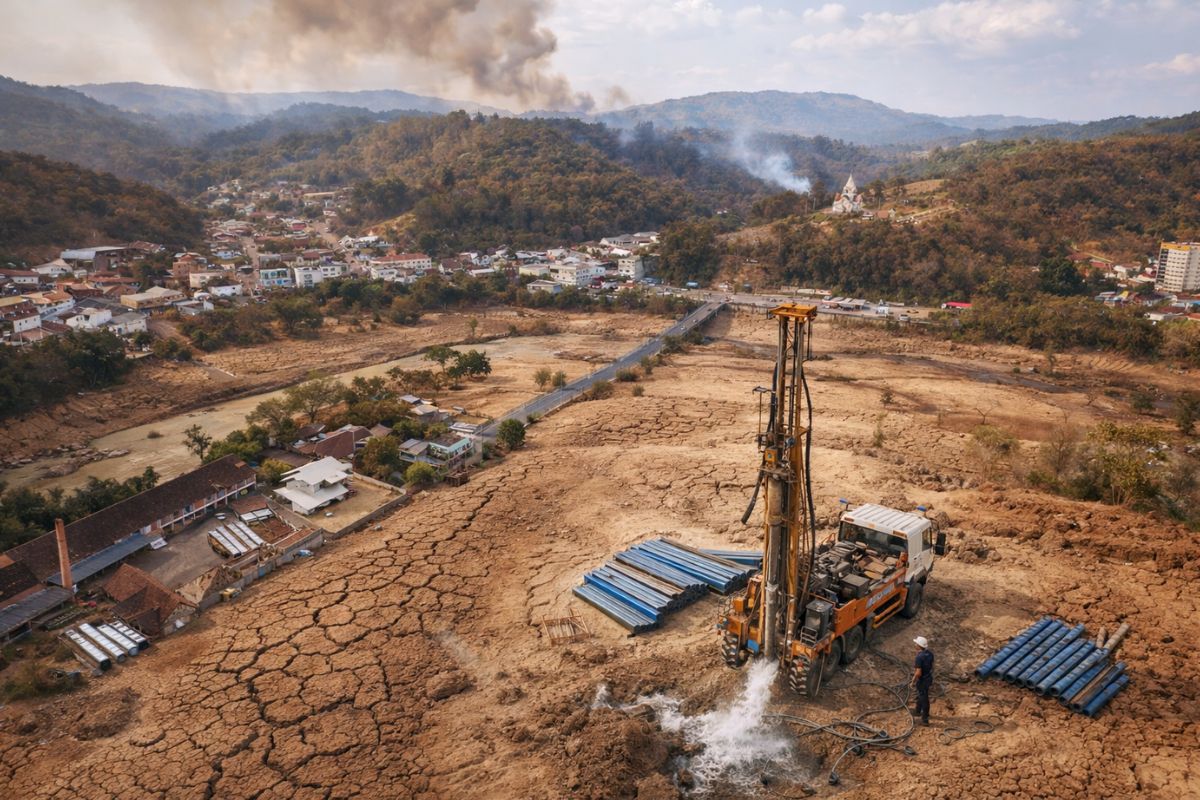
The city of Santa Catarina is experiencing a historic drought that has lasted four months, destroying livelihoods, drying up water sources, and leaving entire families without supply. The city hall has declared a state of emergency and has begun drilling artesian wells to survive.
-
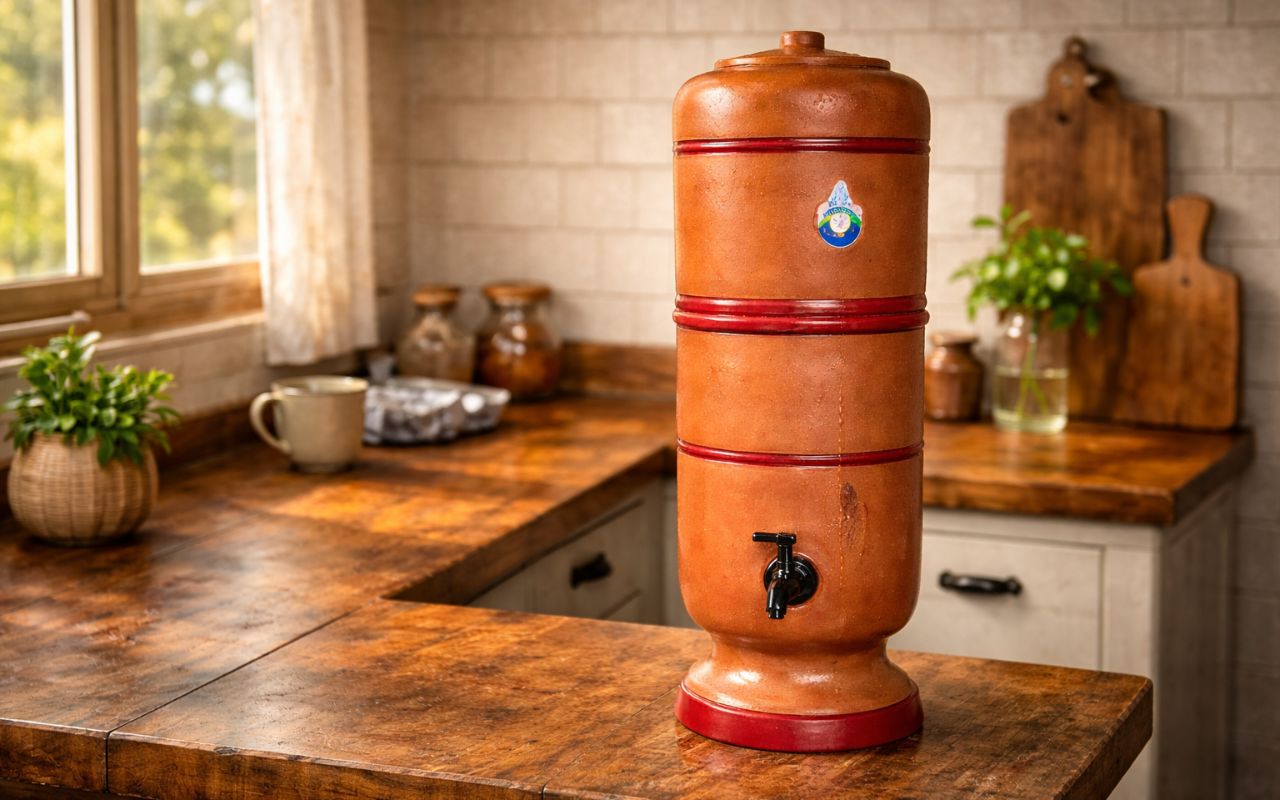
The clay filter dominated Brazilian kitchens, but today it is forgotten! Even without electricity, it ensured fresh water and was one of the simplest ways to purify water.
-
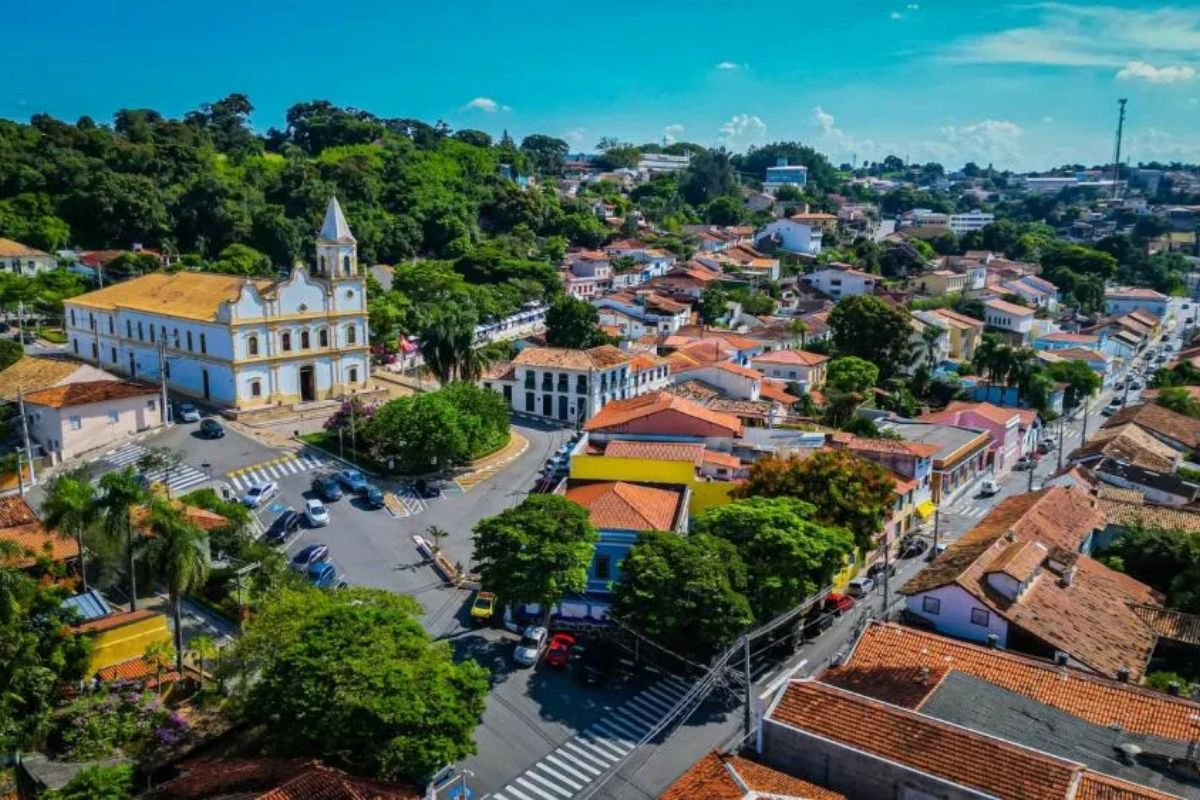
Founded in 1580, just 35 kilometers from São Paulo, this city has almost zero crime, over 200 preserved colonial buildings, and is considered the safest in Brazil among municipalities with more than 100,000 inhabitants.
-
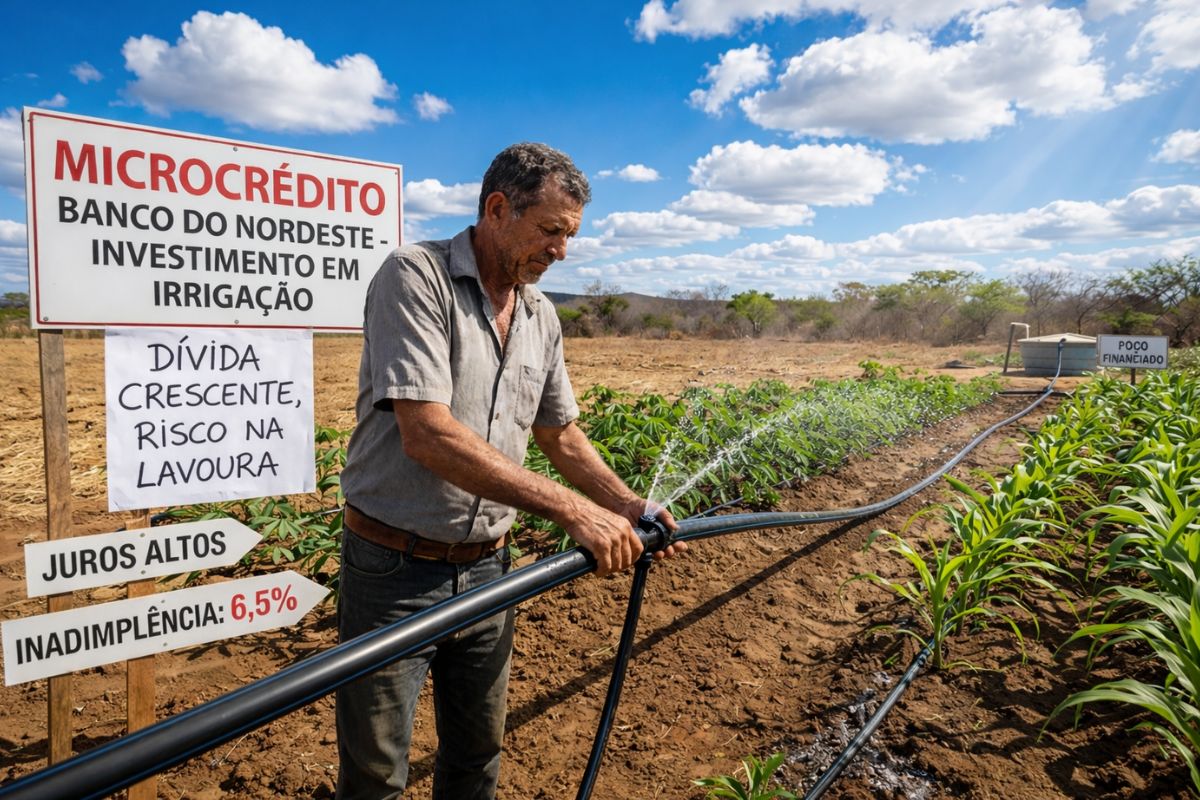
A groundbreaking study in the U.S. gave $750 a month to homeless individuals to spend as they wished. The results surprised researchers because the money did not get anyone off the streets, but it changed these people’s lives in an unexpected way.


Retrieval Began In 2024
The retrieval began in mid-2024. The measure aims to renew the money in circulation, incorporating banknotes that have more security features.
The notes from the first family of the real are identified by their standardized size and the original design from 1994. This model is different from the one adopted starting in 2010.
They remain valid as a means of payment. They stop circulating when processed through a bank teller and are sent to the Central Bank, which replaces them with newer versions.
The banknotes of R$ 1, R$ 2, R$ 5, R$ 10, R$ 20, R$ 50, and R$ 100 are in the replacement process. R$ 1 notes have already become extremely rare in commerce.
Anyone still holding these specimens does not need to go to a branch just to exchange them. The banknotes remain normally accepted or can be deposited, entering the retrieval flow of the financial system.
Market Of Rare Banknotes Of The Real Records Values Above R$ 5 Thousand
Among numismatists, several notes from this first family already far exceed their face value. The reduction in supply contributes to the appreciation in the specialized market.
A R$ 50 replacement note, with serial number AA0211, is traded for around R$ 4 thousand. The R$ 100 note with the same serial number AA0211 can reach approximately R$ 5 thousand.
These values demonstrate how scarcity outside the commercial circuit directly impacts the price of rare banknotes of the real, especially when associated with specific series.
R$ 10 Note In Polymer Launched In 2000 Is Among The Most Sought After
Another relevant case involves the R$ 10 note produced in polymer. It was launched by the Central Bank in 2000 to mark the 500 years of the Discovery of Brazil.
The experience was not continued. Logistical difficulties and high costs prevented the definitive adoption of the material, turning the banknote into a sought-after item in the collector market.
Currently, a specimen with serial number AD0211 and an image of Pedro Álvares Cabral is listed for around R$ 1,500.
Specific Series Increase Price Even In Conventional Versions
Even among traditional R$ 10 versions, there is strong appreciation. A note from the first family, with a replacement serial number *0002, is being traded for approximately R$ 2 thousand.
The movement occurs alongside the replacement process conducted by the Central Bank, which is gradually removing these banknotes from everyday use.
With the progressive reduction of circulation and the maintenance of validity as a means of payment, the market for rare banknotes of the real consolidates as a direct reflection of the retrieval initiated in 2024, reinforcing the search for specific specimens and limited series in the financial system.
With information from Money Times.







E cadê a de 200? Aquela criada pra facilitar a lavagem e a compra de imóveis com dindin em espécie? Alguém já viu?