





 Portuguese
  English
  Spanish
 5 min of reading
  15 comments


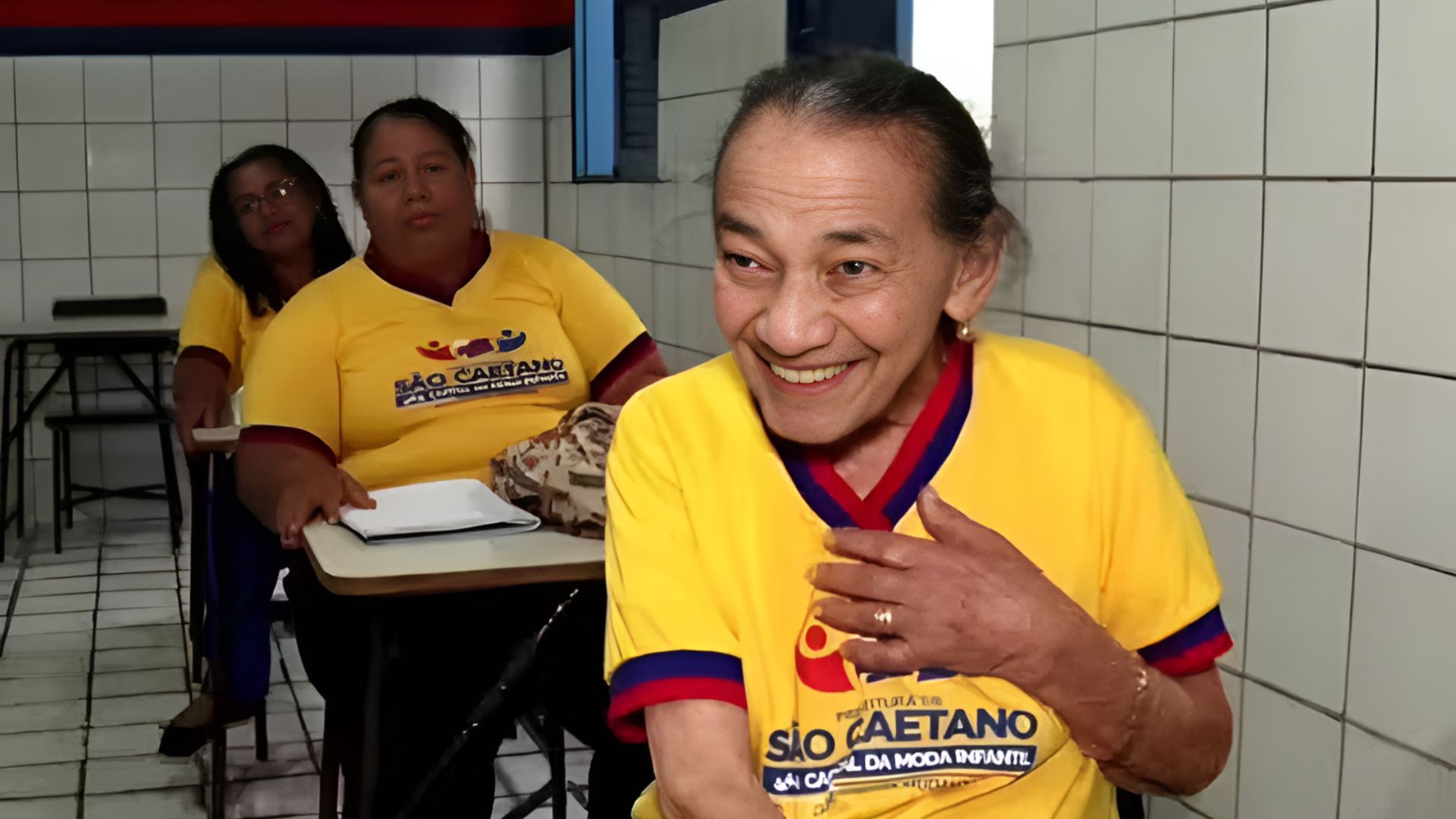


Centenarian from Agreste of Pernambuco Decided to Face Illiteracy and Enrolled in a Youth and Adult Education Class After Decades of Working in the Fields, Moving Colleagues, Teachers, and Family Members Upon Returning to the Classroom.
The retired farmer Maria Joaquina, a resident of the rural area of São Caetano, in the Agreste of Pernambuco, has turned 100 years old and decided to fulfill a dream that had been pending for nearly a century: to learn to read and write.
After a lifetime dedicated to working in the fields and raising her children, she enrolled in a municipal school, joined a Youth and Adult Education (EJA) class, overcame illiteracy, and became a role model in the city, featured in regional TV and radio reports.
According to reports from outlets like CBN Caruaru, Maria Joaquina celebrated her centenary in September 2023, already having been enrolled for about three years in an EJA class at a municipal school in São Caetano.
-
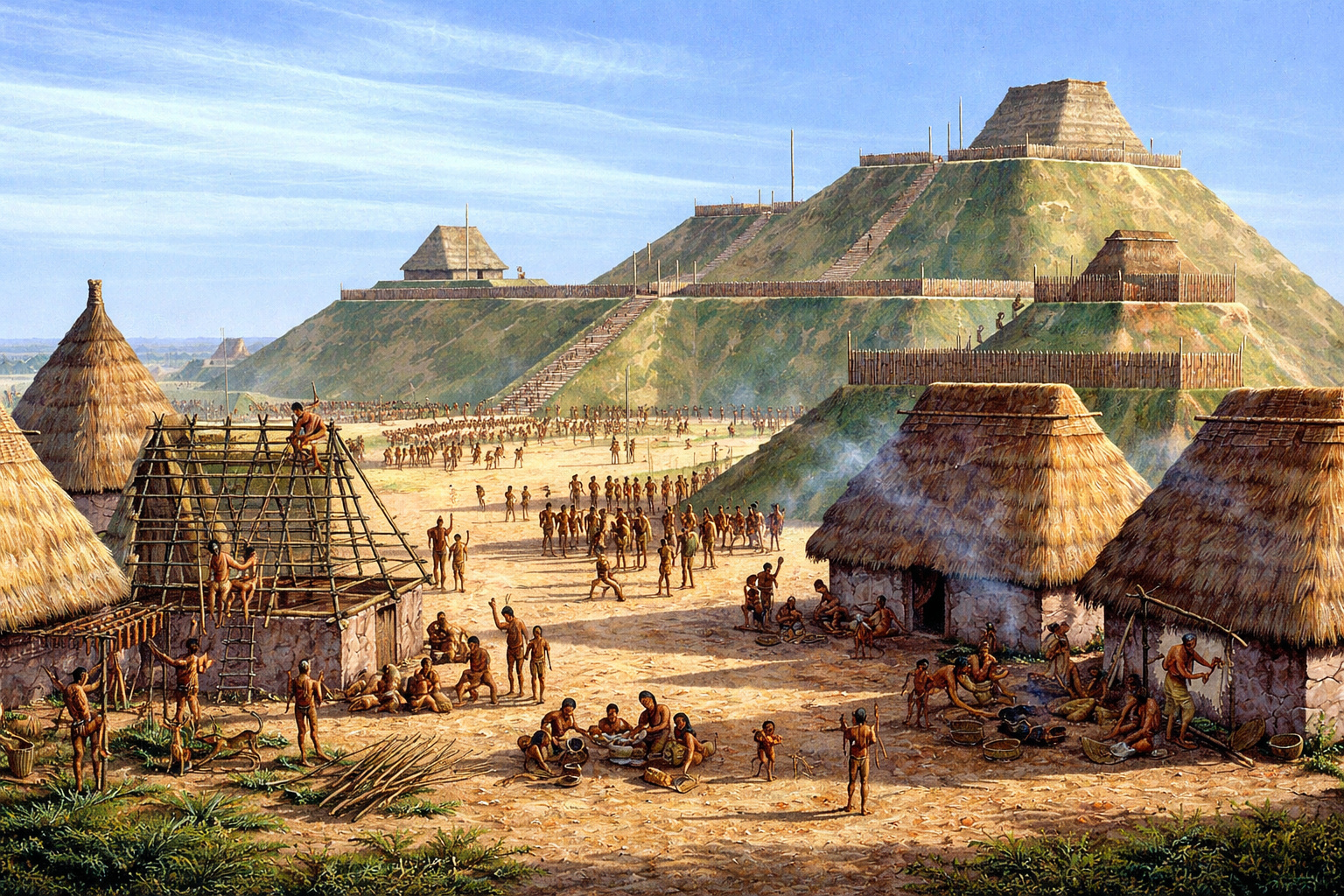
With over 14 million baskets of earth moved, an ancient North American metropolis built a monumental pyramid of 30 meters and established a city with 20,000 inhabitants nearly a thousand years ago.
-
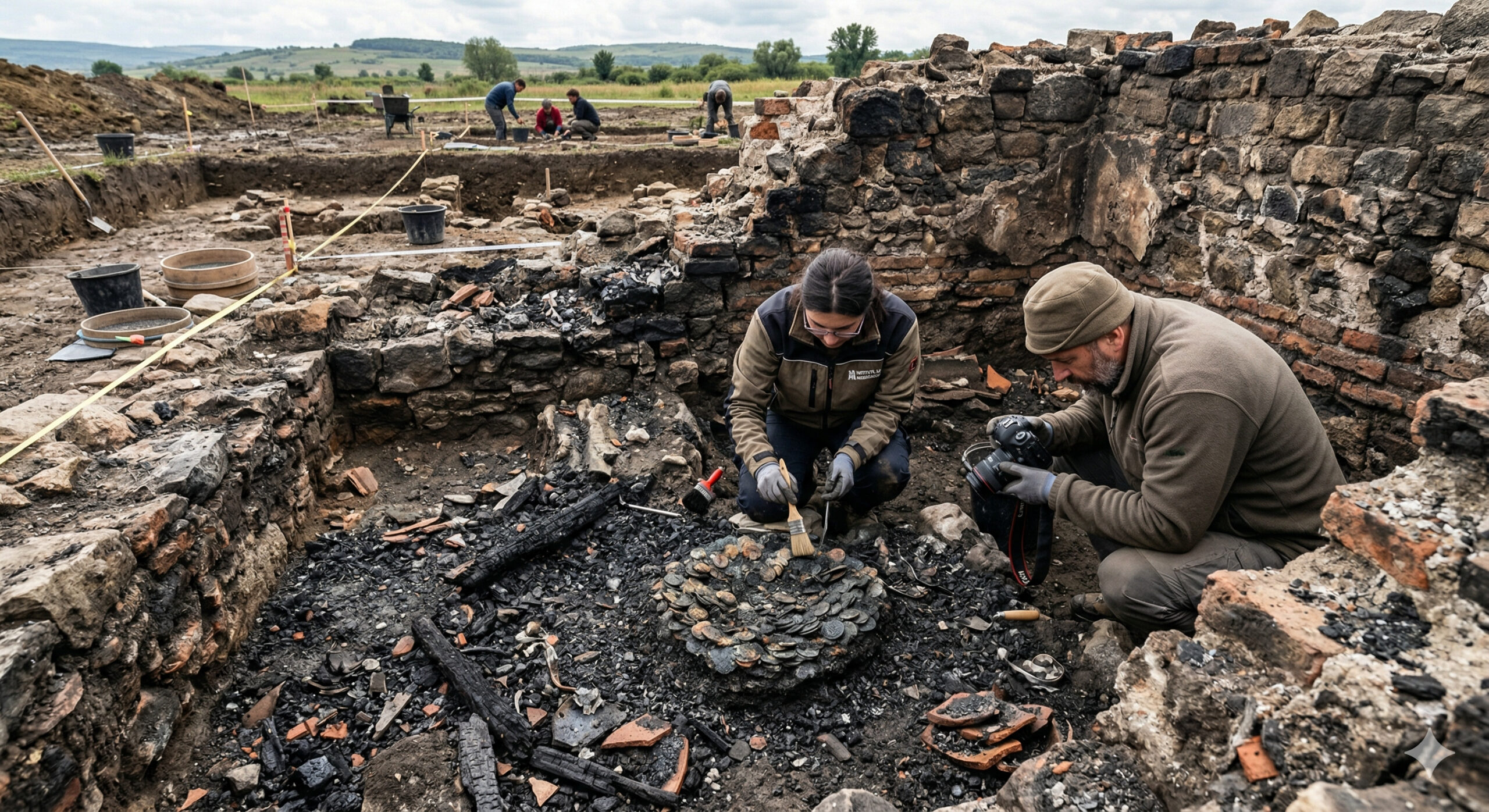
A 1,900-year-old treasure emerges from a Roman house destroyed by fire and sealed since antiquity in Romania, with coins and metals fused among the ashes.
-
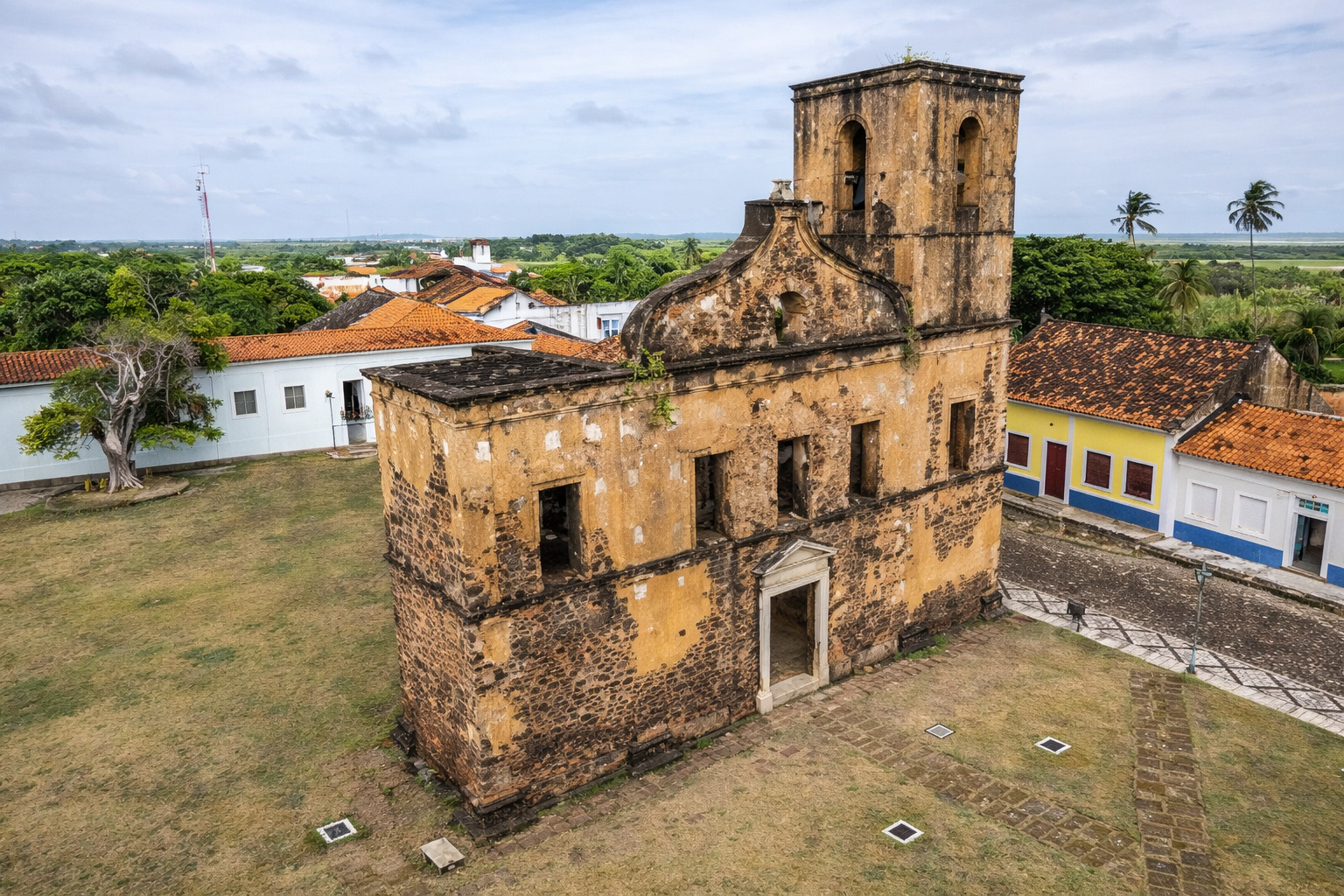
The Brazilian colonial city that stopped in time and shares territory with a rocket launch base.
-
79-year-old woman challenges limits, visits 193 countries in the world after 56 years of planning and reveals the behind-the-scenes of a global journey that few have managed to accomplish.

At 100 years old, she was in the 3rd year of Elementary School, attending classes regularly and receiving support from family and teachers.
Reports indicate that she could already write her own name, form simple words, and perform basic math operations, which she and the educators considered a personal victory against illiteracy.
Childhood Without School and Decades of Working in the Fields

The journey that led to the classroom began in childhood. In interviews reported by local TV stations, Maria Joaquina stated that she started working around the age of 13 to be able to feed herself.
Without access to school, she spent her days performing rural activities in the rural area of São Caetano, cutting wood, clearing fields, picking beans, and digging the land.
The money earned was used to buy basic foods like beiju, flour, and cassava.
She reported that, many times, she prioritized feeding her children and went without enough food herself. This routine extended for decades.
The reports highlight that she had 11 children, of whom seven were alive at the time of the reports, along with dozens of grandchildren, great-grandchildren, and great-great-grandchildren.
During a marital separation, she had to support the large family on her own, accumulating long hours of manual work.
Having been unable to attend school as a child, she remained illiterate for nearly her entire adult life, signing documents with her finger or relying on others to read notes, labels, and notices.
According to information released by CBN Caruaru, Maria Joaquina stopped working in the fields only at the age of 84.
After that, she began to have a more peaceful routine in Vila Santa Luzia, a rural community in São Caetano where she lived. Even retired, she stayed active with household chores and sewing.
It was in this context that literacy, once distant, became a concrete possibility, driven by the availability of spots in EJA in the municipality and the encouragement of family members.
Youth and Adult Education Changes Routine in Agreste
The decision to enroll in school is described by reports as a milestone in the elderly woman’s life.
At nearly 97 years old, she joined the Youth and Adult Education class and began to interact daily with much younger classmates, some old enough to be her grandchildren or great-grandchildren.

Teacher Janiquelly Melo, who appeared in a report by TV Asa Branca reproduced by news portals, stated that the 100-year-old student served as motivation for those considering dropping out of their studies.
Seeing a centenarian dedicated to learning letters and numbers was, according to the educator, a silent reminder that it is never too late to start over. The tributes organized by the school reinforced this symbolic role.
On the day she turned 100, classmates, staff, and teachers gathered in the school yard to sing happy birthday and highlight the perseverance of the oldest student.
The celebration, recorded in video and photos, circulated in local news broadcasts and good news portals, giving regional visibility to the story of Maria Joaquina.
In testimonials, younger classmates stated that her presence in the classroom helped break the notion that studying is something restricted to childhood and youth.
In statements reported by media outlets, Maria Joaquina herself noted that studying became a source of pleasure in her old age.
On those occasions, instead of viewing school as an obligation, she described going to class as something awaited with anticipation.
She even remarked that one must have patience to learn and used a religious expression to reinforce the importance of persistence, associating her return to studies with the faith she carried since childhood.
Illiteracy Among the Elderly in Brazil and the Northeast
The case gains even more prominence when it is placed in the context of national literacy data.
Information from the Brazilian Institute of Geography and Statistics (IBGE) regarding 2022 indicates that, in Brazil, the illiteracy rate is declining among younger people, but remains high among the elderly population.
In 2022, the country had 9.6 million people aged 15 or older who were unable to read or write, and more than half of them were aged 60 or older.
In the Northeast, the region where Maria Joaquina lives, the illiteracy rate among people aged 60 or older exceeded 30%, one of the highest in the country.
These numbers help to measure what it means for a centenarian from Agreste of Pernambuco to break, in practice, a statistic that primarily affects older, low-income individuals.






Sou Professora e é muito emocionante ler uma História assim. Ao mesmo tempo, dói saber que, ainda, temos crianças, adolescentes e jovens fora das escolas. Também me sinto extremamente privilegiada por ter conseguido estudar. A minha mãe parou aos 8 anos para trabalhar. Mas, perto dos 50 anos retornou e completou o Ensino Médio com o curso Técnico de Enfermagem.
Simplesmente maravilhosa.
Essa senhora centenária é um exemplo de vida e para estar com essa saúde toda com mais de 100 anos de vida, deve ter bebido muito leite cabra e também, leite de jega preta durante toda sua infância.