





 Portuguese
  English
  Spanish
  4 min of reading
  20 comments


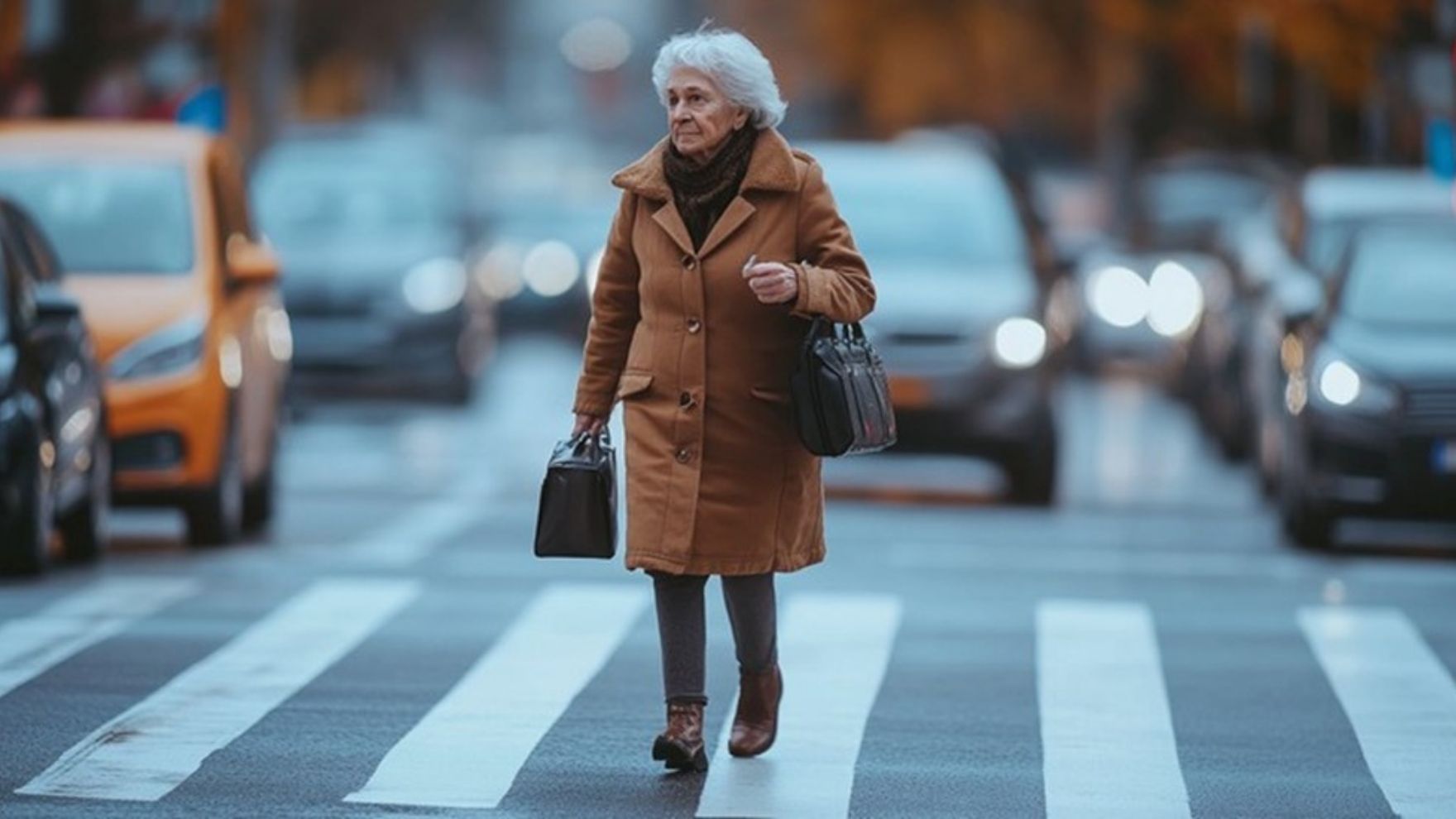


At 102 Years Old, Dona Marie Has Been Living Alone in Manhattan for Over 60 Years and Became a Global Symbol of Solo Aging and Longevity Independence.
On March 6, 2024, the American newspaper The New York Times published a profile that caught attention: the story of Marie C. Wiener, better known as “Dona Marie,” a 102-year-old woman who has lived alone in Manhattan since the 1960s and refuses to leave her apartment. In her statement to the newspaper, she summed up her philosophy of life in a simple yet powerful phrase: “Independence has no age.” The case quickly transcended the personal realm and became a demographic portrait of something larger, the silent rise of people aging alone in megacities.
Dona Marie’s Life and Routine in the Heart of New York City
Dona Marie has occupied the same apartment in Midtown Manhattan for over 60 years. The area, one of the most expensive and densely populated in the United States, has always been her point of reference.
At 102, she manages her own grocery shopping, prepares simple meals, does daily stretches, and maintains a strict routine of reading the newspaper and following the news.
-
He started running at 66 years old, broke records at 82, and is now a subject of study for having a metabolic age comparable to that of a 20-year-old, in a case that is intriguing scientists and inspiring the world.

-
Oldest tree on the planet reappears after 130 years of searches: Wattieza, 385 million years old, was 10 meters tall and had no leaves or seeds; Gilboa fossils in New York solved the mystery in 2007.

-
A 48-square-meter house assembled in hours with 4,000 bricks made of recycled plastic that does not absorb moisture, has natural thermal insulation, and costs less than 90,000 reais in a complete kit.

-
Luciano Hang revealed that Havan’s air fleet has already accumulated more than 20,000 landings, 10,000 flight hours, and 6 million kilometers traveled, and he says that without the planes, the company would never have grown so quickly.


Her view on living alone is not romantic or heroic; it is pragmatic. In her statement to the Times, she said that after decades of working as a secretary and typist, she never imagined “depending on someone to live.” The apartment has become a symbol of autonomy, urban life, and resistance to time.
The Phenomenon of “Solo Dwellers” and the New Demographic Map of Major Cities
Dona Marie’s story gains strength because it is not an isolated case. In major urban centers, especially in Europe, the United States, and Japan, the number of people living alone—especially those over 60—is rising.
In New York City, data from the Department of Urban Planning shows that about 33% of all households consist of a single person, and that “single households” are more common in Manhattan, where the city’s high cost does not hinder the solo standard, but paradoxically encourages it due to density and nearby services.
Why Aging Alone Is Increasing and Why It Matters
According to the US Census Bureau, the proportion of Americans over 65 living alone rose to 27% in 2020, one of the highest rates in the world. Among women over 75, this figure exceeds 45%, due to greater female life expectancy.


The phenomenon has structural causes:
• increasing longevity
• breaking the traditional family model
• delaying or refusing marriage
• preference for independence
• urban and professional mobility
Dona Marie fits exactly into this scenario: she has never married, had no children, and has built alternative social networks with neighbors, doormen, shopkeepers, and friends in the neighborhood.
Manhattan as a Social Laboratory for Urban Aging
While cities like Tokyo and Barcelona develop official programs to monitor solitary elderly people, New York takes a more market-oriented approach with private services.
In Manhattan, restaurants, 24-hour pharmacies, meal delivery, and “home care” services help sustain the independence of very elderly people. Marie uses this urban ecosystem as an invisible support, without which her autonomy might not be possible.
The Times describes her case as “an urban arrangement,” where the city functions as an extension of home. And it is here that the story gains sociological strength.
When a Personal Case Becomes a Collective Portrait
Sociologists from the Pew Research Center and the Population Reference Bureau have used stories like Dona Marie’s to illustrate a global transformation: the growth of elderly populations living alone in metropolitan areas.
This phenomenon is already detected in:
• Copenhagen
• Stockholm
• Tokyo
• São Paulo
• New York
• Berlin
And it changes the way governments think about public health, housing, transportation, income, and assistive technology.
“Living Alone Doesn’t Mean Living Sad,” The Emotional Power of a Simple Statement
When Dona Marie declared to the Times that “independence has no age,” she was not participating in a demographic debate—she was simply explaining why she never left Manhattan. Still, the phrase became a symbol of a generation that ages away from family, but close to services, networks, and urban ties.
From a psychological perspective, researchers from the Mount Sinai Health System and Columbia University state that the feeling of autonomy can slow cognitive decline, improve mood, and prolong life expectancy, provided there is safety, medical support, and some kind of support network.
Dona Marie’s story is not an isolated tale about longevity, but a portrait of the urban future. In a few decades, major cities will be primarily composed of elderly people living alone who need infrastructure for this. If Manhattan offers this ecosystem almost naturally, the rest of the world will still need to adapt.
Dona Marie’s case raises an essential question for the Brazilian reader: what happens to those who reach 80, 90, or 100 years living alone in cities that were not planned for this?









Talvez ela estivesse adquirido família, não estaria vivendo tão bem ,a família suga nossa saúde mental.
No Brasil, precisa de adaptações para os idosos ter mais segurança e viver bem.
Amei esta velhinha.Que Deus lhe der mais 102 anos.