





 Portuguese
  English
  Spanish
 9 min of reading
  3 comments


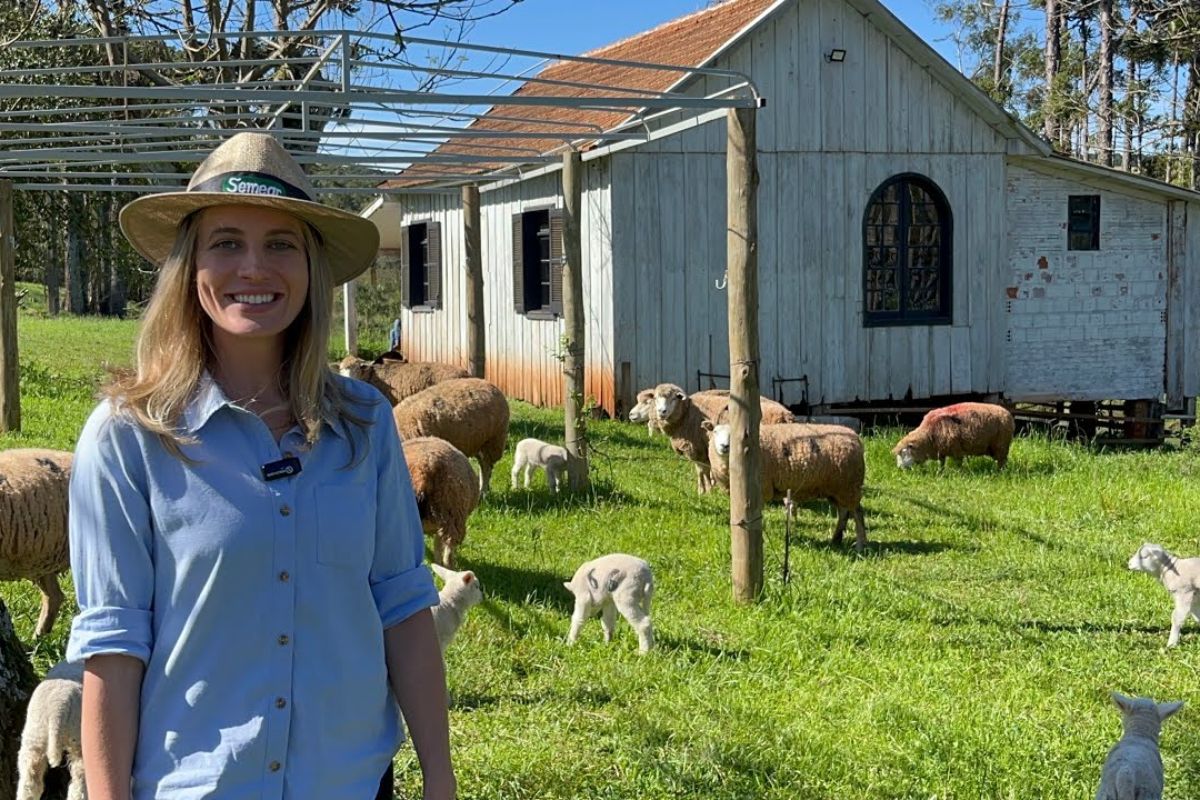


At 27, Former Lawyer Renovates Abandoned House in the Countryside, Transforms the Place into a Sheep Farm and Finds a New Path in Rural Life.
At 27 years old, a former lawyer trades Porto Alegre for the renovation of an abandoned house in the countryside, transforms the property into a home, and sets up a sheep farm with about 280 animals in RS, using just three hectares of pasture. In the same area where there used to be only weeds and forgotten structures, she builds a profitable sheep farming operation in RS, organized in paddocks, led by two rams, aligned with her dream of a more meaningful rural life.
Far from the offices, the air conditioning of the Court of Auditors, and the traffic of the capital, the renovation of the abandoned house became the turning point. By revitalizing the abandoned house in the countryside, she gained a personal space to live with her son, reduced urban living costs, and paved the way to invest in a sheep farm. In just a few years, sheep farming in RS shifted from a distant plan to daily work, income, and the routine of someone who has chosen rural life as a long-term project.
From a Career in Porto Alegre to Renovating an Abandoned House in the Countryside
Before assuming the role of a rural producer, she lived a life that, on paper, seemed to be the ideal trajectory. Born in Lagoa Vermelha, she graduated in Law, passed the bar exam, took a position at the Court of Auditors in Porto Alegre, and moved to the capital with her son.
-
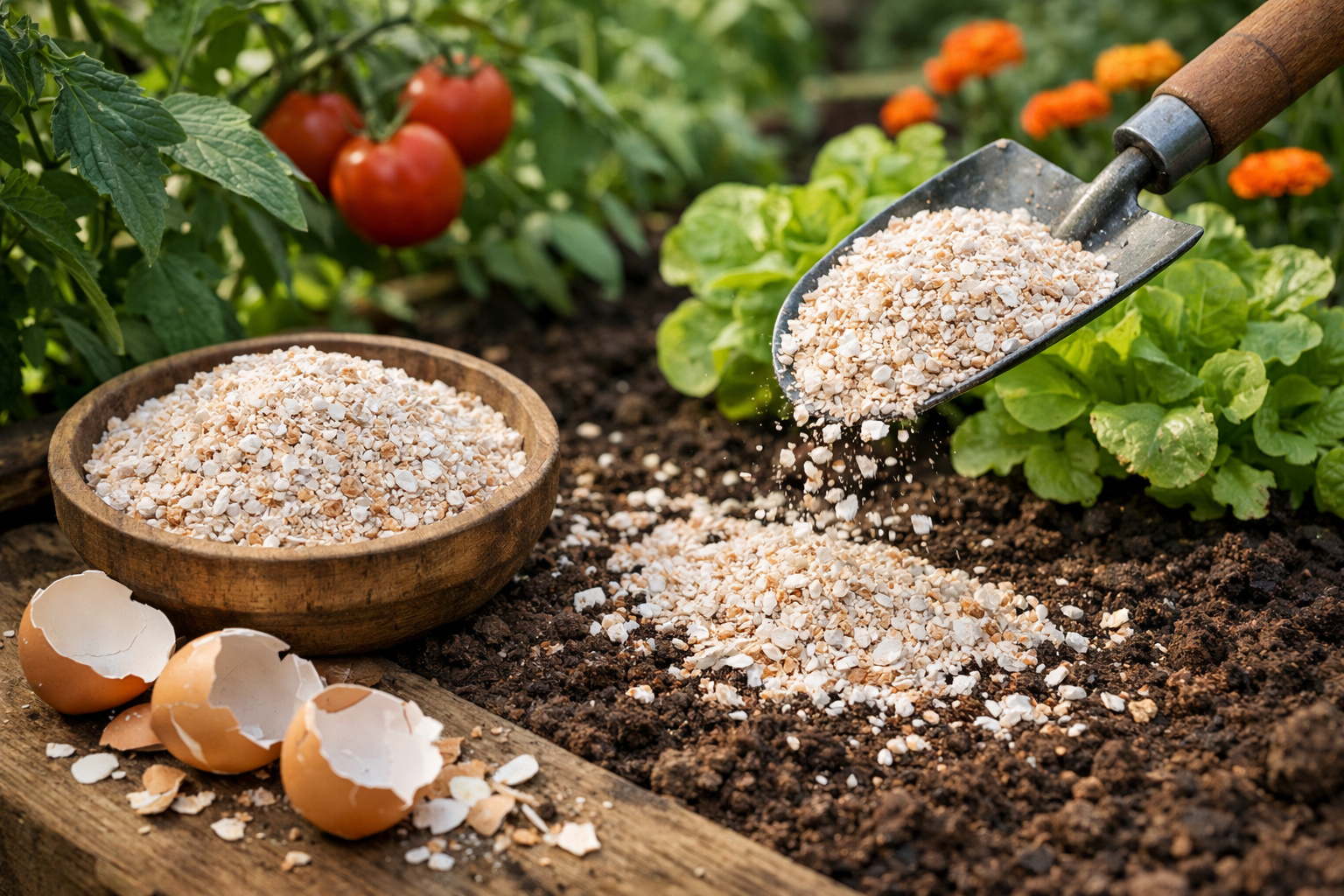
The eggshell that almost everyone throws away is made up of about 95% calcium carbonate and can help enrich the soil when crushed, slowly releasing nutrients and being reused in home gardens and vegetable patches.
-
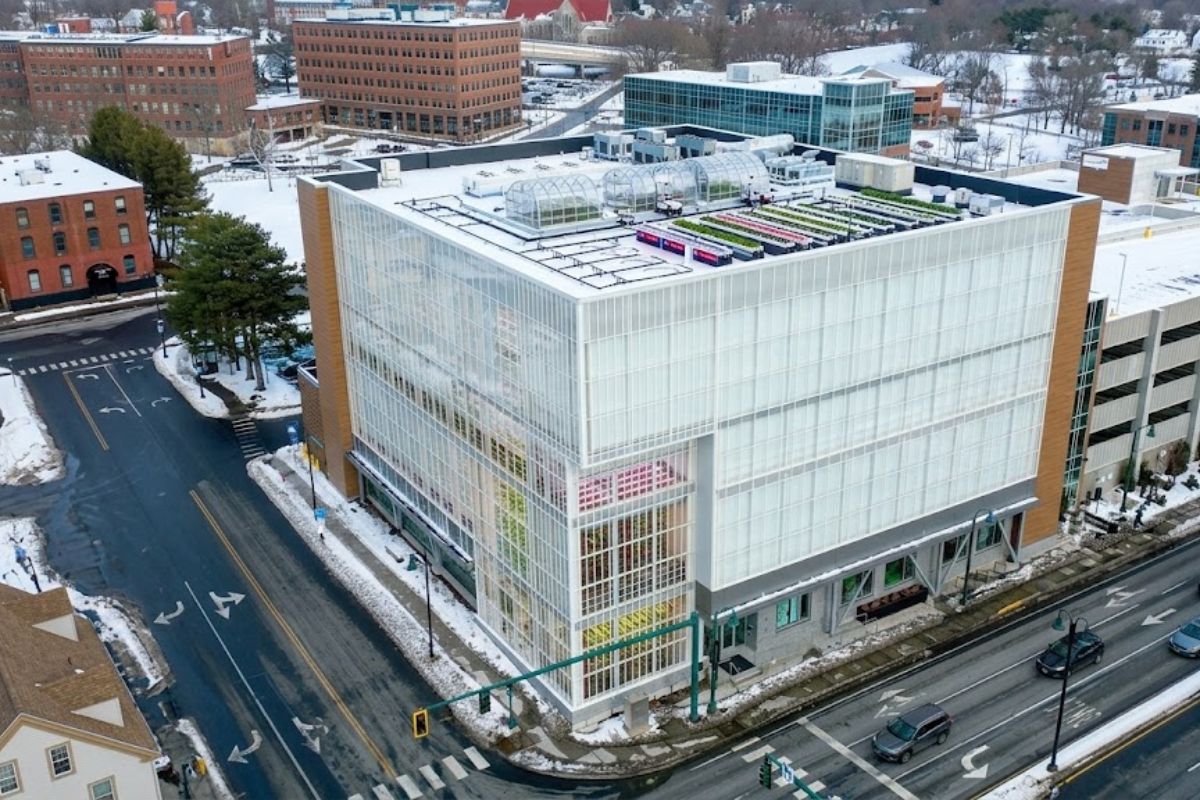
This farm in the United States does not use sunlight, does not use soil, and produces 500 times more food per square meter than traditional agriculture: the secret lies in 42,000 LEDs, hydroponics, and a system that recycles even the heat from the lamps.
-
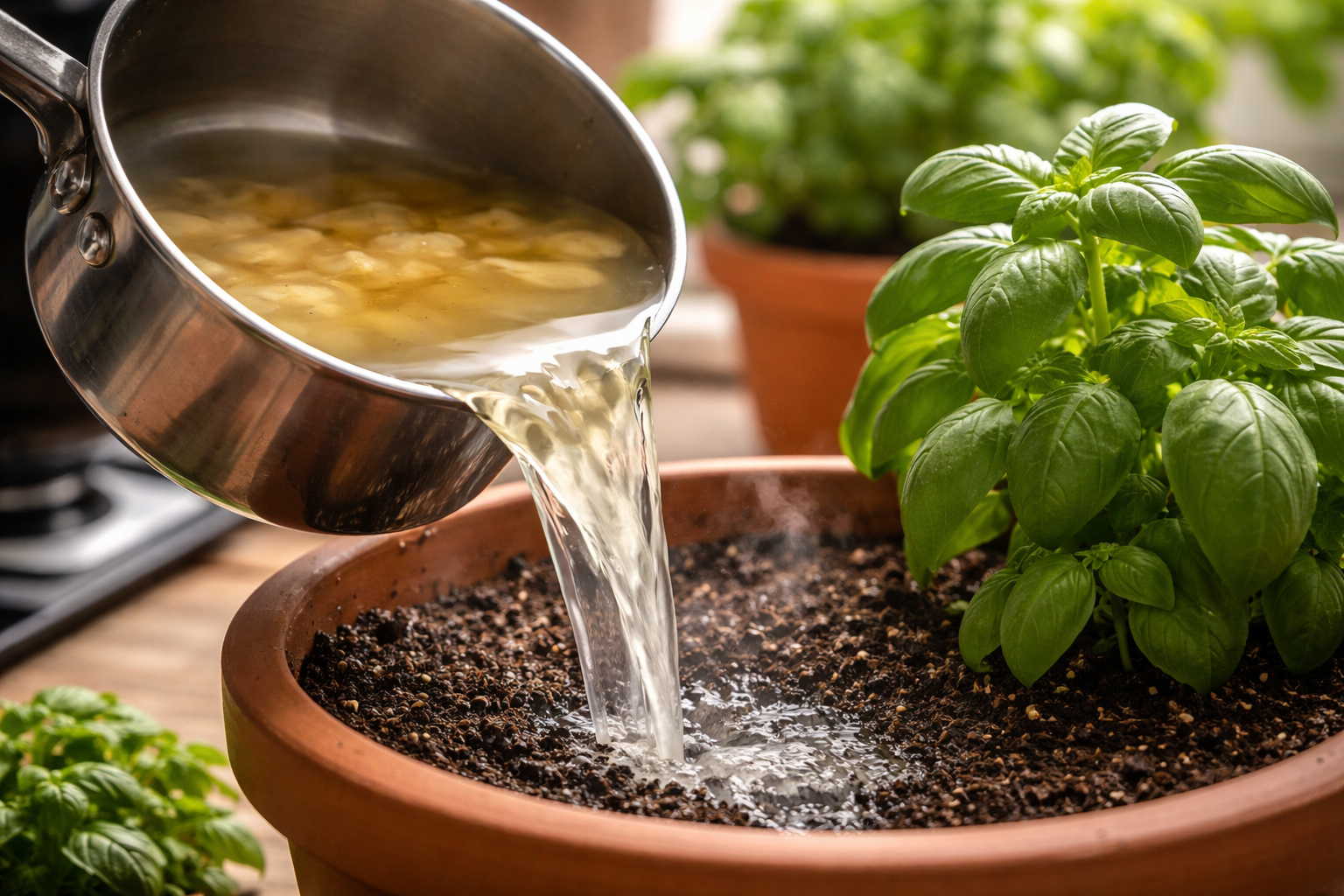
The water that almost everyone throws away after cooking potatoes carries nutrients released during the preparation and can be reused to help in the development of plants when used correctly at the base of gardens and pots, at no additional cost and without changing the routine.
-
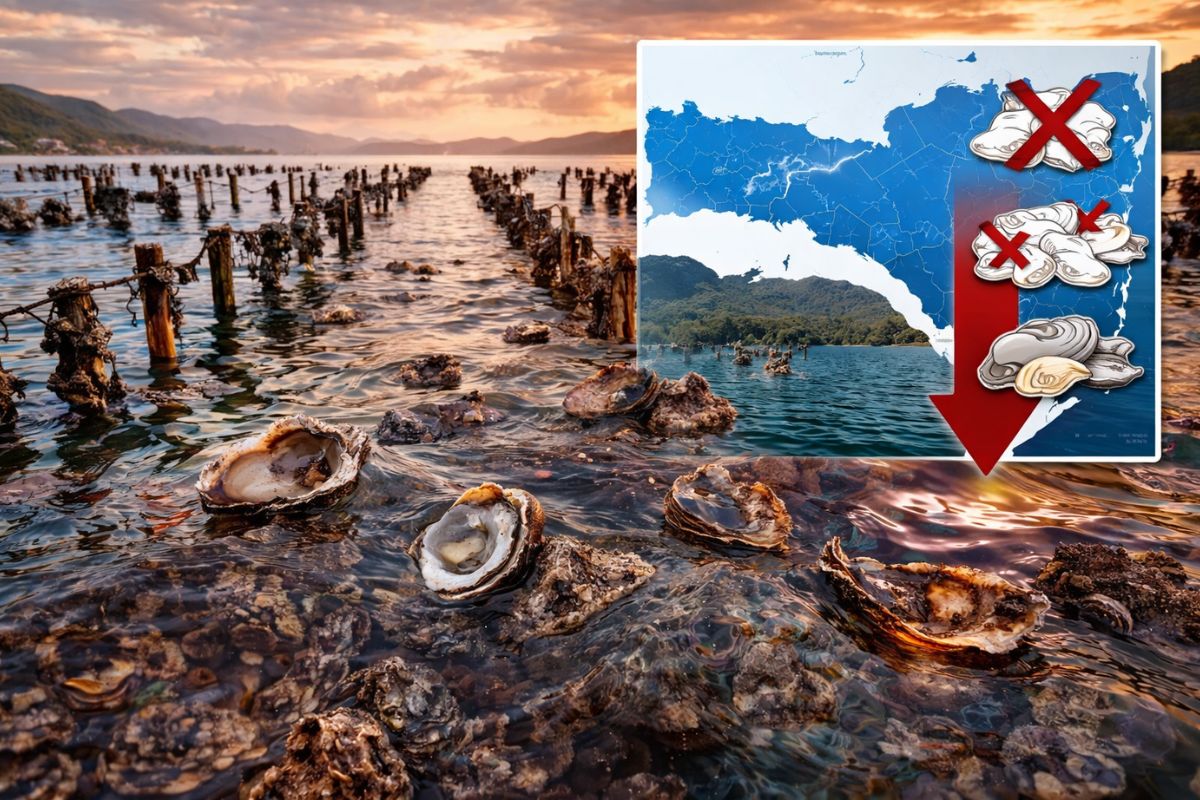
The sea water temperature rose from 28 to 34 degrees in Santa Catarina and killed up to 90% of the oysters: producers who planted over 1 million seeds lost practically everything and say that if it happens again, production is doomed to end.

There was stability, a fixed salary, colleagues she liked, and a big city routine that worked well.
Everything changed during the pandemic. Locked in an apartment, working remotely, the lack of greenery, silence, and space began to weigh heavily.
Taking advantage of remote work, she decided to spend some time at her family’s farm, reconnecting with the countryside that marked her childhood.
It was during this return that the opportunity arose that would connect everything: the family had a house of a former employee, idle for about 10 years, taken over by time. This would be where the renovation of the abandoned house began that would change everything.
Instead of seeing ruin, she saw a project. She adopted that abandoned house in the countryside as the foundation for her life change.
With financial planning, saving her city salary, and giving up her apartment in Porto Alegre, she began to invest little by little in repairs, cleaning, improvements, and adapting the space.
How the Renovation of the Abandoned House Became a Home with Its Own Identity

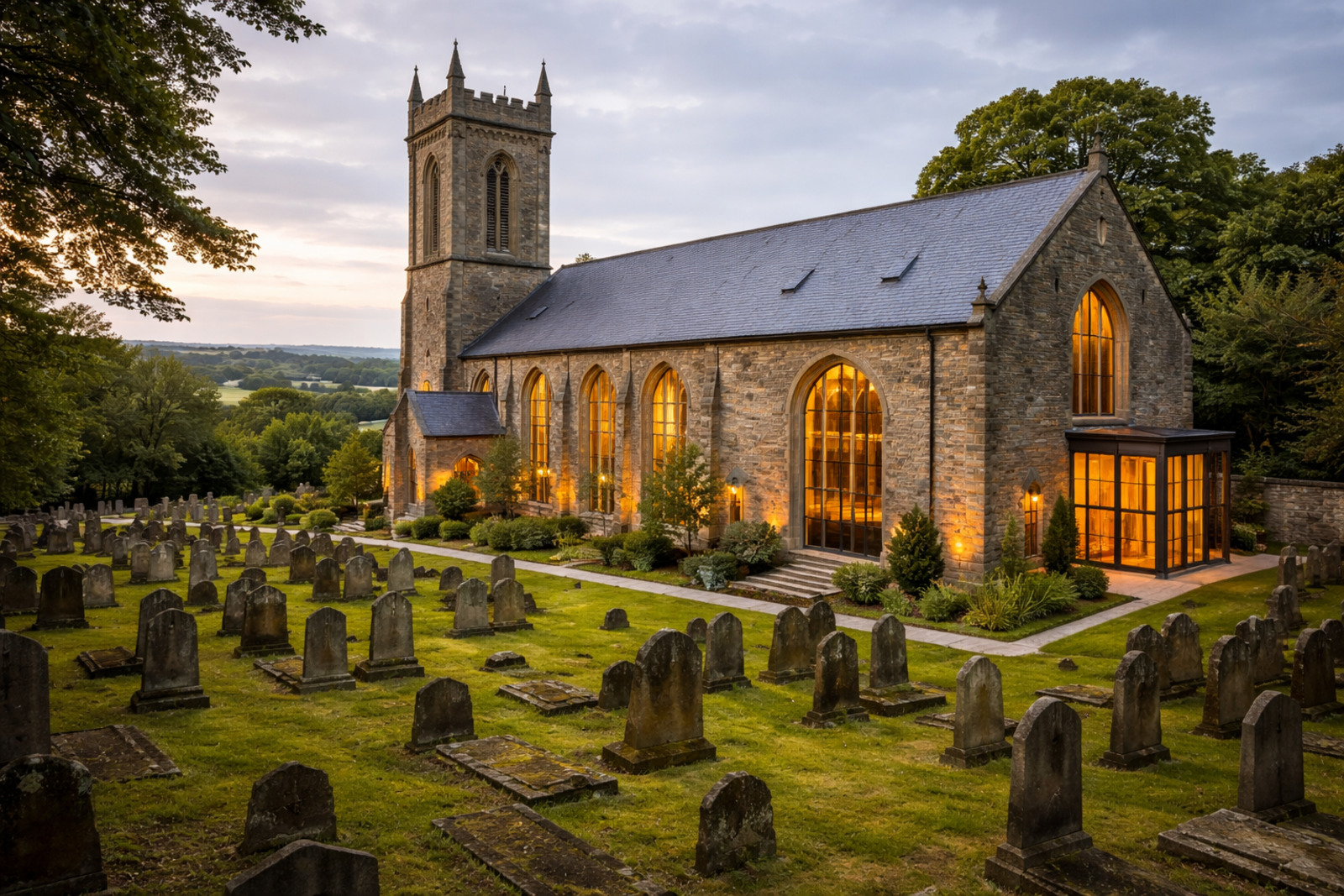
The original house was simple, old, without internal finishing, and with thin walls. Staying in the low area meant intense cold in winter and humidity seeping under the floorboards on rainy days.
Instead of demolishing, she chose to preserve the history, reinforce the structure, and make the environment comfortable.
The renovation of the abandoned house began with the foundation: fixing the roof, recovering the floor, resolving leaks, and improving insulation. Then came the part that gave soul to the place.
She searched for old furniture and objects scattered throughout the family. Her grandmother’s trunk, which once carried clothes for six children on trips, took a place of prominence.
Her great-grandmother’s china cabinet, with decades of history, was restored. A dresser that organized her mother’s and uncles’ socks and clothes was put back to use. Pieces taken from a decommissioned mill reinforced the nostalgic atmosphere of a bygone era.
The result was an abandoned house in the countryside transformed into a functional home, blending old wood, memory-filled china cabinets, a wood stove to face the cold, and more modern details to ensure comfort.
The renovation of the abandoned house, once a challenge, became a concrete symbol of the shift from Porto Alegre to rural life.
Why Sheep and Not Cattle or Crops
With the home established, the practical question remained: how would she generate income from the farm? Without experience with agricultural machinery and knowing that investing in crops would require expensive land, supplies, and equipment, the option for crops was delayed. Cattle farming would also require more infrastructure, more risk, and a longer cycle until returns.
Sheep, on the other hand, offered an interesting balance. The gestation period is short, around five months. In some situations, it is possible to have two births per year, which speeds up the herd’s renewal.
The turnover of animals is quicker, and the costs with medication, veterinary services, and pasture management tend to be lower than with cattle.
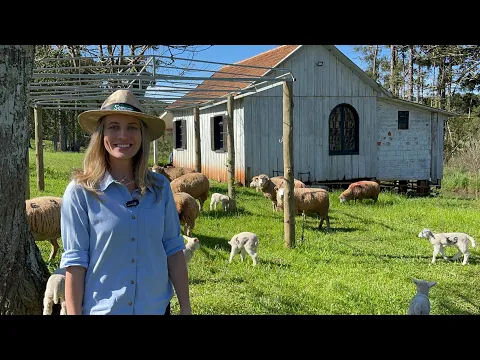
That’s how, in October 2021, the first 25 sheep arrived. Thus, the sheep farm was practically born, now gathering around 280 animals.
Sheep farming in RS became the economic backbone of this new phase of life, growing alongside the house’s adaptation, handling experience, and daily learning.
Three Hectares, Paddocks, and an Organized Sheep Farm

The central area of the property, where the house is located, totals about three hectares. This is where a significant part of the routine with pregnant sheep and younger lambs is concentrated.
In surrounding fields, with a few more hectares, are the larger animal lots and the empty sheep that did not conceive in the last breeding.
The sheep farm was structured with a paddock system and rotational grazing. The sheep with small lambs first use the paddocks closest to the house, in more protected areas.
Next, the pregnant sheep enter, grazing down the pasture to the ideal point. Afterward, that same paddock rests, allowing the forage to recover and reducing the risk of degradation.
Sheep farming in RS requires attention to the weather, soil type, and availability of forage. Therefore, she plans months in advance for summer, trying to avoid the crunch of pasture shortage that forces her to buy expensive feed.
The priority is to keep the sheep farm as pasture-supported as possible, using supplementation only when necessary.
Two breeding rams, one crossbred and one purebred Ile de France, lead the genetics of the herd.
Having few breeders facilitates the control of breeding, planning of birth seasons, and monitoring the herd’s progress.
Intense Routine, Animal Welfare, and Data at Your Fingertips
Behind the images of lambs running in the pasture, the routine of sheep farming in RS is tough. Most of the time, she works alone.
Occasional help comes in more technical handling, such as ultrasound, hoof trimming, shearing, and specific medications.
The herd is closely monitored. At least once a week, all the sheep pass through the squeeze. She observes each animal, identifying lameness, wounds, signs of worms, maggots, or loss of body condition.
She keeps notes with the number of each sheep, how many lambs they have had, the sex and weight of each lamb, and the times of breeding and lambing.
The body score, on a scale of one to five, helps measure whether the sheep is too thin, ideal, or overweight.
The desired standard ranges between 3.5 and 4, indicating good condition for gestation and nursing. This combination of field observation with data control is one of the pillars that sustain the sheep farm on just three hectares.
At the same time, she puts animal welfare at the center. The sheep sleep in a pen, have access to quality water, the same water consumed in the house, and roam freely in the paddocks during the day.
Newborn lambs stay in pens for a few days to ensure they have nursed well and to avoid cases of starvation.
Life in the countryside, for her, is not merely a rural aesthetic. It involves the routine of waking up early, dealing with mud, cold, heat, climbing hills after sheep, repeating management practices, and still feeling satisfaction seeing the lambs running when the sun comes out after days of rain.
Crisis, Losses, and the Crucible of the Sheep Farm

One of the most striking scenes of this life change in the countryside occurred early on in the sheep farming operation in RS. In the first week of the newly purchased 25 sheep, a German shepherd jumped the pen gate during the night.
When the workers noticed, no one wanted to enter the pen for fear of the dog. Out of the 25 sheep, 21 had been bitten and four had already died.
The veterinarian spent the day stitching wounds, one sheep received over 40 stitches, and the next task was to manage maggots, infections, and care for the recovery of the animals. Ten were left between life and death, but managed to pull through.
For many, that would have meant the end of the project. For her, it was a shock and a test. The dog was donated to another property, and the precautions for closing and securing the pen were doubled.
The sheep farm moved forward, more organized, more attentive, with an additional certainty that rural life brings unforeseen events that have no place in the city’s office.
Numbers, Returns, and Attachment in Sheep Farming in RS
From a financial perspective, the project began to break even early on. In the first year of full production, the sale of male lambs helped cover the costs of the ewes and lambs that remained in the flock.
She often says that the lambs pay for the mothers and sisters that stay on the property, helping to circulate the investment made back at the beginning when the renovation of the abandoned house was still ongoing.
This doesn’t mean it’s all quick profit. There are periods of greater expenses for supplementation, vaccinations, dewormers, specialized services, and maintenance of fences and pens.
The secret is to combine the long-term vision of sheep farming in RS with strict cost control and planning for crops and births.
There’s also the emotional side. She participates in the entire process of selecting and loading the lots going to the slaughterhouse but avoids watching the trucks leave.
Many of the sheep that leave the property were born there, became mothers, and are part of the sheep farm’s history. Seeing those animals leave is still, she says, one of the hardest parts of rural life.
Even so, when she compares the present with the past, the answer is direct. Between the air conditioning of the court and the morning chill in the pen, the choice is for rural life.
Between the traffic of Porto Alegre and the sound of the lambs calling for their mother, the preference is for the countryside. Between the apartment and the house that once was an abandoned house in the countryside, renovated with her own hands, she has no doubt which path is worth more.
Life in the Countryside as a Definitive Choice
Today, when she looks at the house that once was forgotten, at the full paddocks, and at the flock that grows with each harvest, she sees more than just numbers.
She sees the result of a series of decisions that began with the renovation of the abandoned house and solidified with the courage to trade a stable career for the daily challenge of sheep farming in RS.
Life in the countryside, for her, is made of small victories, managed crises, pasture planning, and births that make any sleepless night worth it.
It’s proof that an abandoned house in the countryside can become much more than a restored roof. It can be the foundation of a business, a story, and a completely rebuilt identity.
What about you, would you take on a change like this, starting with the renovation of an abandoned house, taking on a sheep farm, and betting on a rural life, or would you prefer to stay in the safety of the urban routine you already know?







Que orgulho dessa conterrânea!!!! Parabéns! Moro em Porto Alegre e tbem tive esse sonho, mas faltou o que ela teve de sobra, coragem! Sucesso ,Luísa!👏👏👏
Tenho sonho de comprar um pedacinho de chão e criar ovelhas ,um sonho que hoje em dia já vejo meio ao longe pois minha idade 54 anos já não sou nenhum menino ,mas me criei lidando com **** e andando a cavalo ,hoje não posso montar mais então deixarei para os mais novos ,mas vc fez uma ótima escolha com certeza ,a vida no campo não existe igual ,ar puro,vida corrida no dia-dia mas com a paz do campo !!!
Qual o contato desta criadora? É possível