





 Portuguese
  English
  Spanish
  5 min of reading
  0 comments


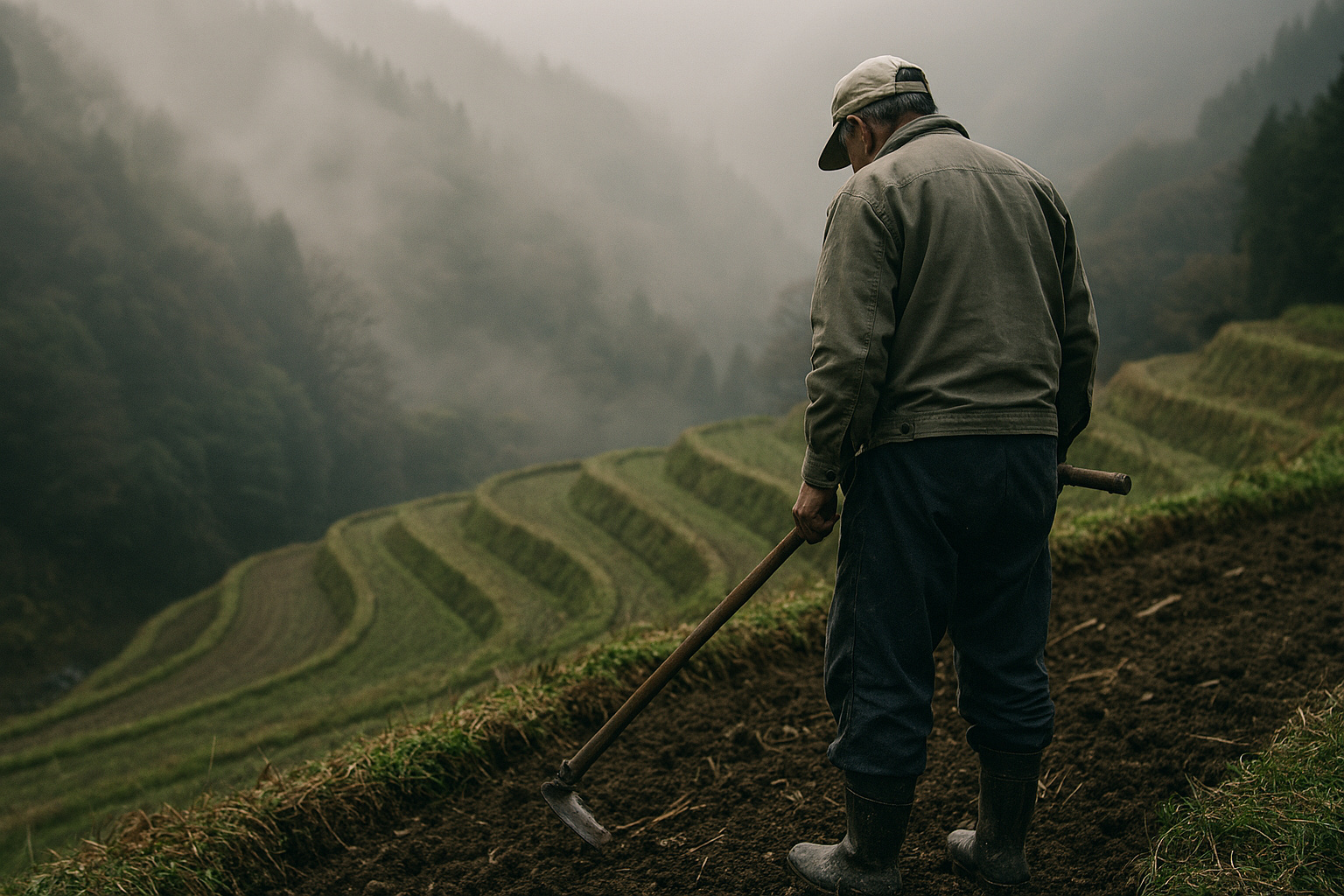
At 89, Japanese Farmer Works Alone on Mountain Farm, Faces Extreme Cold and Keeps an Age-Old Family Crop Alive.
In recent years, Japan has become one of the world’s most aging countries, and few areas represent this transformation as evidently as the countryside. Official data shows that the average age of farmers surpasses 67 years, according to the Ministry of Agriculture. In several mountainous regions, this number is even higher, reaching 75, 80, and, in more extreme cases, nearly 90 years. It is in this scenario that the silent and impressive figure of a 89-year-old farmer emerges, who continues working alone on a remote rice farm situated on the wet slopes of rural Japan.
Reports from NHK, Associated Press, and independent publications like FinalStraw show that this profile is not isolated: there are hundreds of farmers in this age group still active. Among them stands out an elder who takes care daily of a small rice plot in a mountainous area similar to Tokushima, Niigata, and Yamagata, where family farming resists population decline. His routine, revealed by Japanese documentarians, encapsulates the effort of a generation that insists on keeping alive an activity passed down through centuries.
A Farm That Requires Physical and Technical Resilience
The farm cultivated by this farmer follows the traditional Japanese model: narrow plots, terraces carved into the mountain, and irrigation controlled by channels formed decades ago. The terrain does not allow for large machines.
-
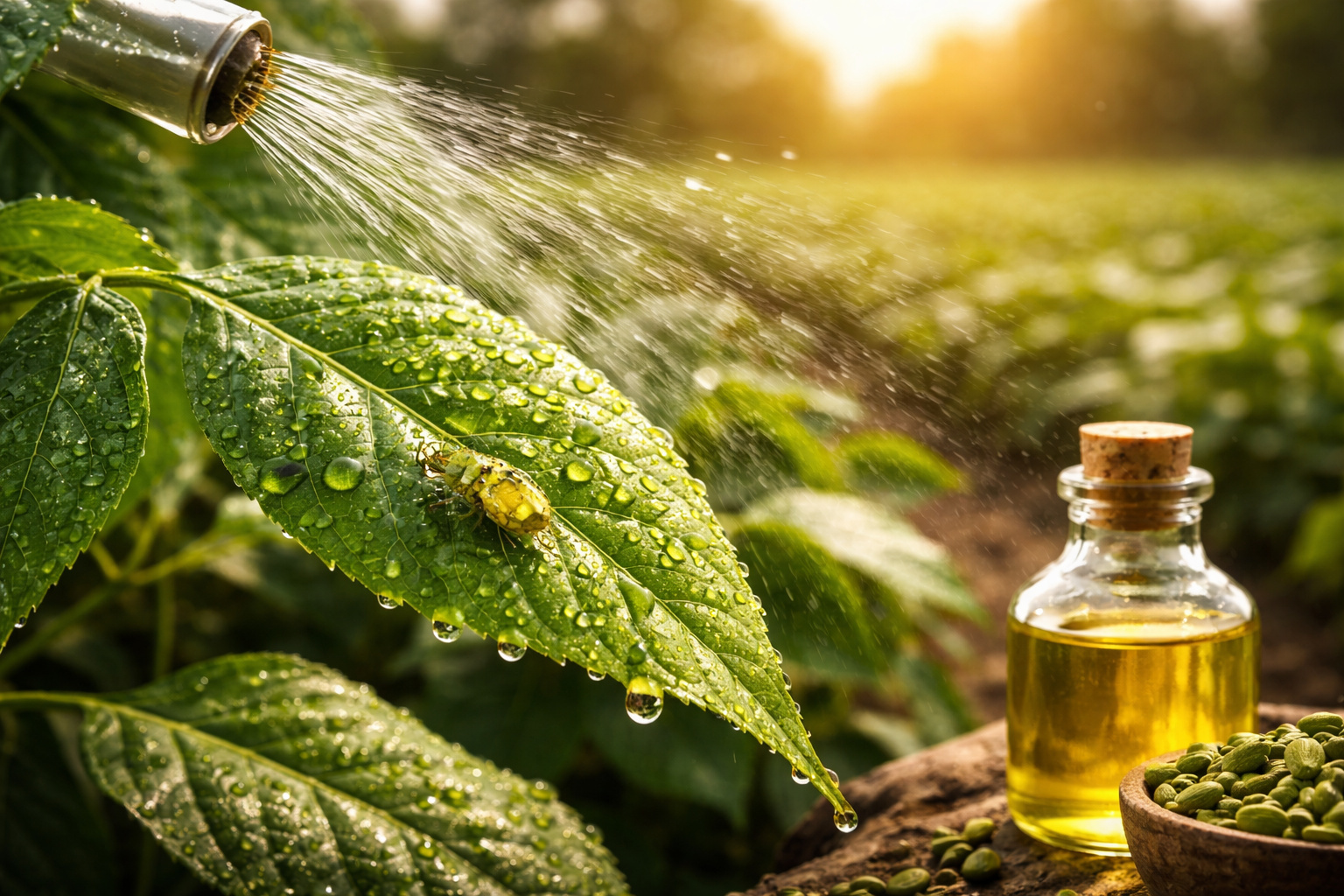
An Indian tree that grows in the Brazilian Northeast produces an oil capable of acting against more than 200 species of pests and interrupting the insect cycle, gaining ground as a natural alternative in soybean, cotton, and vegetable crops.
-
The rise in oil prices in the Middle East is already affecting Brazilian sugar: mills in the Central-South are seeing their margins shrink just as ethanol gains strength.

-
Rain gains strength in April, potentially exceeding 150 mm, placing the North, Northeast, and the coasts of the South and Southeast at the center of the heaviest forecast of the week.

-
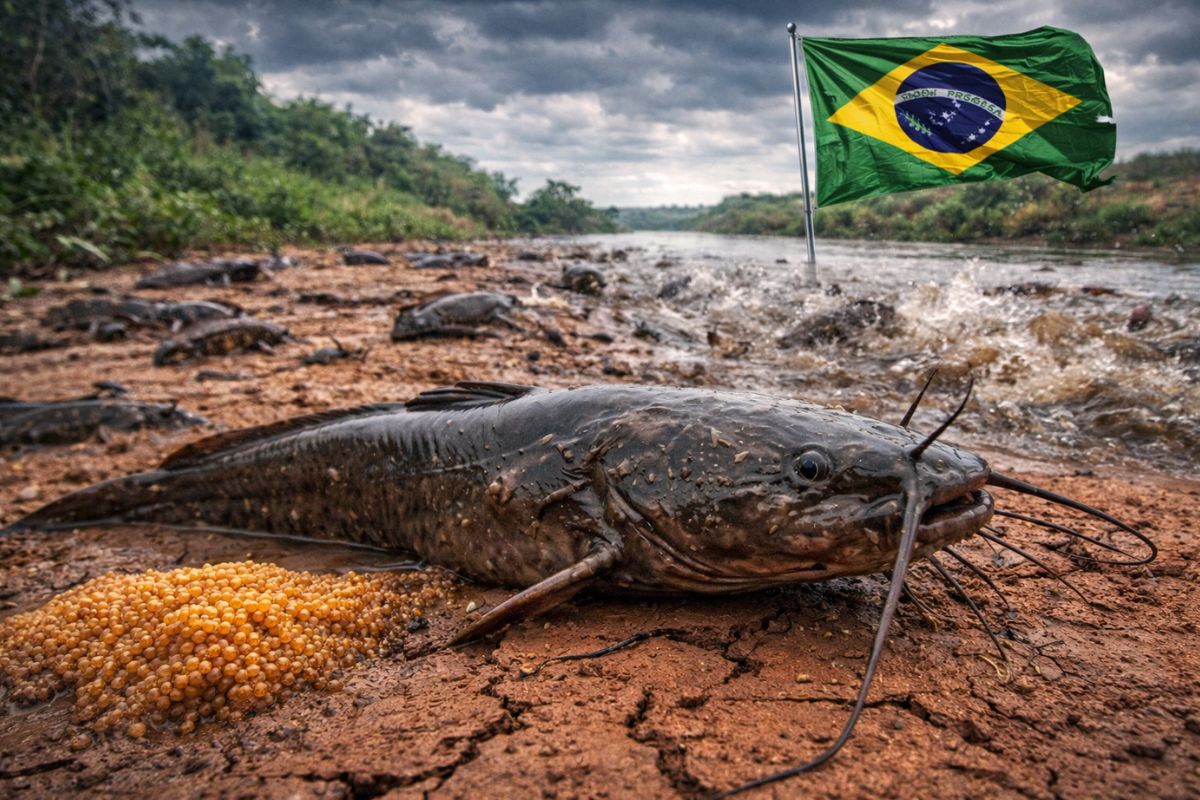
A fish that survives out of water, crawls on land until it finds another river, and whose female lays 80,000 eggs at once is infesting rivers and lakes in Brazil, and no one can stop this invasion.

To plant, the farmer needs to walk along steep trails, balance on narrow embankments, and manually manage the water flowing from the mountains. The rice is planted, taken care of, and harvested in a nearly artisanal manner.

At 89, he starts his day before six in the morning, when the fog still covers the fields. The temperature in the cold seasons can drop below zero, especially in regions like Niigata, where snow often forms thick layers during winter. Even so, he continues climbing up and down the mountain with simple tools: hoe, rake, old shovels, and wooden buckets.
His physical strength impresses documentarians and researchers. The Associated Press reports elderly individuals in the same age group working under similar conditions — planting rice in extreme temperatures, bending over for hours to organize seedlings and carrying heavy bags of fertilizer. The 89-year-old farmer follows this pattern: he repeats the routine every day, with no weekly rest and no regular assistance.
Self-Sufficiency and a Discipline Built Over Decades
There is a profoundly Japanese concept that well defines this routine: gaman, the ability to endure and persist despite difficulties. The farmer embodies this. He wakes up early, prepares his own breakfast, and heads to the fields even on days of heavy rain. He is the one who manually opens and closes the irrigation gates, who controls the weeds, and who, during harvest, carries bundles of rice on his shoulders to the drying location.
There is one additional detail: the farm is not just a job, but a responsibility inherited. Like many farmers featured in NHK documentaries, he takes care of land that belonged to his father, grandfather, and possibly even more distant generations. Abandoning it would mean breaking a family tradition that, in rural Japan, is viewed almost as a moral obligation.
Even without children interested in taking over the farming and without young people in the community, he refuses to let the farm be consumed by weeds, a common fate of thousands of Japanese farms that have ceased to exist in the last two decades.
The Growing Isolation of Japan’s Mountains
The mountainous regions of Japan have been undergoing a phenomenon known as “mura shōmetsu,” or the disappearance of villages. In many towns, the population has halved since the 1980s. In others, over 40% of residents are over 65 years old. The 89-year-old farmer lives in one of those areas where houses have been abandoned, schools have closed, and bus routes have stopped operating due to lack of passengers.
The solitude of agricultural work is, therefore, almost absolute. There are no nearby neighbors to help with the harvest, no young people to share tasks, and medical access is distant. Still, he goes down the mountain once or twice a week to buy simple supplies and returns before sunset.
This isolation has led many documentarians to compare elderly farmers like him to “last guardians” of Japanese agricultural traditions, sustaining cultivation techniques that are rapidly disappearing.
Why Continue at 89 Years Old?
When journalists interviewed him, the response was direct, similar to that of countless elderly farmers in the country: “If I stop, the land dies.”
For him, working is not just survival; it is purpose. The farm gives structure to the day, demands movement, and forces the body to remain active. Researchers from the University of Tokyo have highlighted that elderly farmers maintain surprisingly high levels of cardiovascular health and mobility thanks to the constant physical activities of farming.
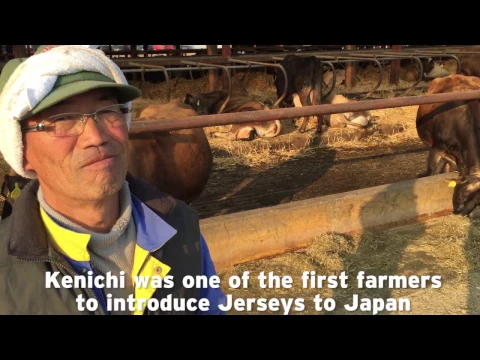
Moreover, there is the cultural significance of rice in Japan. Cultivating rice is cultivating history, cultivating ancestry, cultivating collective identity. Even at an advanced age, the farmer feels part of something larger than himself.
A Symbol of the Agricultural Crisis and the Strength of a Generation
Experts assert that stories like that of farmers in their 80s, 90s, and even 100s working alone simultaneously represent:
- the crisis of agricultural succession in Japan,
- and the strength of a generation that refuses to abandon the land.
The Ministry of Agriculture estimates that if nothing changes, the country could lose one-third of its traditional farms by 2035. In this reality, figures like this 89-year-old farmer become symbols of rural resistance.
They keep alive a way of life that is disappearing, preserve lands that would otherwise be consumed by forest, and demonstrate a discipline that impresses international researchers.
Today, his story circulates in documentaries, photos, and articles that portray him not as an isolated survivor of the past, but as a representative of a generation that, despite advanced age, continues to bear alone the weight of the cultivation that has sustained entire families for over a century.









-

-

-

-

-

52 pessoas reagiram a isso.