





 Portuguese
  English
  Spanish
  5 min of reading
  9 comments


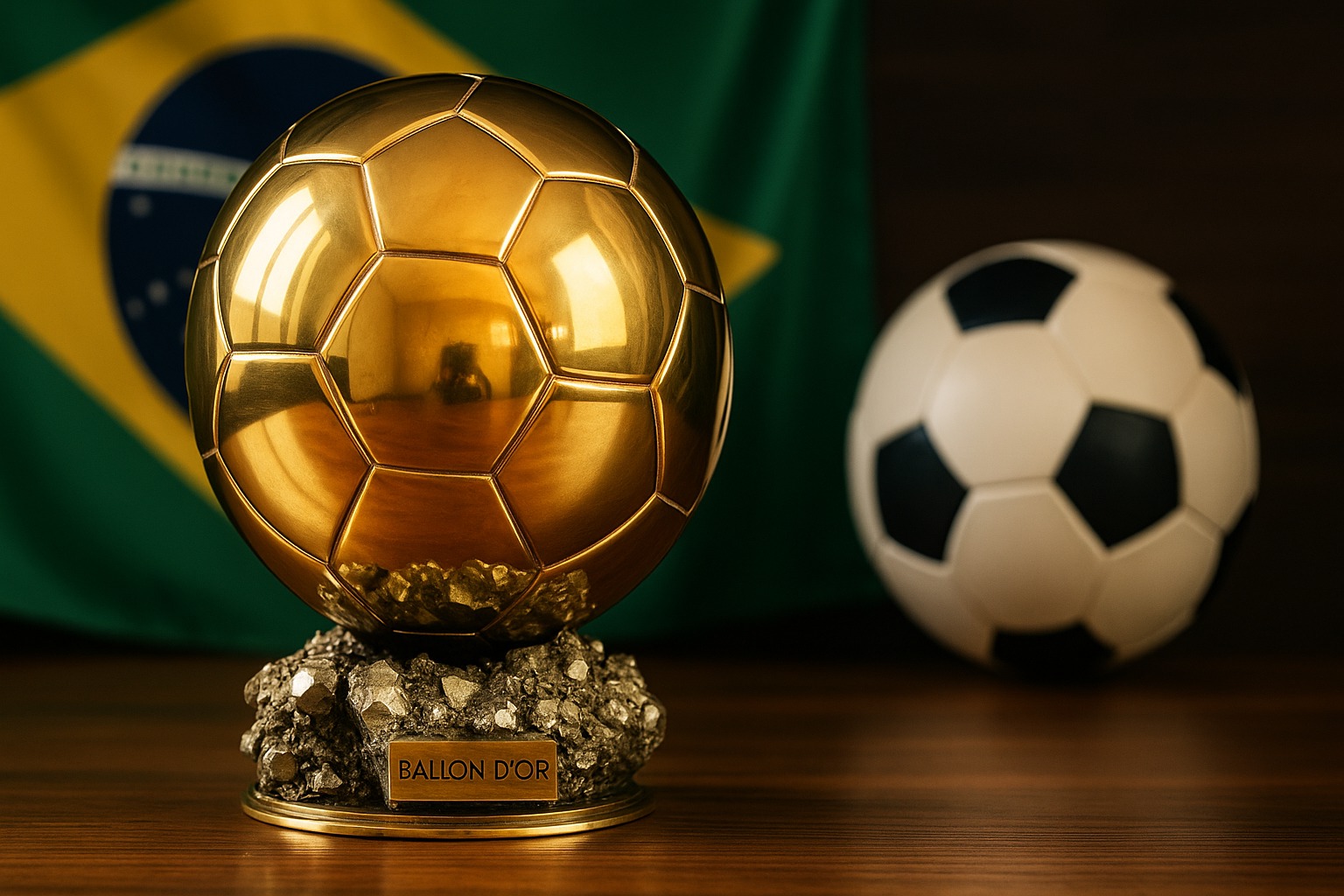


Ronaldo Phenomenon Made History by Winning Two Ballon d’Or Awards in 1997 and 2002, Becoming the Youngest Player to Win the Award and Establishing His Name Among the Greatest in Football History
Ronaldo Nazário, known worldwide as Phenomenon, is one of the greatest names in football history. The forward marked generations with his skill and speed, and his two Ballon d’Or awards, won in 1997 and 2002, solidified his status among the greatest in the history of the sport.
In 1997, the Brazilian achieved an impressive feat by becoming the youngest player to win the award, at just 21 years old.
That year, his performance with Barcelona was decisive. After leaving PSV Eindhoven, he quickly won over the Spanish fans with goals and memorable performances.
-
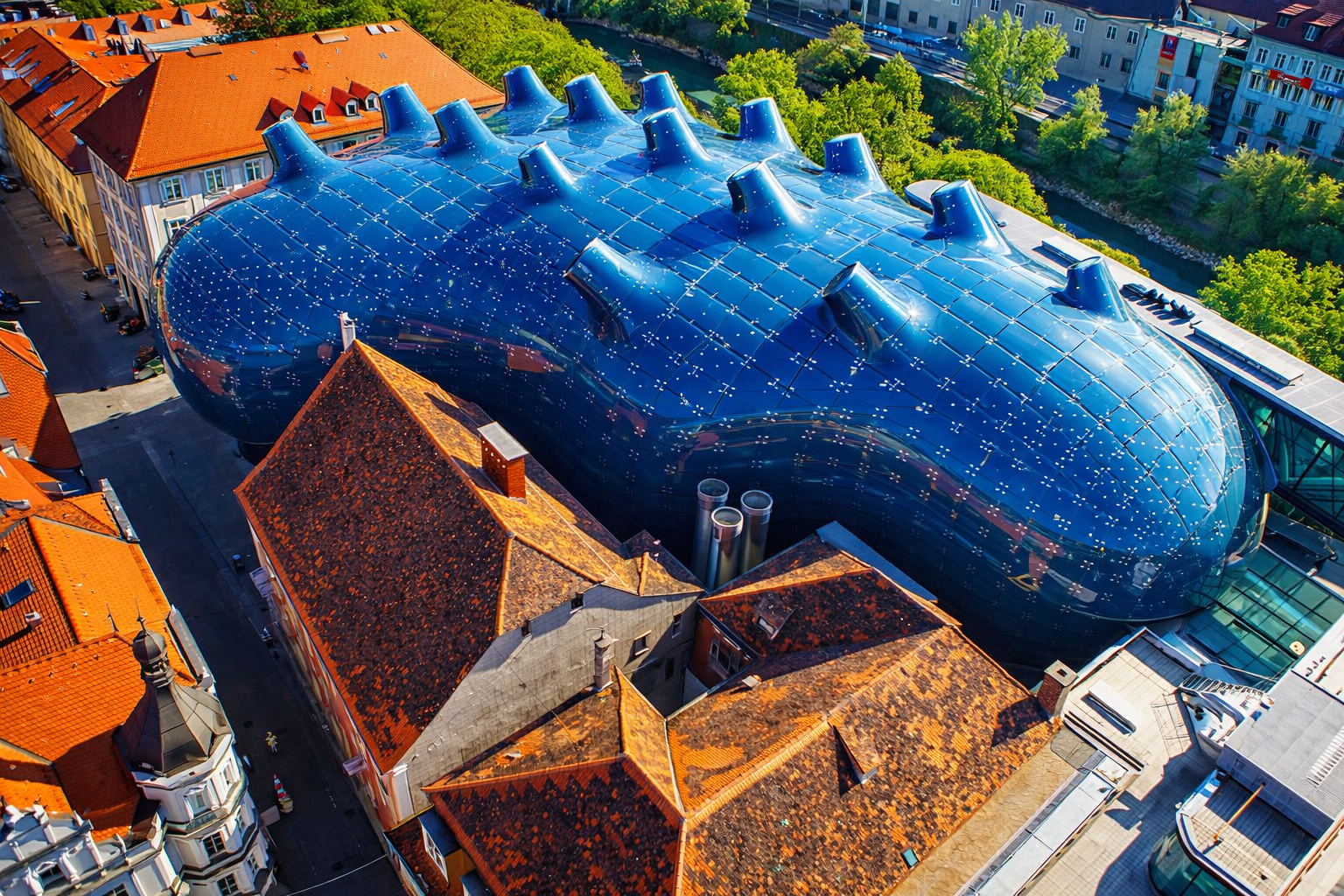
With 1,066 acrylic panels, the building known as the friendly alien is supported by a steel skeleton, has a façade that functions as a giant screen, and impresses the world without any internal columns.
-
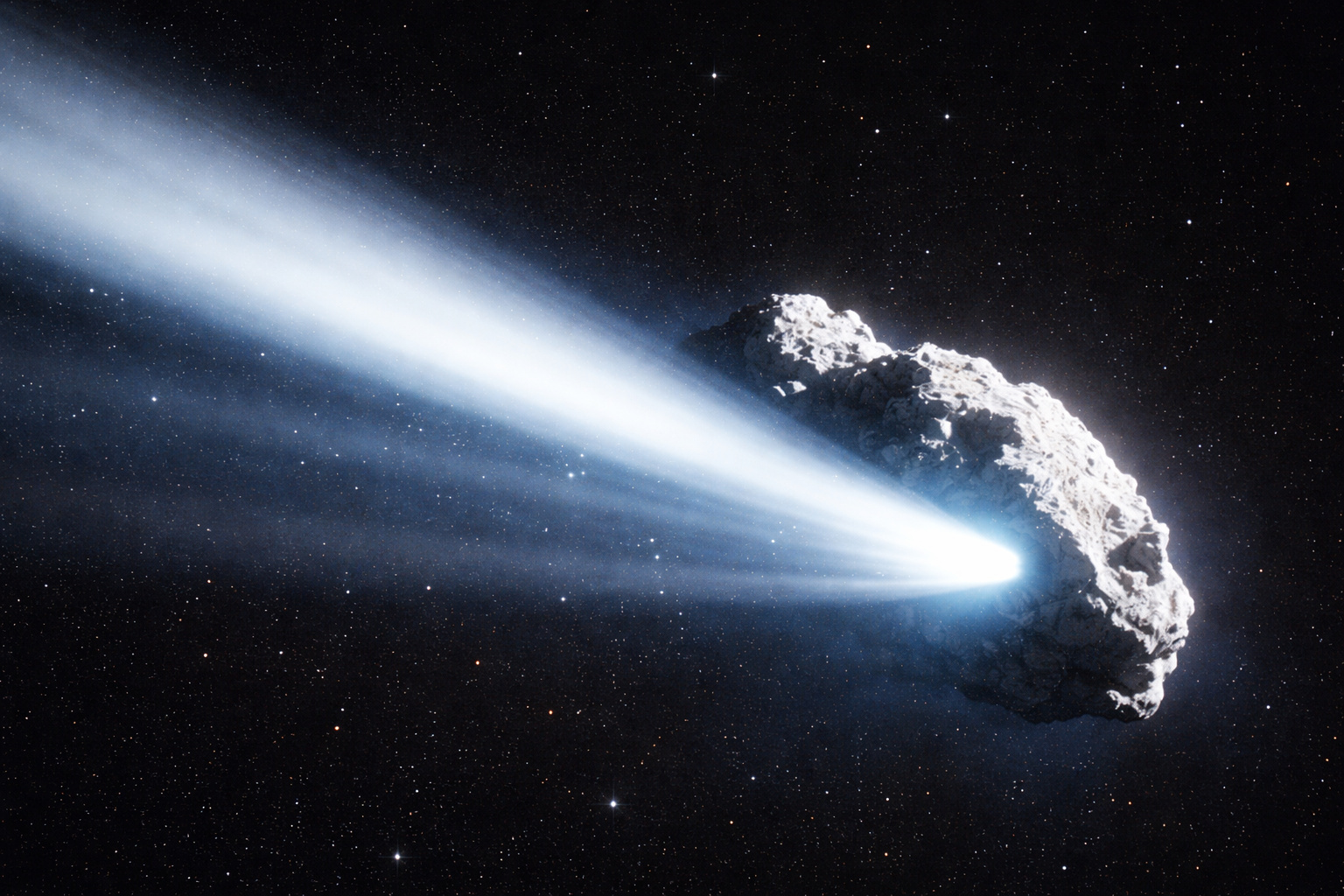
Scientists warn that a comet about 1 km in size that has started to release gases may actually change direction in space. It was spotted by NASA and surprises with potential impacts near Earth.
-
These living root bridges and ladders are over 700 years old and help indigenous people survive in one of the rainiest regions in the world.

-
From sertanejo star to international investor: Ana Castela invests millions in a mansion in the USA, creates a themed accommodation in Orlando, and shows that the “boiadeira” also wants to grow away from the stage.

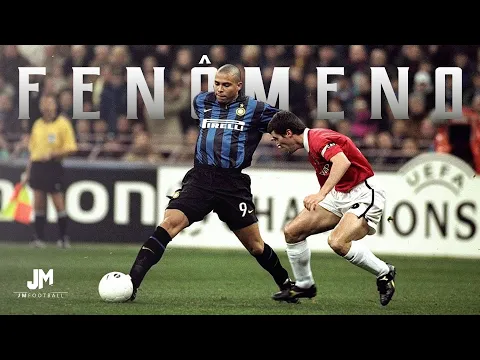

A Performance That Changed European Football
Ronaldo finished as the top scorer in the Spanish Championship and helped Barça lift two titles: the Copa del Rey and the UEFA Super Cup.
The impact was so great that shortly after, he transferred to Inter Milan, where he earned the nickname “Phenomenon,” a recognition of the extraordinary talent he displayed right from his first season in Italy.
These achievements made the Brazilian a symbol of modern football, as he combined strength, technique, and tactical intelligence in a way that was rare for the time.
The Triumphant Return in 2002
Five years later, Ronaldo won the Ballon d’Or again. Already wearing the Real Madrid jersey, he scored 21 goals in 32 games, but it was his performance in the 2002 World Cup that put him back on top.
The forward led Brazil to its fifth title and was named the best player in the world.
The New Edition of the Award
The magazine France Football held the 2025 Ballon d’Or ceremony on Monday (September 22) in Paris, at the Théâtre du Châtelet. The event began at 4 PM (Brasilia time), with broadcast on TNT and the Max streaming service.
Among the youngest winners of the award, in addition to Ronaldo (21 years), are Michael Owen, Lionel Messi, George Best, and Oleg Blokhin — all immortalized for their early achievements in world football.
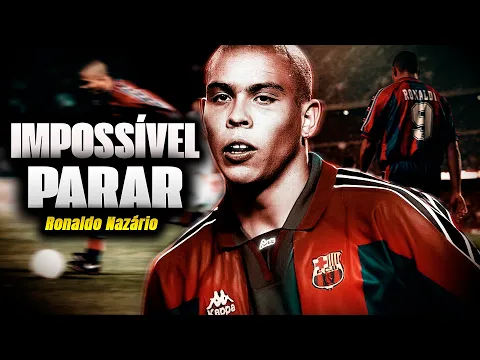
Top-5 Youngest to Win the Ballon d’Or
- Ronaldo – 21 years, 3 months, and 5 days
- Michael Owen – 22 years and 4 days
- Lionel Messi – 22 years, 5 months, and 7 days
- George Best – 22 years, 7 months, and 2 days
- Oleg Blokhin – 23 years, 1 month, and 25 days
The Rise of a Phenomenon That Changed Football
Ronaldo Nazário began his journey as a teenager in Bento Ribeiro, a suburb of Rio de Janeiro. At 16, he was already attracting attention at Cruzeiro, scoring 44 goals in 47 matches.
His early talent quickly took him to Europe, where he signed with PSV Eindhoven in the Netherlands in 1994. There, his speed and composure in front of goal made him an international sensation.
In no time, the young Brazilian began to be noticed by the biggest clubs in the world. Barcelona, enchanted by his performances, paid one of the largest sums of the time to sign him.
In just one season with the Catalan team, Ronaldo scored 47 goals in 49 matches — an impressive average.
It was during this period that the world began to understand why he was called “Phenomenon.” With bewildering dribbles and unusual physical strength, he redefined the role of the modern striker.
Players and coaches recognized that they were facing something new, an athlete who combined star-level technique with sprinter-like explosion.
At Inter Milan, the recognition expanded. In 1998, Ronaldo received the FIFA World Player of the Year award for the second time, confirming that his talent transcended borders.
However, a serious knee injury in the early 2000s nearly ended his career.
Even so, the forward starred in one of the greatest comebacks in sports history. Back to full fitness, he was the standout figure for the Brazilian National Team in winning the 2002 World Cup, scoring eight goals, two of them in the final against Germany. This achievement led him to the Ballon d’Or once again, crowning his resilience.
After notable spells with Real Madrid, Milan, and Corinthians, Ronaldo retired in 2011.
His legacy goes beyond numbers: he inspired generations and helped globalize Brazilian football, becoming a global icon.
Brazilians Immortalized in the Ballon d’Or
In addition to Ronaldo, other Brazilians have also inscribed their names in the history of the Ballon d’Or, the most prestigious award in world football given by France Football.
The first was Rivaldo, who won in 1999 after a memorable season with Barcelona and standout performances for the Brazilian National Team.
His technical style, characterized by precise passes and powerful shots, made him a reference in European football in the late 1990s.
In 2005, Ronaldinho Gaúcho enchanted the world with his smile and genius on the field. Playing for Barcelona, he was acclaimed for his unparalleled skill, improbable dribbles, and creative plays that marked a generation.
That period became known as the “era of magic,” when Brazilian football returned to dominate the global stage.
Kaká was the last Brazilian to win the award, in 2007. Wearing the Milan jersey, the midfielder stood out for his elegance and tactical intelligence.
His performance in that year’s Champions League was decisive, culminating in the tournament’s victory and global recognition.
Since then, although names like Neymar have come close to the top, no Brazilian has lifted the Ballon d’Or again.
This makes the legacy of the four winners — Ronaldo, Rivaldo, Ronaldinho, and Kaká — continue as a symbol of a golden era, in which Brazilian talent dominated the world.
These stars helped build the image of Brazil as the land of football art. Each, in their own way, brought the joy and creativity of Brazilian play to the fields of Europe, eternalizing a tradition that still inspires millions of fans and young athletes all over the planet.
Information from CNN.





O primeiro de todos foi Romário pelo Barcelona, em 1994. O pioneiro de todos. O que abriu as portas. Logo depois foi o Ronaldo, Rivaldo em 1999, Ronaldinho em 2004 e 2005 e Kaká.
Curiosamente, todos começam com a letra “R”. Kaká é epíteto. Seu nome é Ricardo.
O mais jovem foi Ronaldo 20 anos, Romário 94 tinha 28 anos.
Esqueceu que Romário também ganhou
Sem palavras para descrever o vasto conhecimento futebolístico do cidadão… que tentou fazer uma materia….. tentou…
Ronaldo foi realmente o mais jovem
Romário tinha 28 anos Ronaldo 20 anos.
Faltou mencionar Romário, o melhor do mundo em 1994.
E o cara responsável pela matéria, ainda leva o nome de Romário…
Romário 94 tinha 28 anos Ronaldo primeira vez melhor do mundo 20 anos, próprio Romário sabe q o fenômeno era brabao